Florida Bluegill and Bream Fishing Guide
For many folks, the thought of fishing conjures images of massive tarpon jumping or trophy bass busting the surface. But let's be honest, those big-game pursuits can be intimidating, expensive, and sometimes, well, a little slow for beginners or families. The real unsung heroes of Florida's freshwater scene are bluegill and bream, offering consistent, action-packed fishing that's perfect for all ages and skill levels, transforming any lazy afternoon into a memorable adventure. This comprehensive guide will cover everything you need to know to find, hook, and enjoy these feisty little panfish across the Sunshine State.
Understanding Florida Bluegill and Bream
When we talk about "bream" in Florida, it's often a bit of a catch-all term that can confuse newcomers. It's like calling all facial tissues "Kleenex" – everyone knows what you mean, but there are specific differences. Understanding these distinctions is key to truly appreciating the diverse panfish population swimming in our waters.
What Exactly Are "Bream" in Florida?
In Florida, when an angler says they're going "bream fishing," they're generally referring to a collection of smaller, sunfish species. The most popular among these, and often the most abundant, is the bluegill. However, the term "bream" can also encompass other sunfish like redear sunfish (often called shellcrackers), warmouth, spotted sunfish, and even stumpknockers. These fish are all part of the Centrarchidae family, which also includes largemouth bass and crappie, but they are generally smaller and tend to feed on insects, crustaceans, and small invertebrates. The charm of bream fishing lies in their willingness to bite and their widespread presence, making them an accessible target for anyone with a rod and reel. They might not be the biggest fight you'll ever have, but they are undeniably spirited for their size, providing constant entertainment.
Identifying Common Florida Sunfish Species
Knowing your bream isn't just about bragging rights; it can sometimes help you understand their habits and preferred baits. While they all share that characteristic "sunfish" profile – a flattened, disc-shaped body – each species has its own subtle markers.
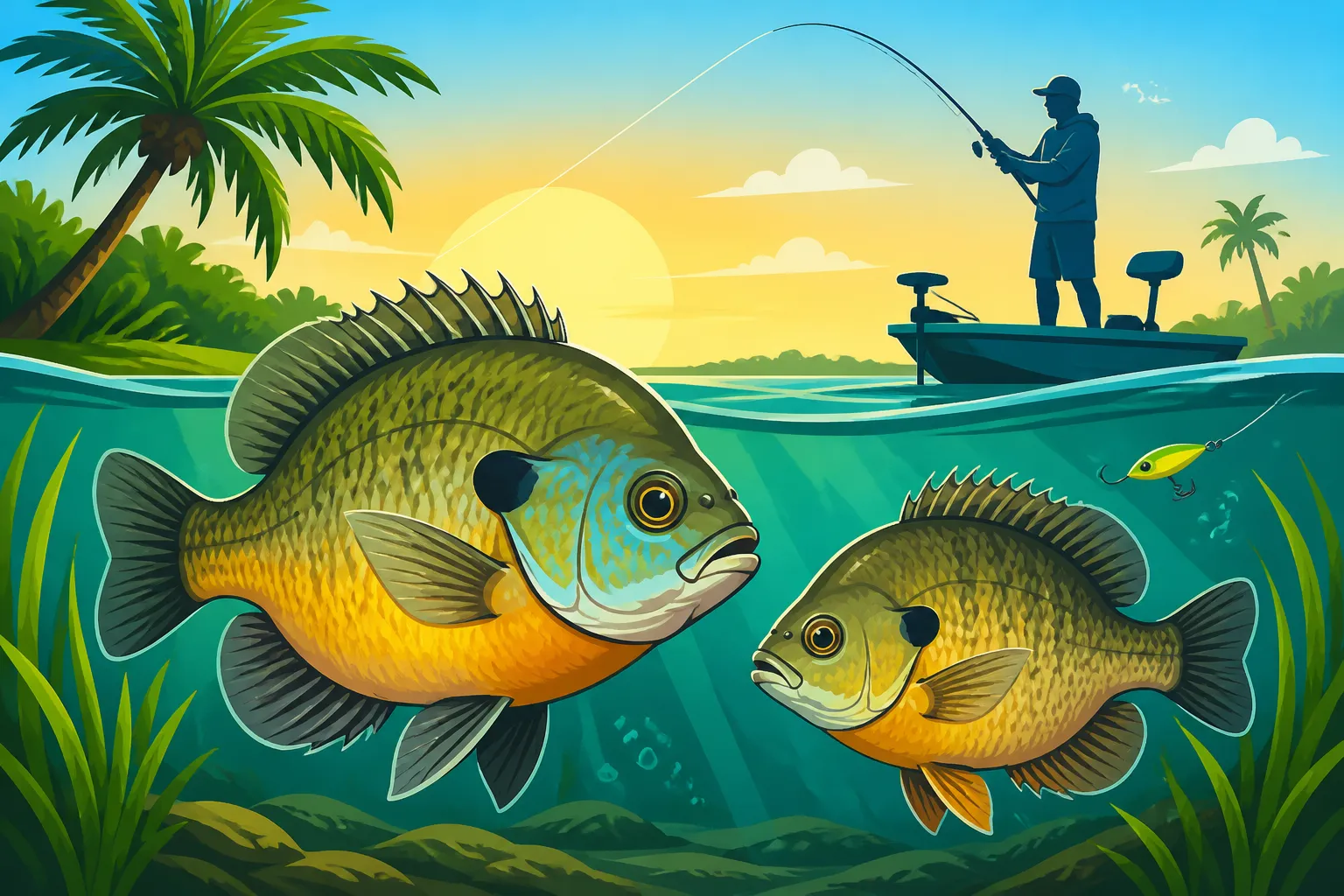
- Bluegill: These are the superstars of the bream world. Look for a small, dark blue/black spot on the posterior edge of their gill flap (the "ear flap"), and often vertical bars on their sides. Their bodies tend to be more rounded, and males can develop a vibrant orange or red belly during spawning season. They’re usually caught on smaller baits like worms or crickets.
- Redear Sunfish (Shellcracker): The giveaway for a shellcracker is a prominent red or orange margin on their gill flap. Their bodies are typically silverish to olive-green, without the distinct bars of a bluegill. They get their "shellcracker" nickname from their diet of snails and other mollusks, which they crush with pharyngeal teeth in the back of their throats. This means they often prefer baits like worms, shrimp, or small pieces of clam.
- Warmouth: These guys have a bit more of a bass-like appearance with a larger mouth and three to five dark lines radiating from their eyes. Their coloring is usually mottled brown and olive, and they can have small patches of teeth on their tongue. They're more predatory than other sunfish, often found in weedier areas, and will hit small lures in addition to live bait.
- Spotted Sunfish: True to their name, these sunfish have distinct black spots on their body and fins. They're a bit more elongated than bluegill and typically found in slower-moving waters. Like bluegill, they'll readily take worms and small insects.
Understanding these differences can subtly influence your bait choice or where you decide to cast. It’s a small detail, but fishing is often about those small details!
The Best Habitats for Bluegill and Bream in Florida
One of the beautiful things about bluegill and bream is how widely distributed they are across Florida. You don't need a fancy boat or a secret spot known only to a few seasoned anglers. Chances are, there's a good bream hole not too far from wherever you are in the state. They thrive in a variety of freshwater environments, making them incredibly accessible.
Freshwater Lakes and Ponds
Florida is absolutely dotted with freshwater lakes and ponds, from massive bodies of water like Lake Okeechobee down to tiny community retention ponds. These are prime hunting grounds for bluegill and bream. Look for areas with some kind of cover or structure, as these fish aren't usually found in the middle of open water.
- Vegetation: Think lily pads, hydrilla, cattails, or submerged grass beds. Bream love to hide in and around these areas, using them as ambush points for insects and as protection from larger predators like bass. Casting a small worm or cricket right up to the edge of a lily pad patch can be incredibly effective.
- Docks and Piers: Human-made structures like docks and piers offer shade and often attract baitfish, which in turn attract panfish. The pilings themselves can grow algae and hold small invertebrates. Dropping a bait straight down next to a dock piling can yield quick results, especially during the hotter parts of the day when fish seek cooler, shaded water. Many public parks offer piers that are perfect for this, and often, you might not even need a license to fish from certain public piers. Check out Do You Need a License to Fish From a Florida Pier? for more details on that.
- Fallen Trees and Brush Piles: Any submerged timber or brush creates a complex habitat where bream feel safe and can find food. If you see a fallen tree extending into the water, that's almost always a promising spot. Cast your bait close to the branches, being mindful of potential snags, and let it slowly sink. These areas are also fantastic for Florida Largemouth Bass Fishing Guide, so you might even hook into something bigger!
- Retention Ponds: Don't underestimate the small ponds in housing developments or golf courses. Many of these are stocked and managed, offering surprisingly good fishing. Just be sure to check for any "no trespassing" signs or private property rules before casting. The convenience of these urban fisheries can't be beaten for a quick afternoon trip. Retention Pond Fishing License Rules in Florida might be worth a look if you're planning on fishing these types of spots.
Rivers and Canals
While lakes and ponds are fantastic, Florida's extensive network of rivers and canals also provides excellent opportunities for bluegill and bream. These waterways often have a current, which can influence where the fish hold.
- Slow-Moving Banks: Bream prefer areas where the current isn't too strong, allowing them to conserve energy. Look for eddies, calm pockets behind obstructions like fallen trees or bridge pilings, or wider, slower sections of the river. The St. Johns River, for example, is known for its diverse panfish population in its calmer stretches. Find more information on that in our St. Johns River Fishing Guide.
- Canal Edges and Structures: Florida's canals, especially in South Florida, are often lined with vegetation, seawalls, or culverts. These structures create perfect hideouts. Casting along the edges, under overhanging branches, or near culvert pipes where water flows in or out can be incredibly productive. These canals are also famous for species like the invasive but exciting peacock bass, so you might get a surprise catch!
- Oxbows and Backwaters: In rivers, oxbow lakes and slower backwater areas that are connected to the main flow but largely protected from the current are perfect bream habitats. These areas often have abundant aquatic vegetation and fewer predators, creating a nursery for smaller fish. Fishing these spots often feels like stepping back in time, offering a peaceful experience away from crowded areas.
When fishing rivers and canals, pay attention to current seams and water clarity. Bream will often congregate where slightly stained water meets clearer water, or where a seam provides a conveyor belt of food without the fish having to fight a strong current.
Essential Gear for Bluegill and Bream Fishing
You don't need to break the bank to get into bluegill and bream fishing. In fact, that's one of its biggest appeals! The gear is generally inexpensive, easy to use, and perfect for beginners or for those who just want to enjoy a simple day on the water. However, having the right simple gear can make all the difference in turning nibbles into hooked fish.
Rods, Reels, and Lines
For panfish, the key is light tackle. This not only makes the fight more fun but also allows for better presentation of small baits, which are crucial for these sometimes-finicky eaters.
- Rods: A light or ultralight spinning rod, typically 5 to 6 feet long, is ideal. The softer tip allows you to cast those tiny baits a good distance and detect even the most subtle bites. A flexible rod also acts as a shock absorber, preventing small hooks from pulling out of a bluegill's soft mouth. You can find excellent ultralight combos that include both rod and reel on platforms like Amazon for a very reasonable price, perfect for getting started without a huge investment.
- Reels: Pair your ultralight rod with a small spinning reel (e.g., a 1000 or 2000 series size). This size reel balances well with the light rod and has enough line capacity for bluegill, which aren't known for long, drag-screaming runs. The smoother the drag, the better, as it prevents line breakage if you accidentally hook into a larger fish.
- Lines: Monofilament line in the 4 to 6-pound test range is perfect. It has a bit of stretch, which helps with hooksets on softer mouths, and it's visible enough for you to keep an eye on your line for those slight twitches that indicate a bite. Lighter line is less visible to the fish and allows your small baits to appear more natural in the water. Avoid anything too heavy, as it will hinder casting distance and sensitivity.
- Floats (Bobbers): A small clip-on or slip bobber is a crucial piece of equipment for still fishing. It keeps your bait at a desired depth and, most importantly, provides a visual indicator of a bite. When that bobber goes down, it's time to set the hook! Adjustable slip bobbers are great for fishing deeper water without having a fixed bobber too far up your line.
Baits and Lures That Bluegill Can't Resist
Bluegill and bream are generally not picky eaters, which is another reason they're so much fun to target. However, some baits are just universally effective.
- Live Baits (The Gold Standard):
- Worms: Nightcrawlers or red wigglers are probably the most classic and effective bluegill bait. Their natural scent and wiggling action are irresistible. You can buy them at almost any bait shop or even find them in your garden after a rain. A small piece threaded onto a hook is usually all it takes.
- Crickets/Grasshoppers: If you can catch them, these insects are absolute bluegill magnets. Their natural habitat is often near the water's edge, making them a familiar meal.
- Live Minnows (Small): While bluegill primarily eat insects, smaller minnows can sometimes tempt larger bream or warmouth. This is less common for typical bluegill, but an option for bigger sunfish.
- Shrimp: Small pieces of peeled fresh shrimp can be deadly for redear sunfish (shellcrackers), especially since they target crustaceans. You can find frozen shrimp at most grocery stores, making it a convenient option.
- Artificial Lures (More Active Fishing):
- Tiny Jigs: Small marabou jigs, grub jigs, or hair jigs in sizes 1/32 to 1/16 ounce are fantastic. Tipping them with a small piece of worm or a Berkley Gulp! Alive! bait can make them even more enticing. Slowly retrieved or bounced along the bottom, these can imitate a variety of aquatic insects.
- Micro Spoons: Small, ultra-light spoons that flutter on the retrieve can also draw strikes, especially in clear water. Their flash mimics small baitfish or insects.
- Panfish Spinners: These small spinners feature a blade that rotates, creating flash and vibration. Brands like Johnson Beetle Spin or Rooster Tail are popular and effective. They're great for covering water and actively searching for schools of fish.
- Soft Plastics: Tiny soft plastic baits, like those used for ice fishing (e.g., crappie tubes or small worms), can be rigged on a jig head and fished under a bobber or slowly retrieved. The Action Plastics or Mister Twister brands offer many options. Don't be afraid to experiment with colors; sometimes a chartreuse or pink will outperform a natural brown or black. You can often find great assortments of these on Amazon, allowing you to try out a variety of styles and colors without buying a ton of individual packs.
A well-stocked tackle box for bluegill and bream will have a mix of live bait containers, a selection of small hooks (sizes #6 to #10 are good), split shot weights, and a few different bobber styles, along with your preferred artificials.
Effective Techniques for Catching Bluegill and Bream
Now that you've got your gear sorted, it's time to talk about how to actually get those feisty little fish onto your hook! Bluegill and bream fishing is often seen as basic, but there are nuances and approaches that can significantly improve your success. It's about presentation, patience, and knowing how these fish behave.
Simple Still Fishing Methods
Still fishing is probably the most common and easiest way to catch bluegill and bream, making it perfect for kids and relaxed afternoons. It involves presenting a static or very slowly moving bait at a specific depth.
- Bobber Fishing: This is the quintessential bream fishing method. You simply attach a bobber to your line, a split shot weight a foot or so above your hook, and your bait on the hook. Cast it out to your desired spot, often near structure or vegetation, and wait for that bobber to disappear or dance.
- Depth is Key: Experiment with the depth of your bait. Bluegill often feed suspended off the bottom, or just above weed beds. If you're not getting bites, adjust your bobber to make your bait shallower or deeper. Start by setting your bait about 2-3 feet deep, and adjust from there.
- Observation: Watch your bobber intently. Sometimes a bite isn't a full dunk; it might be a subtle twitch or a slow drift. The moment it moves unnaturally, give a gentle tug to set the hook. This is where those light rods really shine, as they transmit even faint movements.
- Chumming (Optional): For a truly active session, some anglers will use a small amount of chum, like canned corn or crushed cereal, to draw fish to their area. Just a small handful every 10-15 minutes can create a feeding frenzy, especially with bluegill. This is best done from a stationary position, like a dock or anchored boat.
- Bottom Fishing (Carolina Rig Style): While not as common for bluegill, bottom fishing can be very effective for redear sunfish (shellcrackers), which often forage directly on the lakebed for snails. A small Carolina rig or a simple sinker-and-hook setup allows your bait to rest on the bottom.
- Rigging: For a Carolina rig, slide a small egg sinker onto your main line, then tie on a small swivel. To the other end of the swivel, attach a leader (about 1-2 feet of lighter line) and then your hook. This allows the fish to pick up the bait without feeling the weight of the sinker immediately.
- Bait Selection: Worms or small pieces of shrimp are ideal for this method. Cast out, let it sink, and keep a semi-slack line. You'll feel a slight tap or a steady pull when a fish takes the bait. This can be great for targeting those larger, bottom-feeding bream.
Light Tackle and Fly Fishing Approaches
For those who prefer a more active approach or a greater challenge, light tackle casting and even fly fishing for bluegill and bream can be incredibly rewarding.
- Casting Small Lures: This is where those tiny jigs, spinners, and spoons come into play. It involves actively retrieving a lure, mimicking baitfish or insects.
- Fan Casting: If you're unsure where the fish are, try fan casting – making casts in a fan pattern around your position to cover a wide area. Once you get a bite, focus your casts on that particular spot, as bream often school together.
- Vary Your Retrieve: Don't just reel in at a constant speed. Try pausing, twitching, or varying your retrieve to make the lure appear more lifelike and erratic, which can trigger a strike.
- Targeting Structure: Cast past your target structure (like a dock or lily pad line) and retrieve the lure parallel to it. This keeps your bait in the strike zone for longer.
- Fly Fishing for Panfish: Don't let anyone tell you fly fishing is only for trout or bass. Fly fishing for bluegill and bream is incredibly fun, accessible, and a fantastic way to hone your skills.
- Gear: A 2 or 3-weight fly rod with a matching reel and floating line is perfect. The light setup makes even a small bluegill feel like a monster.
- Flies: You'll want small poppers, sponge spiders, rubber-legged ants, or small nymph patterns. Terrestrial patterns (like ants and crickets) are deadly when bluegill are looking up for food.
- Presentation: Cast your fly gently near cover or where you see surface activity. Let a dry fly or popper sit for a moment, then give it a slight twitch. For nymphs, allow them to sink and retrieve them slowly. The visual thrill of a bluegill slurping a popper off the surface is unmatched! It's an excellent entry point to Florida Fly Fishing Guide.
Regardless of the method you choose, remember that bluegill and bream are often found in schools. If you catch one, chances are there are more in the immediate vicinity. Keep casting to that spot until the action slows down, then move on to find the next school.
Seasons, Regulations, and Conservation
Fishing for bluegill and bream in Florida is generally a year-round affair, which is fantastic news for anglers. However, like any species, there are peak times when the action really heats up. Plus, even for these ubiquitous panfish, understanding regulations is important for responsible angling.
When to Find the Best Bluegill and Bream Action
Florida's mild climate means you can almost always catch bluegill, but certain times of the year offer more consistent and abundant opportunities.
- Spring (Peak Season): This is hands-down the best time to target bluegill and bream. As water temperatures rise into the 70s, these fish move into shallow water for their spawning season. They create "beds" – circular depressions in the substrate, often clustered together – and become very aggressive, protecting their nests.
- Finding Beds: Look for these visible beds in shallow, calm water, often near shorelines, docks, or sparse vegetation. The males will be brightly colored and readily strike anything that comes near their nest.
- Pre-Spawn to Post-Spawn: The action starts heating up in late March and can last well into May or even June, depending on the specific location and water temperatures. This is when you can catch a lot of fish quickly.
- Summer: While the heat of summer can slow down some species, bluegill are still very active. The key is to adjust your fishing times and locations.
- Early Mornings and Late Evenings: Avoid the midday heat when fish tend to go deeper or seek dense shade. Dawn and dusk are prime times for surface activity.
- Shady Retreats: During the day, focus on shaded areas like under docks, bridges, or dense overhanging trees. Look for deeper pockets near structures.
- Fall: As temperatures begin to cool, bluegill remain active as they feed heavily to prepare for winter. The fall can offer excellent fishing, similar to spring, though perhaps without the intense bedding activity.
- Less Pressure: Fall often means fewer anglers on the water, offering a more peaceful experience.
- Still in Shallow Water: They'll often still be found in shallower areas, especially on sunny days, but might move slightly deeper as cold fronts pass through.
- Winter: This is generally the slowest time, but certainly not impossible.
- Deeper Water: Bluegill will move to deeper water where temperatures are more stable. Look for drop-offs, channels, or the deepest parts of ponds.
- Warmest Part of the Day: Fish during the warmest part of the day, typically midday. Slow down your retrieve and use smaller, more subtle baits.
No matter the season, paying attention to water temperature and recent weather patterns will always give you an edge. A sudden cold snap in spring can push them deeper temporarily, while a warming trend in winter can bring them into shallower, sun-baked areas for a short feeding window.
Florida Regulations and Catch Limits
One of the great things about bluegill and bream is their abundance and the generally liberal regulations surrounding them. The Florida Fish and Wildlife Conservation Commission (FWC) manages these fisheries, and for most panfish, the rules are pretty straightforward.
- No Closed Season: Bluegill and other sunfish generally have no closed season in Florida, meaning you can fish for them year-round. This is a huge perk for consistent angling opportunities.
- Generous Bag Limits: For most "panfish" (including bluegill, redear sunfish, warmouth, spotted sunfish, and others), there is a statewide aggregate bag limit. This means you can keep a certain number of these fish combined, not per individual species. It's usually a very generous limit, allowing you to bring home a nice mess of fish for dinner. However, always double-check the current FWC regulations, as they can occasionally change.
- No Minimum Size Limit: Typically, there is no minimum size limit for bluegill and other panfish. You can keep fish of any size, though most anglers choose to release the very small ones to grow larger.
- Fishing License Requirements: This is where it's crucial to be informed. In Florida, most recreational freshwater fishing requires a valid Florida freshwater fishing license. There are exemptions, however. For instance, children under a certain age are exempt, and some disabled residents might qualify for discounts or exemptions. It’s also important to know Florida Resident Fishing License Rules or Florida Nonresident Fishing License Rules if you're visiting. Always confirm if you need a license before heading out. Florida Fishing License Exemptions covers many common scenarios, so make sure to review it.
- Private Ponds: If you are fishing in a private pond that is entirely enclosed and not connected to public waters, you might not need a license. However, if the pond has any connection to a creek or canal that leads to public waters, a license is generally required. The specifics for Florida Private Pond and Farm Pond Fishing Rules are very important to understand.
Table: General Florida Panfish Regulations (Always Verify Current FWC Rules)
| Regulation Type | General Rule for Bluegill & Bream | Important Notes |
|---|---|---|
| Season | Open Year-Round | Enjoy consistent fishing throughout all seasons. |
| Bag Limit | Generous Aggregate Limit (e.g., 20 or 25 fish per person per day) | This limit applies to all sunfish species combined. Always check current FWC regulations for the precise number, as it can sometimes vary slightly by specific body of water or management zone. |
| Size Limit | No Minimum Size Limit | You can keep fish of any size, though many anglers practice selective harvesting, releasing smaller fish to grow and keeping medium-sized ones for eating. |
| Fishing License | Required for most anglers | Exceptions exist for children, some disabled residents, and those fishing in truly private, enclosed ponds. Confirm your specific situation by checking the FWC website or our guide on Who Needs a Fishing License in Florida. |
| Gear | No specific restrictions (e.g., live bait, artificial lures) | Standard recreational fishing gear is permitted. Check local ordinances for specifics if fishing in city parks or special management areas. |
Conservation is key, even with abundant species. While you can keep a good number of bluegill, consider practicing catch and release for some of your catch, especially the larger "bream" to help maintain healthy populations. Taking only what you'll eat ensures that future generations will enjoy the same fantastic panfishing opportunities.
Tips for a Successful and Enjoyable Trip
Bluegill and bream fishing isn't just about catching fish; it's about the experience. It's often the gateway for new anglers, the perfect activity for families, and a relaxing pastime for seasoned veterans. Making the most of your trip involves a little planning and a lot of enjoyment.
Family-Friendly Fishing and Kid Tips
If you're looking to introduce someone to fishing, especially children, bluegill and bream are your best bet. Their willingness to bite keeps boredom at bay and fosters a love for the outdoors.
- Keep it Simple: Don't overload kids with complicated gear or techniques. A simple rod and reel, a bobber, and a worm are all you need. Focus on the basics: casting (even just a gentle lob), watching the bobber, and reeling in.
- Instant Gratification: Bluegill offer near-instant gratification, which is crucial for maintaining a child's interest. Find a spot where the bites are frequent, even if the fish are small. Quantity over trophy size for beginners!
- Safety First: Always use barbless hooks or mash down the barbs on small hooks. This makes hook removal easier and safer for both the fish and little fingers. Bring plenty of sunscreen, bug spray (especially in Florida!), hats, and water. A small cooler with snacks and drinks is always a good idea.
- Patience and Encouragement: Kids might get frustrated with tangled lines or missed bites. Be patient, help them untangle, and celebrate every little success, even just a nibble. Remember, it's about making memories, not filling a cooler. Our Best Spots for Kids to Fish in Florida guide might offer some great location ideas.
- Let Them Help: Let them bait their own hook (if they're comfortable), hold the fish (carefully!), and even help clean the catch afterward. Involving them in the whole process makes it more engaging.
- Go with a Buddy: If possible, take an experienced adult angler along to help with baiting, casting, and untangling lines, allowing you to focus on the child's experience.
Preparing Your Catch for the Table
One of the great rewards of a successful bluegill and bream trip is a delicious meal. These panfish, despite their small size, offer incredibly sweet, flaky white meat that's fantastic fried.
- Keep Them Fresh: As soon as you catch a fish you intend to keep, place it immediately on ice in a cooler. This preserves the quality of the meat. Don't just toss them in a bucket of water in the hot sun; that's a recipe for soft, less flavorful fillets.
- Filleting Small Fish: While you can scale and gut smaller panfish to cook whole, filleting them maximizes the amount of boneless meat you get. It takes a bit of practice but is well worth it.
- Start Behind the Gill Plate: Lay the fish on its side. Make a cut behind the gill plate, down to the backbone.
- Along the Backbone: Turn your knife and run it along the backbone towards the tail, keeping the blade pressed against the bones.
- Rib Cage: When you hit the rib cage, either cut around it or carefully slice over the top of the ribs.
- Remove Skin: Lay the fillet skin-side down. Starting from the tail end, slide your knife between the meat and the skin, wiggling it back and forth as you peel the skin away.
- Repeat: Flip the fish over and repeat on the other side.
- Pin Bones: For larger bream, you might find a small line of "pin bones" in the middle of the fillet. You can carefully cut these out in a small "V" shape.
- Simple Cooking Methods:
- Fried Panfish: This is the classic. Dredge your fillets in seasoned cornmeal or a fish fry mix. Heat vegetable oil or peanut oil in a pan to about 350-375°F (175-190°C). Fry the fillets for 2-4 minutes per side, until golden brown and flaky. Don't overcrowd the pan.
- Pan-Seared: For a lighter option, season fillets with salt, pepper, and a sprinkle of paprika. Pan-sear them in a hot skillet with a little butter or olive oil until cooked through. A squeeze of fresh lemon juice at the end is perfect.
- Don't Waste: If you've caught a lot, consider sharing with friends and family, or freezing some fillets for later. Properly frozen fillets can last for several months and make for a welcome treat on a chilly evening.
Bluegill and bream fishing embodies the pure joy of angling. It’s accessible, consistently rewarding, and provides an excellent reason to simply get outside and enjoy the natural beauty of Florida's freshwaters. Tight lines, fellow anglers!
Disclaimer
This article is for general informational purposes only and does not constitute professional advice. Laws, prices and regulations vary by location and change over time. Consult a qualified professional for guidance on your specific situation.