Do You Need a Tournament Permit to Fish a Bass Tournament in Florida?
It's totally understandable to feel a bit lost in the maze of regulations when you're gearing up for a bass tournament in the Sunshine State. You've got your gear ready, your boat checked, and your game face on, but then this question pops into your head: do I need a special tournament permit on top of my regular fishing license? This guide is going to clear up all that confusion, explaining exactly what permits apply to bass tournaments in Florida, and to whom they apply.
Understanding Fishing Licenses Versus Tournament Permits
One of the biggest sources of confusion for anglers looking to compete in Florida bass tournaments is the difference between a personal fishing license and an event-specific tournament permit. Let's break down these two distinct requirements so you know exactly what you need to have in order to legally cast a line in a competition.
Your Personal Florida Fishing License is Always Essential
First things first, every angler participating in a bass tournament in Florida must possess a valid Florida fishing license, unless they fall under a specific exemption. This isn't a "tournament permit" in itself, but rather your fundamental authorization to fish recreationally in Florida's waters. For bass fishing, you'll need a freshwater fishing license.
Think of it this way: your driver's license allows you to operate a car, but if you're entering a sanctioned race, the race organizer still needs permits for the event itself. The same principle applies here. Your personal license verifies that you, as an individual, have the right to fish. It’s critical to understand the nuances of a Florida Fishing License Guide, especially if you're new to the state or haven't renewed yours recently. This license is tied to you, the angler, not to the event. You can easily purchase your license online through the Florida Fish and Wildlife Conservation Commission (FWC) website, or even pick one up at various retailers like Walmart or Bass Pro Shops, or directly from a local county tax collector's office. Make sure to understand the specific Florida Freshwater Fishing License Rules if your tournament is purely for bass.
Tournament Organizers Need the Permits, Not Individual Anglers
Here's the crucial distinction: it's typically the tournament organizers, not the individual anglers, who are responsible for securing any necessary tournament-specific permits. The Florida Fish and Wildlife Conservation Commission (FWC) has specific guidelines for events that involve more than 25 participants or offer prizes valued over $500, especially if they're held on FWC-managed lands or public waters. These permits allow the FWC to monitor fishing effort, collect data on catch rates, and ensure the event doesn't negatively impact the fishery or other recreational users.
For example, if a tournament is being held on a specific FWC-managed lake or involves special rules for weigh-ins, the organizers would need to apply for a Special Event Permit. This helps the FWC manage public resources effectively. Imagine a large tournament on Lake Okeechobee; without proper permits, the sheer volume of boats and anglers could create issues. The FWC uses these permits to coordinate with organizers, ensuring smooth operations and adherence to Florida Fishing Regulations and Bag Limits. So, while you're focused on landing that trophy bass, rest assured that the tournament directors are usually handling the paperwork for the event itself.
The Role of the FWC in Tournament Permitting
The Florida Fish and Wildlife Conservation Commission (FWC) plays a central role in overseeing fishing tournaments across the state. They're not just about enforcing the rules; they're also about managing the resource and ensuring that these events, which are a huge part of Florida's fishing culture, can continue responsibly for years to come.
Why Tournament Permits are Important for Conservation
Tournament permits issued by the FWC serve several vital purposes, primarily centered around conservation and public resource management. When a large fishing tournament is planned, especially one that draws a significant number of participants or targets specific species like largemouth bass, the FWC needs to be aware of it. This isn't about control for control's sake; it's about protecting Florida's valuable aquatic ecosystems.
For instance, the FWC collects data from tournament organizers about the number of fish caught, the size of those fish, and the overall fishing effort. This information is invaluable for fisheries biologists. It helps them track fish populations, understand trends, and make informed decisions about bag limits and size restrictions. Without this data, it would be much harder to sustain healthy bass populations in popular tournament lakes. A prime example is the extensive data collected from bass tournaments on Lake Okeechobee, which helps FWC ensure that this world-class fishery remains productive. The permits also ensure that tournament activities don't conflict with other recreational uses of the water, such as swimming, kayaking, or general public fishing, maintaining a harmonious environment for everyone.
Types of FWC Permits for Tournament Organizers
While individual anglers focus on their personal Florida Fishing License Guide, tournament organizers might need one of several types of permits from the FWC, depending on the scale and nature of their event. The most common is often a Special Event Permit, especially for larger tournaments or those with significant prize money. This permit process typically involves providing detailed information about the event, including dates, locations, anticipated number of participants, target species, and weigh-in procedures.
Beyond general special event permits, there might be additional considerations. For tournaments utilizing specific public land access points, parks, or designated conservation areas, permits from local government bodies or park management might also be required. It’s a multi-layered system designed to protect both the anglers and the resource. For example, if a tournament plans to use a particular boat ramp exclusively for a day, the FWC or local county might need to approve that temporary exclusive use to minimize disruption to other boaters. This ensures that a major bass event doesn't accidentally cause gridlock at public access points. Organizers might even coordinate with brands like Amazon to secure necessary supplies, trophies, or marketing materials for their events, but the regulatory permits come directly from state agencies.
Requirements for Anglers Participating in Bass Tournaments
So, as an angler, what exactly do you need to have in order to compete in a Florida bass tournament without running afoul of the law? The good news is, it's pretty straightforward, but missing even one piece of the puzzle can lead to penalties.
Valid Florida Fishing License
As we've touched on, a current and valid Florida freshwater fishing license is your absolute non-negotiable requirement. Unless you fall into one of the very specific exemption categories – for example, if you're fishing on a designated Florida Free Fishing Days, or if you're a minor under the age of 16 – you need that license. It's often where the confusion begins, with anglers wondering if this is the "tournament permit" they've heard about. It's not. It's your personal credential.
Remember, a tournament director or a law enforcement officer can ask to see your license at any time. It's always a good idea to have it readily accessible, whether it's the physical card, a printout, or on your GoOutdoors Florida app. Don't risk a fine or disqualification because you forgot this basic necessity. Understanding Who Needs a Fishing License in Florida is vital for any angler, tournament participant or not.
Adherence to Statewide Fishing Regulations
Beyond your personal license, every angler in a tournament must strictly adhere to Florida's statewide fishing regulations, including bag limits, size limits, and species-specific rules for largemouth bass. Tournaments might have additional rules (like slot limits for weigh-ins that differ slightly from the standard state regulations, or specific catch-and-release protocols), but they can never supersede the state's minimum requirements for keeping fish.
For instance, while a tournament might set a minimum length for a bass to be weighed, you still cannot keep a fish that is undersized according to FWC rules outside of the live release format. You absolutely need to be familiar with the current Florida Fishing Regulations and Bag Limits for freshwater species. These regulations are in place to protect fish populations and ensure sustainable fishing for everyone. Tournament organizers are usually excellent at communicating any specific rules unique to their event, but the underlying state regulations are always in effect. Make sure you understand best practices for Catch and Release Best Practices for Snook if you're fishing for other species, but for bass, ensure a quick and healthy release to contribute to the fishery's health. You can find excellent resources, including regulations and even specialized gear for bass fishing, on sites like Amazon.
What Tournament Organizers Are Responsible For
If you're an organizer, or just curious about the bigger picture, knowing what responsibilities fall on tournament directors helps clarify why anglers don't need a separate "tournament permit." It’s all about managing the event for sustainability and compliance.
Obtaining Necessary FWC Permits
Tournament organizers are primarily responsible for identifying and securing any required permits from the FWC, local authorities, or even private landowners if the event crosses different jurisdictions. This typically involves submitting an application, providing event details, and potentially paying a fee. This is the "tournament permit" everyone talks about, but it's for the event, not the individual angler.
The application process allows the FWC to assess the potential impact of the tournament on the fishery and other recreational users. They look at factors like the size of the event, the target species, the proposed weigh-in procedures (especially concerning live release), and the location. If a tournament plans to target trophy-sized bass on a heavily managed lake, the FWC might have specific requirements for live wells, measuring devices, and even specific times for weigh-ins to minimize stress on the fish. This diligent process is a cornerstone of responsible event management and contributes directly to funding conservation efforts in Florida.
Ensuring Angler Compliance and Conservation Efforts
Beyond paperwork, tournament organizers have a significant role in ensuring that all participating anglers comply with both state regulations and the specific rules of the tournament. This includes verifying that anglers have valid fishing licenses before they hit the water, enforcing tournament-specific slot limits or bag limits that are more restrictive than state rules, and promoting proper fish handling techniques during weigh-ins.
Many tournaments, particularly those focused on bass, implement strict live release policies. This means fish are carefully weighed, photographed, and immediately returned to the water, often with the assistance of dedicated release boats or oxygenated tanks. Organizers often provide guidelines on Florida Bass Fishing Techniques and gear choices, encouraging practices that prioritize the health of the fish. This commitment to catch-and-release is vital for sustaining the species, especially for popular tournament fish like largemouth bass. Some tournaments even partner with conservation groups or use proceeds to support local fishery enhancements, showcasing a strong commitment to the future of Florida fishing.
What Happens If You Don't Have the Right Documentation?
Nobody wants to face a penalty, especially when you're out to enjoy a day on the water, or even better, competing in a tournament. Understanding the consequences of not having the correct documentation – either as an individual angler or as a tournament organizer – is crucial.
Penalties for Anglers Without a Valid License
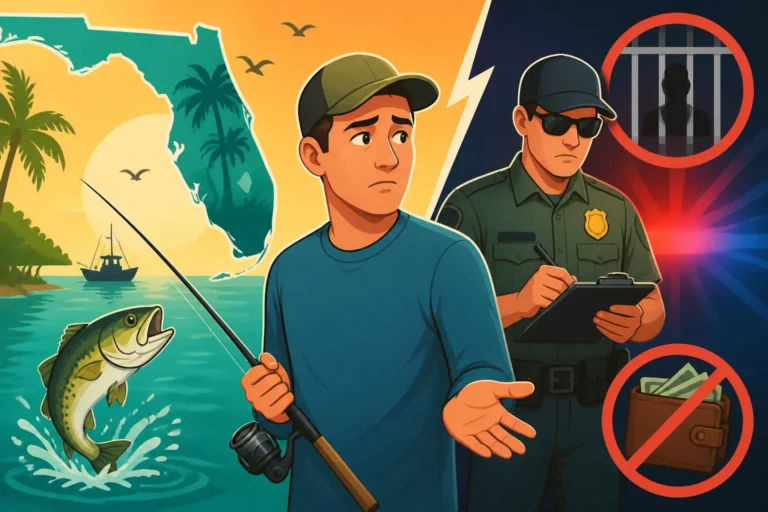
If you, as an individual angler, are caught fishing in a bass tournament without a valid Florida fishing license (and you're not otherwise exempt), you're facing a potential citation. This is not just a slap on the wrist. Fishing without a license is a second-degree misdemeanor in Florida.
The penalties can include fines, court costs, and potentially even confiscation of your fishing gear. Fines can vary but are typically in the range of $50 to several hundred dollars, plus court fees. Beyond the legal consequences, you'd likely be disqualified from the tournament, forfeiting any entry fees, and certainly any chance of winning prizes. It's a costly mistake that's easily avoided by ensuring you have a current Florida Resident Fishing License Rules or Florida Nonresident Fishing License Rules before you even launch your boat. Always double-check your license status before heading out; it’s a quick process online through the FWC GoOutdoors portal.
Ramifications for Unpermitted Tournaments
For tournament organizers, hosting an event without the necessary FWC permits can lead to significant problems. If a tournament is found to be operating without the required special event permits, the FWC can shut down the event. This would be a massive disruption, causing financial losses for organizers, disappointment for anglers, and reputational damage for everyone involved.
In addition to the shutdown, organizers could face fines and other legal repercussions. The FWC takes these regulations seriously because they are designed to protect Florida's natural resources and ensure fair access for all. Repeated offenses could lead to even stricter penalties or the inability to obtain permits for future events. It's a complex process to organize a tournament, and getting the appropriate permits is a foundational step that no organizer should overlook. They might even consult legal counsel or experienced tournament operations teams to ensure full compliance with all local and state regulations for their Tournament Angler License Rules in Florida event.
Navigating the Tournament Scene in Florida
Florida's bass tournament scene is vibrant and exciting, offering anglers of all skill levels a chance to test their abilities against some of the best freshwater fish in the country. From local club events to major professional circuits, there's always something happening. Knowing the rules makes participating a lot more enjoyable and stress-free.
Finding Reputable Tournaments
When you're looking to participate in a bass tournament, always seek out reputable organizations. These are the groups that understand and abide by FWC regulations, handle their permitting diligently, and prioritize fair play and conservation. Local bait and tackle shops are often excellent resources for finding out about upcoming tournaments in your area. Websites like Bassmaster and FLW Outdoors list major events, while local clubs often have their own online presence or Facebook groups.
Reputable tournaments will always make their rules clear, including any specific weigh-in procedures or requirements beyond the standard state regulations. They'll also typically communicate that all anglers must possess a valid Florida fishing license. Don't hesitate to ask tournament directors any questions you have about permits or rules. A good organizer will be happy to provide clarity. For instance, if you're passionate about Florida Largemouth Bass Fishing Guide, finding a well-run tournament focusing on this species can be incredibly rewarding. You'll often find that the best tournaments promote responsible angling and conservation.
Essential Gear for Tournament Anglers
While permits are important, having the right gear is what truly prepares you for success on the water. For bass tournaments, a reliable rod and reel setup is crucial. Many anglers carry multiple combos, rigged with different Best Lures for Florida Bass Fishing such as crankbaits, spinnerbaits, and soft plastics, to adapt to changing conditions. High-quality braided or fluorocarbon line, a good tackle box stocked with a variety of baits, and essential tools like pliers and line cutters are also must-haves.
Beyond fishing tackle, a functioning livewell system in your boat is absolutely essential for keeping your bass healthy during the tournament, especially if it's a catch-and-release event. A good GPS/fishfinder unit can give you a significant edge in locating prime bass habitat. And don't forget personal comfort and safety: quality polarized sunglasses, sun protection, a rain suit, and plenty of hydration. You can find a vast array of tournament-grade fishing gear and accessories, from advanced electronics to specialized baits, available online through retailers like Amazon, ensuring you're fully equipped for competition.
Disclaimer
The information provided in this guide is for general informational purposes only and does not constitute legal advice. Fishing regulations and permit requirements in Florida can change. It is the responsibility of every angler and tournament organizer to consult the most current regulations published by the Florida Fish and Wildlife Conservation Commission (FWC) or other relevant authorities before engaging in any fishing activity or organizing an event. Always verify specific rules and permit requirements directly with the FWC.