Best Lure for Topwater Snook Fishing
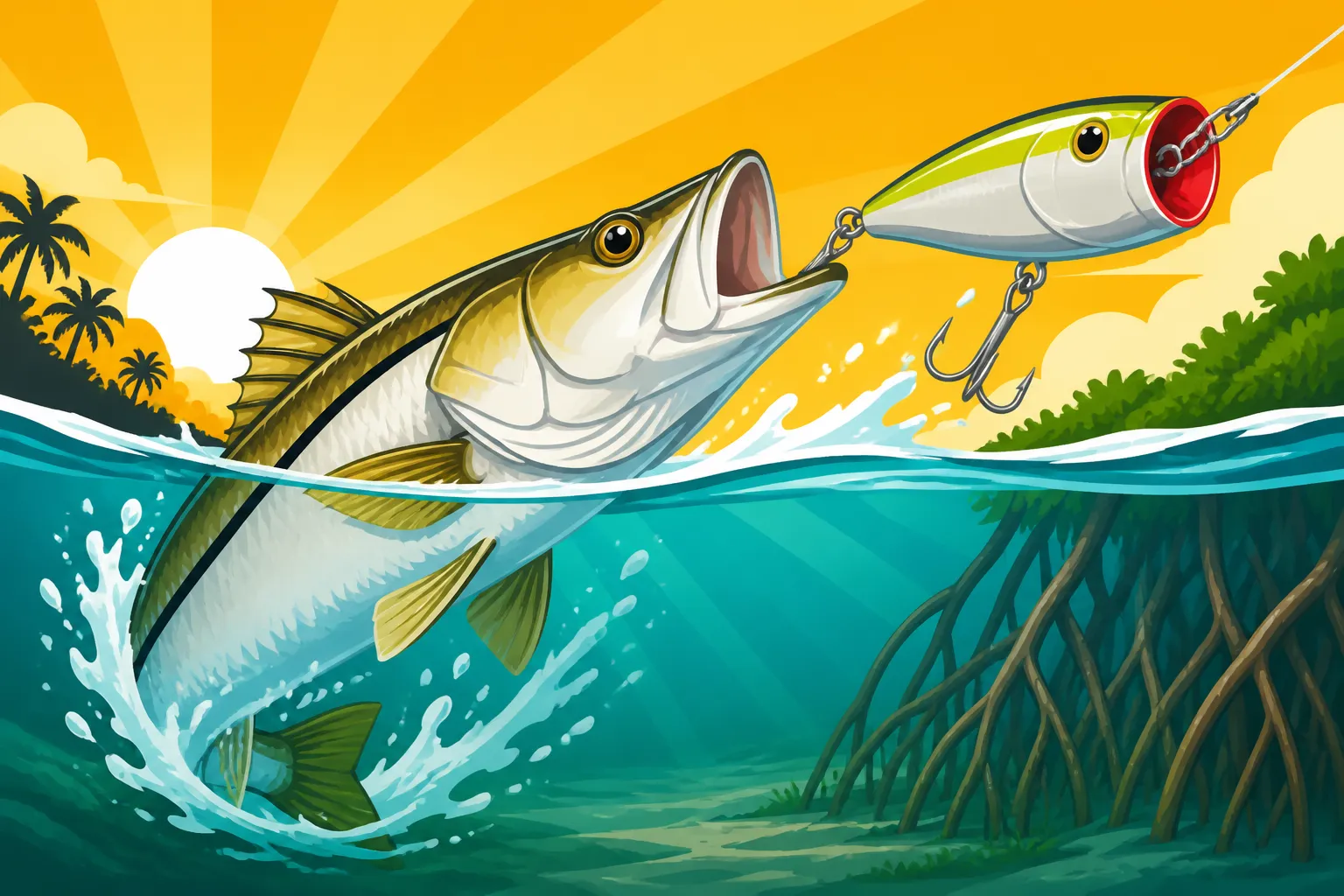
There's nothing quite like the heart-stopping explosion of a snook blowing up on a topwater lure. It's the kind of strike that makes your knees weak, adrenaline surge, and quickly hooks you on the thrill of surface fishing. But let's be real, finding the best lure can feel like a never-ending quest, sifting through tackle boxes filled with "might-be" options. This guide is here to cut through the noise, helping you pinpoint the most effective topwater lures for snook and how to fish them right, so you can experience that explosive action more often.
The Irresistible Charm of Topwater Snook Fishing
Fishing for snook with topwater lures is more than just a technique; it's an experience. It engages all your senses, from the visual excitement of the strike to the sound of the lure working across the surface. Many anglers, myself included, find it the most rewarding way to target these powerful inshore predators.
Why Topwater Triggers Such Aggressive Strikes
Snook are apex predators in their inshore Florida habitats. They are opportunistic hunters with incredible eyesight and an instinct for ambush. When a baitfish is struggling, wounded, or simply making a commotion on the surface, it immediately flags as an easy meal to a snook. Topwater lures are designed to perfectly mimic these distressed baitfish, making them irresistible. The erratic movements, the splashes, the subtle gurgles – all these signals scream "easy prey" to a lurking snook.
Think about it from a snook's perspective: it's hiding in the shadow of a mangrove island or beneath a dock. Suddenly, it detects vibrations and sees a silhouette struggling on the surface. That instant calculation of "effort vs. reward" heavily favors an attack. Plus, snook are incredibly territorial, and sometimes, that surface disturbance simply annoys them into striking, even if they're not actively feeding. It’s a primal reaction, and it’s why topwater fishing can be so incredibly effective, especially during prime feeding windows.
Understanding Snook Behavior and Prime Habitat
To consistently catch snook on topwater, you need to understand where they live and how they act. Snook are masters of their environment, preferring areas with structure and current that offer both ambush points and an easy supply of food. You'll typically find them in estuaries, along mangrove shorelines, near oyster bars, under docks, around bridge pilings, and over shallow grass flats with nearby deeper water. They love to sit in wait, using the current to bring prey to them, and then dart out with explosive speed.
During certain times of the year, like during the Florida Snook Season Guide, snook will gather in specific areas for spawning, making them more concentrated and sometimes even more aggressive. However, topwater fishing generally shines in warmer waters, as snook become more active and willing to chase a lure to the surface. Look for clean water with good tidal flow, especially around dawn and dusk, which are often the Best Time of Day to Fish in Florida for topwater action. When the water temperature is ideal (typically 70-85°F), snook are on the prowl and ready to strike anything that looks like a meal.
Top Contenders for Topwater Snook Lures
When it comes to selecting the best topwater lure for snook, there isn't one magic bullet. Different lures excel in different conditions and provoke varying reactions from snook. The key is understanding their nuances and having a few reliable options in your tackle box. These are the workhorses that have earned their stripes on Florida's snook grounds.
Walk-the-Dog Style Plugs
These are arguably the most iconic and effective topwater lures for snook. Walk-the-dog plugs are designed to glide from side to side across the surface with a "walking" action, mimicking a baitfish that's injured or casually swimming just under the surface. The subtle splashing, rhythmic side-to-side sashay, and the V-wake it creates are incredibly enticing to snook.
Key Features and Examples:
- Shape: Typically long and slender, often resembling a cigar or pencil.
- Action: Creates a distinct "walk-the-dog" retrieve, moving left and right with each twitch of the rod tip.
- Sound: Can be silent or have internal rattles that add to the commotion.
- Popular Lures:
- Heddon Super Spook: A classic for a reason. Its durable construction and consistent action make it a go-to for many snook anglers. It comes in various sizes, with the Super Spook Jr. being a popular choice for average snook, while the larger Super Spook is excellent for targeting trophy-sized fish. You can easily find these reliable lures on platforms like Amazon in a wide array of colors.
- Yo-Zuri Sashimi Pencil: Known for its realistic finishes and superior casting distance. It also features a "wave motion system" that sends vibrations through the water, adding another layer of attraction.
- MirrOlure She Dog: Another excellent option, favored by many inshore anglers for its enticing walk and durability.
Ideal Conditions and Retrieval:
Walk-the-dog lures shine in relatively calm water, especially during low light conditions like dawn and dusk. They are fantastic over shallow grass flats, along mangrove edges, and around docks or oyster bars where snook might be waiting. The retrieve is crucial: keep your rod tip pointed down towards the water, make short, sharp twitches, and reel in the slack. The key is to get the lure to "walk" side-to-side without moving too far forward. Vary your retrieve speed and pause occasionally, as often a snook will strike on the pause. Remember, consistency in your "walk" is more important than speed.
Poppers and Chuggers
When you need to make more noise and splash, poppers and chuggers are your best friends. These lures have a cupped or angled face that "pops" or "chugs" water when retrieved, creating a significant disturbance on the surface. This action can call snook from a greater distance or trigger strikes from less aggressive fish.
Key Features and Examples:
- Shape: Shorter and fatter than walk-the-dog lures, with a distinct concave face.
- Action: Pops, splashes, and sometimes "spits" water forward, mimicking a feeding or distressed baitfish.
- Sound: Produces a distinctive "pop" or "chug" sound.
- Popular Lures:
- Rapala Skitter Pop: A very popular popper with a good balance of noise and castability. It's excellent for situations where you need to attract attention.
- Rebel Pop-R: A classic and affordable option that has caught countless snook. Its versatility allows for a range of retrieves, from subtle pops to aggressive chugs.
- Storm Chug Bug: Another effective chugger that creates a lot of splash and commotion, often triggering aggressive reaction bites. These are also readily available on platforms like Amazon.
Ideal Conditions and Retrieval:
Poppers and chuggers excel in slightly choppier water, around heavy cover like dense mangroves, deep docks, or noisy boat channels where a snook needs a strong signal to find the lure. They are also fantastic when snook are particularly aggressive, or when you need to draw them out from thick cover. The retrieval is usually a pop-and-pause or chug-and-pause rhythm. Pop the lure by snapping your rod tip, let the ripples dissipate, and then repeat. Experiment with the length of your pauses and the intensity of your pops. Sometimes a single, loud pop is all it takes, while other times a series of quick pops followed by a longer pause can be deadly.
Prop Baits
While less commonly discussed for snook topwater than walk-the-dog or poppers, prop baits certainly have their place, especially when you need a unique, sputtering action. These lures feature one or more propellers, typically at the tail, that spin and create a frothy disturbance on the surface as the lure is retrieved.
Key Features and Examples:
- Shape: Varies, but usually a solid body with a propeller (or two) on the tail or front.
- Action: Creates a sputtering, splashing action from the rotating prop.
- Sound: Distinctive whirring or churning sound from the propeller.
- Popular Lures:
- DOA Bait Buster (with prop): While often used as a sub-surface lure, some anglers modify or use the prop versions of the Bait Buster for a surface commotion. Its realistic profile combined with the prop action can be very effective.
- Discontinued Classics: Many vintage prop baits, though harder to find, were once highly regarded for their unique ability to trigger strikes. Modern versions exist from smaller manufacturers, but they require a bit more searching.
Ideal Conditions and Retrieval:
Prop baits can be effective in similar conditions to poppers—when you need to create a visual and auditory disturbance. They are particularly useful when snook seem hesitant to commit to a traditional "walk" or "pop" and you need a different kind of irritation. A steady retrieve with occasional twitches or pauses often works best, allowing the propeller to churn and sputter. They can be especially effective in low light or stained water where the sound and vibration are key.
Table: Topwater Snook Lure Comparison
Here's a quick comparison to help you choose the right topwater lure for your next snook adventure.
| Lure Type | Best For | Action Description | Retrieval Style | Pros | Cons |
|---|---|---|---|---|---|
| Walk-the-Dog Plug | Calm water, open flats, subtle presentation | Glides side-to-side, subtle V-wake | Short twitches, reel slack | Very natural, highly effective in clear water | Requires practice to master the "walk" |
| Popper/Chugger | Choppy water, heavy cover, aggressive fish | Pops, splashes, spits water | Pop & pause, chug & pause | Creates significant noise/splash, calls fish from afar | Can be too noisy in very calm or clear water |
| Prop Bait | Stained water, specific irritation needed | Sputtering, churning from propeller | Steady retrieve, occasional twitch | Unique action, good vibration in murky water | Less common for snook, can tangle on casting if not careful |
Mastering Your Topwater Presentation
Having the right lure is only half the battle. Presenting it effectively is what truly seals the deal. Snook are wary, smart predators, and a flawless presentation can make all the difference between a thrilling strike and a frustrating follow.
Matching the Hatch and Color Selection
The age-old fishing adage, "match the hatch," applies just as much to topwater snook fishing as it does to any other technique. Observe the local baitfish—are they pilchards, mullet, or sardines? Choose a lure that closely mimics their size and profile. For colors, natural patterns tend to be most effective. Silver, white, chrome, chartreuse, and bone are classic choices that imitate common baitfish.
- Clear Water: Opt for more natural, translucent, or chrome finishes that blend in.
- Murky or Stained Water: Brighter colors like chartreuse, or even darker silhouettes (like black or dark green) can provide better contrast for snook to see.
Sometimes, a complete contrast can trigger a strike. For instance, a black or dark-colored topwater lure fished at night or during very low light conditions can be incredibly effective, as it creates a distinct silhouette against the lighter sky, making it easier for snook to pinpoint. Remember, the goal is to make your lure look as much like an easy meal as possible, blending in where needed, or standing out just enough to grab attention.
Essential Gear Considerations for Topwater Success
Your rod, reel, and line setup play a critical role in how well you can work a topwater lure and ultimately land a powerful snook.
Rods
For most topwater snook applications, you'll want a medium-heavy power rod with a fast or extra-fast action. This combination provides several advantages:
- Casting Distance: A longer rod (7' to 7'6") will help you cast those lighter topwater lures further, reaching those distant snook lurking under mangroves or across flats.
- Lure Control: The fast tip allows you to impart the specific actions needed for walk-the-dog or popping lures with precision.
- Hook-Setting Power: Snook have bony mouths, and you need enough backbone to drive those treble hooks home. A medium-heavy rod provides the necessary leverage.
You can find excellent options for a Best Rod for Inshore Fishing in Florida that will double perfectly for topwater snook. Brands like St. Croix, G. Loomis, and Daiwa offer high-quality inshore rods that fit the bill.
Reels
Both spinning and baitcasting reels can be used, depending on your preference:
- Spinning Reels: Generally easier for beginners and excel at casting lighter lures. A 3000 to 4000 size reel spooled with braided line is a great all-around choice.
- Baitcasting Reels: Offer more precision casting and better control over heavier lures, preferred by experienced anglers for pinpoint accuracy around structure. A 150 to 200 size reel is suitable.
Line and Leader
- Braided Line: This is a non-negotiable for topwater snook fishing. Its lack of stretch provides incredible sensitivity, allowing you to feel every bump and know exactly what your lure is doing. It also helps you set the hook effectively. Use 20-30 lb test braided line.
- Fluorocarbon Leader: Crucial for abrasion resistance against snook's rough mouths and sharp gill plates, and for stealth in clear water. Attach 20-40 lb test fluorocarbon leader, typically 2-3 feet long, to your braided main line using an FG knot or a double uni knot. The heavier end of that range is better for larger snook or fishing around abrasive structure.
Optimal Conditions and Retrieval Techniques
The best topwater fishing happens when the conditions align, and you're employing the right retrieval. Ignoring the elements can lead to a frustrating day with no strikes.
Prime Conditions
- Tides: Snook are highly sensitive to tidal movements. An incoming or outgoing tide creates current, which positions snook in ambush points. The first few hours of an incoming tide and the last few hours of an outgoing tide are often the most productive. Learning to read the Best Tides for Inshore Fishing in Florida will significantly boost your success.
- Time of Day: As mentioned, low light conditions are prime. Dawn, dusk, and even night fishing can produce incredible topwater action. Overcast days can extend the topwater bite into midday.
- Water Temperature: Snook prefer warmer waters. Once the water dips below 70°F, they tend to become less active and less likely to chase a surface lure.
- Wind: A light chop on the water can actually be beneficial, as it breaks up your silhouette and makes the lure's action seem more natural. However, heavy wind makes casting difficult and working topwater lures effectively nearly impossible.
Retrieval Nuances
The key to any topwater lure is to make it look alive.
- Walk-the-Dog: Point your rod tip down, make short, rhythmic twitches while reeling in slack. The lure should sashay side-to-side. Experiment with the cadence – sometimes a slow, deliberate walk is best, other times a faster, more erratic pace. Always incorporate pauses, as snook often strike when the lure is motionless.
- Poppers/Chuggers: Snap your rod tip to make the lure "pop" or "chug," then pause. The length of the pause is critical; it gives the snook time to locate the lure and decide to strike. Vary your pops from soft gurgles to loud splashes.
- Prop Baits: A steady retrieve with occasional twitches or short pauses to let the propellers do their work. The objective is a consistent, sputtering sound and visual disturbance.
Remember, snook are predators. They're looking for an easy, struggling meal. Don't be afraid to experiment with your retrieve until you find what triggers those explosive strikes. Patience, observation, and adaptability are your best tools in the quest for Florida Snook Fishing Guide success. When you're fishing near mangroves or structure, remember that Catch and Release Best Practices for Snook are important to ensure the health of the fishery. Always be mindful of Florida Fishing Regulations and Bag Limits when targeting snook.
Final Thoughts on Topwater Snook
There's no feeling quite like watching a snook blast a topwater lure off the surface. It's a testament to the effectiveness of these baits and the aggressive nature of these fantastic fish. While live bait certainly has its place, the thrill of enticing a snook with a carefully presented artificial lure is unmatched for many. It's an art form, a dance between angler and fish, where your skill directly translates into that unforgettable strike.
Whether you're exploring the vastness of the Indian River Lagoon Fishing Guide in Florida, or targeting snook in the backcountry around the Ten Thousand Islands Fishing Guide in South Florida, having a selection of these topwater lures and a solid understanding of how to work them will significantly improve your chances. Don't just cast and retrieve; fish with purpose, with anticipation, and be ready for that explosive moment.
Many anglers initially shy away from topwater fishing, thinking it's too difficult or only works in specific circumstances. But with the right lures, a bit of practice, and a keen eye on snook behavior and their preferred haunts—like those found in our Florida Inshore Fishing Techniques guide—you'll quickly discover the magic of Topwater Lure Fishing for Snook. Remember, these fish are incredibly powerful, so ensure your knots are strong and your drag is set properly!
Disclaimer
Fishing conditions and regulations in Florida can change frequently. Always consult the latest Florida Fish and Wildlife Conservation Commission (FWC) regulations before heading out on the water. This guide is for informational purposes only and does not constitute legal advice regarding fishing licenses, seasons, or bag limits.