How Many Grouper Can You Keep in Florida?
Trying to keep up with Florida's fishing regulations, especially for popular species like grouper, can feel like you need a law degree and a crystal ball all at once. One day you hear a limit is one, the next you're not sure if you can keep any at all, and it's enough to make even the most seasoned angler scratch their head in frustration. It's truly confusing when you just want to enjoy a day on the water and bring home some dinner, but you're constantly worried about doing something wrong. This comprehensive guide is here to shed some light on the specific question of how many grouper you can legally keep in Florida waters, helping you navigate the rules with more confidence.
The Ever-Changing Landscape of Grouper Regulations in Florida
Florida's abundant waters are a treasure trove of marine life, including several species of grouper that are highly prized by anglers. But because these fish are so popular and can be vulnerable to overfishing, their regulations are some of the most complex and frequently updated in the state. It's not just about one simple number; it's a dynamic system designed to ensure these incredible fish continue to thrive for future generations.
Why Grouper Limits Are So Complex
The truth is, grouper limits aren't designed to be difficult just to annoy you; there are solid, science-backed reasons for their complexity. Many grouper species, like the iconic Gag Grouper, are slow-growing and long-lived. This means it takes them a long time to reach maturity and reproduce, making them particularly susceptible to overfishing. If too many are removed from the population too quickly, it can have long-lasting, detrimental effects. This biological reality drives the need for strict, often changing, regulations.
Another massive factor adding to the complexity is the distinction between state and federal waters. Florida's state waters extend for a certain distance from the shoreline (typically 9 nautical miles in the Gulf and 3 nautical miles in the Atlantic), but beyond that, you enter federal waters, which are managed by different authorities (primarily NOAA Fisheries through regional fishery management councils). These two jurisdictions often have different season dates, minimum size limits, and, you guessed it, different bag limits. It’s like driving on a highway where the speed limit changes every few miles, and you need to know exactly where you are to follow the rules! This leads to the phenomenon where you'll hear Why Grouper Season Closes in Parts of the Year, which can vary based on whether you're in state or federal jurisdiction, and whether you're on the Gulf or Atlantic coast.
General Principles of Bag Limits
At its core, a "bag limit" is the maximum number of fish of a particular species (or group of species) that an individual angler can legally keep in a single day. These limits exist to ensure conservation, prevent overfishing, and allow for a fair share of the resource among all anglers. It's a fundamental part of Florida Fishing Regulations and Bag Limits for nearly all managed species.
For grouper, these limits are almost always individual, meaning it applies to each person actively fishing. However, there can also be "vessel limits," which cap the total number of fish that can be on board a boat, regardless of how many people are fishing. This is especially relevant for charter boats or larger groups, to prevent a single boat from bringing in an excessive haul. While this article focuses on "how many," it's crucial to remember that bag limits almost always go hand-in-hand with minimum size requirements. Keeping an undersized fish, even if you're under your bag limit, is still illegal and can result in significant penalties.
Understanding Grouper Bag Limits: State vs. Federal Waters
The absolute first thing you need to understand when asking "how many grouper can I keep?" is whether you are fishing in state or federal waters. This distinction is paramount, as the regulations, seasons, and limits can be vastly different, leading to potential headaches (and fines) if you're not careful.
Grouper Limits in Florida State Waters
Florida's state waters are generally defined as up to 9 nautical miles offshore in the Gulf of Mexico and up to 3 nautical miles offshore in the Atlantic Ocean. When you're fishing in these closer-to-shore areas, you're primarily under the jurisdiction of the Florida Fish and Wildlife Conservation Commission (FWC).
For recreational anglers in Florida state waters, the general daily bag limit for many common grouper species is typically one or two per person. However, this is where it gets a little tricky. Often, FWC implements an "aggregate" limit, meaning you can keep a certain total number of grouper, but within that total, there are specific limits for individual species. For example, you might be allowed to keep a total of two grouper per person, but only one of those can be a Gag Grouper, and one could be a Red Grouper. This system ensures that no single vulnerable species is overharvested while still allowing anglers to enjoy a mixed bag.
Imagine you're fishing near Clearwater, still within sight of land, reeling in some nice reds. In state waters, you might be allowed one Red Grouper and one Gag Grouper, totaling two grouper per person, assuming both are within the legal size limits and their respective seasons are open. If you catch another Gag, even if you’re under the two-grouper aggregate, you'd have to release it because your Gag limit for the day is met. Always remember these limits are per person per day. If you have four anglers on your boat, and the limit is two grouper per person, your vessel's total combined limit would be eight grouper. Understanding State Waters vs Federal Waters Fishing Rules in Florida is absolutely critical for compliance.
Grouper Limits in Federal Waters
Venturing beyond Florida's state waters means you've entered federal waters, and a whole new set of rules comes into play. These areas are managed by federal agencies, primarily NOAA Fisheries, in conjunction with the Gulf of Mexico Fishery Management Council (for Gulf waters) and the South Atlantic Fishery Management Council (for Atlantic waters).
Federal regulations often involve different season dates and bag limits, which can be stricter or have different combinations of species within an aggregate limit. The goal of federal management is to conserve fish stocks across a broader region, which sometimes means more conservative limits than state waters, especially for highly migratory or deeply dwelling species. For instance, the federal Red Snapper season is often notoriously short in the Gulf of Mexico, managed by NOAA Fisheries, much like How NOAA Sets Florida's Red Snapper Season Length for that species. While grouper regulations aren't always as extreme, the principle is the same.
Let's say you're heading out from Destin on a long offshore trip, targeting deeper reefs and wrecks. Once you're more than 9 miles out, you're almost certainly in federal waters, and those regulations will apply. You might find slightly different minimum sizes, or a combined aggregate limit that differs from what you'd encounter closer to shore. It's incredibly important to know your exact location and consult the most current federal regulations, often available through the same FWC resources or specialized apps. Failing to do so could result in a hefty fine and the loss of your catch if you accidentally keep more than allowed, or an out-of-season fish. This is why knowing Can You Keep a Grouper Caught in Federal Waters? is as important as knowing the state rules.
Species-Specific Grouper Bag Limits (and common caveats)
While the state vs. federal water distinction is crucial, the next layer of complexity involves the specific species of grouper you're targeting. Florida is home to many different kinds of grouper, and each often comes with its own set of rules, including individual bag limits, minimum sizes, and seasonal closures.
Gag Grouper
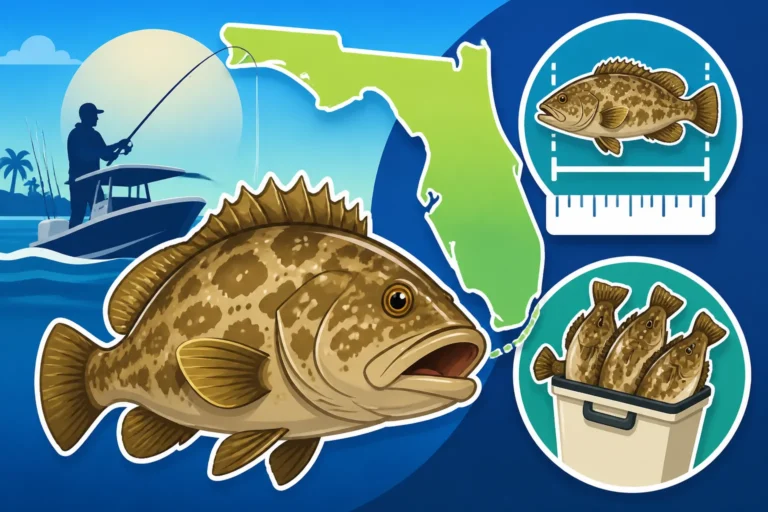
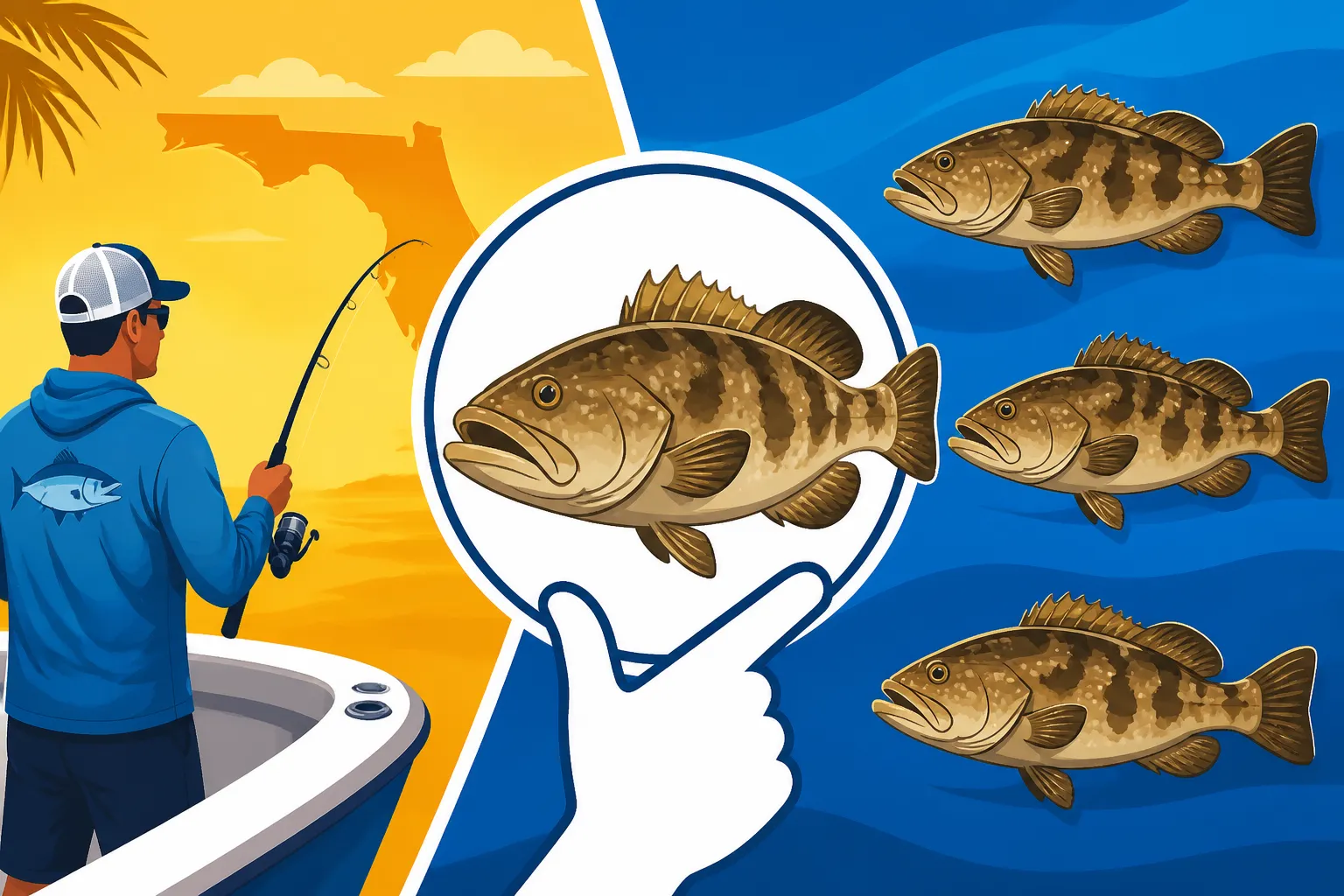
Gag Grouper are one of the most sought-after species, known for their powerful fights and delicious meat. Because of their popularity and biological vulnerabilities, Gag Grouper regulations are among the most stringent. In both state and federal waters, the recreational bag limit for Gag Grouper is typically one fish per person per day. This limit is often non-negotiable and does not usually roll into a larger aggregate limit for other species in the same way some other grouper might.
Furthermore, Gag Grouper are subject to very strict seasonal closures. These seasons can vary significantly between the Gulf and Atlantic coasts, and even between state and federal waters. You might find a region completely closed to Gag Grouper harvest for several months, sometimes even longer, which is a critical detail to verify before you head out. These closures are vital for allowing the species to spawn and recover. Keeping track of Florida Gag Grouper Season Dates is essential if you plan to target them. Always check the current regulations for Gag Grouper Size and Bag Limits before dropping a line.
Red Grouper
Red Grouper are another incredibly popular species, especially in the Gulf of Mexico. They are generally a bit more abundant than Gag Grouper, and their regulations tend to reflect this, though they are still managed conservatively. For recreational anglers, the daily bag limit for Red Grouper is typically two fish per person per day. This limit often applies in both state and federal waters, though it's always wise to double-check, especially if there have been recent regulation changes.
Like Gag Grouper, Red Grouper are also subject to seasonal closures and minimum size requirements. While their seasons might be longer than Gag Grouper, they are not open year-round in all areas. For example, if you're planning a trip to the middle grounds in the Gulf, make sure the federal Red Grouper season is open. These regulations ensure that while you can enjoy catching these tasty fish, their populations remain healthy.
Black Grouper and Other Common Species
Beyond Gag and Red Grouper, Florida waters host a variety of other delicious grouper species. Black Grouper, for instance, are highly regarded and often follow similar regulations to Gag Grouper, with a typical bag limit of one fish per person per day. They also have specific seasons and minimum sizes that must be adhered to.
Other common grouper you might encounter include Scamp, Yellowfin Grouper, and sometimes even smaller species like Coney or Rock Hind. The bag limits for these species can vary but are generally conservative, often one or two per person, and sometimes fall under a larger "aggregate" limit for various grouper species combined. For instance, you might be allowed a total of four grouper, but within that, only one Gag, one Black, and then any combination of Red, Scamp, or Yellowfin to reach your four. It can be a mental juggling act, but it’s critical. Having a reliable fish identification chart, maybe laminated and purchased from Amazon, can be a lifesaver when you're trying to quickly identify your catch and ensure you're within limits. You definitely don't want to mistake a protected species for one you can keep! It's also worth noting that Do Grouper Limits Differ Between the Gulf and Atlantic Coasts? yes, they absolutely do, which adds another layer of complexity.
Here's a generalized table to give you an idea of typical grouper bag limits, but remember this is for illustrative purposes only, and you must check current regulations.
| Grouper Species | Typical State Water Limit (Per Person, Per Day) | Typical Federal Water Limit (Per Person, Per Day) | Common Caveats & Notes |
|---|---|---|---|
| Gag Grouper | 1 | 1 | Strict seasonal closures, minimum size applies. Gulf and Atlantic seasons often differ. |
| Red Grouper | 2 | 2-4 (often within aggregate) | Seasonal closures and minimum size apply. Often one of the more consistently open grouper seasons. |
| Black Grouper | 1 | 1 | Strict seasonal closures, minimum size applies. |
| Scamp | 1 | 1 (often within aggregate) | Part of the aggregate grouper limit, minimum size applies. |
| Yellowfin Grouper | 1 | 1 (often within aggregate) | Part of the aggregate grouper limit, minimum size applies. |
| Aggregate Limit | Often a total of 2-4 grouper per person, with species-specific caps within that total. | Often a total of 2-4 grouper per person, with species-specific caps within that total. | Crucial: You cannot exceed the aggregate limit OR individual species limits. |
Disclaimer: These are general examples and highly subject to change. Always verify current FWC and federal regulations before fishing.
Practical Advice for Staying Legal and Contributing to Conservation
Understanding grouper limits isn't just about avoiding a fine; it's about being a responsible steward of Florida's incredible marine resources. Every angler plays a role in conservation, and following the rules is the easiest way to ensure healthy fish populations for generations to come.
Checking Current Regulations (The Most Important Step!)
I cannot stress this enough: this article provides general information. The absolute, non-negotiable, most important step you can take before every single fishing trip is to verify the most current regulations. Laws, seasons, and bag limits change, sometimes with little notice, due to scientific assessments, stock health, or other management decisions.
The Florida Fish and Wildlife Conservation Commission (FWC) is your primary resource for state waters, and their website is regularly updated. They also offer a fantastic, user-friendly mobile application called "Fish Rules" (available on both Apple and Android devices) that uses your phone's GPS to tell you what regulations apply to your exact location, including state vs. federal waters, species-specific limits, and season dates. It's truly a game-changer for anglers and helps immensely with compliance. Many anglers even carry a waterproof notepad from brands you can find on Amazon to jot down key regulations before they head out, ensuring they have a backup even if their phone loses signal.
Remember, ignorance of the law is not an excuse. Taking a few minutes to check the FWC website or the Fish Rules app before you launch your boat can save you a lot of hassle and potential penalties. And, of course, make sure you have your Florida Fishing License Guide sorted before you even think about fishing!
Responsible Angling Practices
Beyond just knowing the numbers, responsible angling practices are vital, especially when targeting grouper. Because grouper are often caught at deeper depths, they can suffer from barotrauma (the expansion of gases in their swim bladder) when brought quickly to the surface. This makes proper catch and release techniques crucial for any fish you intend to release, whether it's undersized, out of season, or simply because you've met your bag limit.
Always handle grouper gently, minimize their time out of the water, and use appropriate tools for release. Dehooking tools allow you to remove hooks quickly and cleanly without harming the fish. Venting tools (also known as fizzing needles) are designed to safely release the gas from a fish's swim bladder, helping it descend and survive. You can find excellent dehooking tools and venting devices on Amazon, which are crucial for releasing fish responsibly, greatly improving their chances of survival. Knowing What Happens If You Keep an Undersized Fish in Florida? reinforces the importance of these practices. Even if you're within the legal limits, practicing catch and release for fish you don't intend to eat or that are on the smaller end of the slot can contribute significantly to local stock health, ensuring there are plenty of fish for everyone in the future. Following general guidelines for Catch and Release Best Practices for Snook can easily be adapted for grouper and other species.
The Importance of Your Fishing License
Finally, while the focus of this article is on bag limits, it’s impossible to talk about legal fishing in Florida without mentioning your fishing license. Possessing the correct Florida Fishing License Guide is the foundational requirement for any angler, resident or visitor, who plans to fish in Florida's fresh or saltwater.
These license fees aren't just a government formality; they are critically important for the very fish populations we all love to pursue. The revenue generated from fishing license sales directly funds conservation efforts, scientific research, habitat restoration, law enforcement, and fish stocking programs across the state. This means every license purchased helps to protect and enhance the grouper fisheries you're trying to enjoy. Understanding How Florida Fishing License Fees Fund Conservation truly highlights the impact of your individual contribution, making your fishing experience not just enjoyable, but also a part of a larger, vital conservation effort for all of Florida's amazing fish, including the magnificent grouper.
Disclaimer
This article is for general informational purposes only and does not constitute professional advice. Laws, prices and regulations vary by location and change over time. Consult a qualified professional for guidance on your specific situation.