Florida Fishing Regulations and Bag Limits
Navigating the maze of Florida's fishing regulations can feel like trying to untangle a hundred yards of monofilament after a bird's nest on a windy day. The rules often change, vary by location, and differ between species, leaving even seasoned anglers scratching their heads and fearing an unexpected fine. This comprehensive guide aims to unravel the complexities of Florida fishing regulations and bag limits, empowering you with the knowledge to fish legally, ethically, and stress-free, ensuring your time on the water is nothing but enjoyable.
Understanding the Basics: Why Regulations Matter
It's easy to feel overwhelmed by the sheer volume of rules when you're just trying to enjoy a peaceful day on the water. Many anglers, especially those new to Florida, might wonder why there are so many specific requirements for different species, sizes, and seasons. The truth is, these regulations aren't put in place to make your life harder; they are the backbone of responsible resource management, designed to protect Florida's incredible aquatic ecosystems for generations to come. Without them, our beloved fishing holes would quickly become depleted, and the diverse species that call these waters home would face unsustainable pressure.
The Ever-Changing Landscape of Rules
Florida's fisheries are dynamic, constantly influenced by environmental factors, fishing pressure, and scientific data. This means that the rules you learned last year might not be the same this year, and what applies to the Gulf Coast might be entirely different on the Atlantic side. Factors like red tide events, cold snaps, or even the latest scientific assessments of fish populations can trigger emergency closures or changes to bag and size limits. It's not uncommon to hear about a Snook season closure being extended or a Grouper limit being adjusted, sometimes with little advance notice.
This constant evolution can be a source of frustration for many anglers. You might meticulously plan a trip for a specific species, only to find the regulations have shifted just before you leave. Staying on top of these changes requires a proactive approach, which is why resources like the Florida Fish and Wildlife Conservation Commission (FWC) website and their Fish Rules app are indispensable tools. Don't rely solely on what you heard from a buddy at the bait shop; always double-check the official sources before heading out.
The Goal: Conservation and Sustainability
At its core, every fishing regulation in Florida serves a singular purpose: conservation. The state boasts an unparalleled variety of fish, from the mighty Tarpon to the elusive Largemouth Bass, and managing these populations requires a delicate balance. Bag limits prevent overharvesting, ensuring enough fish remain in the ecosystem to reproduce and sustain their numbers. Size limits protect juvenile fish, allowing them to grow to a mature size and spawn at least once before being harvested, and also protect larger, highly fecund breeding stock. Seasonal closures often coincide with spawning periods, giving fish a much-needed break from fishing pressure when they are most vulnerable and vital for future generations.
Beyond fish populations, regulations also protect habitats. Rules against damaging seagrass beds with prop scars or restrictions on fishing in certain sensitive areas are designed to preserve the nurseries and feeding grounds that are crucial for countless species. When we follow these rules, we're not just avoiding a ticket; we're actively participating in the long-term health and vibrancy of Florida's natural resources, ensuring that the thrill of a bending rod will be experienced by future anglers, too.
Florida Fishing Licenses: Your First Step
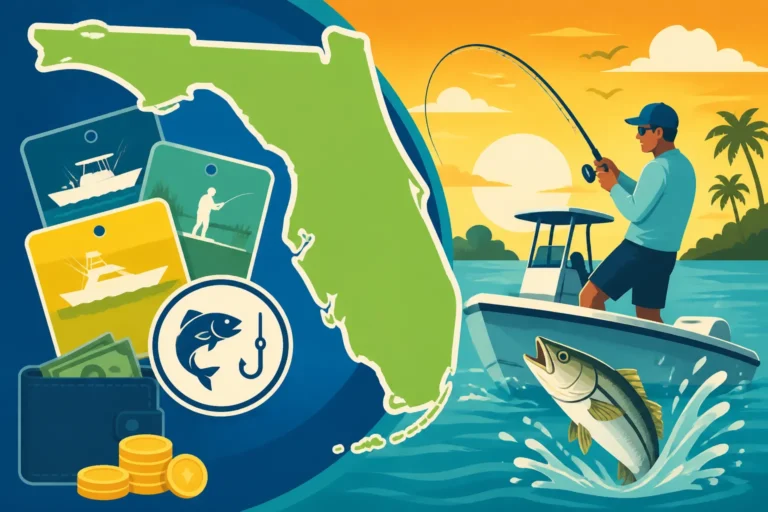
Before you even think about dropping a line in Florida's abundant waters, securing the correct fishing license is paramount. This isn't just a bureaucratic hurdle; it's your official pass to participate in the state's incredible angling opportunities, and the fees collected directly fund vital conservation efforts. Ignoring this step can lead to hefty fines and a ruined day, so understanding the requirements is the very first regulation you need to master. You can find a comprehensive breakdown in our full Florida Fishing License Guide.
Who Needs a License and Who Doesn't
The general rule of thumb is: if you're 16 years of age or older and fishing in public waters, you probably need a license. However, like most things in Florida fishing, there are nuances and exemptions that can sometimes be confusing. For instance, if you're fishing from a licensed pier or a for-hire charter boat, your license might be covered by the facility or captain's license. Children under 16, regardless of residency, do not need a Florida fishing license. Additionally, Florida residents who are 65 years or older are typically exempt from needing a recreational fishing license, but they often need to obtain a free Resident Senior Citizen Hunting and Fishing Certificate from the FWC.
It's also important to distinguish between saltwater and freshwater. If you’re exclusively fishing private ponds where the fish are not managed by the state, you usually don't need a license. But if that pond is connected to public waterways, or if you plan to venture into any lake, river, or coastal area, a license becomes a necessity. Always verify your specific situation with the FWC to ensure you're covered. This guide focuses on recreational licenses; commercial fishing has entirely different, more stringent requirements.
Resident vs. Non-Resident: Different Rules, Different Costs
Florida wisely differentiates between residents and non-residents when it comes to fishing licenses, both in terms of options and cost. For those who call the Sunshine State home, a Florida Resident Fishing License Rules typically offers more economical annual options, and even 5-year licenses, allowing them to enjoy year-round fishing without constant renewals. You'll need to provide proof of residency, like a Florida driver's license or utility bills, when purchasing. These licenses cover most recreational fishing, but you’ll still need separate permits for certain regulated species like Snook or Lobster, which we’ll discuss shortly.
For out-of-state visitors, the Florida Nonresident Fishing License Rules are structured to provide flexibility for shorter trips, offering 3-day and 7-day licenses in addition to annual options. While these short-term licenses are convenient, they are generally more expensive on a daily basis than the resident alternatives. Whether you're fishing the freshwater lakes for Bass or casting a line in the surf for Pompano, you'll need the appropriate license. For saltwater pursuits, you'll need a Florida Saltwater Fishing License Rules, and for inland waters, a Florida Freshwater Fishing License Rules is required. Many anglers opt for a combination license to cover both, especially if they plan to fish diverse habitats.
Permits for Specific Species
Beyond the general recreational fishing license, Florida requires special permits for certain highly sought-after species. These permits are crucial for monitoring and managing fish populations that experience significant recreational fishing pressure. The two most common examples are the Snook permit and the Lobster permit. If you plan to harvest Snook, you absolutely must have a Florida Snook Permit Requirements in addition to your regular saltwater fishing license. This permit helps the FWC track catch data for this iconic game fish and ensures its conservation.
Similarly, if you're planning to participate in the popular Lobster mini-season or the regular season, you'll need a Florida Lobster Permit Requirements to legally harvest spiny lobsters. These permits are typically annual and are tied to your recreational fishing license. Failing to have these specific permits, even if you have a valid general fishing license, is a violation and can result in fines and the confiscation of your catch. Always check the FWC website or the Fish Rules app for the latest information on all required permits before targeting these special species.
General Bag and Size Limits: What You Can Keep
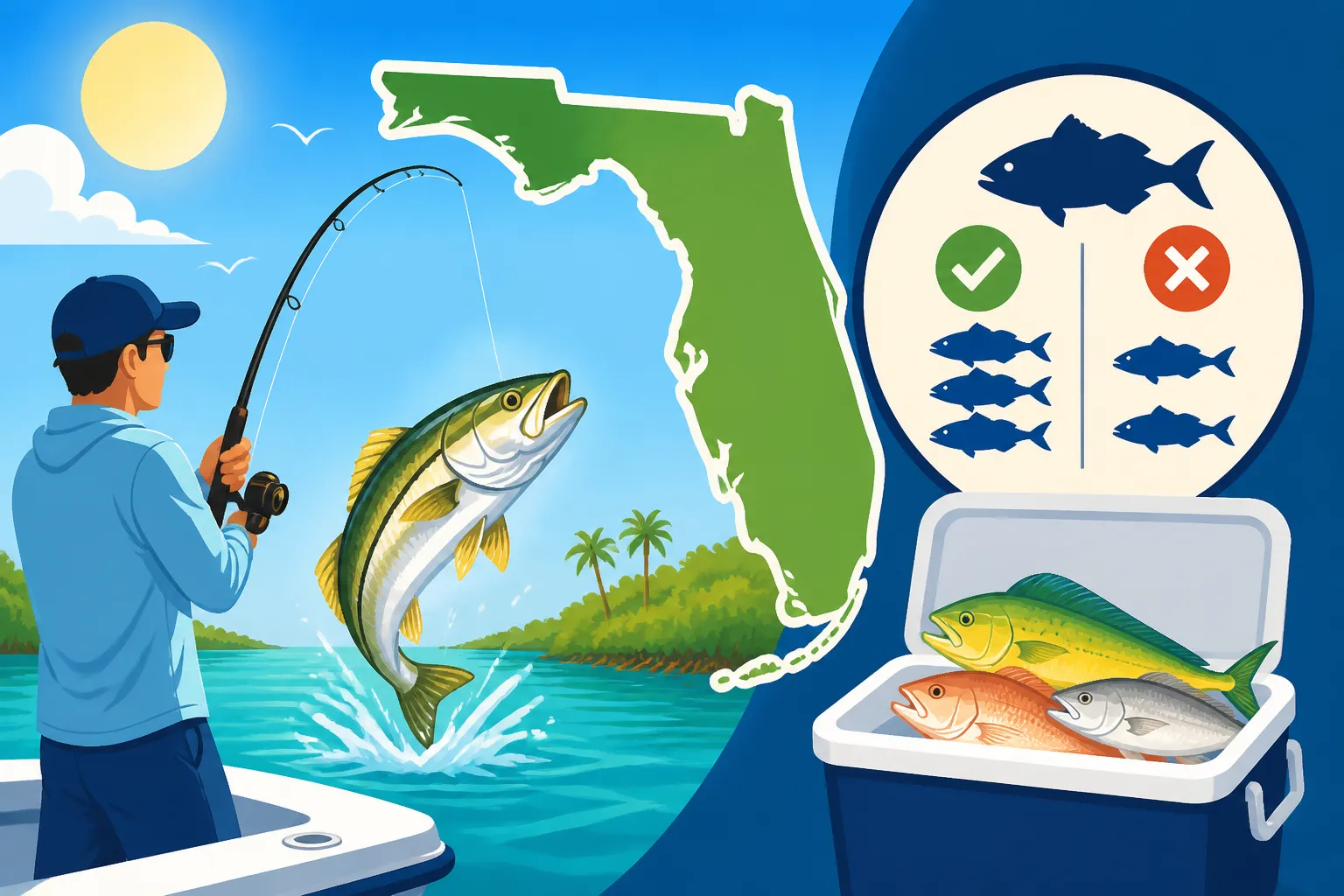
Once you have your license and any necessary permits, the next critical step is understanding what you can actually keep. This is where bag and size limits come into play, and they are fundamental to responsible angling in Florida. These rules are designed to ensure that fish populations remain healthy, allowing enough individuals to reproduce while providing recreational opportunities. It’s not just about the number of fish, but also their size – preventing the harvest of juveniles and protecting the largest, most productive breeders.
Understanding Minimum and Maximum Size Limits
Size limits are often the trickiest part of fishing regulations for many anglers, mainly because different species have different rules, and some even have a "slot limit." A minimum size limit means any fish you catch below that length must be immediately and carefully released. This protects juvenile fish, allowing them to grow and mature enough to spawn at least once. For example, a Redfish might have an 18-inch minimum, meaning anything shorter goes back into the water.
A maximum size limit means that any fish caught above a certain length must also be released. This is often applied to species like Snook and Redfish to protect the largest, most reproductively valuable individuals – often called "brood stock" – that contribute significantly to the overall health of the population. A slot limit combines both, requiring fish to be within a specific size range (e.g., 18-27 inches). Fish too small or too large must be released. It's vital to have an accurate measuring device on board your vessel or in your tackle box, readily available to measure your catch as soon as it comes aboard. You can easily find reliable measuring tapes and rulers on Amazon.
Daily Bag Limits for Common Species
Beyond size, daily bag limits dictate how many individual fish of a particular species you can keep in a 24-hour period. These limits vary wildly depending on the species and are carefully set by the FWC based on scientific assessments of fish stocks. For instance, you might be allowed to keep several Spotted Seatrout, but only one Snook, or perhaps five Largemouth Bass. These numbers are a reflection of the species' population health and how vulnerable they are to fishing pressure.
It's not just about the species, either. Sometimes, regional differences or specific seasonal rules can temporarily alter bag limits. For example, if a certain area experiences a heavy fish kill due to a cold snap or red tide, the FWC might implement emergency reduced bag limits or even close the season entirely to aid recovery. Always check the latest regulations for the specific body of water you'll be fishing, as these details can literally change overnight. Keeping track of your catch count throughout the day is just as important as measuring size; an unintentional over-the-limit catch can lead to the same penalties as a deliberate one.
Possession Limits: What's Allowed Off the Water
While daily bag limits dictate what you can keep in a single day of fishing, possession limits address the total number of fish you can have at any given time, including those from previous days of fishing. This is particularly relevant if you're on a multi-day trip or if you've been freezing fillets. Generally, the possession limit for a species is equal to two daily bag limits. This means if the daily bag limit for a certain fish is 5, you could potentially possess up to 10 of those fish, provided you only caught 5 per day.
However, there are exceptions. Some species might have a possession limit equal to only one daily bag limit, especially highly regulated ones. It's crucial to ensure that any fish you have in your possession can be clearly traced back to legal catches. For example, if you have fillets, they might need to retain a piece of skin with scales, or be of a certain minimum size to prove they were legally harvested. The FWC explicitly states rules for how to store and transport fish, especially when heading home from a trip. This prevents someone from claiming multiple days' worth of fish were all caught in a single outing. Always tag your fish or keep meticulous records if you plan on holding onto them for longer than a single day.
Saltwater Regulations: Navigating the Coasts
Florida's extensive coastline, from the panhandle to the Keys, offers an incredible diversity of saltwater fishing experiences. But with that diversity comes a complex web of regulations that can vary significantly from the Gulf to the Atlantic, and even within specific regions. Understanding these rules is essential for a successful and legal saltwater adventure.
Common Saltwater Fish: Snook, Redfish, Trout
These three species – Snook, Redfish, and Spotted Seatrout – are often considered the "Big Three" of Florida inshore fishing, and they each come with their own distinct set of rules. For example, Florida Snook Fishing Guide regulations often include a slot limit and specific seasonal closures that can vary by region (Gulf vs. Atlantic). You'll usually need a special Snook permit to keep them, and always check for regional exceptions. During spawning season, or after severe weather events, Snook are often catch-and-release only.
Florida Redfish Fishing Guide rules also typically feature a slot limit, and sometimes a reduced bag limit, especially in areas with declining populations. Similar to Snook, Redfish regulations can also have regional variations. Spotted Seatrout, while generally more abundant, still have size and bag limits to protect their numbers. What's allowed for Seatrout in Tampa Bay might be slightly different than in the Indian River Lagoon. These regulations are frequently reviewed and adjusted by the FWC to respond to population changes and environmental conditions, making it crucial to consult the most current guidelines before each trip.
Offshore Species: Grouper, Snapper, Mahi-Mahi
Venturing further offshore opens up a whole new world of species and an even more intricate set of regulations, often involving both state and federal waters. Red Snapper and Grouper, for example, are highly sought-after and strictly regulated. Red Snapper season is notoriously short in the Gulf of Mexico, with specific dates announced annually by federal agencies, while the Atlantic often has different rules entirely. Grouper species, such as Gag Grouper and Red Grouper, also have varying seasons, size limits, and sometimes different regulations depending on whether you're in state or federal waters (federal waters extend beyond 9 nautical miles in the Gulf and 3 nautical miles in the Atlantic).
Mahi-Mahi, while a popular offshore species, generally has more liberal bag limits but still has minimum size requirements. When fishing offshore, it's vital to know where state waters end and federal waters begin, as the rules can change dramatically. Having a GPS with federal water boundaries marked, or a detailed marine chart, can be a lifesaver. Furthermore, many offshore species require specialized gear, and knowing the legal methods of harvest (e.g., circle hooks for some species) is just as important as knowing the limits. Make sure your gear, including any measuring devices and landing tools, is up to snuff; you can find sturdy, marine-grade options on Amazon.
Seasonal Closures and Regional Differences
One of the biggest challenges for saltwater anglers in Florida is keeping track of seasonal closures. These closures are critical for protecting fish during vulnerable periods, such as spawning, or allowing populations to recover after environmental stressors. For instance, parts of the year, Snook season is completely closed for harvest, making them strictly catch-and-release. Similarly, different species of Grouper will have their own specific closed seasons that vary by species and location.
Regional differences further complicate matters. What's legal on the Panhandle might not be legal in Southwest Florida or the Keys. Often, this is due to differing ecological pressures, population densities, or recovery efforts in specific areas. For example, some management zones might have stricter limits or longer closures for a particular species than others. Always make it a habit to confirm the regulations for the specific county or region you plan to fish, checking both the FWC website and the Fish Rules app for the most up-to-date information, particularly for our Florida Fishing Seasons Explained to avoid any unpleasant surprises.
Freshwater Regulations: Lakes, Rivers, and Ponds
While Florida's saltwater fishing often gets the most fanfare, the state's freshwater systems offer world-class angling opportunities, especially for Largemouth Bass. From the vast expanse of Lake Okeechobee to the winding St. Johns River and countless smaller lakes and ponds, freshwater fishing is a cherished pastime. Just like saltwater, these inland waters come with their own unique set of regulations designed to protect their unique ecosystems.
Popular Freshwater Species: Bass, Panfish, Catfish
For many, Florida freshwater fishing is synonymous with targeting the formidable Florida Largemouth Bass Fishing Guide. Bass regulations typically include size and bag limits, though these can vary significantly by lake or river. Some trophy Bass lakes might have more restrictive slot limits to protect larger fish, while others might focus on total biomass removal. It's not uncommon to see "trophy catch-and-release" recommendations in certain areas to help grow the biggest Bass.
Beyond Bass, panfish like Bluegill, Crappie (speckled perch), and various types of Bream are incredibly popular, especially for family outings. These species usually have more generous bag limits, but they still have rules. Catfish, too, are a common target and generally have generous limits, but specific rules might apply to different Catfish species (e.g., Channel Catfish vs. Flathead Catfish). Understanding the nuances for each species you target is key, as harvesting too many small panfish can also negatively impact the ecosystem over time.
Specific Lake and River Rules
Unlike the more uniform coastal rules, freshwater regulations often become hyper-local. A specific lake, river, or even a section of a river can have its own distinct set of rules that supersede the general statewide regulations. Lake Okeechobee, for example, has its own unique set of Largemouth Bass regulations that might differ from a smaller, less-pressured lake in North Florida. The St. Johns River, a sprawling waterway, might have different limits on certain sections to protect spawning fish or address local population dynamics.
These specific rules are usually a result of local management efforts, scientific studies, or community input, aiming to tailor conservation to the precise needs of that water body. Before fishing any major lake or river system, it's not enough to know the general freshwater rules; you must actively seek out the specific regulations for that particular body of water. The FWC website often has specific pages dedicated to major lakes and rivers, detailing any deviations from statewide rules. A quick search before your trip will save you a headache later.
Artificial vs. Live Bait Considerations
While not as common as in some other states, Florida does have certain regulations or strong recommendations regarding the use of live bait versus artificial lures in freshwater. Generally, both are permitted for most species. However, in some highly managed trophy bass fisheries, there might be regulations or advisories encouraging the use of artificial lures for catch-and-release fishing to minimize harm to the fish. The thought here is that artificial lures are often less likely to be swallowed deeply, making for an easier, less traumatic release.
Another consideration, particularly in areas like the Everglades or certain wildlife management areas, can be the introduction of non-native species through live bait. While not a statewide ban, anglers are always encouraged to use bait wisely and never release live bait into waters other than where it was caught, to prevent the spread of invasive species that can devastate native ecosystems. Always consult local regulations, especially in sensitive ecological areas, to see if there are any specific restrictions on bait types.
Protected Species and Sensitive Areas: What to Avoid
Florida's abundant waters are not just a fishing paradise; they are also a crucial habitat for numerous protected species and ecologically sensitive zones. Anglers have a responsibility to know what these are and how to avoid impacting them, not just for legal compliance but for ethical stewardship of the environment. Accidental harm to a protected species or fishing in a restricted area can lead to severe penalties, regardless of intent.
Critically Important No-Take Species
Some species in Florida waters are so imperiled or ecologically important that they are designated as "no-take" species, meaning it is illegal to harvest, possess, or in some cases, even target them. This list includes iconic animals like the Goliath Grouper and Sawfish, which are critically endangered and play vital roles in their ecosystems. While you might accidentally hook one of these magnificent creatures, the law requires their immediate, careful release with minimal harm.
Knowing how to properly identify these species is crucial. The FWC provides excellent identification guides online and through their app, which are invaluable for quickly distinguishing a protected fish from a legal one. If you do catch a protected species, it’s essential to handle it as little as possible, keep it in the water if feasible, and release it quickly. Having appropriate de-hooking tools and knotless nets (both widely available on Amazon) can significantly reduce stress and injury to the fish during an unexpected encounter.
Marine Protected Areas and Habitat Zones
Beyond individual species, certain geographical areas are designated as Marine Protected Areas (MPAs), Aquatic Preserves, or habitat protection zones. These zones are established to safeguard critical habitats like coral reefs, seagrass beds, mangrove forests, or areas vital for spawning and nursery grounds. Within these areas, specific fishing restrictions or even complete no-take rules might apply. For example, portions of the Florida Keys National Marine Sanctuary have "no-take" zones where all fishing is prohibited, while other areas might have restrictions on certain gear types.
Fishing in these areas without understanding the specific regulations is a common pitfall. It's not always obvious where these zones begin or end without consulting navigational charts or the FWC's interactive maps. Ignorance of these boundaries is not an excuse for violations. Always double-check your charts and GPS waypoints before dropping anchor or casting a line in unfamiliar waters, especially in sensitive coastal regions. These protections are vital for sustaining the overall health of Florida's marine environment, which ultimately benefits all species, including those we love to fish for.
Handling and Releasing Fish Responsibly
For many species, especially those with slot limits or during closed seasons, catch-and-release is not just an option—it's a requirement. Practicing responsible catch-and-release techniques is essential for the survival of the fish you send back into the water. Every angler should strive to minimize stress and injury to the fish they intend to release. This starts with using appropriate tackle that allows you to land the fish quickly, rather than exhausting it to the point of no return.
Avoid excessive handling, especially if the fish is destined for release. Wet your hands before touching the fish to protect its slime coat, which is crucial for its health and disease resistance. Use de-hooking tools to remove hooks cleanly and quickly. If a fish is deeply hooked, it's often better to cut the line as close to the hook as possible rather than attempting to rip it out, which can cause internal damage. For larger fish, a net (preferably rubberized and knotless) or a lip-gripping device (avoid those that damage the jaw) can help manage the fish while keeping it in the water. Properly handling and releasing fish ensures they swim away strong, contributing to the healthy populations we all want to enjoy.
How to Stay Informed and Avoid Penalties
Given the dynamic nature and complexity of Florida's fishing regulations, staying informed is an ongoing responsibility for every angler. It's not a "set it and forget it" situation; rules can and do change. Avoiding penalties isn't just about knowing the rules today, but about knowing how to consistently access the most current information. Fishing without proper knowledge can turn a relaxing hobby into a costly headache, so being proactive is your best defense. If you're ever caught violating these rules, the consequences can be severe. Our article on What Happens If You Fish Without a License details the repercussions.
Reliable Resources for Current Regulations
The Florida Fish and Wildlife Conservation Commission (FWC) is your ultimate authority for all fishing regulations in the state. Their official website (MyFWC.com) is a treasure trove of information, featuring detailed regulations for both freshwater and saltwater species, news releases about rule changes, and interactive maps. It's regularly updated, so make it a habit to check before each trip, or at least seasonally.
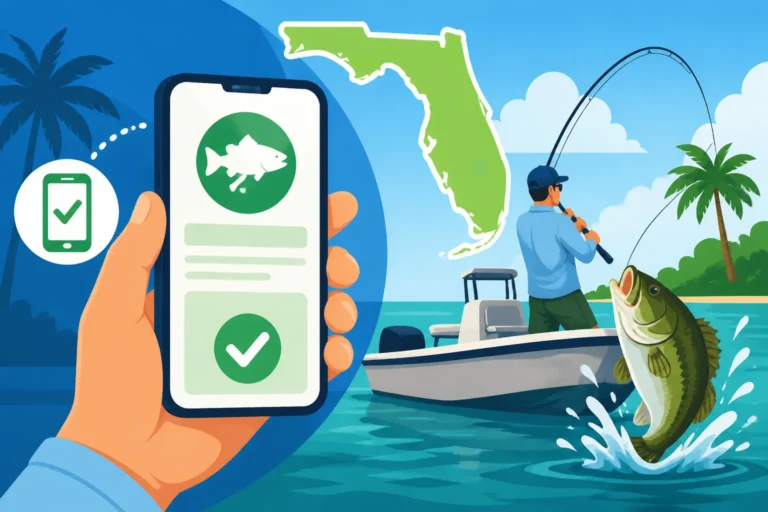
Beyond the website, the FWC's "Fish Rules" app (available for both iOS and Android) is an absolute game-changer. This free app uses your phone's GPS to tell you exactly what regulations apply to your current location, displaying bag limits, size limits, and open/closed seasons for various species with a simple tap. It’s an invaluable tool for on-the-water verification. Additionally, many tackle shops and bait stores will have printed copies of current regulations or helpful summaries, though these should always be cross-referenced with official FWC sources. You can also purchase detailed regulation guides, sometimes available on platforms like Amazon, but always ensure they are the most current edition.
The Consequences of Non-Compliance
Fishing without a proper understanding of the regulations can lead to serious consequences that extend far beyond a verbal warning. The penalties for violating Florida's fishing laws can range from significant monetary fines to the confiscation of your catch, fishing gear, and even your vessel. For more severe or repeated offenses, you could face misdemeanor charges, potential jail time, and the loss of your fishing privileges.
Enforcement officers from the FWC patrol Florida's waters vigilantly, and they are well-versed in identifying common violations. They are also equipped with the tools to check licenses, measure fish, and enforce all applicable rules. Imagine catching a prized Snook, only to have it confiscated and receive a hefty fine because you didn't realize the season was closed or you didn't have the required permit. It’s a sure way to ruin a memorable day. The bottom line is that ignorance of the law is not considered a valid defense. Investing a little time to learn and verify regulations is a small price to pay to protect your wallet and your freedom to fish.
Special Regulations and Permits Beyond the Basics
Florida's recreational harvest opportunities extend far beyond just rod and reel fishing. The state also offers exciting avenues for spearfishing, crabbing, lobstering, and other unique forms of harvest. However, each of these activities comes with its own specialized set of rules, permits, and limitations that are distinct from general fishing regulations. If you're looking to explore these alternative methods, prepare to delve into another layer of FWC guidelines.
Spearfishing and Diving Rules
Spearfishing in Florida is a popular and thrilling way to harvest certain species, particularly in clear saltwater environments. But it's not a free-for-all. Spearfishing has specific restrictions on where it can occur (often prohibited in freshwater or within certain zones), what species can be taken (many species, like Snook, Redfish, and Tarpon, are specifically illegal to spearfish), and what gear can be used (e.g., powerheads might be restricted in certain areas). Divers also need to display a dive flag when in the water, and regulations dictate the flag's size and how close boats can approach it.
Additionally, standard bag and size limits for specific fish species still apply to spearfishing. You can't spearfish an undersized or over-the-limit Grouper just because you're using a spear instead of a rod and reel. Understanding these nuances is critical for a safe and legal spearfishing trip. Always ensure your speargun is handled responsibly and that you are aware of your surroundings, especially when diving near other boaters or swimmers.
Crabbing, Lobstering, and Other Harvests
Florida's waters are also home to delicious crustaceans like blue crabs, stone crabs, and spiny lobsters, all of which are popular targets for recreational harvest. Each of these comes with its own set of very specific rules, often tied to seasons, trap limitations, and harvest methods. For instance, stone crab season is a fixed period, and only the claws can be harvested, with specific size requirements for those claws. Blue crabs can be harvested with traps or dip nets, but there are limits on the number of traps and the size of the crabs.
Lobstering, particularly the excitement of the two-day mini-season, is another highly regulated activity. As mentioned earlier, a Florida Lobster Permit Requirements is essential, and rules dictate minimum size (measured from the eyes to the start of the tail), how they can be harvested (usually by hand or with a tickle stick and net), and daily bag limits. For all these activities, checking the FWC guidelines is non-negotiable, as seasons, limits, and gear rules can change annually. Having the right measuring tools and gear, such as lobster gauges or crab traps, is crucial for compliance, and you can stock up on these essentials through retailers like Amazon.
| Species | Minimum Size (inches) | Maximum Size (inches) | Slot Limit (inches) | Daily Bag Limit | Specific Notes |
|---|---|---|---|---|---|
| Saltwater | |||||
| Snook | 28 | 33 | 28-33 | 1 | Varies by region & season; requires Snook permit. |
| Redfish | 18 | 27 | 18-27 | 1 (Gulf) / 2 (Atlantic) | Varies by region; often no more than one per vessel. |
| Spotted Seatrout | 15 | 19 | 15-19 | 5 | Lower limits in certain regions (e.g., SW Florida). |
| Gag Grouper | 24 (total length) | N/A | N/A | 2 | Specific seasons for Gulf & Atlantic; combined with other Grouper. |
| Red Grouper | 20 (total length) | N/A | N/A | 4 | Specific seasons for Gulf & Atlantic; combined with other Grouper. |
| Mahi-Mahi (Dolphin) | 20 (fork length) | N/A | N/A | 10 | Vessel limit 60 per vessel. |
| Freshwater | |||||
| Largemouth Bass | N/A | N/A | N/A | 5 | Often 1 over 16" or 18" allowed; varies by lake/county. |
| Black Crappie (Speckled Perch) | 10 | N/A | N/A | 25 | |
| Bluegill / Bream | N/A | N/A | N/A | 50 (aggregate) | Aggregate limit for all sunfish species. |
Note: This table provides a general overview and is subject to change. Always refer to the most current FWC regulations before fishing.
Disclaimer
The information provided in this guide is for general informational purposes only and is not intended as legal advice. Florida's fishing regulations are subject to frequent changes by the Florida Fish and Wildlife Conservation Commission (FWC). It is the sole responsibility of each angler to consult the most current FWC regulations and statutes before engaging in any fishing activities. Failure to do so may result in fines or other penalties.