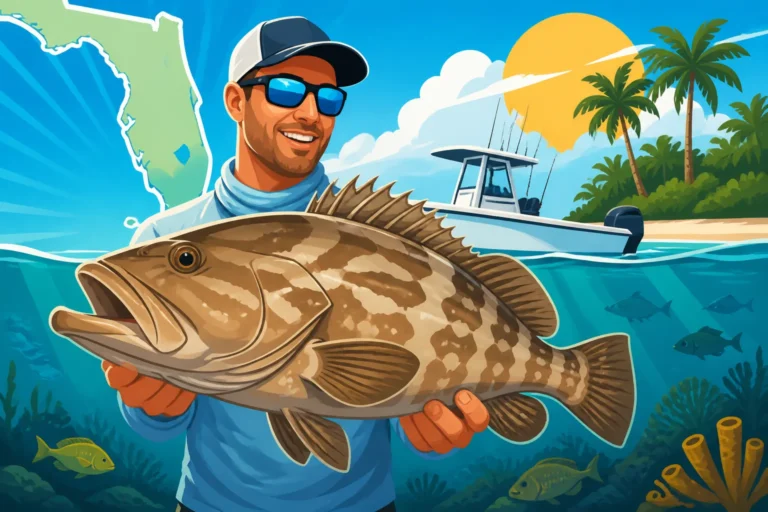
Can You Sell Fish You Catch Recreationally in Florida?
It's a common thought after a particularly bountiful day out on Florida's beautiful waters: you've got a cooler full of fresh fish, perhaps more than you and your immediate family can eat before it loses its peak freshness. A little voice might whisper, "Could I sell some of this to help cover gas for the boat, or maybe trade it for some new lures?" This guide is here to clear up that very question, diving deep into the regulations around selling recreationally caught fish in the Sunshine State and why those rules exist.
The Fundamental Rule: Recreational vs. Commercial Fishing
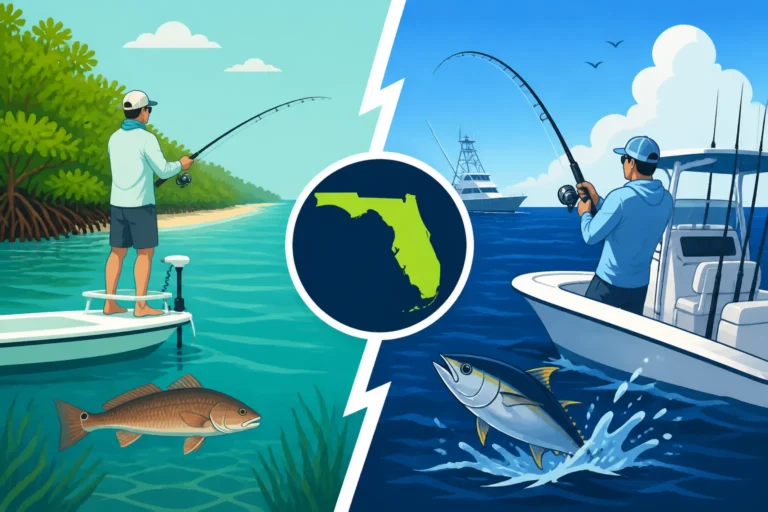
One of the most crucial distinctions in Florida fishing law is the bright line drawn between recreational and commercial fishing. This isn't just a bureaucratic formality; it underpins almost every regulation you'll encounter on the water.
Understanding the Legal Distinction
When you head out with your rod and reel, whether it's for a peaceful afternoon on a freshwater lake or a thrilling offshore adventure, you are engaging in recreational fishing. The intent behind your activity is personal enjoyment, sport, and providing food for yourself and your loved ones. You're fishing for the experience, the challenge, and the dinner plate at home. To do this, you'll need a Florida Fishing License Guide, which is specifically designed for this purpose.
Commercial fishing, on the other hand, is an entirely different endeavor. Its primary purpose is profit through the sale or trade of fish. Commercial operations involve specific gear, larger vessels, and often target species in much greater quantities. The people who engage in commercial fishing are professionals whose livelihood depends on their catch, and they operate under a completely different set of licenses, permits, and regulations. It’s this intent – personal use versus financial gain – that creates the fundamental divide.
Why the Distinction Matters for Selling Fish
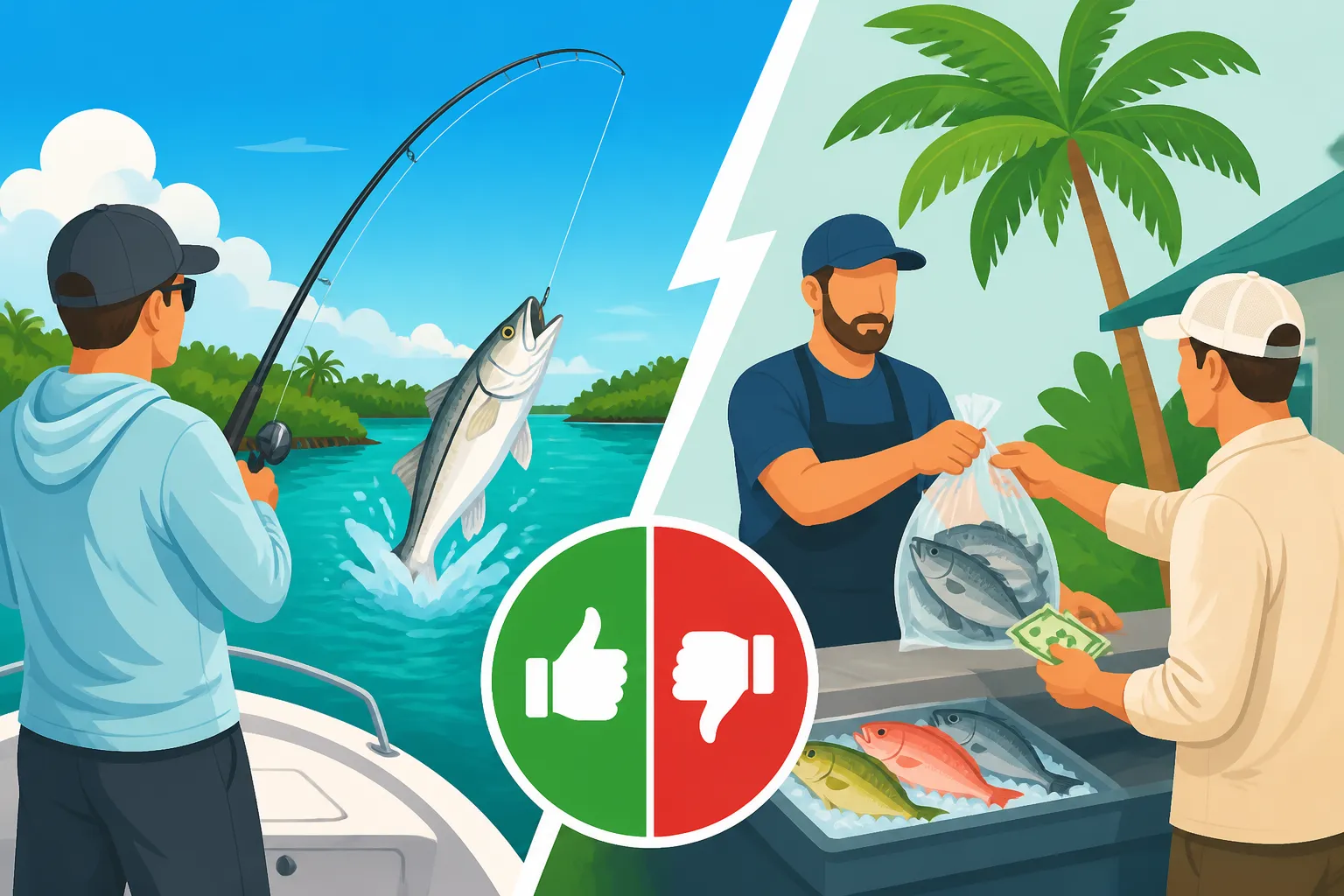
Florida's laws are very clear: if you catch fish using a recreational fishing license, you are prohibited from selling, bartering, or exchanging that fish for any form of monetary compensation or other goods and services. This rule isn't arbitrary; it serves several critical purposes. Firstly, it prevents unregulated competition with licensed commercial fishermen who invest significantly in their operations and adhere to stringent quotas and reporting requirements. Imagine a commercial fisherman who pays substantial fees for specialized permits, only to have recreational anglers flood the market with untracked, unregulated catch. It simply wouldn't be fair, nor would it be sustainable for the industry.
Secondly, these laws are a vital tool for conservation. By separating recreational and commercial harvests, state agencies like the Florida Fish and Wildlife Conservation Commission (FWC) can more accurately track fish populations and manage species-specific quotas. If recreational catches could enter the commercial market without oversight, it would become nearly impossible to monitor harvest levels, leading to potential overfishing and long-term damage to Florida's incredibly diverse marine and freshwater ecosystems. Every fish counts, and the system is designed to ensure that those numbers are known and managed responsibly.
The Penalties for Selling Recreationally Caught Fish
It might seem like a harmless act to sell a few extra fillets, but the FWC takes violations of these rules very seriously. The penalties can range from inconvenient to severe, and they are designed to deter any attempts to bypass the established commercial fishing framework.
What Happens if You Get Caught
If an FWC officer determines that you have sold, attempted to sell, or bartered recreationally caught fish, you could face significant consequences. The most immediate penalty is often a substantial fine, which can vary depending on the species, quantity of fish, and the specific circumstances of the violation. These fines can quickly add up, easily exceeding any small profit you might have hoped to make. Beyond monetary penalties, your catch and even your fishing gear could be confiscated. This means saying goodbye to that expensive rod and reel setup or the cooler you just filled.
In more egregious or repeat offenses, especially those involving protected species or large quantities, you could even face criminal charges. While it's rare for a first-time, minor offense to result in jail time, it's not entirely off the table, and a criminal record can have long-lasting impacts on your life. Furthermore, any fishing licenses or permits you hold could be suspended or revoked, effectively barring you from fishing legally in Florida for a period of time. This can be a particularly tough pill to swallow for someone who loves to be out on the water.
Legal vs. Illegal Ways to Dispose of Excess Catch
So, if you can't sell your fish, what can you do with an abundant catch? The legal options are straightforward: you can eat it yourself, freeze it for later consumption, or, and this is key, give it away to friends, family, or neighbors. There should be absolutely no expectation or exchange of money, goods, or services in return for the fish you give away. It must be a genuine gift.
What you cannot do extends beyond a direct cash sale. Bartering fish for other items, such as repairs, boat gas, or even services like a free meal at a restaurant, is generally considered illegal trade. Even if a restaurant owner "gives" you a free meal after you "donate" some fish, it can be interpreted as an exchange, which violates the spirit and letter of the law. The FWC looks for any indication of commercial intent or transaction when investigating such cases. The safest approach is always to ensure that any transfer of your recreational catch is purely gratuitous.
What It Takes to Be a Commercial Angler in Florida
For those truly interested in making a living from Florida's abundant fisheries, the pathway exists, but it's a completely different journey than recreational angling. It requires significant commitment, investment, and a thorough understanding of a complex regulatory landscape.
Commercial Fishing Licenses and Permits
Becoming a commercial angler in Florida is a far cry from simply buying an annual recreational license. You'll need a host of specific commercial licenses and permits, which often vary depending on the type of fishing, the species you intend to target, and where you plan to fish. For instance, there are different licenses for shrimping, crabbing, and finfish, and often specific endorsements for particular species like stone crabs or certain types of snapper. Many of these permits are limited entry, meaning there's a cap on how many are issued, and they can be quite expensive to acquire, sometimes requiring purchase from an existing permit holder.
Beyond state requirements, many commercial operations also need federal permits, especially if they plan to fish in federal waters (generally beyond three nautical miles in the Atlantic and nine nautical miles in the Gulf). These federal permits have their own set of rules and can be even more challenging to obtain. The entire process requires substantial capital investment, not just in licenses but also in commercial-grade vessels, gear, and safety equipment that meet rigorous standards.
Regulatory Hurdles and Reporting Requirements
Commercial fishermen operate under a much more extensive web of regulations than their recreational counterparts. They face strict quotas, which dictate how much of a particular species they can harvest, and these quotas can change frequently based on scientific assessments of fish populations. Seasons for commercial fishing are often tightly controlled and may differ significantly from recreational seasons, sometimes being open for only a few days or weeks out of the year for certain species.
Furthermore, commercial operators have comprehensive reporting requirements. They must accurately log their catches, often specifying species, quantity, location, and even gear used. This data is critical for fisheries management and is meticulously reviewed by state and federal agencies. Sales of commercial catch are also tracked, ensuring traceability from the water to the consumer. This level of oversight ensures sustainability and helps maintain the integrity of the seafood market. It's a demanding profession, requiring not just fishing skill but also significant administrative compliance.
Specific Scenarios and Common Misconceptions
Despite the clear laws, certain situations often lead to confusion or false assumptions among recreational anglers. Let's address some of these common misconceptions to ensure you stay on the right side of the law.
The "Friends and Family" Loophole (It's Not One)
One of the most persistent misconceptions is the idea of a "friends and family loophole." While it is absolutely legal and encouraged to share your catch with those close to you, the moment any form of compensation or exchange enters the picture, it crosses the line into an illegal transaction. Your friend might offer to "chip in for gas" after you give them some fresh snapper, or your aunt might press some money into your hand "for your trouble." While these gestures might come from a good place, accepting them for recreationally caught fish could still be interpreted as a sale.
The key here is intent and exchange. If your cousin genuinely offers to give you $50 for a bag of fillets from your recent trip, that's a sale, regardless of the familial relationship. A genuine gift is given freely, without expectation or receipt of anything in return. To avoid any ambiguity, simply decline monetary offers and explain that the fish is a gift to be enjoyed. It's about being unequivocally clear that no commercial transaction is taking place.
Selling to Restaurants or Markets
This is an absolute no-go area for recreational anglers. Restaurants, grocery stores, and fish markets are strictly regulated in how they source their seafood. They must purchase from licensed commercial wholesalers and fishermen who can provide proper documentation of their catch, including harvest location, date, and species. This is crucial for food safety, traceability, and ensuring compliance with all fisheries management rules.
If you, as a recreational angler, attempt to sell your catch to a restaurant, you'll likely be met with a polite but firm refusal. Not only would the restaurant be risking fines and regulatory action for purchasing unregulated seafood, but they also have a responsibility to their customers to ensure the quality and safety of their ingredients. They simply cannot vouch for fish sourced from an unlicensed individual. So, while that chef might be your buddy, don't put them or yourself in a difficult position by offering your recreational catch for sale.
Bartering or Trading Fish
The act of bartering or trading fish for goods or services, rather than direct cash, is also considered an illegal commercial transaction under Florida law. It operates on the same principle: if value is being exchanged for the fish, it's treated as a sale. For example, if you trade a cooler full of speckled trout for a boat repair, or exchange some mahi-mahi for a new piece of tackle, you are engaging in an unregulated commercial activity.
This rule exists to prevent a black market for seafood and to ensure that all fish entering the market are tracked and regulated. It keeps the playing field fair for commercial fishermen and helps maintain the health of fish populations. So, while it might feel like a clever way to get around the cash-only rule, remember that the FWC is wise to these kinds of exchanges. Even if you're selling a handcrafted fishing lure you made on Amazon to buy more bait, that's a different animal than directly trading fish for that bait. The key is that the fish itself is not the item being sold or exchanged.
The Ethical and Conservation Angle
Beyond the legalities and penalties, there are important ethical and conservation reasons behind Florida's strict rules against selling recreationally caught fish. These regulations are designed to protect both the natural resources and the livelihoods of those who depend on them.
Protecting Florida's Fisheries
Florida boasts an incredible diversity of fish species, from the largemouth bass in its freshwater lakes to the snook, redfish, and tarpon that roam its coastal waters. Protecting these valuable resources is paramount, and the regulatory framework is built to achieve this. Commercial quotas are carefully determined based on scientific data, including stock assessments, spawning patterns, and environmental factors. These quotas are essential for preventing overfishing and ensuring that fish populations remain healthy and sustainable for future generations.
If recreational anglers were allowed to sell their catch without oversight, it would create an untracked, unregulated harvest that could easily undermine these carefully calculated commercial quotas. Imagine thousands of recreational anglers contributing an unknown quantity of fish to the market; it would be impossible for fisheries managers to get an accurate picture of total harvest levels, potentially leading to species depletion. This is why organizations like the FWC and their partners, whose work is partly funded by How Florida Fishing License Fees Fund Conservation, are so vigilant about upholding the distinction between recreational and commercial fishing. Every rule, in its essence, serves to protect the future of Florida fishing.
Maintaining Fair Market Practices
The commercial fishing industry in Florida is a vital part of the state's economy and culture. Commercial fishermen invest heavily in their businesses, from purchasing expensive licenses and permits to maintaining specialized vessels and gear. They also operate under strict health and safety regulations, ensuring their catch is handled properly from the moment it leaves the water until it reaches the consumer.
Allowing recreational anglers to sell their catch would create an unfair and unlevel playing field. Commercial fishermen would face competition from individuals who don't bear the same financial burdens or regulatory compliance costs, potentially driving down prices and threatening the livelihoods of those who rely on fishing for their income. Moreover, it could introduce a product into the market that hasn't gone through the same rigorous inspection and handling protocols, potentially compromising consumer safety. The current system ensures that licensed commercial operators adhere to specific standards, protecting both the market and the public.
What to Do with an Abundant Catch (Legally!)
So, you've had an incredible day on the water and your cooler is overflowing. You know you can't sell it, but you also don't want any of that delicious fish to go to waste. Thankfully, there are plenty of legal and rewarding ways to enjoy and share your harvest.
Enjoying Your Harvest
The most obvious and satisfying thing to do with your catch is to eat it! Florida's waters offer an amazing array of delicious fish, each with its own unique flavor and texture. Experiment with different recipes and cooking methods. Learn how to properly fillet and clean your fish to maximize the edible portions. Perhaps you've caught some grouper and want to try a new recipe; looking up Best Way to Cook Grouper or Best Way to Cook Snapper can lead to some fantastic culinary adventures right in your own kitchen.
If you have more than you can eat fresh, proper storage is key. Invest in a good vacuum sealer, which you can easily find on Amazon, to extend the freezer life of your fillets. Freezing fish correctly prevents freezer burn and maintains quality for months. Consider other preservation methods like smoking your fish or making fish dips. There's a real satisfaction in knowing you're enjoying the fruits of your labor long after your fishing trip is over.
Sharing with Friends and Family
Sharing your catch is one of the greatest joys of fishing. There’s nothing quite like bringing fresh, locally caught fish to a dinner party or surprising a neighbor with a package of fillets. It’s a wonderful way to connect with your community and pass on the bounty of the sea or lake. Just remember, as discussed, this must be a genuine gift, with no expectation or receipt of payment or other goods in return.
When sharing, make sure your fish is properly cleaned, filleted, and packaged. Consider putting it in a Ziploc bag, labeling the species and date, and even including a simple recipe card. For transporting fish to friends, insulated bags, readily available on Amazon, are a great way to keep your gift fresh. Sharing your catch is a fantastic way to spread good cheer and let others enjoy the incredible flavor of Florida's seafood.
Catch and Release for Conservation
Sometimes, the best thing to do with an abundant catch, especially if you've already filled your cooler or don't intend to eat a particular species, is to release it. Catch and release fishing is a powerful conservation tool that helps sustain fish populations for the future. Many anglers, particularly those targeting prized sportfish like tarpon, practice catch and release exclusively, valuing the thrill of the fight over taking the fish home.
If you're practicing catch and release, especially for vulnerable species, it's crucial to do it responsibly to maximize the fish's chances of survival. Techniques such as minimizing fight time, using appropriate tackle, avoiding handling the fish by its gills or eyes, and returning it to the water quickly are essential. Guides on Catch and Release Best Practices for Snook or How to Handle a Redfish for Release can provide valuable insights. The joy of fishing doesn't always have to end with a meal; sometimes, sending a healthy fish back into the water is the most rewarding outcome of all.
Recreational vs. Commercial Fishing: A Quick Comparison
To help clarify the fundamental differences, here’s a quick overview of recreational and commercial fishing in Florida.
| Feature | Recreational Fishing | Commercial Fishing |
|---|---|---|
| Primary Intent | Personal consumption, sport, hobby, enjoyment | Profit, sale, trade of fish |
| Licenses | Florida Recreational Fishing License (annual, short-term) | Various Commercial Licenses, Federal Permits (species-specific, often limited entry) |
| Sale of Catch | Strictly Prohibited | Primary Business Activity |
| Gear & Vessels | Standard rods, reels, nets; recreational boats | Specialized commercial gear, larger vessels, strict safety standards |
| Regulations | Bag limits, size limits, seasons (relatively simpler) | Strict quotas, detailed reporting, specific gear and area rules, complex compliance |
| Penalties | Fines, confiscation, license suspension, potential criminal charges | Fines, permit revocation, criminal charges, business closure |
Disclaimer
This article is for general informational purposes only and does not constitute professional advice. Laws, prices and regulations vary by location and change over time. Consult a qualified professional for guidance on your specific situation.