Best Fish for a First-Time Florida Angler to Target
Stepping into the world of Florida fishing for the very first time can feel like trying to navigate a bustling fish market blindfolded – so many options, so little idea where to start! The sheer diversity of fish in our incredible fresh and saltwater environments can be overwhelming, leaving many new anglers wondering where to even cast their first line. This guide is designed to cut through that confusion, helping you discover the most accessible and rewarding species for a truly enjoyable initial fishing experience in the Sunshine State.
Understanding What Makes a Fish "Beginner-Friendly" in Florida
When you're just starting out, you're not looking for a record-breaking fight or a trophy wall-hanger. You're looking for success, a bite, the thrill of reeling something in, and the chance to learn without getting frustrated. A truly beginner-friendly fish offers a combination of factors that make it easy to find, easy to catch, and forgiving of rookie mistakes. It’s all about building confidence and fostering that lifelong love for fishing.
Accessibility and Location
One of the biggest hurdles for new anglers is simply finding where the fish are. Beginner-friendly species tend to be widespread and don't require specialized boats or extensive knowledge of complex ecosystems. You can often find them in places that are easy to reach, like local ponds, canals, public docks, or even right off the beach. The less time you spend searching for a spot, the more time you spend fishing, and that’s a win for a newbie. You won't need to venture far offshore or into remote backcountry areas, which often demand more experience and specialized gear.
Think about places you can easily access by car or a short walk. Many state parks, local city parks, and even residential canals across Florida offer fantastic opportunities to encounter these cooperative species. Knowing Where You Can Fish in Florida Without Buying a License can also be a huge help in these early stages, letting you explore without an upfront commitment.
Simplicity of Tackle and Technique
Nobody wants to invest a fortune in specialized gear only to find fishing isn't for them. Beginner-friendly fish can typically be caught with very basic, affordable tackle. We're talking about a simple spinning rod and reel, some monofilament line, a few hooks, weights, and bobbers. The techniques are straightforward: casting, letting your bait sit, or a simple retrieve. There's no need for intricate lure presentations, advanced knot tying, or precise depth sounder readings.
Imagine being able to tie on a simple J-hook, add a small weight and a live worm, and instantly be in the game. That's the beauty of targeting these species. Many starter fishing kits, readily available at sporting goods stores or even on Amazon, come with exactly what you need to get going without breaking the bank. You can find a decent combo rod and reel for a very reasonable price, which is perfect for trying out the hobby.
Abundance and Willingness to Bite
The fastest way to get discouraged is to spend hours on the water without a single nibble. Beginner-friendly fish are generally abundant, meaning there are plenty of them around, and they're usually quite eager to take a bait. This high probability of success is crucial for keeping spirits high and encouraging continued effort. You want to feel that tug on the line, even if it’s a small fish, because that’s what makes the experience exciting and rewarding.
These are the fish that aren't overly picky about what they eat or easily spooked by a clumsy cast. They're often opportunistic feeders, always on the lookout for an easy meal, which means your basic bait offerings stand a good chance of being noticed. It removes a lot of the guesswork from your initial outings and helps you focus on the mechanics of casting, reeling, and feeling the bite.
Manageable Size and Fight
While catching a monster fish sounds exciting, for a first-timer, it can quickly turn into a tangled mess or a broken line. Beginner-friendly fish are typically of a manageable size, making them easier to handle once hooked. Their fight, while still enjoyable and noticeable, isn't so powerful that it overwhelms light tackle or an inexperienced angler. You want to feel the thrill of the pull without the stress of potentially losing an expensive setup or getting into a dangerous situation with a large, thrashing fish.
Learning how to properly set the hook, reel in a fish, and even safely unhook and release it (if you're practicing catch and release) is much easier with a smaller, more cooperative fish. It allows you to develop fundamental skills before graduating to bigger, more challenging species. You'll learn the rhythm of the fight and how to react without the pressure of a potential trophy on the line.
Top Freshwater Fish for New Anglers
Florida's freshwater systems are incredibly diverse, from vast lakes to meandering rivers and countless canals. Many of these offer fantastic opportunities for beginners. You don't always need a boat; plenty of shore fishing spots abound. Plus, Florida Freshwater Fishing License Rules are relatively straightforward for residents and non-residents alike.
The Ever-Present Bluegill (Bream)
Ah, the bluegill! Or as many folks in Florida affectionately call them, "bream." These little panfish are hands down one of the absolute best targets for any first-time freshwater angler. They are ubiquitous across almost every pond, lake, and slow-moving canal in the state, making them incredibly easy to find. Seriously, if there's water, there's a good chance there are bluegill.
What makes them so great? First, their abundance. You can often catch dozens of them in a single outing. Second, their willingness to bite. Bluegill are rarely finicky. A small hook, a bit of live bait like an earthworm, crickets, or even a piece of bread, and a bobber are all you need. You'll see that bobber dance and dip, giving you clear signals of a bite. The fight, while not powerful, is feisty for their size, giving a new angler a great sense of accomplishment. Plus, they’re delicious table fare if you decide to keep a few!
Catfish: The Patient Angler's Reward
For those who enjoy a more relaxed pace and perhaps fishing into the evening, various species of catfish (channel cat, bullhead, white catfish) offer an excellent freshwater option. They might not be as visually striking as some other fish, but they make up for it in accessibility and fighting power. Catfish are found in nearly all of Florida's freshwater bodies, from large rivers to small neighborhood ponds and even some brackish areas.
Catfish are primarily bottom feeders, and they respond well to simple, smelly baits. Chunks of hot dog, chicken liver, store-bought stink baits, or even a worm on the bottom will often get their attention. The setup is simple: a heavy enough sinker to hold your bait on the bottom, a medium-sized hook, and a bit of patience. When a catfish bites, it's usually a solid, unmistakable pull, and even a modest-sized cat can put up a surprisingly strong fight, especially on light tackle. Many anglers find a good utility knife and a pair of pliers on Amazon can be really helpful for safely handling their catches.
Largemouth Bass: A Step Up with Great Rewards
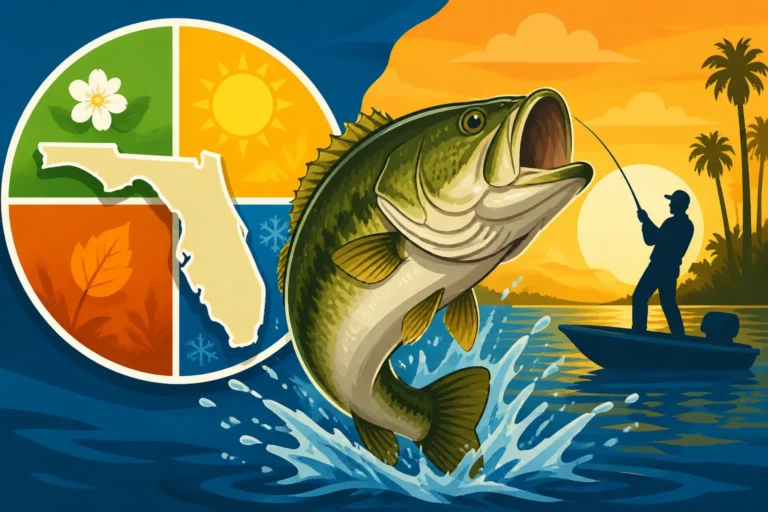
Once you've landed a few bluegill and maybe a catfish, you might be ready for the next level: the largemouth bass. Florida is world-famous for its trophy largemouth bass, but even the smaller ones offer a fantastic challenge for beginners. Bass are found in nearly every freshwater system, especially in areas with submerged structure like grass beds, lily pads, or fallen timber. While they can be more elusive than bluegill, they are still readily catchable with basic techniques.
For new anglers, targeting bass with live shiners or worms under a bobber is a highly effective and simple method. As you gain confidence, you can experiment with artificial lures like plastic worms, spinnerbaits, or topwater poppers. The bite of a bass is usually aggressive, and their fight is dynamic, often involving powerful runs and even aerial jumps. Catching your first bass is a memorable moment and a true testament to Florida's incredible freshwater fishing opportunities. For more in-depth tips, you can explore our Florida Largemouth Bass Fishing Guide.
Top Saltwater Fish for New Anglers
Florida's expansive coastline, bays, and estuaries offer an entirely different world of fishing opportunities. Getting started in saltwater can seem daunting with all the tides and different species, but there are definitely some forgiving fish out there. Make sure you understand the Florida Saltwater Fishing License Rules before you head out.
Spotted Seatrout: An Inshore Staple
Spotted seatrout are the quintessential beginner-friendly saltwater fish in Florida. They are abundant in shallow, grassy flats, around oyster bars, and in mangrove estuaries all along both the Gulf and Atlantic coasts. What makes them so appealing for new anglers? They are aggressive feeders, relatively easy to locate, and put up a fun, head-shaking fight without being overly powerful.
The most common and effective way to catch spotted seatrout for beginners is with a popping cork rig. This involves a floating cork that, when twitched, makes a "pop" sound that attracts trout. Below the cork, you attach a leader with a hook, usually baited with live shrimp or a small artificial shrimp imitation. Simply cast it out over a grass flat, let it sit for a few seconds, then give your rod a sharp twitch. That "pop" often triggers a strike! You can find pre-rigged popping corks and artificial baits on Amazon, making setup super simple. For more details, check out our Florida Spotted Seatrout Fishing Guide.
Mangrove Snapper: Feisty and Delicious
Mangrove snapper, often just called "mangos" by locals, are another fantastic option for new saltwater anglers. These opportunistic feeders are found throughout Florida's coastal waters, especially around structure like docks, piers, bridges, mangrove roots, rock piles, and artificial reefs. Their abundance and willingness to bite make them a go-to for many anglers, and they are absolutely delicious to eat.
To catch mangrove snapper, a simple bottom rig or a free-lined bait works wonders. A small to medium-sized hook, a bit of lead weight (just enough to get your bait down), and some live or cut bait is all you need. Live shrimp, small pilchards, cut pieces of sardine, or even squid will entice them. Cast near structure and let your bait sink. Their bite is often a quick, sharp tug, and they fight hard for their size, trying to pull back into their rocky or rooty homes. This teaches a beginner to react quickly and apply steady pressure.
Whiting (Pompano Family): The Surf Fishing Delight
If you're dreaming of fishing right off Florida's beautiful beaches, then whiting is your target. These small, bottom-dwelling fish are incredibly common in the surf zone of both coasts, making them accessible to anyone with a rod and a beach access point. They are not only fun to catch but are considered excellent table fare, often caught in good numbers.
For whiting, you'll need a slightly heavier setup than for trout or snapper, primarily because you're casting into the waves. A medium-heavy spinning rod (around 7-9 feet) and a surf-casting rig are ideal. A basic rig includes two dropper loops with small hooks (often Kahle hooks) and a pyramid sinker at the bottom to hold it in the sand. The best bait is usually a small piece of fresh shrimp, sand fleas (mole crabs), or even a small piece of cut fish. Cast out beyond the breaking waves, let your sinker dig in, and wait for that tell-tale twitch. This is an excellent way to experience Florida Inshore Fishing Techniques from a relaxed beach setting.
Gear Recommendations and Practical Tips for First-Timers
Getting started with fishing doesn't have to be complicated or expensive. Focusing on the right basic gear and learning a few simple tricks can make all the difference for your first few outings.
Essential Tackle Setup
For most of the beginner-friendly species mentioned, a versatile spinning rod and reel combo is your best friend. Look for a rod in the 6 to 7-foot range with a medium-light to medium action. Pair it with a 2500 or 3000 series spinning reel. This setup is light enough for panfish but strong enough to handle a decent bass or seatrout.
- Rod & Reel: A 6-7 foot medium-light to medium action spinning rod with a 2500-3000 size reel. Brands like Penn, Shimano, and Daiwa offer excellent entry-level combos. You can often find great deals on these starter kits online through retailers like Amazon.
- Line: Spool your reel with 10-15 pound monofilament or braided line. Monofilament is more forgiving for beginners due to its stretch.
- Hooks: A variety pack of small to medium-sized J-hooks or circle hooks (sizes #1 to 1/0 are a good start).
- Weights: A small assortment of split shot weights and some egg or pyramid sinkers (1/4 oz to 1 oz).
- Bobbers: A few slip bobbers and clip-on bobbers.
- Pliers & Clippers: Essential for cutting line and removing hooks safely.
- Cooler: To keep drinks, snacks, and any fish you plan to keep fresh.
For more detailed information on selecting the right gear, check out our guide on Best Rod and Reel Setup for Florida Inshore Fishing.
Bait and Lure Basics
Keeping your bait selection simple is key. For freshwater, live worms and crickets are universally effective and can be bought at almost any tackle shop or even gas station. For saltwater, live shrimp are king. They catch almost anything that swims and are available at every bait shop. For cut bait, pieces of frozen shrimp, squid, or sardine also work well.
As for lures, for freshwater bass, a simple plastic worm (Texas rigged) or a small spinnerbait is a good start. For saltwater trout, a soft plastic jig tail on a jig head or a small spoon can be very effective after you master live bait. Remember, sometimes the simplest presentations are the most effective. You don't need a tackle box overflowing with exotic lures; a few tried-and-true options will serve you well. Our article on Live Bait vs Artificial Lures for Florida Inshore Fishing can give you more perspective.
Crucial First-Time Angler Tips
- Get Your License: Unless you're fishing on a designated Florida Free Fishing Days or in an exempt scenario, you'll need a fishing license. You can usually purchase one quickly online through the Florida Fish and Wildlife Conservation Commission (FWC) website. Check out our Florida Fishing License Guide for all the details.
- Start Small: Don't go straight for the biggest, toughest fish. Build confidence with smaller, more cooperative species.
- Check Local Regulations: Even for beginner-friendly fish, there are usually size and bag limits. Always know the rules for the species you're targeting in your specific area. A quick search on the FWC website before you head out is always a good idea.
- Go During Peak Times: Fish are often more active during dawn and dusk, or during favorable tides for saltwater. Check the Best Time of Year to Fish in Florida and local tide charts.
- Be Patient: Fishing is called "fishing," not "catching" for a reason. There will be slow days. Enjoy the process, the scenery, and the peace of being outdoors.
- Safety First: Always tell someone where you're going. Bring water, sunscreen, bug spray, and a first-aid kit. Wear appropriate clothing and footwear.
- Practice Catch and Release: If you're not planning to eat your catch, learn how to properly handle and release fish to ensure their survival. Wet your hands before touching the fish, and handle them gently.
| Fish Species | Habitat (Primary) | Best Bait for Beginners | Recommended Tackle (Basic) | Fight Difficulty | Why it's Beginner-Friendly |
|---|---|---|---|---|---|
| Bluegill (Bream) | Freshwater (Ponds, lakes, canals) | Worms, crickets, bread | Light spinning rod/reel, small hook, bobber | Very Easy | Abundant, aggressive, found everywhere, simple tackle. |
| Catfish | Freshwater (Rivers, lakes, ponds) | Cut bait, worms, hot dogs | Medium spinning rod/reel, bottom rig, heavy sinker | Easy | Bottom feeder, strong bite, good fight, easy bait. |
| Largemouth Bass | Freshwater (Lakes, ponds, rivers) | Live shiners, worms, plastic worms | Medium spinning rod/reel, Texas rig or bobber | Moderate | Widespread, aggressive, fun fight, good learning curve. |
| Spotted Seatrout | Saltwater (Grassy flats, estuaries) | Live shrimp, artificial shrimp | Medium-light spinning rod/reel, popping cork rig | Easy | Abundant, aggressive, distinctive bite, good eating. |
| Mangrove Snapper | Saltwater (Docks, piers, structures) | Live shrimp, cut bait | Medium-light spinning rod/reel, bottom rig or free-line | Moderate | Common around structure, feisty, excellent eating. |
| Whiting | Saltwater (Surf zone, sandy bottoms) | Fresh shrimp, sand fleas | Medium-heavy surf rod/reel, surf rig, pyramid sinker | Easy | Accessible from beach, abundant, good eating, simple technique. |
Learning to fish in Florida is an incredible journey. By starting with these approachable species, you'll gain the confidence and skills to eventually tackle the state's more challenging and iconic fish. Tight lines, and happy fishing!
Disclaimer
This article is for general informational purposes only and does not constitute professional advice. Laws, prices and regulations vary by location and change over time. Consult a qualified professional for guidance on your specific situation.