Everglades Fishing Guide
The Everglades, often called the "River of Grass," is one of Florida's most iconic and mysterious natural treasures, but for many anglers, its sheer size and unique ecosystem can feel incredibly daunting. You might wonder where to even begin, what kind of fish lurk in its vast waters, or how to navigate its intricate network of freshwater sloughs and saltwater mangroves without getting lost. This comprehensive guide is here to untangle the complexities of Everglades fishing, giving you the insider knowledge to plan an unforgettable adventure in this wild, watery wonderland.
Understanding the Unique Everglades Ecosystem
Fishing in the Everglades isn't like fishing anywhere else. It's a vast, dynamic system where freshwater from the north slowly creeps south into the Gulf of Mexico, creating a mosaic of habitats. Understanding this unique environment is key to unlocking its fishing potential and appreciating the delicate balance of life that thrives here.
Freshwater vs. Saltwater Zones
The Everglades is a true anomaly, a place where you can catch a largemouth bass and a snook in the same stretch of water, sometimes even on the same cast! This unique characteristic is due to the gradual transition from freshwater to brackish and then full saltwater.
Imagine the northern parts, like the canals along Alligator Alley or Tamiami Trail, fed by runoff from central Florida. Here, you'll find classic freshwater species. Massive largemouth bass patrol the hydrilla beds, while the vibrant peacock bass, an introduced species, flashes in the sun. Sunfish, oscars, and even the prehistoric-looking alligator gar call these freshwater reaches home. As you move further south and west, towards areas like Everglades National Park's main road or the 10,000 Islands, the water starts to get a little salty. This brackish zone is where the magic happens, a true melting pot where species from both worlds converge. Redfish and snook might ambush baitfish alongside their freshwater cousins, creating an incredibly diverse fishery. Finally, venturing out into the Gulf side, the water becomes distinctly saline, offering opportunities for tarpon, snapper, and other marine species typically found in the open ocean. This gradient means you need to be prepared for anything when you head out.
The Importance of the Flow and Water Levels
The lifeblood of the Everglades is its water, and its flow and levels dictate everything from fish behavior to accessibility. Historically, the "River of Grass" flowed freely from Lake Okeechobee all the way to Florida Bay, but human development has significantly altered this natural hydrology, leading to complex management strategies.
Periods of high water, often occurring during the rainy summer months, can spread fish out across vast areas, making them harder to locate. Water might spill over canal banks and spread into the sawgrass prairies, allowing fish to forage in new zones. Low water conditions, more common in the dry winter, can concentrate fish in deeper channels, canals, and sloughs, making them easier to target. However, extremely low water can also stress fish and limit boat access to certain areas. The flow itself, driven by rainfall and managed releases, also plays a crucial role. Moving water often stimulates feeding activity, especially for predatory fish like snook and tarpon. Understanding the current conditions, which you can often find through local Everglades National Park ranger stations or the South Florida Water Management District, is paramount to a successful fishing trip. This dynamic interplay of water levels and flow means that what works one week might not the next, requiring anglers to be adaptable and observant.
Top Fishing Spots in the Everglades
The sheer size of the Everglades can be overwhelming when you're trying to pick a fishing spot. It's not a place you just randomly drop a line; knowing the key access points and their distinct characteristics is crucial for a productive and safe trip.
Everglades National Park Access Points
Entering the vastness of Everglades National Park opens up some truly spectacular, and often remote, fishing opportunities. These spots offer a taste of untouched wilderness.
One of the most popular and accessible points is Flamingo, located at the very southern tip of the park. From here, you can launch a boat into Florida Bay for saltwater species like tarpon, redfish, snook, and even permit, or explore the maze of brackish creeks and backcountry ponds. The fishing near Flamingo is legendary, but it requires patience and often a good guide to navigate the shallow flats and intricate mangrove estuaries. Another prime location is the Gulf Coast Visitor Center near Everglades City and Chokoloskee. This gateway to the 10,000 Islands is a labyrinth of mangrove islands, oyster bars, and shallow bays, perfect for targeting snook and redfish. Anglers often fish the numerous passes and creeks that funnel baitfish in and out with the tides. Access from these points often means committing to a full day on the water, bringing plenty of supplies, and being mindful of the weather, as help can be a long way off. It's wilderness fishing at its finest, offering isolation and incredible scenery, but also demanding a certain level of self-sufficiency. For those specifically looking to explore the southern reaches, finding a reputable Flamingo Everglades Fishing Guide can significantly enhance your experience.
Fringe Areas and Canals
Beyond the designated park boundaries, the Everglades' fringe areas and an extensive network of canals offer excellent and often more accessible fishing, particularly for freshwater species.
The canals that parallel major roads like Alligator Alley (I-75) and Tamiami Trail (US-41) are incredibly popular and productive. These man-made waterways cut through the sawgrass, providing deeper water and shelter for a variety of fish. They are easily accessible from numerous roadside pullovers and boat ramps. Along Alligator Alley, anglers can target impressive largemouth bass and the hard-fighting peacock bass. The culverts and bridges where water flows between canals are often prime ambush points for these predators. Similarly, the canals along Tamiami Trail offer fantastic opportunities for both largemouth and peacock bass, as well as a mix of other freshwater panfish and even the occasional snook or tarpon pushing far upriver during certain times of the year. Some of these canals, like those near Big Cypress National Preserve, offer stunning scenery alongside the fishing. Just remember that while these spots are more accessible, they can still feel wild, and you're sharing the space with plenty of wildlife, including alligators and various wading birds. Always be aware of your surroundings and respect the natural habitat.
Key Fish Species You'll Encounter
The Everglades is a biological melting pot, home to an incredible array of fish species that thrive in its diverse freshwater, brackish, and saltwater environments. Knowing what you're likely to target helps you prepare with the right gear and techniques.
Freshwater Targets
Even though Florida is famous for its saltwater fishing, the Everglades' freshwater zones offer some truly world-class angling, especially for bass enthusiasts.
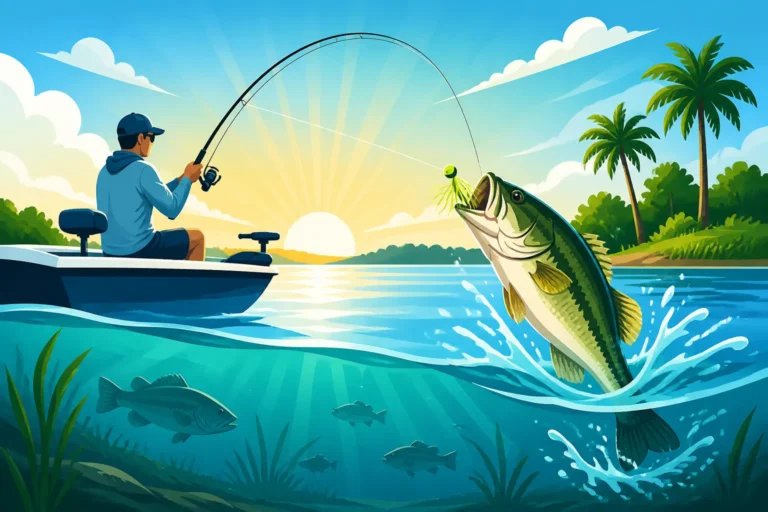
The largemouth bass is king in the freshwater canals and sloughs of the Everglades. These feisty fish grow large and strong here, feasting on the abundant baitfish, frogs, and insects. Anglers targeting Florida Largemouth Bass Fishing Guide often use artificial lures like plastic worms, spinnerbaits, and topwater frogs, especially around lily pads, hydrilla mats, and submerged structures. Picture yourself casting a topwater frog deep into a pocket of thick grass, and suddenly, the water explodes as a monster bass ambushes your lure – it's an experience unlike any other. Another superstar of the freshwater Everglades is the peacock bass. Introduced from South America, these stunning, aggressive predators have found a perfect home in the warm canal systems, particularly around Miami-Dade and Broward counties. Peacock bass are incredibly strong fighters, known for their powerful runs and vibrant colors. Live shiners are a surefire bet, but they'll readily strike artificial lures like jerkbaits, poppers, and small swimbaits. Catching a peacock bass against the backdrop of the Everglades is an unforgettable thrill, a testament to Florida's incredibly diverse fishery.
Saltwater/Brackish Targets
As you move through the Everglades towards the coast, the water shifts, and with it, the target species. The brackish and saltwater zones are legendary for some of Florida's most sought-after game fish.
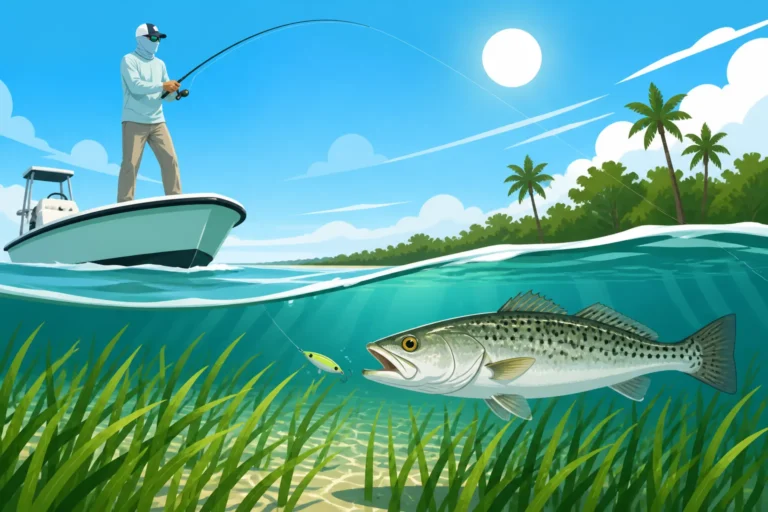
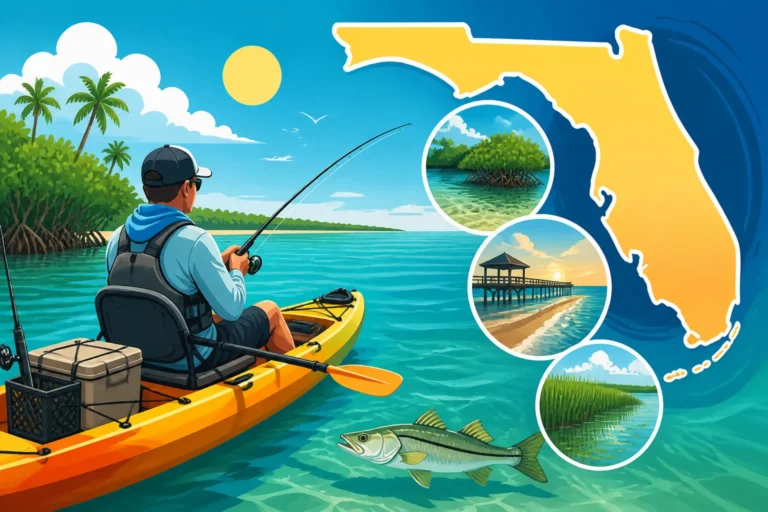
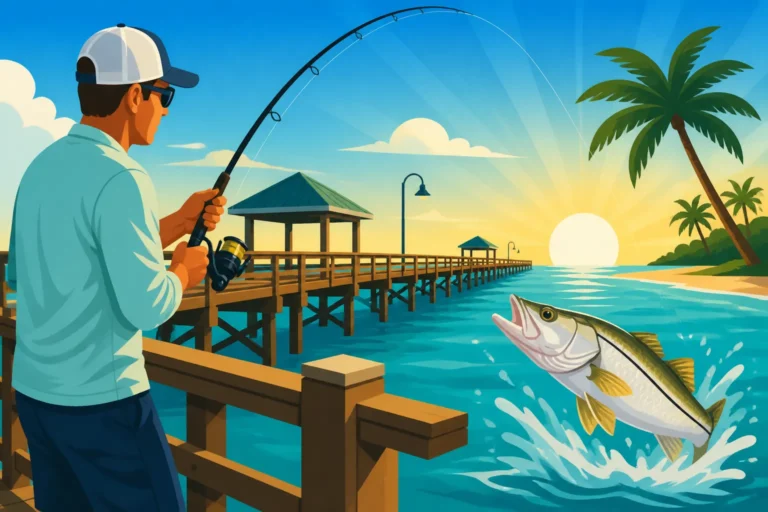
Snook are perhaps the most iconic brackish water species in the Everglades, known for their explosive strikes and powerful fights. They thrive in the mangrove estuaries, creek mouths, and deeper channels, ambushing baitfish that pass by. Anglers often target Florida Snook Fishing Guide with live pilchards or mullet, or artificial lures like soft plastic paddletails and jerkbaits worked along mangrove lines or current eddies. Imagine making a perfect cast deep into a shadowy mangrove tunnel, a quick twitch of your lure, and suddenly your line goes taut as a massive snook tries to pull you into the brush – it's a heart-pounding moment every time. Redfish, with their distinctive spot near the tail, are another highly prized catch. They patrol the shallow grass flats and oyster bars, rooting around for crabs and shrimp. Cut bait, live shrimp, or artificial spoons and soft plastics are all excellent choices for these powerful fish. You might be poling quietly across a flat, sight-casting to a "tailing" redfish as it feeds in inches of water, a true test of casting skill and stealth. And, of course, there's the legendary tarpon. While more prevalent in the purely saltwater sections of Florida Bay and the Gulf, juvenile tarpon can be found pushing surprisingly far into the brackish backcountry creeks and even some freshwater canals. These "silver kings" are aerial acrobats, putting on a spectacular show once hooked. Targeting Florida Tarpon Fishing Guide requires heavy tackle and a strong will, as landing one of these magnificent fish is a true angling achievement.
Unique Bycatch and Other Species
While bass, snook, redfish, and tarpon are the main draws, the Everglades' unique environment means you're always in for a surprise. You never quite know what might grab your hook next.
Beyond the primary game fish, the freshwater canals and sloughs of the Everglades are home to a fascinating array of other species. You might encounter numerous panfish like bluegill and warmouth, perfect for a lighter tackle. The colorful Mayan cichlids, another introduced species, are abundant and provide a fun fight on ultralight gear. They're often found in the same areas as peacock bass and readily hit small jigs or live worms. Then there's the mighty alligator gar, a true relic of a bygone era. These massive, prehistoric-looking fish can reach incredible sizes and offer an unparalleled fight. While not typically targeted by many recreational anglers, hooking into one accidentally is an experience you won't soon forget. In the brackish zones, you might also find black drum, sheepshead, and various species of snapper. The sheer diversity means that even when the bite is slow for your target species, there's usually something else willing to play. Just remember to be aware of all local Florida Fishing Regulations and Bag Limits for whatever species you might encounter, as rules can vary widely, especially between freshwater and saltwater.
| Species | Preferred Habitat | Typical Baits/Lures | Fight Style | Notes |
|---|---|---|---|---|
| Largemouth Bass | Freshwater canals, sloughs, hydrilla | Plastic worms, spinnerbaits, topwater frogs, live shiners | Powerful runs, head shakes | Aggressive, often in cover |
| Peacock Bass | Freshwater canals, structure | Live shiners, jerkbaits, topwater poppers | Extremely strong, fast, acrobatic | Vibrant colors, sun-loving |
| Snook | Mangrove estuaries, creek mouths, deep channels | Live pilchards/mullet, paddletails, jerkbaits | Explosive strike, powerful runs, jumps | Require careful handling, regulated season |
| Redfish | Shallow grass flats, oyster bars, creek mouths | Live/cut shrimp, crabs, spoons, soft plastics | Strong pulls, good fighting endurance | Bottom feeders, tailing behavior common |
| Tarpon | Florida Bay, Gulf passes, brackish creeks | Live mullet/crabs, large flies, swimbaits | Incredible jumps, long runs, very powerful | "Silver King," catch & release usually |
Essential Fishing Techniques for the Everglades
Successfully fishing the Everglades requires a nuanced approach, blending traditional methods with techniques tailored to its unique environment. It's not just about what you use, but how you use it and how you move through the landscape.
Casting and Live Bait Strategies
Whether you're after freshwater bass or saltwater snook, precise casting and the right bait can make all the difference in the Everglades. These techniques are often the bread and butter of any successful trip.
For freshwater fishing in the canals, particularly for largemouth bass and peacock bass, accuracy is paramount. You'll often be targeting specific pieces of structure like culverts, bridge pilings, fallen logs, or the edges of dense vegetation. Casting a Texas-rigged plastic worm or a weedless frog right into a small opening in the lily pads requires practice but yields big rewards. When bass are actively feeding, topwater lures can be incredibly exciting, drawing explosive strikes from beneath the surface. For peacock bass, live shiners are incredibly effective. Hooked through the lips and free-lined or fished under a small float, they are often irresistible. Just imagine watching a shiner dart erratically before being swallowed whole by a brightly colored peacock! When transitioning to the brackish and saltwater zones for snook and redfish, live bait like pilchards, mullet, or shrimp are hard to beat. Free-lining a lively pilchard near a mangrove island or a rocky point during an outgoing tide can be deadly for snook. For redfish on the flats, a live shrimp fished under a popping cork or a piece of cut bait on the bottom often works wonders. Presentation is key; you want your bait to appear as natural as possible, mimicking a wounded or disoriented prey item to trigger that predatory instinct. For more detailed insights into specific bass tactics, our Florida Bass Fishing Techniques guide can offer additional tips.
Fly Fishing in the Glades
The Everglades offers some of the most challenging and rewarding fly fishing opportunities in the world, attracting passionate anglers seeking a true wilderness experience. It's a game of patience, stealth, and precision.
Fly fishing in the Glades primarily focuses on the shallow saltwater and brackish flats for species like snook, redfish, and tarpon, but it can also be incredibly effective for freshwater peacock bass in the canals. The thrill of sight fishing – spotting a fish, making a perfect cast, and watching it eat your fly – is what draws many to this method. For redfish and snook on the flats, a 7- to 9-weight fly rod is generally sufficient. You'll want to use flies that imitate shrimp, crabs, or small baitfish. Presentation is everything; a poorly placed cast can spook the fish instantly. Often, you'll be poling slowly across a flat with a guide, searching for subtle signs of fish like wakes, tailing, or dark shapes against the bottom. When targeting juvenile tarpon in the backcountry, a 9- to 11-weight rod is more appropriate, paired with flies like Toads or Gurglers that mimic small baitfish. The fight from a tarpon on a fly rod is legendary, full of acrobatic jumps and powerful runs that will test your tackle and your stamina. Fly fishing for peacock bass in the canals is also gaining popularity, with anglers using 6- to 8-weight rods and brightly colored poppers or streamers. Regardless of the target, fly fishing in the Everglades is an immersive experience that connects you deeply with the environment.
Navigating and Poling the Flats
Much of the best fishing in the Everglades, especially for redfish, snook, and tarpon, occurs in incredibly shallow water, making traditional motoring challenging or impossible. This is where specialized navigation and poling techniques come into play.
Many guides operate shallow-drafting skiffs, often called "flats boats," specifically designed for this environment. These boats allow you to access areas that would be unreachable in a conventional boat. Once in the shallows, the engine is tilted up, and the boat is propelled silently by a poling platform. The guide stands high on a platform at the stern, using a long pole to push the boat quietly across the flats. This stealthy approach is crucial for not spooking wary fish. Poling allows for slow, controlled movement and gives the guide an elevated vantage point to spot fish before they see you. As an angler, you'll often be positioned on a casting platform at the bow, ready to cast at targets the guide spots. This technique requires excellent teamwork between angler and guide. The guide needs to position the boat effectively, accounting for wind and current, while the angler needs to be ready to cast quickly and accurately at moving targets. It's a peaceful, almost meditative way to fish, broken only by the sudden splash of a striking fish or the excited whisper of your guide pointing out a tailing redfish. Learning to read the water, spot subtle movements, and cast quickly are all part of the invaluable experience of poling the Everglades flats.
Planning Your Everglades Fishing Trip
A successful Everglades fishing trip requires more than just knowing where the fish are; it demands careful planning, from understanding the best seasons to gathering the right gear and, for many, choosing an experienced guide.
Choosing the Right Time of Year
The Everglades is a year-round fishery, but the "best" time to visit really depends on what you want to catch and what kind of weather you prefer. Florida's seasons directly impact water levels, fish behavior, and your comfort.
The prime fishing season in the Everglades generally runs from roughly November through May. During these cooler, drier months, water levels tend to drop, concentrating fish in deeper canals, creeks, and sloughs, making them easier to locate. The weather is also much more pleasant, with lower humidity and fewer biting insects. This is an excellent time for sight fishing on the flats for redfish, snook, and tarpon, as well as targeting largemouth and peacock bass in the freshwater canals. The winter cold fronts can temporarily slow the bite, but usually, the fish become active again quickly as temperatures rise. On the flip side, the summer months (June-October) bring higher water levels, more humidity, and significant insect activity, particularly mosquitoes and no-see-ums. While challenging, summer fishing can be incredibly productive, especially for tarpon and snook, which thrive in the warm waters. Bass fishing can also be hot, particularly in the early mornings and late evenings. However, afternoon thunderstorms are a daily occurrence, so flexibility and vigilance are key. For a general overview of seasonal patterns across the state, check out our guide on the Best Time of Year to Fish in Florida. Ultimately, your preference for weather and target species will guide your decision on when to plan your Everglades adventure.
Gear and Equipment Recommendations
Given the diverse environments of the Everglades, your gear setup needs to be versatile, durable, and appropriate for the challenges you'll face. Being under-gunned can quickly lead to frustration in this wild setting.
For freshwater pursuits, particularly bass, a medium-heavy spinning or baitcasting rod in the 7-foot range, paired with a reel spooled with 15-30 lb braided line, is a good all-around setup. Bring a selection of soft plastics, spinnerbaits, topwater lures, and a few jerkbaits. For live bait, a small tackle box with hooks, swivels, and weights is essential. When venturing into the brackish and saltwater realms, you'll need to step up your gear. A medium-heavy to heavy spinning rod (7-foot, 6-inch to 8-foot) with a strong, corrosion-resistant reel spooled with 30-50 lb braided line and a fluorocarbon leader (30-60 lb test) is ideal for snook, redfish, and smaller tarpon. Carry a variety of soft plastic jigs, topwater plugs, and perhaps some weedless spoons. If targeting larger tarpon, you'll need even heavier gear, often a 6000-8000 series reel with 60-80 lb braid. Beyond rods and reels, essential items include polarized sunglasses (critical for spotting fish), a wide-brimmed hat, plenty of sunscreen, insect repellent (a non-negotiable for the Everglades!), plenty of water, and a cooler with snacks. A good pair of pliers, a hook remover, and a camera to capture your catches are also must-haves. For fly anglers, multiple rods covering 7- to 11-weights will give you the versatility to target different species.
Hiring an Everglades Fishing Guide
While it's possible to explore parts of the Everglades on your own, hiring an experienced guide is highly recommended, especially for first-timers, to unlock its full potential and ensure a safe, productive trip.
An Everglades fishing guide brings invaluable local knowledge, honed over years, often decades, of navigating these complex waters. They know the current conditions, where the fish are biting, and how to safely navigate the shallow flats and intricate creek systems. Trying to navigate on your own can lead to getting lost, running aground, or missing the best fishing entirely. A good guide will also provide all the necessary specialized equipment, from the shallow-drafting skiff to rods, reels, and bait, taking the guesswork out of gear selection. They'll also be up-to-date on all the current Florida Fishing Regulations and Bag Limits and ensure you're fishing legally. Perhaps most importantly, a guide can teach you specific techniques tailored to the Everglades, helping you improve your skills and increasing your chances of success. They can spot fish that you'd easily overlook, teach you how to present a lure effectively, and offer insights into the ecosystem. When looking for a guide, consider using platforms like FishingBooker, where you can read reviews, compare different captains and their specialties, and book with confidence. FishingBooker makes it easy to find a guide who specializes in specific species or areas, whether you're looking for a backcountry snook trip or a freshwater bass adventure. For detailed advice on how to select the right professional, our guide on How to Choose a Florida Fishing Guide offers excellent tips. A good guide isn't just a captain; they're an educator, a navigator, and a passionate advocate for the Everglades, ensuring you have an unforgettable and ethical fishing experience.
Regulations and Conservation in the Everglades
Fishing in the Everglades comes with a responsibility to understand and adhere to local regulations and conservation practices. This unique ecosystem is protected, and responsible angling ensures its health for future generations.
Florida Fishing License Requirements
Before you even wet a line in the Everglades, you need to make sure you have the proper fishing license. Florida has specific requirements that apply across its diverse waterways.
Anyone 16 years of age or older needs a valid Florida fishing license to fish in the Everglades, unless they meet specific exemption criteria (like fishing on a for-hire charter boat where the vessel covers the license, or during Florida's free fishing days). Given the mix of freshwater and saltwater in the Everglades, you'll often need a combination freshwater/saltwater license, or separate licenses depending on where you plan to fish. For example, if you're targeting largemouth bass in the canals along Tamiami Trail, a Florida Freshwater Fishing License Rules applies. However, if you're heading out from Flamingo into Florida Bay for snook and redfish, you'll definitely need a Florida Saltwater Fishing License Rules. The most straightforward option for most anglers exploring the Everglades is usually a Florida Resident Annual Fishing License Cost or a combination license that covers both environments. Non-residents also need to purchase the appropriate licenses, which are available for various durations. You can easily purchase your license online through the Florida Fish and Wildlife Conservation Commission (FWC) website, at a local tackle shop, or through the GoOutdoors Florida app. Make sure to have it on your person, either physically or digitally, as FWC officers regularly patrol the Everglades. Our comprehensive Florida Fishing License Guide provides all the details you need to ensure you're covered.
Special Park Rules and Limits
Beyond the statewide fishing regulations, Everglades National Park has its own set of rules and special limits that anglers must be aware of. These are designed to protect the park's delicate ecosystem and its iconic wildlife.
Everglades National Park is a federally managed area, and as such, it has specific regulations that can differ from standard state rules. For instance, certain areas might be designated as "no-motor zones" or "idle speed only," requiring anglers to pole or paddle to minimize disturbance. There might also be specific rules regarding bait, gear types, and even types of vessels allowed in certain zones. For example, some sensitive areas might prohibit live bait or require the use of artificial lures only to prevent the introduction of non-native species. Furthermore, bag limits and size restrictions for certain species within the park might sometimes be more stringent than statewide regulations, so always double-check the current FWC and National Park Service rules before your trip. It's crucial to consult the official Everglades National Park website or visit a park ranger station for the most up-to-date information. Ignorance of the rules is not an excuse, and violations can result in hefty fines and penalties. Remember, the goal is to enjoy the fishing while preserving the park's unique natural beauty for everyone.
Practicing Catch and Release and Ethical Angling
The Everglades is a fragile environment, and practicing ethical angling, especially catch and release, is vital for maintaining its health and ensuring sustainable fishing for generations to come.
Many anglers who visit the Everglades, particularly those targeting prized species like snook and tarpon, choose to practice catch and release exclusively. Even if a fish is within the legal slot limit, releasing it allows it to reproduce and contribute to the population. When practicing catch and release, handle fish minimally and with wet hands to protect their slime coat, which is their primary defense against disease. Use circle hooks when fishing with live or cut bait to minimize gut hooking, making it easier to release the fish unharmed. Always have pliers or a dehooking tool readily available to quickly remove hooks. For larger fish, like tarpon, try to keep them in the water as much as possible for photos and release. Avoid dragging fish onto dry land or holding them vertically by the jaw, which can cause internal damage. Beyond catch and release, ethical angling also means respecting the environment itself. Pack out everything you pack in, including all trash, fishing line, and old lures. Avoid disturbing wildlife, especially nesting birds or alligators, and adhere to all "no wake" or "idle speed" zones. The health of the Everglades fishery depends on every angler's commitment to responsible and respectful practices.
Challenges and Rewards of Everglades Fishing
Fishing the Everglades is not always easy; it presents unique challenges that test an angler's skill and resilience. However, for those willing to embrace the wild, the rewards are truly unparalleled.
Dealing with Weather and Wildlife
The Everglades is a wild place, and Mother Nature holds sway here. Being prepared for its unpredictable elements and sharing the space with its diverse inhabitants is part of the adventure.
Florida weather, especially in the Everglades, can change on a dime. Sunny skies can quickly give way to sudden, intense thunderstorms, particularly during the summer months. Always keep an eye on the forecast, but also be prepared for the unexpected. Bring rain gear, even on clear days. The heat and humidity, especially from late spring through early fall, can be intense, so staying hydrated is crucial. Drink plenty of water and wear light, breathable clothing. And then there are the insects. Mosquitoes and no-see-ums can be relentless, especially in the early morning and late evening, and around still water. Strong insect repellent, long sleeves, and pants are highly recommended to avoid turning your trip into a scratching spree. Beyond the weather and bugs, you're sharing the Everglades with its famous residents: alligators, crocodiles, snakes, and various wading birds. While generally not aggressive towards humans, it's essential to respect their space. Never feed alligators or approach them closely. Be aware of your surroundings, especially when wading or retrieving a snagged lure. These encounters are a reminder that you're in their home, and they add to the thrilling, untamed character of the Everglades fishing experience.
The Unforgettable Experience
Despite the challenges, fishing in the Everglades offers an experience that transcends mere sport; it's an immersion into one of America's last true wildernesses, leaving you with memories that will last a lifetime.
Imagine gliding silently through mangrove tunnels, the only sounds being the gentle splash of your pole, the distant cry of an osprey, or the rustle of an unseen creature in the sawgrass. You might spot a roseate spoonbill feeding in the shallows, a bald eagle soaring overhead, or an alligator sunning itself on a bank. Every turn of a creek brings a new vista, a new opportunity. The diversity of the fishing itself, with the chance to catch both freshwater and saltwater species in a single day, is a rarity. The explosive strike of a snook from beneath a mangrove root, the powerful run of a largemouth bass, or the acrobatic leaps of a tarpon against a backdrop of endless sky and water are moments of pure adrenaline and joy. It's a place where you can truly disconnect from the modern world and reconnect with nature. The sheer beauty, the incredible wildlife, and the thrill of the catch combine to create an adventure that is both challenging and profoundly rewarding. Whether you're a seasoned angler or a curious beginner, a trip to fish the Everglades is more than just a fishing trip; it's an unforgettable journey into the heart of Florida's wild side.
Disclaimer
The information provided in this guide is for general informational purposes only. Fishing regulations, seasons, and conditions can change rapidly. Always consult the official Florida Fish and Wildlife Conservation Commission (FWC) website and Everglades National Park resources for the most current and accurate information before planning your trip. Fishing inherently carries risks, and anglers should always prioritize safety and environmental responsibility.