Homosassa, Florida Fishing Guide
Picture this: you've heard whispers of a place where the water runs so clear you can see fish darting among the seagrass, a place teeming with trophy snook, elusive tarpon, and feisty redfish. You're dreaming of Homosassa, Florida, but figuring out where to start, what to catch, and how to navigate the local nuances can feel overwhelming. This comprehensive guide is here to cut through the confusion, offering a deep dive into everything you need to know to make your Homosassa fishing dreams a reality, from species to seasons, and licenses to local lore.
Why Homosassa is a Fishing Paradise
Homosassa, nestled on Florida's "Nature Coast," isn't just another fishing town; it's a unique ecological gem where freshwater springs meet the Gulf of Mexico, creating an incredibly diverse and productive fishery. Anglers come from all over for its untouched beauty and unparalleled opportunities to tangle with some of Florida's most sought-after species. It's truly a place that captures the heart of any passionate fisher.
The Crystal Clear Waters and Springs
One of the defining features of Homosassa is its stunningly clear water, a direct result of the numerous freshwater springs that bubble up from the aquifer. The most famous, Homosassa Springs, discharges millions of gallons of crystal-clear water daily, creating a unique environment. This infusion of cool, clean water directly influences the fish behavior, especially during colder months when many species seek refuge in the warmer spring-fed canals and rivers. You can often sight-fish in waters that would be murky elsewhere, which adds an exciting visual dimension to the angling experience. Imagine spotting a large snook cruising a grass flat before you even cast! This clarity also means the fish can be a bit warier, making your presentation and stealth even more critical.
Beyond the famous springs, the entire river system, including the Homosassa River, is fed by these subterranean flows. This makes for excellent visibility in many of the inshore fishing areas, a stark contrast to some of the tannic or muddy waters found in other parts of Florida. The confluence of fresh and saltwater creates unique brackish zones where species like snook and redfish thrive, often alongside freshwater species further upstream. This intricate hydrological system is a huge part of what makes Homosassa so special and productive for anglers who know how to read the water.
Diverse Habitats: Flats, Mangroves, and Gulf Access
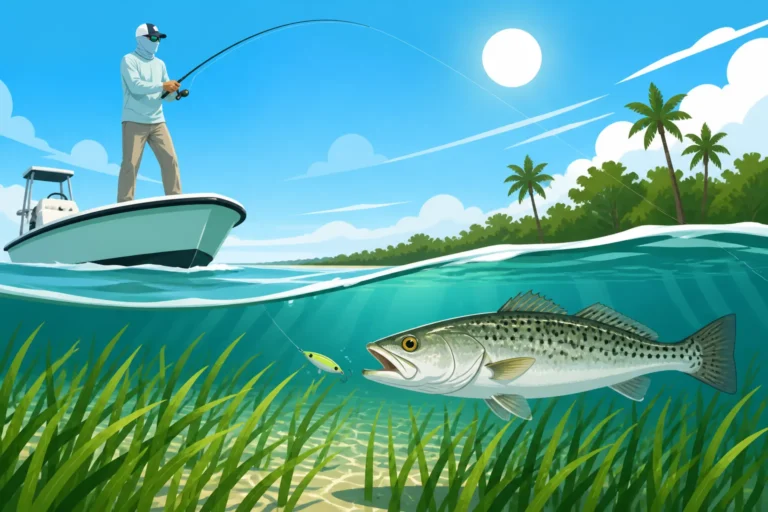
Homosassa offers an incredible variety of habitats packed into a relatively small area, providing anglers with endless options regardless of the season or target species. Just offshore, vast expanses of lush seagrass flats dominate the landscape. These shallow-water ecosystems are nurseries and feeding grounds for a myriad of baitfish and crustaceans, which in turn attract predators like redfish, speckled trout, and snook. Poling a flats boat or quietly kayaking through these areas, searching for tell-tale signs of feeding fish, is a quintessential Homosassa experience. The clarity of the water on these flats allows for exciting sight-fishing opportunities, demanding precise casts and stealthy approaches.
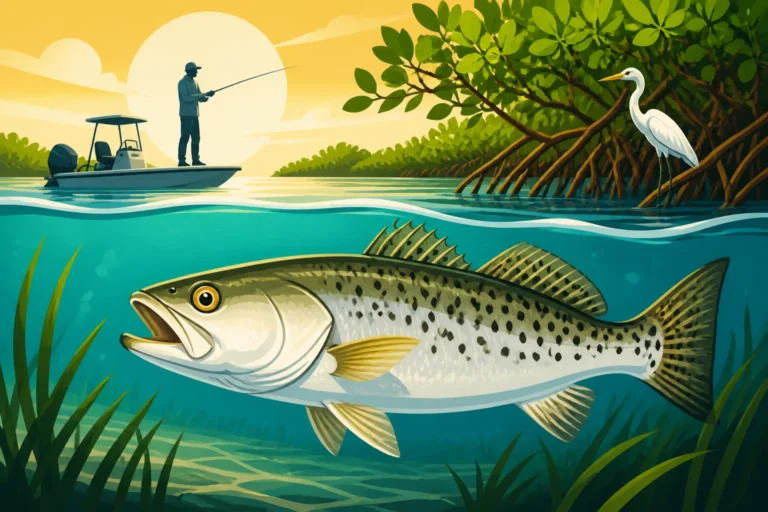
Further inland, the intricate network of mangrove shorelines, tidal creeks, and oyster bars provides crucial cover and ambush points for predatory fish. These tangled roots and submerged structures are prime real estate for larger snook and redfish, offering protection from predators and a bounty of food. Working artificial lures or live bait tight to these mangroves can yield explosive strikes. Additionally, Homosassa's direct access to the Gulf of Mexico means that offshore and nearshore opportunities are just a short boat ride away. Anglers can venture out to target species like grouper, snapper, and even king mackerel, depending on the season, adding another layer of fishing diversity to this already rich environment. The ease of transitioning from shallow flats to deeper Gulf waters within the same trip is a huge draw for many anglers.
Top Fish Species to Target in Homosassa
When you drop a line in Homosassa, you're entering a realm where some of Florida's most iconic game fish thrive. Whether you prefer the subtle art of stalking shallow-water predators or the raw power of offshore brawlers, Homosassa delivers. The diversity of the ecosystem supports a wide array of species, making every trip a potential adventure.
Inshore Delights: Snook, Redfish, and Trout
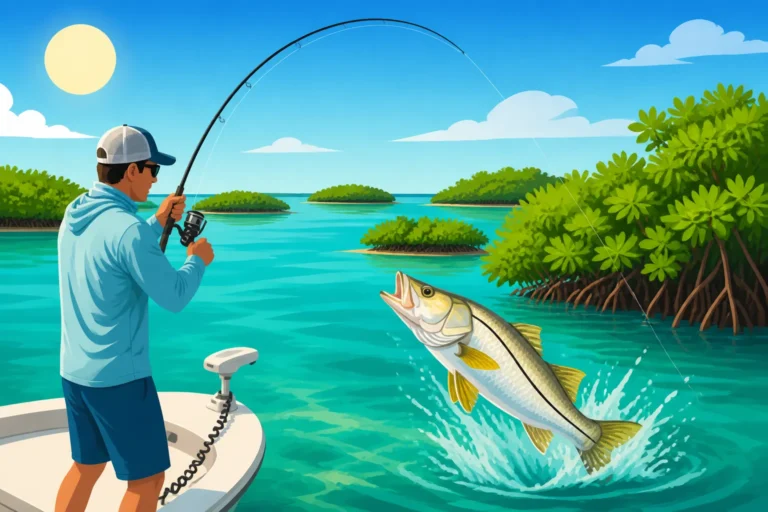
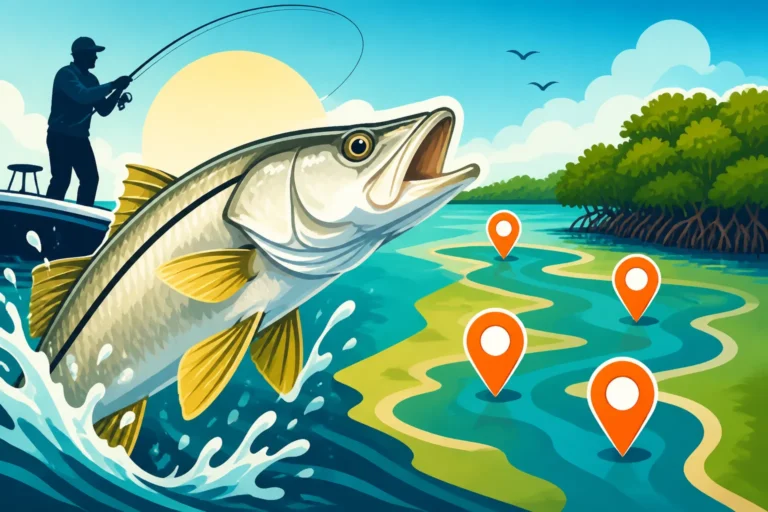
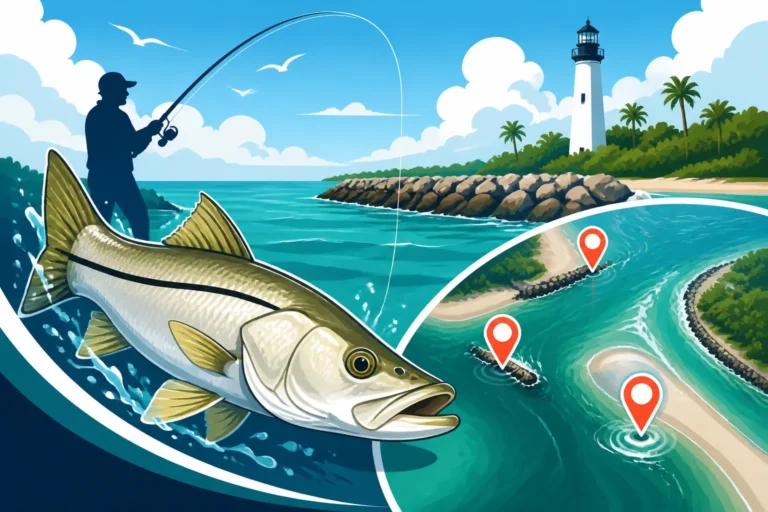
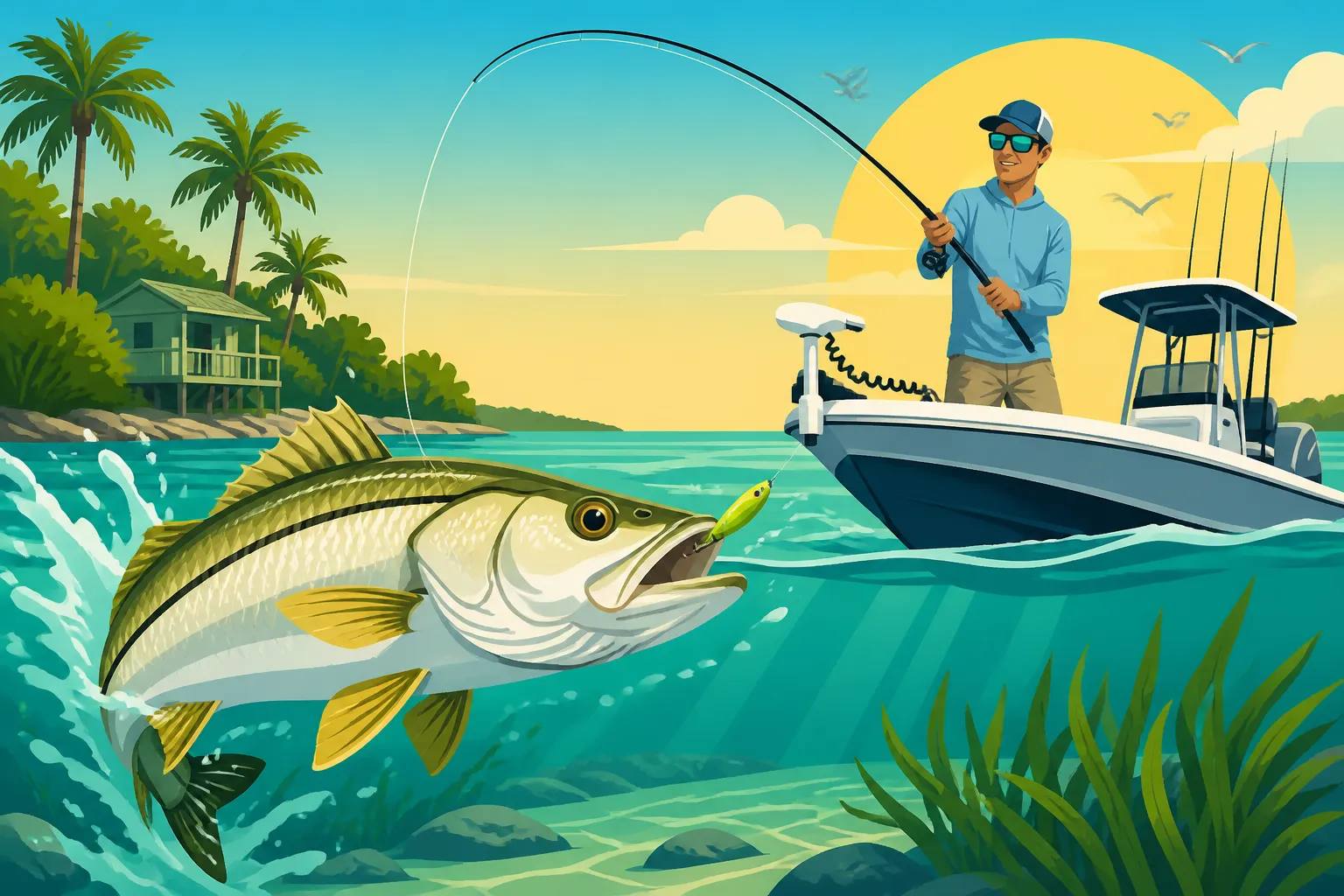
The inshore waters of Homosassa are famous for their "Big Three": snook, redfish, and spotted seatrout. These species are not only abundant but also offer fantastic sport on light tackle. Anglers regularly target them on the extensive grass flats, around the mangrove islands, and within the tidal creeks. Snook are particularly celebrated for their aggressive strikes and powerful fights. In Homosassa, you'll find them lurking in ambush points along mangrove edges, under docks, and often around the warmer spring outflows during cooler weather. Remember, these powerful fish have specific Florida Snook Fishing Guide seasons and slot limits, so always check the latest regulations from the Florida Fish and Wildlife Conservation Commission (FWC) before heading out.
Redfish, easily identified by their distinctive tail spot, are another inshore favorite. They cruise the shallow grass flats and oyster bars, often "tailing" as they feed on the bottom. Spotting a school of redfish with their tails breaking the surface is an exciting sight, promising an exhilarating chase. They readily strike a variety of baits and lures and provide a strong, determined fight. Similarly, speckled trout (or spotted seatrout) are plentiful on the vast seagrass beds. While perhaps not as hard-fighting as snook or redfish, trout offer consistent action and are excellent table fare. They often congregate in large schools, making it possible to catch several in one spot. Using a popping cork with a live shrimp or soft plastic can be incredibly effective for these beautiful fish, especially in the clearer waters of Homosassa. For more on these popular species, be sure to read our detailed guide on Florida Redfish Fishing Guide and Florida Spotted Seatrout Fishing Guide.
The Migratory Powerhouse: Tarpon
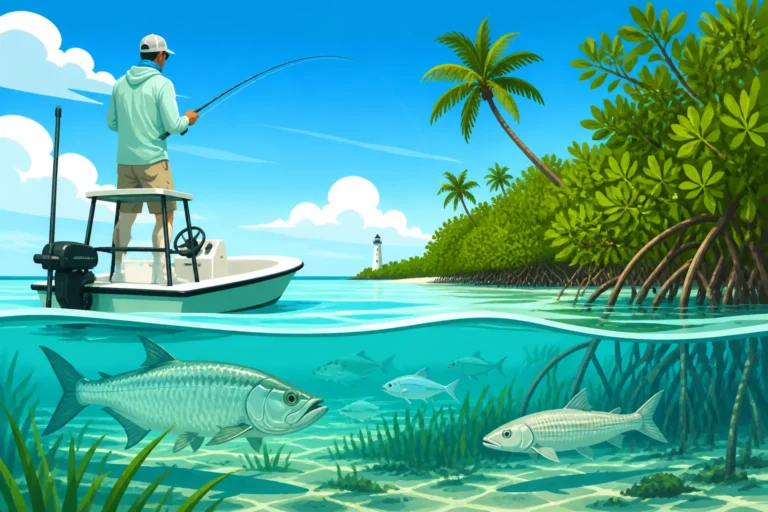
While the inshore trio provides year-round action, Homosassa truly shines as a world-class destination for tarpon, especially during their spring and early summer migration. These magnificent "Silver Kings" converge on the shallow coastal waters, offering anglers the chance to hook into a true giant. Homosassa is particularly renowned for its gin-clear shallow flats, which allow for incredible sight-fishing opportunities. Imagine poling silently across the flats, spotting a daisy chain of massive tarpon, and making a precise cast with a fly or artificial lure. The adrenaline rush of a tarpon strike, followed by their spectacular aerial displays, is an experience that keeps anglers coming back year after year.
The prime window for tarpon in Homosassa typically runs from April through July, with May and June often being the peak. During this time, the calm, clear waters provide ideal conditions for spotting these migratory giants. While they are a challenging species to hook and land, the rewards are immense. Tarpon are strictly catch-and-release in Florida, so responsible handling is paramount to ensure these incredible fish can continue their journey. Many anglers consider a Homosassa tarpon on the fly to be the pinnacle of their fishing career. If you're planning a trip around these majestic fish, checking out the Florida Tarpon Fishing Season Guide will give you valuable insights into their patterns and regulations.
Gulf Species: Grouper and Snapper Opportunities
Beyond the shallow inshore waters, Homosassa offers fantastic access to the Gulf of Mexico, opening up opportunities for offshore species. The nearshore reefs, rock piles, and artificial structures are home to various species of grouper and snapper, providing a different kind of angling challenge. Gag grouper are a popular target, known for their powerful initial run and tendency to try and "rock" anglers by diving into structure. Red grouper, while typically found in slightly deeper waters, also provide excellent sport and are a highly prized eating fish. Bottom fishing with live or cut bait is the most common technique for these species, requiring stout tackle and quick reflexes to get them away from their rocky lairs.
Various snapper species, including mangrove snapper, lane snapper, and sometimes even red snapper (during their highly regulated season), can also be found on these Gulf structures. Mangrove snapper are particularly abundant and offer consistent action, even on lighter tackle. They are keen biters and make for delicious table fare. While red snapper season in the Gulf is notoriously short and changes annually, Homosassa's proximity to federal waters means that when the season is open, charter boats often make the run to target these highly prized fish. It’s crucial to be aware of the specific Florida Grouper Fishing Guide and Florida Red Snapper Fishing Guide regulations, as bag limits, size limits, and seasons can vary significantly for these offshore species and are subject to change by the FWC.
Best Fishing Seasons and Times to Visit
Florida's weather is famous for its sunshine, but even the "Sunshine State" has distinct fishing seasons, and Homosassa is no exception. Understanding these seasonal shifts is key to maximizing your success and planning your trip around your target species. While you can catch fish year-round, certain times offer prime opportunities for specific species.
Spring into Action: Prime Tarpon and Inshore Fishing
Spring in Homosassa, typically from March through May, is a truly magical time for fishing. As water temperatures begin to rise from their winter lows, the inshore bite for snook, redfish, and trout ignites. These fish become more active, feeding aggressively after the cooler months. The grass flats come alive, and the mangrove creeks become prime hunting grounds. This is when sight fishing on the clear flats really kicks into high gear, as sunlight penetrates the warming water, making it easier to spot cruising fish. Early mornings and late afternoons are particularly productive as fish move into shallower water to feed.
However, the undeniable star of the spring show is the arrival of the migratory tarpon. From late April into May and June, the Silver Kings begin to appear in numbers, making Homosassa one of the premier tarpon fishing destinations in the world. Anglers flock here specifically to target these giants on the shallow flats. The confluence of rising temperatures, abundant bait, and clear water creates the perfect storm for incredible tarpon action. It’s a busy time on the water, but the opportunity to tangle with a fish of a lifetime makes it all worthwhile. If tarpon are your primary target, booking a guide well in advance during the spring months is essential.
Summer's Bounty: Scalloping and Early Morning Bites
Summer in Homosassa (June through August) brings hot temperatures and often afternoon thunderstorms, but it also opens up some unique opportunities and excellent fishing if you adjust your timing. The inshore bite for snook, redfish, and trout remains strong, but fishing during the cooler parts of the day – very early morning or late evening – becomes crucial. The heat of midday can make fish lethargic and send them seeking deeper, cooler water or shade under mangroves. Topwater lures at dawn can produce explosive strikes from hungry snook and redfish before the sun gets too high.
A significant summer draw for Homosassa is the recreational scalloping season, which typically runs from July through September. While not fishing with a rod and reel, it's a popular activity that often combines well with a morning fishing trip. Many charter captains offer combo trips, allowing you to catch some fish in the morning and then jump in the water to snorkel for scallops in the afternoon. Offshore fishing can also be productive in the summer, with gag grouper often found closer to shore in shallower waters, making for shorter runs. However, be mindful of those afternoon thunderstorms, which can roll in quickly and violently. Always keep an eye on the weather radar.
Fall for Fishing: Cooler Weather, Active Fish
As autumn arrives (September through November), the intense summer heat begins to wane, and the fishing in Homosassa often experiences a resurgence. The cooler air temperatures mean water temperatures start to drop, invigorating the inshore species. Snook, redfish, and trout become incredibly active, feeding heavily in preparation for the upcoming winter. This can lead to some of the most consistent and aggressive bites of the year, particularly on the flats and in the backcountry. The migratory patterns of various baitfish also increase during this time, creating prime conditions for predatory species.
The fall months are also excellent for targeting larger redfish, as they often school up in significant numbers before moving to deeper waters for the winter. This is a fantastic time for sight fishing, as the clear water combined with the fish's active feeding makes them easier to spot and tempt. Offshore, cooler temperatures can trigger better grouper and snapper bites, and pelagic species like king mackerel might make an appearance closer to shore. The comfortable weather, fewer crowds than peak spring, and highly active fish make fall one of the best times to experience the diverse fishing opportunities Homosassa has to offer.
Winter Wonderland: Targeting Deep Water and Cooler Inshore Spots
Winter (December through February) brings cooler temperatures to Homosassa, and while the fishing might change, it certainly doesn't stop. Inshore, many fish, especially snook, will seek out warmer water. This often means congregating in the deeper holes of the Homosassa River, around the spring outflows, and in sheltered canals. Targeting these areas with slow presentations and live bait can be incredibly effective. Redfish might also move into deeper channels or oyster bars. Trout will often move to deeper grass flats, especially after a cold front. This is a time when understanding the fish's cold-weather behavior is paramount.
While the shallow flats can be slower, the offshore and nearshore waters often become very productive. Cooler water temperatures can trigger excellent bites for gag grouper, which move into shallower depths closer to shore, making them more accessible. Hogfish also become a popular target on the shallower reefs. Winter is also a great time for targeting sheepshead around bridge pilings, docks, and oyster bars – these striped "convict fish" are challenging fighters and excellent eating. Despite the cooler weather, Homosassa offers reliable winter fishing for those who adapt their strategies, often providing a peaceful and less crowded experience on the water.
Essential Gear and Techniques for Homosassa
Having the right gear and understanding effective techniques are crucial for success when fishing the varied waters of Homosassa. The unique blend of shallow flats, mangrove creeks, and Gulf access means a versatile approach is often best. Don't worry, you don't need a boatload of specialized equipment to get started, but a few key items will certainly boost your chances.
Tackle for Inshore and Nearshore Adventures
For the vast majority of inshore fishing in Homosassa—targeting snook, redfish, and trout—a medium-light to medium power spinning rod, typically 7 to 7.5 feet in length, paired with a 2500 or 3000 series spinning reel, is the go-to setup. This combination offers enough backbone to handle a strong fighting snook, while still being sensitive enough for subtle trout bites and light enough for repetitive casting. Spool your reel with 10-20 pound braided line, which offers excellent casting distance and sensitivity. Braided line's low stretch is a huge advantage when trying to feel soft bites or set the hook on a fast-moving fish.
Connecting your main line to your hook or lure requires a fluorocarbon leader. Fluorocarbon is nearly invisible underwater, which is a major benefit in Homosassa's clear waters, and it offers excellent abrasion resistance against rough fish mouths, oyster shells, and mangrove roots. A 20-30 pound fluorocarbon leader, about 18-24 inches long, is a good starting point for most inshore situations. Remember to tie a strong knot, like an FG knot or a double uni knot, to connect your braid to your leader. For nearshore opportunities targeting smaller grouper or snapper, you might bump up to a medium-heavy rod and a 4000 series reel with 30-40 pound braid and a 40-50 pound fluorocarbon leader for a bit more power. You can find more specific advice in our Best Rod and Reel Setup for Florida Inshore Fishing guide.
Bait and Lure Strategies
Homosassa fish respond well to both live bait and artificial lures, and the best choice often depends on the species, conditions, and your personal preference. For live bait enthusiasts, pilchards, pinfish, and shrimp are absolute gold. Pilchards, when available, are irresistible to snook and tarpon. Pinfish are hardy and effective for targeting larger redfish and snook, especially around structure. Live shrimp, whether free-lined or fished under a popping cork, are universal bait that almost any inshore species will devour, making them perfect for speckled trout. You can often catch your own bait using a cast net, which is a fun and effective technique.
When it comes to artificial lures, a diverse tackle box will serve you well. Soft plastic paddletails or jerkbaits rigged on a weighted jig head are incredibly versatile for all three inshore species, especially when worked along grass flats or mangrove edges. Topwater plugs are exhilarating, drawing explosive strikes from snook and redfish during low light conditions in the early morning or late evening. MirrOlure MirrOdine XL or Rapala Skitter Walk lures are popular choices. Suspending twitch baits (like the MirrOlure MirrOdine) are also very effective, mimicking injured baitfish just below the surface. For deeper channels or around oyster bars, gold spoons or weedless soft plastics can entice redfish. Learning Best Bait for Snook Fishing in Florida and other species can dramatically improve your success rate.
Navigating the Waters: Boats and Kayaks
To truly experience Homosassa's expansive fishery, some form of watercraft is almost essential. The vast shallow grass flats and intricate mangrove estuaries are best accessed by a shallow-draft boat, such as a flats boat or a bay boat. These vessels allow you to navigate the skinny waters where many of the prime game fish feed. Many public boat ramps are available in the Homosassa area, providing easy access to the river and the Gulf. When operating a boat in these clear, shallow waters, it's crucial to be mindful of prop scarring the seagrass beds, which are vital habitats. Following marked channels and trimming your motor up when in very shallow areas helps protect this delicate ecosystem.
For a quieter, more intimate experience, kayak fishing is an incredibly rewarding way to explore Homosassa. Kayaks can access areas that even the shallowest flats boats cannot, allowing you to get up close and personal with the mangroves and wade the pristine flats. The stealth of a kayak is a huge advantage in these clear waters, as you can approach wary fish without spooking them. Many local outfitters offer kayak rentals, or you can bring your own. Whether by boat or kayak, always carry appropriate safety gear, including PFDs (personal flotation devices), a whistle or horn, and a reliable way to communicate, especially if venturing into the Gulf.
Finding a Reputable Homosassa Fishing Guide or Charter
For visitors or those new to the area, hiring a local fishing guide or charter captain in Homosassa can be the single best investment you make. These professionals possess invaluable local knowledge, including seasonal patterns, hot spots, and specific techniques that can drastically improve your chances of a successful and memorable trip. They handle all the logistics, from bait to tackle, allowing you to simply focus on fishing.
What to Look for in a Local Guide
Choosing the right fishing guide for your Homosassa adventure is crucial. First and foremost, look for a captain who is fully licensed and insured, specifically a United States Coast Guard (USCG) licensed captain. This ensures they meet federal safety standards and are legally permitted to operate charters. Beyond the legalities, experience in Homosassa is paramount. A good local guide will have spent countless hours on these waters, intimately understanding the tides, the changing fish patterns, and the specific nuances of the local ecosystem. They'll know where the fish are hiding, what they're biting on, and how to approach them without spooking them.
Communication skills are also key. A great guide isn't just a fish-finder; they're also an educator, patient with beginners, and capable of tailoring the experience to your skill level and target species. They should be passionate about the area and willing to share their knowledge. Reviews from past clients can offer significant insight into a guide's professionalism, fishing success, and overall demeanor. Websites like FishingBooker (where you can easily browse and compare captains in Homosassa) often feature client testimonials and detailed profiles, giving you a good sense of what to expect. Don't hesitate to call potential captains directly to discuss your expectations and ask any questions you might have. For more detailed tips, refer to our guide on How to Choose a Florida Fishing Guide.
Booking Options and Considerations
Homosassa offers a range of booking options to suit different preferences and budgets. You can choose between half-day (typically 4 hours) or full-day (6-8 hours) trips, with half-days being a popular choice for families or those looking for a shorter experience. Private charters, where you book the entire boat for your group, offer the most flexibility in terms of target species and fishing locations. This allows for a personalized experience, catering to your specific desires, whether it's solely targeting tarpon on the fly or trying to catch a mixed bag of inshore species. The cost of these private charters typically varies depending on the duration of the trip and the number of anglers.
Alternatively, some operators might offer "split charters" or "headboat" (party boat) options, especially for offshore trips, where you share the cost and the boat with other anglers. While less personalized, these can be a more budget-friendly way to experience offshore fishing. When booking, always confirm what's included in the price – usually bait, tackle, and sometimes even the necessary Florida Fishing License Guide are covered for all anglers on board (check for clarity on this, especially for private charters). Many guides now offer convenient online booking through platforms like FishingBooker, making it easier than ever to secure your spot. Booking well in advance, especially during peak seasons like spring tarpon migration, is highly recommended to ensure you get your preferred date and captain.
Charter Types: Flats vs. Offshore
The type of fishing you want to do will largely dictate the kind of charter you book in Homosassa. If your dream is to stalk snook, redfish, trout, or even tarpon on the vast, clear shallow waters, you'll want a flats guide. These captains typically operate specialized flats boats – shallow-draft vessels designed to quietly navigate extremely shallow water. They often use poling platforms to get a higher vantage point, allowing them to spot fish from a distance. Flats fishing is often very visual, requiring stealth and precise casting, and is a fantastic way to experience the unique inshore ecosystem. Many flats guides also specialize in fly fishing for the ultimate challenge.
If your ambition lies with deeper water species like grouper, snapper, or even pelagics further out in the Gulf, then an offshore charter is what you need. These boats are larger and more robust, designed to handle the open waters of the Gulf of Mexico. Offshore trips typically involve bottom fishing over reefs, wrecks, and artificial structures, or trolling for migratory species like king mackerel or mahi-mahi. The tackle is heavier, and the fight is often a brute force battle. Some guides might offer "hybrid" trips that combine nearshore reefs with inshore fishing, especially if you have a full day. Be clear with your guide about your target species and preferred fishing style so they can match you with the right boat and experience. Our Florida Fishing Charter Guide delves into more detail about these options.
Rules, Regulations, and Conservation
Fishing in Homosassa, like anywhere in Florida, comes with a responsibility to understand and abide by the rules and regulations designed to protect and conserve the state's incredible fisheries. These laws are put in place by the Florida Fish and Wildlife Conservation Commission (FWC) and are crucial for ensuring healthy fish populations for generations to come. Ignoring them can lead to significant penalties, not to mention harm to the environment.
Understanding Florida's Fishing Licenses
Before you even make your first cast in Homosassa, ensuring you have the proper fishing license is paramount. Almost everyone aged 16 and older needs a license to recreationally fish in Florida's fresh and saltwater, with very few exceptions. Florida offers various license types, including annual licenses, 5-year licenses, and combination hunting and fishing licenses. What you need specifically depends on whether you're a Florida resident or a nonresident, and if you plan to fish in freshwater, saltwater, or both. For instance, if you're planning to target redfish, snook, and grouper in Homosassa, you'll definitely need a Florida Saltwater Fishing License Rules. If you decide to venture upriver into purely freshwater areas, a freshwater license would also be required, or a combination license to cover both.
It's a common mistake for visitors to assume they don't need a license, but unless you're fishing from a licensed pier or charter boat that covers its patrons, you'll need your own. Even residents have specific requirements, and there are exemptions for certain age groups (like children under 16) or specific circumstances (like disabled residents). The easiest way to purchase a license is online through the FWC website (GoOutdoorsFlorida.com), or you can visit a local tackle shop or a county tax collector's office. Make sure to understand the specific rules in our comprehensive Florida Fishing License Guide before your trip.
Bag Limits and Size Restrictions
Once you have your license, the next critical step is to familiarize yourself with the bag limits and size restrictions for the species you plan to target. These regulations are in place to prevent overfishing and allow fish populations to thrive. For popular inshore species like snook, redfish, and spotted seatrout, Florida has "slot limits," meaning you can only keep fish within a specific length range. Fish that are too small or too large must be immediately released unharmed. For example, a snook might have a slot limit of 28-33 inches. If it's shorter or longer, it goes back into the water.
Offshore species like grouper and snapper also have strict size and bag limits, which can often vary by species, region (Gulf vs. Atlantic), and even change based on scientific assessments of the population. For instance, gag grouper will have a minimum size limit and a daily bag limit per person. It's not uncommon for federal regulations for species like red snapper to impose additional rules on top of state guidelines, often resulting in very short seasons. Always keep a tape measure or a fish ruler handy, and consult the latest FWC fishing regulations pamphlet or the FWC website before each trip. Being caught with undersized or over-the-limit fish can result in hefty fines and even loss of fishing privileges, so knowing the rules is non-negotiable. For a detailed breakdown, check out our Florida Fishing Regulations and Bag Limits article.
Practicing Catch and Release and Ethical Angling
Beyond the legal requirements, practicing ethical angling and responsible catch and release is vital for preserving Homosassa's incredible fishery. Many of Florida's prized game fish, especially snook and tarpon, are highly susceptible to stress during capture, particularly in warm water. When releasing fish, minimize the time the fish is out of the water. Handle fish gently, supporting their weight horizontally, and avoid touching their gills or eyes. Use a dehooking tool to remove hooks quickly and efficiently, especially if the fish has swallowed the hook. Circle hooks are often recommended when fishing with natural bait, as they are less likely to be swallowed, increasing the chances of a successful release.
Consider the environmental impact of your fishing activities. Avoid unnecessary prop scarring on seagrass beds by navigating carefully in shallow areas. Always dispose of trash, broken lines, and tackle properly; never leave it behind in the water or on shore. Adhere to "leave no trace" principles to keep Homosassa's pristine environment beautiful for everyone. By being a responsible angler, you're not just following the law; you're actively contributing to the health and sustainability of this precious natural resource, ensuring that future generations can enjoy the same fantastic fishing experiences.
| Target Species | Best Season | Primary Habitat | Common Baits/Lures |
|---|---|---|---|
| Snook | Spring/Fall | Mangroves, Flats, Springs | Pilchards, Pinfish, Topwater Plugs, Soft Plastics |
| Redfish | Spring/Fall | Grass Flats, Oyster Bars | Pinfish, Cut Bait, Gold Spoons, Soft Plastics |
| Spotted Seatrout | Spring/Fall/Winter | Grass Flats | Live Shrimp, Popping Corks, Soft Plastics |
| Tarpon | Spring/Early Summer | Shallow Flats, Passes | Live Crabs, Live Pilchards, Large Flies, Jerkbaits |
| Gag Grouper | Winter/Spring/Fall | Nearshore Reefs/Structures | Live Pinfish, Sardines, Grunts, Jigs |
| Mangrove Snapper | Year-round | Reefs, Docks, Piers | Live Shrimp, Cut Bait, Small Jigs |
Disclaimer
The information provided in this guide is for general informational purposes only. Fishing regulations, seasons, and licensing requirements in Florida are subject to change by the Florida Fish and Wildlife Conservation Commission (FWC). It is the angler's responsibility to consult the most current FWC regulations prior to any fishing activity. This content should not be considered legal advice.