Best Spots on the Caloosahatchee River for Fishing
The Caloosahatchee River is a Florida gem, but let's be honest, trying to figure out the best fishing spots along its expansive, ever-changing waters can feel like a riddle wrapped in a mystery. From the freshwater flows originating deep in the state to the brackish transition zones, and finally, its saltwater embrace with the Gulf of Mexico, this river presents a unique challenge and opportunity for anglers. This guide will cut through the confusion, helping you pinpoint where to cast your line for the best chances of success, no matter what kind of fish you're chasing.
Understanding the Caloosahatchee River's Unique Character
Fishing the Caloosahatchee River isn't like fishing a typical lake or a simple saltwater flat. This river is a dynamic ecosystem, a true chameleon that transforms along its journey. It flows approximately 67 miles from Lake Okeechobee westward, eventually spilling into the Gulf of Mexico near Fort Myers. This long stretch means you're dealing with a constantly shifting environment, from pure freshwater to a rich estuarine mix, and finally, full-blown saltwater. Understanding these transitions is absolutely key to unlocking its fishing potential.
The sheer scale of the river can be daunting. You might find yourself scratching your head, wondering if your bass gear is appropriate for that downstream spot, or if your saltwater setup is overkill upriver. The changing salinity, water levels, and even current speeds, all influenced by rainfall, lock operations, and tides, dictate where different species will be. It's a lot to consider, but once you grasp these fundamental shifts, the river starts to make sense.
Freshwater Influences from Lake Okeechobee
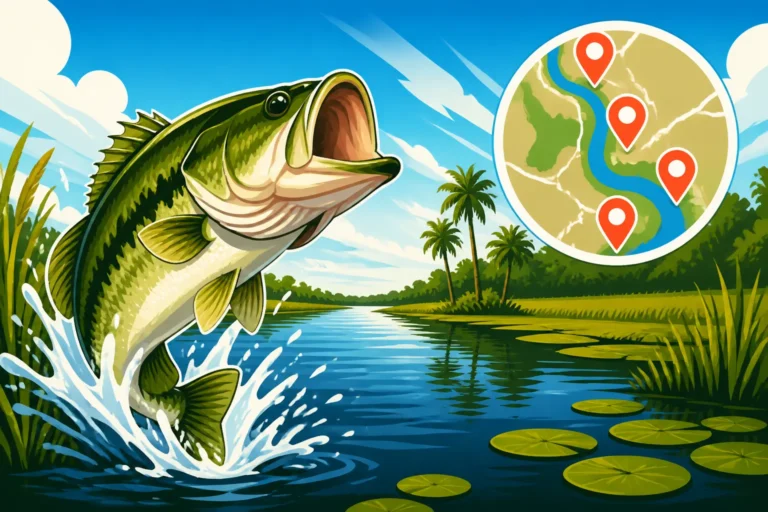
The easternmost sections of the Caloosahatchee are heavily influenced by the mighty Lake Okeechobee, often referred to as Florida's "liquid heart." Here, the water is predominantly fresh, creating prime habitat for classic freshwater species. You'll find yourself amidst hydrilla beds, lily pads, and cypress trees, a stark contrast to the mangrove-lined shores further west. The releases from Lake Okeechobee can significantly impact water levels and clarity, sometimes leading to strong currents, which can either concentrate fish or scatter them, depending on the conditions.
Anglers targeting this upper stretch need to think like freshwater enthusiasts. Heavy rains can bring turbid water, pushing fish to clearer edges or deeper channels. Conversely, dry spells can lower water levels, making certain areas shallower and fish more accessible but also more prone to spooking. This constant flux means adaptability is your best friend when fishing the upper Caloosahatchee. Knowing the recent rainfall and lock operation schedules can give you a significant edge.
The Estuarine Zone Where Salt and Fresh Mingle
As the Caloosahatchee flows westward, particularly from around LaBelle through the Franklin Lock and into the broader Fort Myers area, it enters its estuarine phase. This is arguably the most fascinating and challenging part of the river to fish. Here, the freshwater from upriver meets the incoming tides and saltwater from the Gulf. This creates a brackish environment, a unique blend where both freshwater and saltwater species can thrive, often side-by-side.
The Franklin Lock (W.P. Franklin Lock & Dam) plays a critical role in managing this transition, regulating water flow and salinity. The areas immediately around the lock, both upstream and downstream, are notorious hotspots because baitfish and game fish often congregate there, taking advantage of the structure and the changing currents. It’s a dynamic zone where you might catch a largemouth bass one minute and a snook the next. This mix makes it incredibly exciting but also requires anglers to be prepared for a diverse range of species and conditions.
Nearing the Gulf: True Saltwater Opportunities
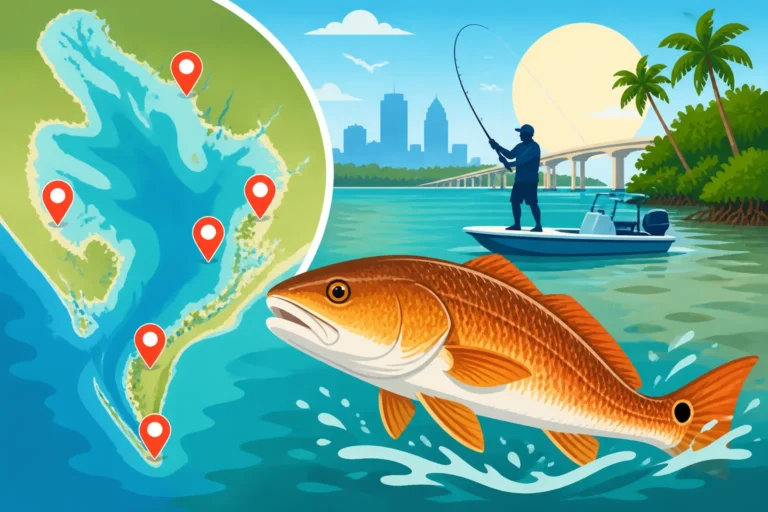
Further downstream, from downtown Fort Myers all the way to its mouth at San Carlos Bay and Pine Island Sound, the Caloosahatchee transitions into a true saltwater estuary. Here, the river widens, and the influence of the Gulf of Mexico becomes dominant. Mangrove shorelines, expansive grass flats, and deeper channels define this section. This is where you'll encounter a plethora of classic Florida inshore saltwater species, with the occasional offshore visitor making an appearance.
The tides become a much more significant factor here, dictating fish movement and feeding patterns. Strong tidal flows can create current seams and eddies where predator fish lie in wait for bait. Understanding the movement of water is paramount in these lower reaches. Many anglers find the complexity of the lower river exhilarating, as every bend and oyster bar holds the potential for a trophy catch. If you're planning a trip to this area, services like FishingBooker can help you find experienced local captains who specialize in navigating these intricate waters and targeting specific saltwater species.
Top Fishing Zones on the Caloosahatchee River
Knowing the general character of the river is one thing, but pinpointing specific spots that consistently produce is where the real value lies. The Caloosahatchee offers a diverse range of fishing environments, each with its own charm and target species. Whether you prefer casting from shore, exploring by kayak, or running a larger boat, there's a spot for you.
Upriver Freshwater Hotspots
If you're a fan of classic freshwater angling, the sections of the Caloosahatchee east of the Franklin Lock offer fantastic opportunities. Areas around LaBelle and Alva are particularly popular. Here, the river narrows, and dense vegetation provides ample cover for baitfish and gamefish alike. Think of this as traditional Florida bass country, complete with lily pads, cypress knees, and submerged timber.
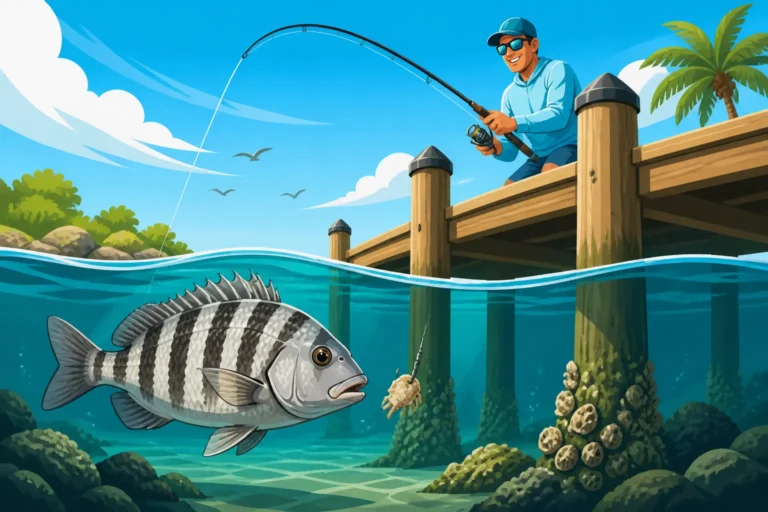
Fishing in these areas often involves targeting structure. Look for bends in the river, fallen trees, and areas where creeks or canals feed into the main river. These are prime ambush points for largemouth bass. You might also find excellent panfish action for species like bluegill and crappie, especially around brush piles or under docks. Access can be a bit more limited in some of these stretches, often requiring a smaller boat, kayak, or even bank fishing from public parks or access points.
The Locks and Transitional Waters
The area around the W.P. Franklin Lock & Dam (sometimes just called Franklin Lock) is undeniably one of the most productive and unique fishing zones on the entire river. Fish, both freshwater and saltwater, congregate around the lock structure due to the concentrated flow of water, the change in salinity, and the abundance of baitfish trapped or funneled by the gates. This creates a buffet for predators.
Downstream of the lock, the river truly begins its transition. As you head towards Fort Myers, the river widens, and you'll start to encounter more brackish conditions. Docks, bridges, and canal systems in areas like North Fort Myers and the outskirts of the city offer excellent fishing. These spots are fantastic for targeting migratory species like snook and tarpon, which thrive in these fluctuating salinity levels. You'll also still find a good population of largemouth bass in the freshwater-influenced canals and creeks that feed into the main river, creating exciting multi-species opportunities.
Lower River Estuary and Gulf Access
The expansive lower reaches of the Caloosahatchee, from downtown Fort Myers westward into San Carlos Bay and the vast Pine Island Sound, are prime saltwater territory. This is where the river truly opens up, offering access to some of Florida's most sought-after inshore species.
- Downtown Fort Myers: The seawalls and piers along the downtown waterfront can hold snook, redfish, and even tarpon, especially during migration season. The bridges crossing the river (like the Edison Bridge and Caloosahatchee Bridge) are also fantastic spots, creating current breaks and structure.
- San Carlos Bay: This wide-open bay at the mouth of the river is famous for its grass flats, oyster bars, and mangrove islands. These are ideal habitats for spotted seatrout, redfish, and snook.
- Pine Island Sound: While technically beyond the immediate river mouth, Pine Island Sound is directly influenced by the Caloosahatchee's outflow and offers world-class fishing. The myriad of islands, flats, and creeks provide endless opportunities for redfish, snook, trout, and even permit. Finding a local guide through platforms like FishingBooker is highly recommended for navigating these complex but rewarding waters, especially if you're unfamiliar with the area. They can put you directly on the fish.
Species You'll Encounter and Best Tactics
The beauty of the Caloosahatchee River is its incredible biodiversity. Depending on where you are on the river, you'll be targeting vastly different species, each requiring its own set of tactics and gear. Being prepared for this variety is part of the fun!
Bass and Freshwater Panfish Techniques
In the upper freshwater reaches, largemouth bass reign supreme. They love cover, so focus on casting lures like plastic worms, spinnerbaits, and topwater frogs around hydrilla mats, lily pads, and submerged logs. A weedless presentation is often necessary to avoid snags. Live wild shiners are also incredibly effective for larger bass. For crappie, try small jigs or live minnows suspended under a bobber near brush piles or deeper channels. Bluegill and other sunfish will readily take crickets, worms, or small artificials.
Remember that a Florida Freshwater Fishing License Rules is required for these waters if you're not exempt. Always check the current Florida Fishing Regulations and Bag Limits before heading out to ensure you're in compliance.
Targeting Snook and Tarpon in Brackish Zones
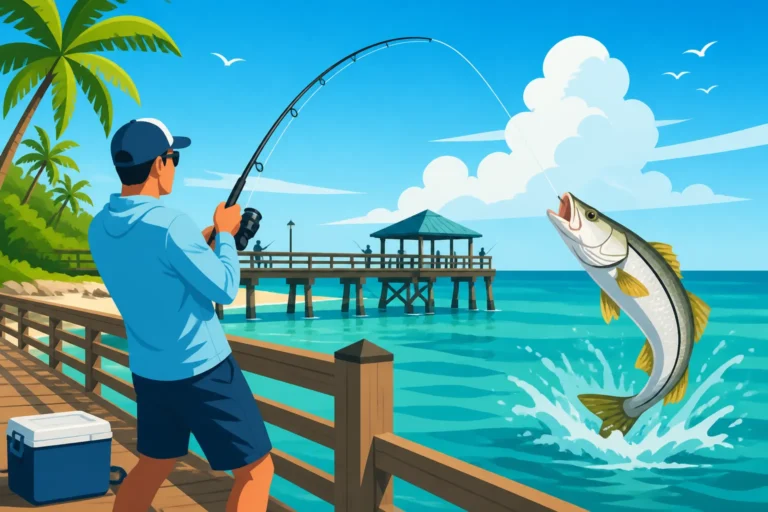
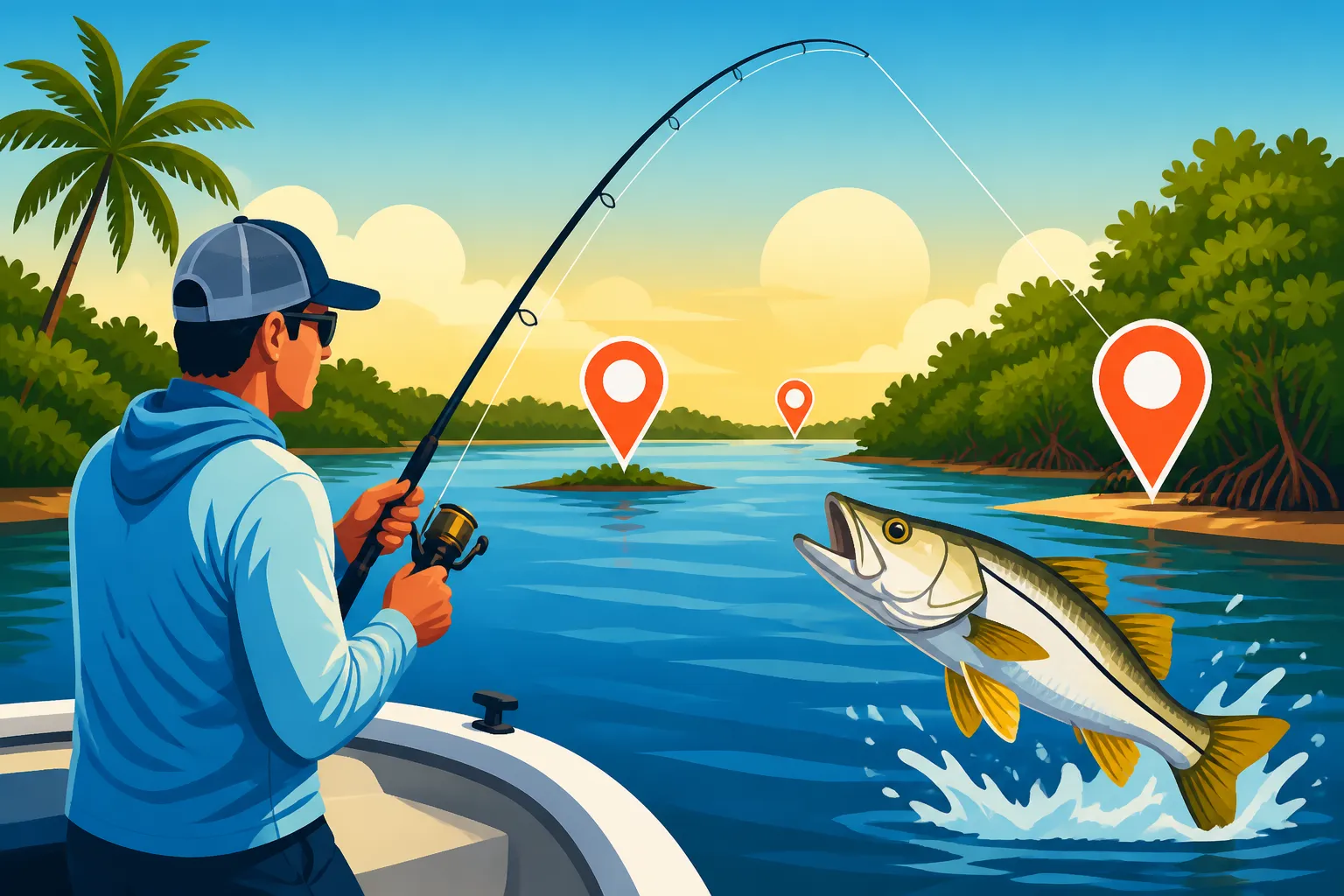
The transitional, brackish waters are a paradise for snook and tarpon. These powerful gamefish thrive in areas with moving water and plenty of ambush points. For snook, live bait like pilchards, mullet, or shrimp are incredibly effective, particularly when fished near current breaks, bridge pilings, or mangrove edges. Artificial lures such as soft plastic jerkbaits, topwater plugs, and suspending twitchbaits can also elicit aggressive strikes.
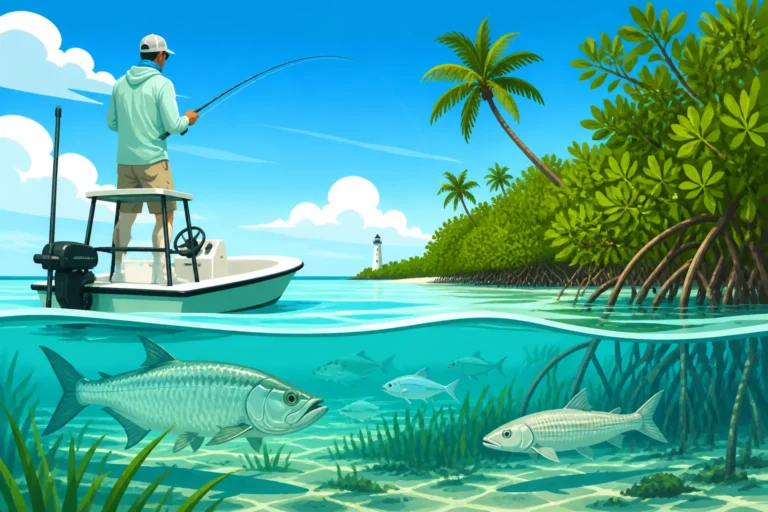
Tarpon are often found in these same areas, especially during their migrations. Targeting them can be challenging but incredibly rewarding. Large live mullet or threadfin herring are excellent bait, as are artificial lures like large soft plastics or flies. The key to catching tarpon is often patience and a good understanding of their feeding patterns. For more in-depth information on how to pursue these "silver kings," check out our Florida Tarpon Fishing Season Guide.
Inshore Saltwater Favorites: Redfish, Trout, and More
As you move into the lower estuary and San Carlos Bay, redfish and spotted seatrout become primary targets. Redfish love to patrol oyster bars, mangrove shorelines, and shallow grass flats. They're often caught on live or cut bait (shrimp, pinfish, mullet) or artificials like weedless spoons, soft plastic jigs, and topwater lures. The trick with redfish is to look for signs of their presence, like "tailing" fish in shallow water or wakes along mangrove lines.
Spotted seatrout are often found on grass flats. They'll readily strike live shrimp under a popping cork or various soft plastic jigs. When fishing for these species, pay close attention to the tides, as they dictate where the fish will be feeding. An incoming tide often pushes bait onto the flats, while an outgoing tide can concentrate fish in feeder creeks and channels. For a deeper dive into these species, our guides on Florida Redfish Fishing Guide and Florida Snook Fishing Guide offer comprehensive insights.
Table: Key Caloosahatchee Fishing Zones & Target Species
| River Section | Primary Water Type | Key Fishing Spots | Target Species | Recommended Baits/Lures |
|---|---|---|---|---|
| Upper River | Freshwater | LaBelle, Alva, feeder creeks | Largemouth Bass, Crappie, Bluegill, Catfish | Plastic Worms, Spinnerbaits, Jigs, Live Shiners |
| Transitional Zone | Brackish | Franklin Lock, Fort Myers bridges | Snook, Tarpon, Largemouth Bass, Redfish, Catfish | Live Mullet/Pilchards, Soft Plastics, Topwaters |
| Lower Estuary/Bay | Saltwater | San Carlos Bay, Pine Island Sound | Redfish, Snook, Spotted Seatrout, Tarpon | Live Shrimp/Pinfish, Jigs, Spoons, Popping Corks |
Seasonal Considerations for Caloosahatchee Anglers
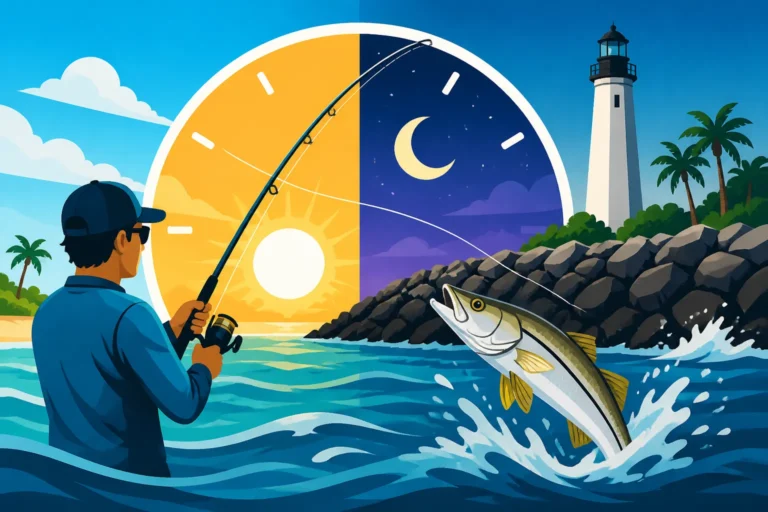
Florida's weather might seem perpetually warm, but seasonal changes still significantly impact fishing on the Caloosahatchee River. From water temperatures to spawning cycles, understanding these annual rhythms will dramatically improve your success rate. What works in the heat of summer might be completely ineffective in the cooler winter months.
Seasonal Shifts and Species Movements
- Spring (March-May): As water temperatures rise, many species become highly active. Bass fishing picks up in the upper river after their spawn. Snook and tarpon begin to move more freely throughout the estuary, often migrating towards the Gulf passes for their summer spawn. This is a fantastic time for a variety of species.
- Summer (June-August): The heat of summer pushes some fish into deeper, cooler water or to areas with more current. Tarpon are a huge draw during these months, especially in the lower river and Pine Island Sound, as they prepare for and complete their spawn. Snook are also very active but require careful handling due to the stress of warm water. For details on protecting these fish, read about Catch and Release Best Practices for Snook.
- Fall (September-November): Often considered one of the best fishing seasons, fall brings cooler temperatures and the annual "mullet run," which ignites a feeding frenzy among predatory fish. Snook, redfish, and tarpon gorge themselves on migrating baitfish, making them easier to target. This is also a great time to target larger Florida redfish.
- Winter (December-February): Cold fronts can significantly impact fishing. Freshwater species might become lethargic, retreating to deeper holes. Saltwater species like snook are sensitive to cold and often seek refuge in warmer residential canals or deeper pockets of the river. Redfish and trout can still be caught on the flats on warmer days, but slow presentations are usually best.
Essential Gear and Conservation Practices
Given the diverse nature of the Caloosahatchee River, a versatile fishing setup is often beneficial. For the brackish and saltwater sections, a medium-heavy spinning rod (7-7.5 feet) paired with a 3000-4000 size reel spooled with 15-30 lb braided line is a good all-around choice. For freshwater bass fishing, a medium-heavy baitcasting or spinning setup with 10-20 lb test line will serve you well. Don't forget a variety of leader materials – fluorocarbon from 20-50 lb test is crucial for abrasion resistance and stealth.
Beyond the gear, responsible angling is paramount. Always be aware of the specific Florida Fishing Regulations and Bag Limits for the species you are targeting, as they can change based on season and region. Use appropriate catch-and-release techniques, especially for vulnerable species like snook and tarpon. Consider using a dehooking tool to minimize harm. If you're looking to broaden your knowledge on specific gear, check out our guide on Best Live Bait for Florida Inshore Fishing.
Finding Local Expertise and Resources
Navigating the Caloosahatchee River, with its complex ecosystem and ever-changing conditions, can be a rewarding challenge. However, sometimes the best way to cut through the learning curve is to leverage local knowledge. Fishing guides who spend every day on these waters have an intimate understanding of the currents, the fish patterns, and the prime spots that regular anglers might miss.
If you're new to the area or simply want to maximize your time on the water, consider booking a trip with a local fishing guide. Platforms like FishingBooker are excellent resources for finding experienced captains operating out of Fort Myers, Cape Coral, or even LaBelle. They can provide all the necessary gear, bait, and most importantly, the expertise to put you on fish, whether you're chasing trophy bass upriver or battling a big tarpon near the Gulf. You can read more about How to Choose a Florida Fishing Guide to ensure you pick the right one for your adventure.
Many excellent local bait and tackle shops along the Caloosahatchee can provide up-to-the-minute reports and local advice. Stores like Bass Pro Shops in Fort Myers or other local independent shops are invaluable resources for specific bait recommendations, recent catches, and any current conditions or closures. Don't be shy about asking questions; local shop owners and employees are often passionate anglers themselves and happy to share their knowledge.
Staying Informed About River Conditions
The Caloosahatchee River is heavily managed, and water releases from Lake Okeechobee can significantly impact fishing conditions. Staying informed about these releases, as well as local weather forecasts, is crucial. The Florida Fish and Wildlife Conservation Commission (FWC) and the South Florida Water Management District (SFWMD) websites often provide public information regarding water levels and flow rates, which can give you an idea of what to expect on the river.
Additionally, pay attention to local tide charts for the lower river and bay areas. Understanding the tides is fundamental to saltwater fishing, influencing everything from bait movement to fish feeding behavior. A strong outgoing tide, for instance, can be excellent for targeting snook and redfish as baitfish are flushed out of the mangroves. Conversely, an incoming tide might be better for fishing grass flats. Knowing when to be where, based on these factors, is a skill that comes with experience and preparation.
Disclaimer
Please note that fishing regulations, seasons, and bag limits are subject to change. Always consult the latest rules and guidelines from the Florida Fish and Wildlife Conservation Commission (FWC) before engaging in any fishing activities. This guide is for informational purposes only and does not constitute legal advice.