Florida Bass Fishing Techniques
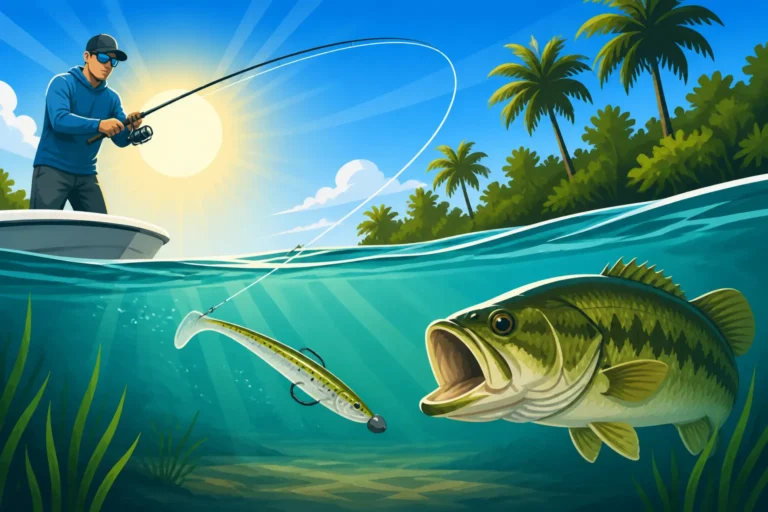
Florida bass fishing isn't just about dropping a line; it's an intricate dance with a uniquely adapted fish in diverse, often challenging environments. Many anglers, even seasoned ones from other states, arrive in the Sunshine State expecting easy pickings, only to be met with the realities of warm water, dense vegetation, and finicky bass. This comprehensive guide will peel back the layers of Florida bass fishing, offering proven techniques, essential gear recommendations, and strategic insights to help you consistently land those elusive trophy largemouths.
Understanding Florida's Unique Bass Environment
Florida bass fishing presents a landscape unlike many other freshwater fisheries across the nation. The warm climate, shallow lakes, and pervasive aquatic vegetation create a habitat that requires specific approaches and an understanding of how largemouth bass thrive in these conditions. It's not just about finding water; it's about understanding the nuances of Florida water.
Florida's Warm Water Challenge
Unlike northern states where bass might seek deeper, cooler waters for much of the year, Florida's average water temperatures remain elevated for extended periods, often staying warm even through the winter months in many central and south Florida regions. This consistent warmth affects bass metabolism, feeding patterns, and where they choose to hold. Bass in Florida are generally more active year-round but can become lethargic in extreme heat, particularly during the peak of summer afternoons. They'll often seek refuge in shaded areas, beneath dense mats of vegetation, or in deeper pockets and spring-fed areas where cooler water might seep in. This warm water also means that baitfish populations are robust, offering the bass a year-round buffet, which in turn means they can sometimes be more selective in what they strike. Understanding this constant warmth is fundamental to planning your attack, from lure selection to the best times of day to hit the water. It’s a key factor to consider when planning your trips, as the Best Time of Year to Fish in Florida can vary greatly depending on your target species and region.
Vegetation: Friend or Foe?
If there's one defining characteristic of Florida bass habitats, it's the sheer abundance and diversity of aquatic vegetation. From hydrilla, milfoil, and peppergrass to lily pads, cattails, and floating "cheese" mats, this green jungle is both the bass's sanctuary and the angler's biggest challenge. For the bass, it provides crucial cover from predators, ambush points for unsuspecting prey, and shade from the relentless Florida sun. For the angler, it means snagging lures, tangled lines, and often requiring specialized gear and techniques to penetrate or fish around. Learning to identify different types of vegetation and understanding which ones bass prefer at different times of the year is paramount. For instance, hydrilla often holds bass in its thick strands, while the edges of lily pads can be prime ambush spots. Flipping and pitching into dense cover becomes an art form, demanding heavy-duty tackle and weedless presentations. Don't view the vegetation as an obstacle, but rather as the key to unlocking Florida's bass potential. It's where the big ones live and feed, and mastering how to fish it effectively will dramatically improve your success.
The Importance of Water Levels and Flow
Water levels in Florida's lakes and rivers can fluctuate significantly due to rainfall, drought, and water management practices. These changes directly impact where bass will be found. During high water periods, bass might move into flooded vegetation or shallow areas that were previously dry, spreading out and sometimes becoming harder to locate. Conversely, during low water, they'll concentrate in deeper channels, ditches, and remaining pockets of water, often making them easier to target, though sometimes also more stressed. Flow, particularly in river systems like the St. Johns or Kissimmee River, is another critical factor. Bass often orient themselves facing into the current, using it to ambush baitfish being swept downstream. Stronger currents can position fish in specific eddies or behind structure, while slack water might find them tucked deep into cover. Keeping an eye on local water level reports and understanding how current influences bait movement and bass positioning will give you a significant advantage in figuring out where the fish are holding on any given day. This also ties into understanding things like Florida Bass Spawning Season, as water levels can affect their nesting choices.
Essential Gear for Florida Bass Fishing
Successfully tackling Florida's unique bass environments requires more than just your average fishing setup. The dense cover, powerful fish, and diverse techniques demand specific rods, reels, lines, and an arsenal of specialized lures and terminal tackle. Skimping on your gear often leads to frustration and lost fish in the Sunshine State.
Rods, Reels, and Line Selection
When it comes to Florida bass, you need power and precision. For flipping, pitching, and punching heavy mats, a heavy or extra-heavy action baitcasting rod, typically 7' to 8' long, is indispensable. These rods provide the backbone to drive hooks through thick cover and muscle large bass out of their sanctuary. Pair these with a high-speed baitcasting reel (7.1:1 gear ratio or higher) to quickly pick up slack and control the fight. Line selection is crucial: 50-80 pound braided line is the standard for heavy cover applications, offering incredible strength, abrasion resistance, and no stretch for solid hooksets. For open water presentations or when fishing lighter cover, a medium-heavy to heavy action baitcasting rod (6'6" to 7'6") with 15-25 lb fluorocarbon or monofilament line will suffice, offering better castability and sensitivity. Spinning gear, usually medium-light to medium action with 10-20 lb braided line and a fluorocarbon leader, is excellent for finesse techniques or throwing lighter lures like wacky rigs or small worms, especially for beginners or those seeking an easier casting experience. Many of these options can be found easily on sites like Amazon.
Must-Have Lures and Baits
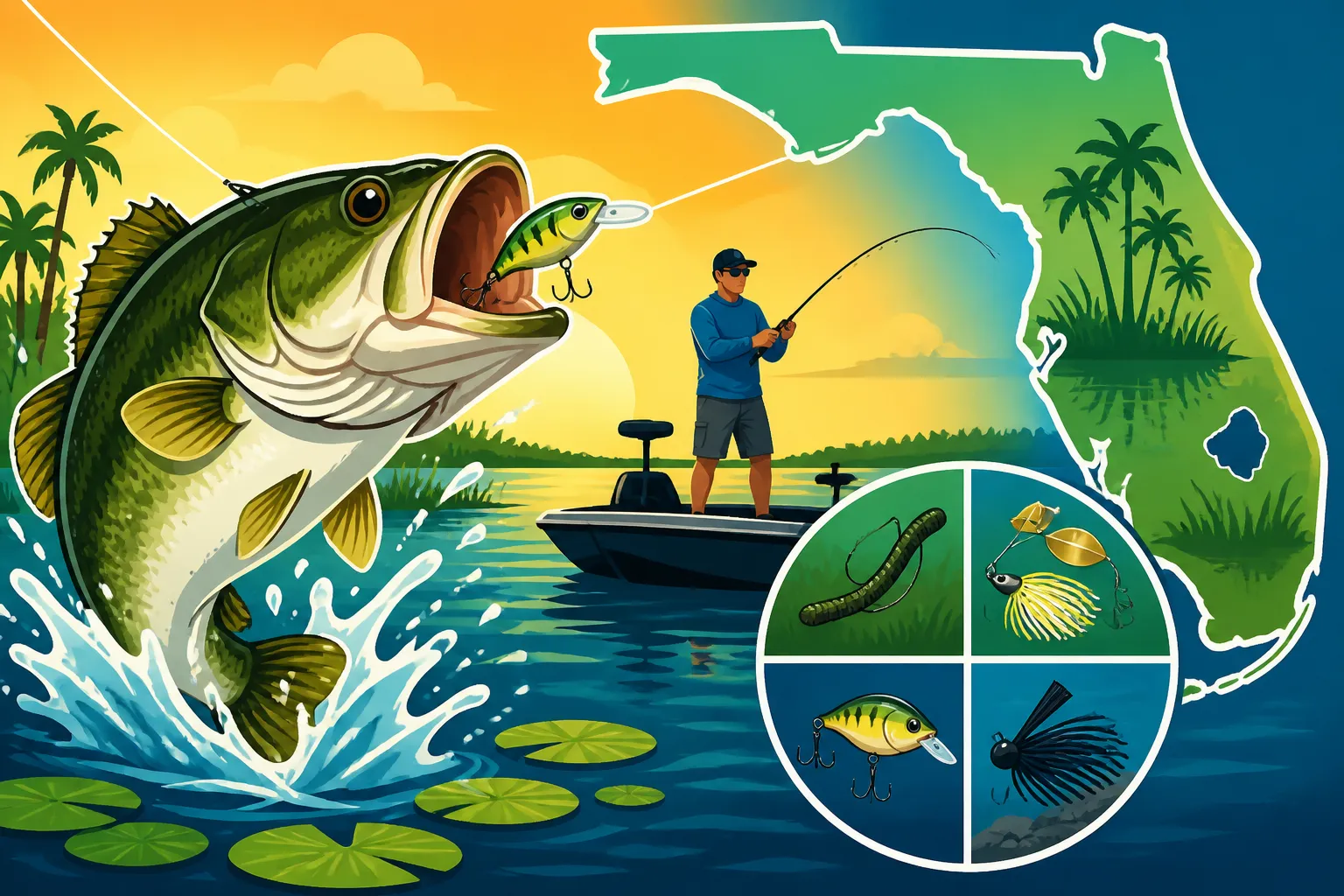
Florida bass have a diverse diet, and your tackle box should reflect that versatility. When fishing dense vegetation, creature baits, soft plastic worms, and jigs rigged weedless are king. Think brands like Zoom, Strike King, or Berkley's PowerBait series for plastics. Heavy-bodied frogs (e.g., Spro Bronzeye Frog) and buzzing toad-style baits are incredible for topwater action over mats and lily pads, providing explosive strikes. For open water or around sparse cover, spinnerbaits (like the Strike King Redeye Spinnerbait), chatterbaits, and lipless crankbaits can cover a lot of water quickly. Don't forget swimbaits and Senko-style worms, which are universally effective. For those truly targeting trophy fish, live wild shiners are often the most productive bait, presenting a natural and irresistible meal. Having a variety of colors, especially natural green pumpkin, black, and junebug, along with brighter colors like white or chartreuse, will prepare you for different water clarities and conditions. The key is to have a few confidence baits in each category. If you want to dive deeper, check out our guide on the Best Lures for Florida Bass Fishing.
Terminal Tackle and Accessories
Beyond rods and reels, the right terminal tackle makes all the difference. Heavy-duty, extra-wide gap (EWG) hooks are essential for rigging soft plastics weedless and ensuring solid hooksets with heavy line. Sizes typically range from 3/0 to 5/0, but you might even go up to 6/0 for larger creature baits. Tungsten weights, ranging from 1/2 oz to 1.5 oz (or even heavier for punching), are preferred over lead for their smaller profile and increased sensitivity, allowing you to feel subtle bites through thick cover. Pair these with sturdy bobber stops to peg your weights, preventing them from sliding up your line. Heavy-duty swivels and snaps can be useful for quickly changing lures, though direct knotting is often preferred for maximum strength in heavy cover. Don't forget a good pair of braided line scissors or cutters, pliers, and a strong net with rubberized mesh (to protect the fish) – especially when you're wrestling a lunker out of the hydrilla. A reliable measuring board and a scale are also crucial for documenting those potential personal bests, especially if you're trying to see if you've caught a What Is the Florida State Record Largemouth Bass?.
Top Florida Bass Fishing Techniques
Florida bass fishing isn't a one-trick pony. The diverse habitats and conditions demand a versatile approach, blending power fishing with finesse and adapting to what the bass are telling you. Mastering these core techniques will significantly elevate your game in the Sunshine State.
Flipping and Pitching Heavy Cover
This is arguably the quintessential Florida bass fishing technique, designed to present a lure quietly and precisely into dense, tight cover where big bass often hide. Flipping involves dropping your lure, typically a creature bait or jig rigged weedless, into a target with a short, pendulum-like swing of the rod, using minimal line out. Pitching is a slightly longer cast, allowing you to reach targets further away with a controlled, underhand motion, again aiming for a soft entry. The goal is to imitate a baitfish or crawfish falling naturally into the cover.
You'll need a heavy or extra-heavy action rod, a high-speed baitcasting reel, and stout braided line (60-80 lb) to effectively flip and pitch. Tungsten weights, usually 3/4 oz to 1.5 oz, are pegged just above your hook to help the bait penetrate vegetation. Focus on targeting the darkest pockets, gaps in hydrilla, submerged timber, or the shaded sides of lily pads. The retrieve is subtle: let the bait fall, shake it gently, lift it slowly, and let it fall again. Most bites will occur on the fall or as soon as the bait settles, often feeling like a slight "tick" or just added pressure. Being patient and methodical with this technique is key, as you're often putting the bait right into a bass's living room.
Punching Mats
When the Florida sun heats up, and the vegetation grows into thick, impenetrable floating mats, punching becomes the go-to technique for reaching trophy bass. These mats, often composed of hydrilla, water hyacinths, or a mix of decaying vegetation, offer bass a cool, dark, and secluded sanctuary. Punching involves using extremely heavy weights (1.5 oz to 2 oz or even more) and a compact, weedless bait to literally "punch" through the dense mat.
Your setup for punching needs to be incredibly robust. Think an 8-foot extra-heavy action rod, a powerful baitcasting reel, and 65-80 lb braided line. The baits are typically smaller profile creature baits or soft plastic worms, rigged with a heavy-duty, straight-shank flipping hook. The retrieve is similar to flipping: drop the bait through a weakness in the mat, let it fall to the bottom, give it a few shakes, and then retrieve it quickly to repeat the process. The strike can be violent, as the bass might be reacting aggressively to an intruder in its hiding spot. This is a high-reward, high-effort technique that demands tenacity and the right gear. It's often where the biggest fish are found, providing an exhilarating challenge.
Topwater Action in the Sunshine State
There's nothing quite like an explosive topwater strike, and Florida offers fantastic opportunities for this heart-pounding technique, especially during low light conditions or over expansive areas of surface vegetation. Topwater lures are designed to mimic injured baitfish, frogs, or rodents struggling on the surface, drawing bass up from below with their commotion.
Frogs and toad-style baits are ideal for fishing directly over lily pads, hydrilla mats, or sparse emergent vegetation. Brands like LIVETARGET and Strike King offer excellent options that are largely weedless. Walk-the-dog style baits (e.g., Heddon Super Spook) and poppers (e.g., Rebel Pop-R) excel in more open water or along grass edges, creating enticing side-to-side or popping actions. Even larger buzzbaits can be incredibly effective, especially in stained water or during early mornings and late evenings. The key to successful topwater fishing is patience and varying your retrieve. Let the lure sit after the cast, then work it with pauses, twitches, and varying speeds. The bass will often follow before committing, so resist the urge to set the hook too early; wait until you feel the weight of the fish. This technique is particularly exciting for the visual aspect and can often tempt larger, more aggressive bass out of hiding.
Fishing Soft Plastics and Jigs
Beyond the heavy cover techniques, soft plastics and jigs remain foundational for Florida bass fishing across a wider range of scenarios. These versatile baits can imitate everything from worms and crawfish to baitfish, making them indispensable in your tackle box.
Soft Plastic Worms: Texas-rigged worms (especially long ribbon-tail or straight-tail worms) are excellent for fishing around submerged stumps, brush piles, or along grass lines. Carolina rigs can be devastating for covering open water flats or deeper humps, allowing the bait to float enticingly above the bottom. Wacky rigs and Neko rigs, often fished weightless or with a light nail weight, offer a super natural fall that can tempt even the most pressured fish in clear water or around boat docks. Colors like green pumpkin, junebug, and black-and-blue are perennial favorites. The retrieve is usually slow and deliberate, focusing on feeling subtle bites as the bait contacts structure or falls. We have a detailed guide on How to Fish a Soft Plastic Jerkbait for Bass that can help you hone this technique.
Jigs: Bass jigs, often paired with a soft plastic trailer (like a craw or grub), are incredible for mimicking crawfish or bluegill. Flipping jigs are heavier and designed for punching through cover, while casting jigs are lighter and work well for hopping along the bottom in open water or around docks. Swim jigs, designed with a more hydrodynamic head, are effective for swimming through sparse vegetation or along grass lines, imitating a baitfish. Jigs offer a compact, meaty presentation that often attracts larger bass. Experiment with different colors and trailer profiles until you find what the fish are keying in on. The versatility of jigs makes them a must-have, especially when targeting larger fish or when bass are feeding aggressively on crustaceans.
Reading the Water and Locating Bass
Successfully catching bass in Florida isn't just about having the right lure; it's about understanding where the bass are and why they're there. Learning to "read the water" involves interpreting various environmental cues and understanding the seasonal movements of these fish.
Targeting Structure and Cover
Florida's lakes and rivers are rich with structure and cover, and understanding how bass relate to these features is paramount. Structure refers to changes in the bottom contour, like ledges, humps, creek channels, and submerged points. Bass will often use these depth changes as travel corridors or ambush points. For instance, a submerged creek channel winding through a shallow flat can be a highway for bass, especially during colder months. Cover refers to anything that provides shelter or hiding spots, such as hydrilla mats, lily pads, cattail edges, fallen trees, brush piles, and docks.
In Florida, cover is often more prevalent than hard structure. Bass commonly hold in the densest part of a hydrilla mat for shade and ambush, or along the shaded edges of lily pads. Docks, especially those with brush piles underneath or nearby deep water access, are prime spots. Pay attention to changes in cover density, transitional zones where one type of vegetation meets another, or where cover meets open water. These "transition areas" are often highly productive because they offer bass the best of both worlds: cover for safety and proximity to open water for feeding opportunities. A keen eye for these subtle changes will guide your lure presentations and increase your chances of a strike.
Understanding Seasonal Patterns
While Florida generally has warm weather, bass still exhibit distinct seasonal patterns that influence their location and feeding behavior.
- Winter (December – February): While not as harsh as northern winters, Florida bass will often seek deeper, more stable water, especially during cold fronts. They might concentrate in channels, deeper pockets within lakes, or warm spring-fed areas. Slower presentations like jigs, Texas-rigged worms, or Carolina rigs become more effective. After a cold front, bass can become lethargic and harder to tempt. However, a sunny afternoon warming shallow dark-bottomed areas can draw them out.
- Spring (March – May): This is prime spawning season for Florida bass. As water temperatures rise, bass move to shallow, protected areas with hard bottoms to build nests. They'll be highly aggressive guarding their beds. Sight fishing for bedding bass can be effective, using soft plastics or jigs. Post-spawn, bass will move to nearby cover to recover and feed aggressively. Knowing the Florida Bass Spawning Season for your specific region can be incredibly helpful.
- Summer (June – August): The heat drives bass into dense cover for shade and oxygen, particularly during midday. Punching mats, flipping heavy cover, and fishing topwater early and late in the day become dominant strategies. Bass will also hold around deeper structure if available, or near areas with good current. Night fishing can also be highly productive during summer.
- Fall (September – November): As temperatures begin to cool, bass become more active, feeding heavily to prepare for winter. They often move to ambush points near baitfish schools. Spinnerbaits, chatterbaits, topwater lures, and lipless crankbaits can be very effective as bass chase shad and other forage in open water and along grass lines. This "fall feeding frenzy" can offer some of the most exciting action of the year.
| Season | Typical Water Temp Range (F) | Bass Location Tendencies | Recommended Techniques | Key Lure Types |
|---|---|---|---|---|
| Winter | 55-65 | Deeper channels, tight cover, warmer pockets | Slow jigs, Texas rigs, Carolina rigs | Jigs, Worms, Blade Baits |
| Spring | 65-75 | Shallows, spawning beds, nearby cover | Flipping, sight fishing, spinnerbaits | Soft Plastics, Jigs, Spinnerbaits |
| Summer | 75-90+ | Dense mats, deep cover, shady spots | Punching, Flipping, Topwater (early/late) | Frogs, Creature Baits, Heavy Jigs |
| Fall | 68-78 | Ambush points, baitfish schools, grass lines | Spinnerbaits, Chatterbaits, Topwater | Crankbaits, Spinnerbaits, Jerkbaits |
Weather and Its Impact on Bass Behavior
Weather plays a massive role in bass behavior, even in Florida. Frontal systems are particularly impactful. Before a cold front, bass often go on a feeding binge, becoming highly aggressive. This is an excellent time for power fishing with fast-moving baits. However, immediately after a cold front passes, bass often shut down, becoming lethargic and retreating to thick cover. Slower, more subtle presentations become necessary.
Cloudy days generally improve fishing conditions, as bass are more likely to roam from cover and feed throughout the day. Sunny days often push bass tighter into dense cover or deeper water, emphasizing techniques like punching or flipping into heavy shade. Wind can also be your friend or foe. A light chop on the water can break up the surface, making bass less wary and hiding your line, often pushing baitfish into predictable areas. Strong winds, however, can make boat control and casting difficult. Rain can sometimes trigger a bite, especially a warm, gentle rain that darkens the surface and adds oxygen to the water. Understanding these weather patterns and how to adjust your approach is a skill that comes with experience but is crucial for consistent success.
Advanced Strategies for Trophy Bass
Catching a few bass is one thing, but consistently targeting and landing genuine Florida trophy largemouths requires moving beyond the basics. These advanced strategies involve leveraging technology, employing specific bait tactics, and adapting to ever-changing conditions and fishing pressure.
Dialing in Your Electronics
Modern marine electronics are powerful tools that, when used correctly, can dramatically improve your ability to locate and understand trophy bass. It's not just about seeing fish; it's about interpreting what the screen tells you.
- Side Imaging and Down Imaging: These technologies allow you to scan large areas quickly, revealing submerged timber, brush piles, rock formations, and even dense hydrilla beds that are invisible from the surface. You can often see individual fish relating to this cover, giving you precise casting targets. Instead of blind casting, you're making informed presentations. Look for transitions in bottom composition, isolated cover, or schools of baitfish that might indicate bass nearby. Spend time scanning new areas before you start fishing to build a mental map of the underwater terrain.
- 2D Sonar and GPS: Your traditional 2D sonar is still vital for identifying baitfish schools, thermoclines (if present in deeper Florida lakes), and larger fish arches. Use your GPS to mark productive spots, isolated cover, or subtle depth changes. Creating a trail of waypoints on a productive grass line or offshore hump allows you to return to the precise location with ease. The Lowrance and Humminbird units, widely available on Amazon, offer robust features for anglers to gain an edge. Mastering the sensitivity and frequency settings on your sonar is crucial for getting a clear picture of what's below.
- Mapping and Lake Charts: High-definition mapping software (like those from Navionics or Garmin) is indispensable for identifying contours, old creek channels, and depth changes before you even launch your boat. Combine this with real-time sonar readings to confirm what's on the map and find those hidden sweet spots that might hold a lunker.
Live Bait Tactics for Lunkers
While artificial lures are incredibly effective, nothing beats live bait for tempting truly giant Florida largemouth bass, especially the wary ones. Wild shiners are the undisputed king of live baits for Florida trophy bass.
- Wild Shiners: These shiny, energetic baitfish, often ranging from 4 to 12 inches, are a natural and highly attractive food source for big bass. They can be purchased from local bait shops or caught yourself using cast nets. The key is to keep them alive and lively. Fish them under a bobber near dense cover, allowing the shiner to swim naturally, or free-line them in open water if bass are schooling. Hook them lightly through the lips or dorsal fin to allow maximum movement. The visual aspect of a shiner nervously twitching and trying to escape often triggers an aggressive strike from a lurking bass. This method can be incredibly effective, especially in highly pressured waters where artificial lures might be ignored. When considering live bait, it’s helpful to understand the Live Bait vs Lures for Bass Fishing debate and when each excels.
- Targeting Specific Cover: When using shiners, concentrate your efforts around the thickest cover you can find: dense hydrilla edges, lily pad fields, submerged timber, or even boat docks. These are the places trophy bass prefer to ambush their prey. Position your boat strategically to cast the shiner near the cover, but allow it enough room to swim freely and entice a strike.
- Patience and Presentation: Fishing with live shiners often requires more patience than throwing artificials. Give the shiner time to work its magic. When a bass strikes, avoid setting the hook immediately; let the bass "eat" the shiner and turn away before setting the hook firmly. This ensures the bass has fully committed to the bait, leading to a better hookset.
Adjusting to Pressure and Changing Conditions
Florida's popular bass fisheries, especially lakes like Okeechobee, Kissimmee, and Toho, can experience significant fishing pressure. Trophy bass in these waters become incredibly wary, and static approaches will lead to frustration.
- Varying Your Presentation: If the fish aren't biting a fast retrieve, slow it down. If they're ignoring a loud topwater, try a subtle wacky rig. Change colors, sizes, and actions until you find what triggers a bite. Sometimes a slight modification, like changing your trailer color on a jig, can make all the difference. Don't be afraid to experiment outside of conventional wisdom.
- Finding Unpressured Water: While popular spots attract crowds, many Florida lakes and river systems have hidden gems or less-fished areas. Explore canals, smaller feeder creeks, or areas accessible only by smaller boats or kayaks. These unpressured zones often hold more willing fish. Even on a popular lake, finding an isolated patch of cover away from the main boat lanes can yield excellent results.
- Timing Your Attacks: Fish early in the morning, late in the evening, or even at night, especially during the hot summer months. These low-light periods often see bass moving more freely and aggressively. After a cold front, when many anglers retreat, patiently working slower baits can sometimes tempt a lunker that's just starting to get active again. Understanding the nuances of these conditions allows you to adapt and stay one step ahead of both the fish and other anglers. This adaptability is part of the challenge and reward of pursuing bass in Florida.
Conservation and Best Practices for Florida Bass
Florida's reputation as a premier bass fishing destination is a testament to its healthy fisheries, but it's a resource that requires careful management and responsible angling practices. As passionate bass anglers, we all have a role to play in ensuring the future of Florida's trophy bass.
Catch and Release Ethos
While Florida does have bag limits for largemouth bass, many serious trophy anglers practice catch and release, especially for the larger, older fish. The reason is simple: big bass are crucial for the genetics of the fishery. They are often the most prolific spawners, passing on genes for size, growth, and survival. Removing a trophy-sized female bass from the population can have a disproportionately negative impact compared to harvesting a smaller, younger fish.
Adopting a catch and release ethos means making conscious decisions to release healthy fish, particularly those in the trophy class. This practice helps maintain a robust population of large fish, ensuring that future generations of anglers have the opportunity to experience the thrill of a lifetime catch. It's a key component of sustainable fishing and helps support the long-term health of Florida's incredible bass fisheries.
Handling Big Bass with Care
A big bass is a delicate creature, and improper handling can cause severe stress, injury, or even death, undoing the good intentions of catch and release. When you land a lunker, prioritize its well-being.
- Minimize Time Out of Water: The longer a fish is out of water, the more stressed it becomes. Have your camera, scale, and measuring board ready before you even bring the fish into the boat. Aim for quick photos and measurements, then get the fish back in the water.
- Support the Fish's Body: Never hold a large bass solely by its jaw, especially if it's struggling or heavy. This can dislocate its jaw or damage internal organs. Always support its belly with your other hand, distributing its weight evenly. For very large fish, it's best to keep them partially submerged in a livewell or cradle them in the water during photos.
- Use Proper Tools: A soft, rubberized landing net is ideal for protecting the fish's slime coat and fins, which are crucial for its health and protection against disease. Avoid gill-plate gripping unless absolutely necessary and performed by an experienced hand, as it can be very damaging.
- Revive the Fish: After releasing, hold the bass gently in the water, facing into any current, until it regains its strength and swims away on its own. Don't just toss it back; make sure it's fully revived. This is particularly important with exhausted fish after a long fight.
Protecting Florida's Bass Habitats
The health of Florida's bass population is intrinsically linked to the health of its aquatic environments. Habitat degradation, whether from pollution, invasive species, or improper land use, directly impacts bass.
- Respect Aquatic Vegetation: While dense vegetation can be challenging to fish, it's also critical bass habitat. Avoid unnecessarily ripping through grass beds with your trolling motor or prop. Use weedless presentations to minimize snags and avoid disturbing the natural environment.
- Proper Waste Disposal: Never litter on the water. Fishing line, soft plastic baits, and other trash can harm fish, wildlife, and the overall ecosystem. Pack out everything you pack in.
- Awareness of Invasive Species: Be aware of how invasive species like hydrilla or certain baitfish can impact native ecosystems. Always clean your boat and trailer thoroughly between bodies of water to prevent the spread of these species.
- Support Conservation Efforts: The Florida Fish and Wildlife Conservation Commission (FWC) manages Florida's fisheries, often funded by fishing license fees. Understanding your Florida Fishing License Costs and Fees and purchasing your license is one direct way to contribute to these vital conservation programs. Educate yourself on local regulations, bag limits, and slot limits for bass to fish responsibly. By being good stewards of the environment, we ensure that the legendary Florida bass fishery thrives for generations to come.
Regional Hotspots and Their Specific Techniques
Florida offers a vast array of bass fishing opportunities, from expansive shallow lakes to winding river systems. Each region often demands slightly different approaches to unlock its full potential. Understanding these regional nuances is key to consistent success.
Lake Okeechobee: The Big O's Approach
Lake Okeechobee, affectionately known as "The Big O," is Florida's largest freshwater lake and a true trophy bass factory. Its vast, shallow expanse, dominated by expansive grass beds (especially hydrilla, peppergrass, and cattails) and dense bulrush lines, requires a heavy-hitting, power-fishing approach.
- Targeting the Treacherous Grass Lines: Bass on Okeechobee often hold tight to the inside and outside edges of the vast grass lines. Flipping and pitching heavy jigs or creature baits (1 to 1.5 oz tungsten) into these thick edges is a primary tactic. Look for subtle cuts, points, or changes in the grass density. Many anglers target areas like the rim canal or the vast interior grass flats.
- Punching the Mats: When floating vegetation forms dense mats, punching these "cheese" mats with 1.5 to 2 oz or even heavier tungsten weights and compact creature baits becomes essential. The bass seek refuge and cooler water under these thick blankets. Areas around the vast cattail islands and scattered hydrilla fields are prime for this.
- Topwater Explosions: Early mornings and late evenings, or on overcast days, are fantastic for topwater action over sparse grass or along open edges. Frogs, buzzing toads, and even large walk-the-dog baits can draw explosive strikes.
- Live Bait Advantage: For those truly seeking a giant, live wild shiners fished near dense cover or free-lined in slightly more open areas are often unbeatable. Many guides on Okeechobee specialize in live bait tactics.
- Navigating the Big O: Okeechobee can be daunting due to its size. Utilize good GPS and mapping to navigate channels and avoid running aground in shallow areas. Check out our comprehensive Lake Okeechobee Fishing Guide for more detailed information, including the Best Bass Fishing Hot Spots on Lake Okeechobee, Florida.
Central Florida's Chain Lakes: Kissimmee and Toho
The Kissimmee Chain of Lakes, including the iconic Lake Kissimmee and Lake Toho, offers a different, yet equally rewarding, bass fishing experience. These lakes are also known for their trophy potential but feature diverse habitats including hydrilla, maidencane, lily pads, and cypress trees.
- Lake Toho (Tohopekaliga): Toho is legendary for producing giant bass. It's often clearer than Okeechobee in parts, and bass relate heavily to hydrilla and maidencane edges, as well as isolated clumps of cover. Spinnerbaits, chatterbaits, and swim jigs are excellent for covering water along grass lines. Flipping and pitching into thick hydrilla mats or isolated maidencane clumps is also highly effective. Don't overlook shell beds or hard bottom spots, especially during spawning season, which can be located with good electronics. Learn more with our Lake Toho Fishing Guide in Central Florida.
- Lake Kissimmee: Kissimmee is another vast lake with extensive fields of maidencane and hydrilla. Bass here often tuck deep into the dense cover. Flipping and pitching into the thickest maidencane and bulrush edges, especially around points and cuts, is a prime tactic. Soft plastics (worms, creature baits) and jigs are staples. Topwater frogs over matted vegetation can also be highly productive. The lake also features some excellent offshore hydrilla beds and shell bars. Dive deeper with our Lake Kissimmee Fishing Guide in Central Florida.
- Connecting Channels: The chains also feature canals and river sections connecting the lakes. These areas often have good current and can hold bass, especially during colder periods or when bass are migrating. Jerkbaits, lipless crankbaits, and even small swimbaits can work well here.
North Florida Rivers and Reservoirs
Moving north, Florida's bass fisheries begin to take on a slightly different character, influenced by cooler winters and different types of structure. The St. Johns River system and reservoirs like Rodman Reservoir offer excellent opportunities.
- St. Johns River: This historic river system, winding through northeast Florida, is unique for its flow. Bass often relate to current breaks, fallen trees, docks, and lily pad fields along the riverbanks and its numerous feeder creeks. Spinnerbaits, crankbaits (especially square bills for shallow cover), and plastic worms fished around structure are go-to baits. During colder months, bass may move into deeper bends or warmer spring-fed tributaries. The river's tannin-stained water often makes brighter colors like chartreuse or junebug effective.
- Rodman Reservoir: Created by a dam on the Ocklawaha River, Rodman is famous for its massive flooded timber. This underwater forest provides incredible cover for bass. Anglers primarily target the dense standing timber and submerged brush piles. Heavy jigs, Texas-rigged worms, and creature baits are punched or flipped into the wood cover. Braided line is essential here to cut through zebra mussel-covered branches. Spinnerbaits and chatterbaits can work in more open areas between the timber. The "drawdowns" where water levels are temporarily lowered to manage vegetation often create exceptional fishing as bass concentrate in remaining pockets. Our Rodman Reservoir Fishing Guide in North Florida offers more specifics.
- Other Northern Lakes: Lakes like George, Orange, and Santa Fe offer excellent bass fishing with varying habitats. These can range from clear, sandy-bottomed lakes to those with more prevalent vegetation. Adjusting your techniques from power fishing to more finesse approaches, depending on water clarity and cover, is important. Always check local regulations, as rules can vary slightly between water bodies.
Disclaimer
Fishing regulations and conditions in Florida can change. Always consult the latest Florida Fish and Wildlife Conservation Commission (FWC) guidelines before heading out on the water. This guide is for informational purposes only and does not constitute legal advice. Adhere to all local, state, and federal laws and best practices for responsible angling.