Florida Grouper Season Guide
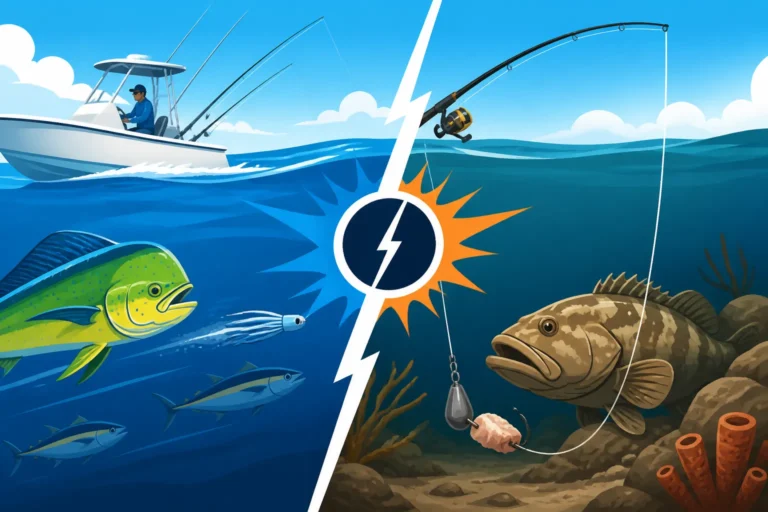
One of the biggest headaches for any angler in Florida is keeping up with the ever-changing fishing regulations, and grouper season is no exception. It's incredibly frustrating to plan a trip, get all your gear ready, only to find out your favorite species is closed for harvest or the limits have changed. This comprehensive guide is here to untangle all the complexities of Florida's grouper seasons, breaking down everything you need to know to fish legally and successfully, whether you're targeting them in the Gulf or Atlantic.
Understanding Florida's Grouper Population and Why Seasons Exist
Florida's waters are a haven for a variety of grouper species, magnificent fish that are both a joy to catch and a delicious meal. However, these slow-growing, long-lived fish are particularly susceptible to overfishing, which is precisely why the state and federal governments implement strict seasons and limits. Without these crucial regulations, future generations of anglers might not have the same opportunities we do today.
The Lifecycle and Habits of Florida Grouper Species
Florida is home to a diverse array of grouper, each with its own quirks and preferred habitats. The most commonly targeted species include Gag Grouper, Red Grouper, Black Grouper, and Scamp. While many anglers lump them all together, understanding their individual lifecycles and habits is key to successful and sustainable fishing.
Gag Grouper, often called "Gags," are migratory and can be found in a variety of habitats, from shallow nearshore reefs and rocky bottoms to deeper offshore structures. They are protogynous hermaphrodites, meaning they start life as females and later transition to males. This unique reproductive strategy makes them especially vulnerable to fishing pressure, as removing larger, older males can significantly impact spawning success. They are ambush predators, often hiding in crevices and darting out to snatch prey like baitfish and crustaceans.
Red Grouper prefer hard bottom areas, coral reefs, and rocky ledges, usually in deeper waters than Gags. They are more sedentary than Gags and don't undertake extensive migrations. Like Gags, they are also protogynous hermaphrodites. Red Grouper are known for their distinctive red-brown coloration and the darker blotches on their sides, helping them blend into their rocky surroundings. Their diet is similar to other grouper, consisting mainly of smaller fish, crabs, and shrimp.
Black Grouper are true giants of the grouper family, often found on deep reefs, wrecks, and rocky structures in both the Gulf and Atlantic. They are notoriously powerful fighters, making them a prized catch for many offshore anglers. They are also protogynous hermaphrodites, growing to impressive sizes. Their dark, mottled appearance provides excellent camouflage in the deeper, dimly lit environments they inhabit.
Scamp Grouper, while smaller than their Gag or Black counterparts, are highly prized for their delicate, flaky white meat. They are typically found in deeper waters, often over rocky ledges, rubble, and small caves. Their elongated bodies and distinctive coloration set them apart. They are also protogynous hermaphrodites, maturing quickly but not reaching the same size as other grouper.
Then there's the Goliath Grouper, a truly enormous species that can weigh hundreds of pounds. Unlike the others, Goliath Grouper are strictly protected in both state and federal waters due to severe population declines in the past. It is illegal to harvest them, and catch-and-release is heavily regulated to ensure their survival. While a limited harvest season was recently implemented, specific permits and strict regulations apply, making it generally a catch-and-release experience for most anglers. Knowing the difference between these species is absolutely crucial, not just for identification, but for adhering to proper regulations.
Conservation Efforts and Sustainable Fishing Practices
The implementation of grouper seasons, size limits, and bag limits isn't just arbitrary rule-making; it's the result of extensive scientific research and a commitment to conservation. Agencies like the Florida Fish and Wildlife Conservation Commission (FWC) and NOAA Fisheries tirelessly monitor grouper populations, assessing spawning success, growth rates, and overall stock health.
These conservation efforts are designed to allow grouper populations to reproduce successfully, grow to a mature size, and contribute to a healthy ecosystem. For example, setting specific spawning season closures helps protect these fish when they are most vulnerable, concentrating to reproduce. Size limits ensure that fish have at least one chance to spawn before they are harvested, while bag limits prevent excessive take by individual anglers.
It’s a balancing act: providing fishing opportunities for recreational and commercial anglers while ensuring the long-term sustainability of the species. Anglers play a critical role in this. By understanding and adhering to these regulations, practicing proper catch-and-release techniques, and reporting any illegal activity, we contribute directly to the health of Florida's valuable grouper fisheries. The fees collected from your Florida Fishing License Guide also directly fund these vital conservation programs, which is a pretty cool thought when you think about it.
Decoding the Florida Grouper Season Calendar
Navigating Florida's grouper seasons can feel like trying to solve a complex puzzle, especially when you factor in the differences between the Gulf and Atlantic coasts, and state versus federal waters. The key is to remember that these seasons are dynamic and can sometimes be adjusted based on the latest scientific assessments. Always double-check the current regulations before heading out.
Gulf of Mexico Grouper Seasons Explained
The Gulf of Mexico is a prime grouper fishing ground, but it also has some of the most intricate regulations. The seasons here are primarily managed by NOAA Fisheries for federal waters and the FWC for state waters, though FWC often aligns its rules with federal guidelines to avoid confusion.
Gag Grouper in the Gulf are a particular focus. Historically, their season has often run from June 1st through December 31st in both state and federal waters, but there have been instances of shorter or longer seasons, or even mid-season adjustments, so this is one you absolutely must verify annually. For example, recent years have seen the season sometimes end earlier in state waters, or have different dates for specific regions like the Franklin, Wakulla, Taylor, and Jefferson counties (often referred to as the "red tide counties" due to historic impacts on fisheries). These specific regional closures or longer seasons are designed to address localized stock conditions or provide opportunities where populations are healthier. Always consult the FWC website for the most current dates, especially for zones like these.
Red Grouper in the Gulf typically enjoy a more consistent season. For both state and federal waters, Red Grouper are often open for harvest year-round, except for a brief closure that sometimes occurs in January and February. This closure is usually implemented to protect them during cooler water temperatures when they might be more vulnerable or during specific spawning periods. However, like all regulations, this can change.
Black Grouper, Scamp, and Yellowfin Grouper usually follow the same season as Red Grouper in the Gulf, often open year-round with a potential brief winter closure. It's less common for these species to have highly restrictive seasons compared to Gag Grouper, but they still fall under the broader Gulf reef fish management plan.
Here's a generalized table for quick reference, but remember: ALWAYS CHECK CURRENT REGULATIONS.
| Grouper Species | Gulf State & Federal Waters – Typical Season | Size Limit (Recreational) | Bag Limit (Recreational) | Notes |
|---|---|---|---|---|
| Gag Grouper | June 1 – Dec 31 (variable, confirm annually) | 24 inches total length | 2 per person, 4 per vessel | Can have regional variations/closures |
| Red Grouper | Open year-round (often closed Jan 1 – Feb 28) | 20 inches total length | 2 per person, 4 per vessel | Generally more consistent |
| Black Grouper | Open year-round (often closed Jan 1 – Feb 28) | 24 inches total length | 1 per person, part of 4-grouper aggregate | |
| Scamp Grouper | Open year-round (often closed Jan 1 – Feb 28) | 16 inches total length | 1 per person, part of 4-grouper aggregate | |
| Yellowfin Grouper | Open year-round (often closed Jan 1 – Feb 28) | 20 inches total length | 1 per person, part of 4-grouper aggregate |
Note: Aggregate bag limit typically means you can only keep 4 grouper per person per day in total, with specific limits on how many of certain species (like Gag, Red, Black, Scamp) can be included in that aggregate. For example, you might have a 4-grouper aggregate, but only 2 can be Gag, and only 2 can be Red, and only 1 can be Black, etc. This helps diversify the harvest pressure.
Atlantic Ocean Grouper Seasons Explained
The Atlantic side of Florida operates under a slightly different set of rules, largely managed by NOAA Fisheries and the South Atlantic Fishery Management Council (SAFMC), with FWC managing state waters. The seasons here tend to be a bit more straightforward for some species.
Gag Grouper in the Atlantic, including those off the Florida Keys, typically have a longer and more consistent season than their Gulf counterparts. It's generally open from May 1st through December 31st for recreational anglers in both state and federal waters. This allows for a good window of opportunity for those fishing the extensive reef systems along Florida's Atlantic coast.
Red Grouper are not as prevalent in the Atlantic as they are in the Gulf, but when encountered, they generally fall under the broader "snapper-grouper complex" regulations. Their season in the Atlantic is usually open year-round, similar to the Gulf, though always double-check.
Black Grouper, Scamp, and Yellowfin Grouper in the Atlantic typically follow the same pattern as Gag Grouper, often open from May 1st through December 31st. These seasons are designed to protect them during their spawning periods and allow populations to recover.
It's important to remember that the aggregate bag limit for grouper also applies in the Atlantic. This means you might be allowed to keep a certain number of grouper in total, but there will be specific limits on how many of each individual species you can retain.
Federal vs. State Waters: What You Need to Know
This distinction is perhaps the most critical and often confusing aspect of Florida grouper fishing regulations. Fishing rules can change dramatically as you cross the invisible line from state to federal waters.
State waters in Florida extend from the coastline out to 3 nautical miles in the Atlantic Ocean and out to 9 nautical miles in the Gulf of Mexico. Within these boundaries, the Florida Fish and Wildlife Conservation Commission (FWC) sets the recreational fishing rules, including seasons, size limits, and bag limits. Often, FWC tries to harmonize its rules with federal regulations to simplify things for anglers, but this is not always the case. There can be instances where a species is open in state waters but closed in federal, or vice-versa.
Federal waters, also known as the Exclusive Economic Zone (EEZ), pick up where state waters end. So, in the Atlantic, federal waters start beyond 3 nautical miles, and in the Gulf, they start beyond 9 nautical miles. These waters are managed by NOAA Fisheries, often in conjunction with regional fishery management councils like the Gulf of Mexico Fishery Management Council and the South Atlantic Fishery Management Council. The regulations here apply to any vessel, regardless of its home port, once it enters federal jurisdiction.
The implication for grouper fishing is huge:
- If you are fishing in federal waters, you must abide by federal regulations, even if you launched from a Florida port and only fish Florida's state waters on other trips. This includes federal seasons, size limits, and bag limits.
- If you are fishing in state waters, you must abide by FWC regulations.
- A "transit rule" sometimes applies, meaning if you caught legal fish in federal waters but are transiting through state waters where that species is closed, you might be allowed to do so as long as the fish are appropriately stowed and not actively being fished for. However, this rule has nuances and can be misinterpreted, so it's always best to be absolutely sure of the rules for both zones you'll be in.
The easiest way to tell the difference is often by depth or distance from shore, but a good GPS with nautical charts showing the boundaries is invaluable. Many modern chartplotters will clearly mark the state/federal water lines. When in doubt, always err on the side of caution and follow the more restrictive regulations. A great resource for checking these boundaries and rules is the FWC's "GoOutdoorsFlorida" app or website, as well as the NOAA Fisheries website. If you're heading out on a charter, your captain will be intimately familiar with these boundaries and their associated regulations. Just make sure to ask!
Key Grouper Species and Their Specific Regulations
Beyond the general season calendar, each prominent grouper species has its own set of rules regarding minimum size and daily bag limits. Ignoring these specific rules, even if the season is open, can land you in hot water with law enforcement. It's all about making sure each fish has a chance to contribute to the next generation.
Gag Grouper Regulations
Gag Grouper are arguably one of the most popular and sought-after grouper species in Florida, especially in the Gulf. This popularity, combined with their life history characteristics, means they are subject to some of the most stringent regulations.
The Gag Grouper season in the Gulf of Mexico has been particularly prone to changes in recent years, but typically aims for a summer-to-winter window. Historically, it has often opened around June 1st and closed around December 31st. However, don't take these dates as gospel; always confirm with FWC or NOAA Fisheries. For example, some years have seen a shorter season in certain state waters, particularly off the west coast of Florida. In the Atlantic, the season is generally more stable, often running from May 1st through December 31st. These season closures are specifically designed to protect Gag Grouper during their spawning periods, allowing them to reproduce undisturbed.
The size limit for Gag Grouper is typically 24 inches total length in both the Gulf and Atlantic. This minimum size ensures that most Gag Grouper have had at least one or two opportunities to spawn before they are harvested. Remember, "total length" means from the tip of the snout to the tip of the tail, squeezed together. Always carry a reliable measuring device on your boat. If you catch a Gag that's even a hair under the limit, it must be immediately released.
The bag limit for Gag Grouper is usually 2 fish per person per day. However, there's also a vessel limit to consider, which is typically 4 Gag Grouper per vessel, whichever is less. This means if you have three anglers on board, you can only keep 4 Gag Grouper in total, not 6 (3 anglers x 2 fish each). This vessel limit is a critical conservation measure, especially for species that tend to aggregate. Always pay attention to both the individual bag limit and the vessel limit.
It's also worth noting that Gag Grouper contribute to the overall "aggregate bag limit" for grouper species. In the Gulf, for example, there's often an aggregate bag limit of 4 grouper per person, but within that, you can only have 2 Gag Grouper. This system encourages diversity in catch and reduces pressure on any single species.
Red Grouper Regulations
Red Grouper are another fantastic species found throughout Florida's waters, especially abundant in the Gulf of Mexico. Their regulations tend to be a bit more stable than Gag Grouper, offering more consistent fishing opportunities.
The Red Grouper season in the Gulf of Mexico is generally open year-round, though it has seen occasional brief closures, typically during January and February, to protect the stock during cooler months or specific spawning periods. It's always a good idea to check the FWC and NOAA Fisheries websites for any temporary closures or changes, as these can be announced with relatively short notice. In the Atlantic, Red Grouper are less common but also typically open year-round. This longer season reflects the current healthy status of Red Grouper populations and their different life history compared to Gags.
The size limit for Red Grouper is typically 20 inches total length in both Gulf and Atlantic state and federal waters. This is a crucial number to remember. Red Grouper are often caught alongside other grouper species, and mistakenly keeping an undersized Red Grouper can lead to serious penalties. Again, measure carefully from the snout to the tip of the tail.
The bag limit for Red Grouper is generally 2 fish per person per day. Similar to Gag Grouper, there's also a vessel limit, which is usually 4 Red Grouper per vessel, whichever is less. This means even if you have multiple anglers, you can't exceed the vessel limit for Red Grouper. This helps manage the overall harvest pressure.
Red Grouper also count towards the general grouper aggregate bag limit. For instance, if the aggregate limit is 4 grouper per person, and you've already kept 2 Red Grouper, you'd only be able to keep 2 more grouper of other species (following their specific limits). Always keep track of your catch to avoid exceeding these limits.
Other Popular Grouper Species Regulations (Black, Scamp, Yellowfin)
While Gag and Red Grouper often grab the spotlight, Florida's waters are home to several other delicious and exciting grouper species, each with its own set of regulations to keep in mind.
Black Grouper are known for their powerful fights and large size. In both Gulf and Atlantic state and federal waters, Black Grouper typically follow a similar season to Red Grouper, often open year-round with potential brief winter closures (e.g., January and February). The size limit for Black Grouper is generally 24 inches total length. The bag limit is usually 1 fish per person per day, and this counts towards the aggregate grouper bag limit (e.g., if the aggregate is 4, and you keep one Black Grouper, you have 3 remaining slots for other species like Gag or Red). Given their size, catching even one Black Grouper can be a memorable experience.
Scamp Grouper, a smaller but highly prized species, are found primarily in deeper waters. Their season in both the Gulf and Atlantic is usually open year-round, again with possible brief winter closures. The size limit for Scamp Grouper is typically 16 inches total length, making them a good target for those looking for a different challenge. The bag limit is usually 1 fish per person per day, and this also counts towards the aggregate grouper bag limit. Scamp are particularly known for their excellent table fare.
Yellowfin Grouper are another species you might encounter, especially in the deeper waters of the Florida Keys and the Atlantic. Their regulations generally mirror those of Black Grouper, with a typical year-round season (potential winter closures). The size limit for Yellowfin Grouper is usually 20 inches total length. The bag limit is 1 fish per person per day, and this also counts toward the aggregate.
It's crucial to be able to identify these species accurately. Misidentifying a Black Grouper as a Gag Grouper, for example, could lead to keeping an illegal fish if the seasons or limits differ. Many fishing apps, like the FWC Fish Rules App, are incredibly helpful for quick identification and checking current regulations on the fly. Carrying a copy of current regulations or having an up-to-date app on your phone is just as important as having the right bait.
Essential Permits and Licenses for Grouper Fishing
Before you even think about dropping a line for grouper, you need to make sure your paperwork is in order. Florida has clear requirements for fishing licenses, and sometimes, additional endorsements are needed, especially when targeting certain species in specific waters. Don't let a simple oversight ruin your trip.
General Florida Fishing License Requirements
For most recreational anglers, the foundation of legal fishing in Florida is a valid saltwater fishing license. There's a common misconception that if you're fishing from a boat, or just catching and releasing, you don't need one. That's rarely the case.
Almost everyone between the ages of 16 and 64 needs a Florida Saltwater Fishing License to legally harvest marine fish, including grouper. This applies whether you're fishing from shore, a pier, a kayak, or a private boat. If you're an out-of-state visitor, you'll need a Florida Nonresident Fishing License Rules to enjoy the state's incredible fishing. Residents, of course, have access to specific Florida Resident Fishing License Rules and costs.
There are some key exemptions to be aware of:
- Florida Residents Over 65: If you're a Florida resident aged 65 or older, you are exempt from the recreational fishing license requirement, but you'll need to carry proof of age and residency, like a Florida Driver's License or ID card. Many seniors choose to get a Florida Resident Senior Citizen Hunting and Fishing Certificate for convenience.
- Kids Under 16: Children under 16 years of age do not need a Florida fishing license.
- Active Military (on leave): Florida residents who are active duty military personnel home on leave, and non-residents who are active duty military stationed in Florida, may have specific exemptions. It's best to check the exact Florida Military Fishing License Exemptions from the FWC directly.
- Fishing on a Licensed Pier/Charter: If you're fishing from a pier that has purchased a valid pier fishing license from the state, you don't need an individual license. Similarly, if you're fishing on a licensed charter boat, the vessel's license covers all passengers, so you generally don't need your own individual Florida Charter Boat Fishing License Rules. This is why fishing with a charter is often a great option for visitors or those new to the area.
- Florida Free Fishing Days: There are a few designated Florida Free Fishing Days each year when residents and non-residents can fish without a license. However, all other regulations, like seasons, size, and bag limits, still apply.
You can easily How to Buy a Fishing License Online through the FWC website (GoOutdoorsFlorida.com), by phone, or in person at most tackle shops, Walmart, Bass Pro Shops, or county tax collector offices. Make sure you get the correct saltwater license, and if you plan to fish for both freshwater and saltwater species, a combination license might be a good idea. Having your license readily available, either a physical copy or a digital one on your phone via the GoOutdoorsFlorida app, is essential in case you're checked by law enforcement. Remember, fishing without the proper license can result in fines and even confiscation of your catch and gear, as outlined in What Happens If You Fish Without a License.
Special Permits and Federal Reef Fish Endorsements
While a standard Florida Saltwater Fishing License covers most recreational grouper fishing in state waters, venturing into federal waters or targeting specific species can sometimes require additional permits or endorsements.
For recreational anglers targeting reef fish in federal waters, no specific federal permit is typically required beyond your standard Florida saltwater fishing license, assuming you're fishing under recreational limits. The main thing to be aware of is that the regulations (seasons, size, bag limits) shift to federal rules once you cross that 3- or 9-mile line. Your Florida saltwater license is generally recognized for harvesting fish under federal recreational regulations.
However, there's a different story for commercial fishermen or those operating for hire. If you are a charter boat captain or guide taking paying customers into federal waters to target reef fish, the vessel must possess specific federal permits. This includes a valid federal Reef Fish Fishery Permit issued by NOAA Fisheries, and possibly a Gulf of Mexico or South Atlantic Coastal Migratory Pelagics permit, depending on what else you're targeting. For a recreational angler on such a charter, your individual license is typically covered by the boat's federal permit, but it's always good to confirm.
Another important distinction is for highly regulated species or certain harvest methods. For instance, the highly restricted harvest of Goliath Grouper, which became available with a limited lottery system in recent years, required specific permits and tags. This is not a general recreational opportunity and requires successful application through a specific FWC program. Similarly, spearfishing for grouper has its own nuances. While spearfishing for most grouper is permitted during their open seasons, always check specific local ordinances and FWC rules regarding spearfishing, as some areas may have restrictions or require specific gear like a spearfishing buoy.
Always be diligent. The FWC and NOAA Fisheries websites are the authoritative sources for all regulations. Before any trip, especially one targeting offshore grouper, take a few minutes to review the latest rules. You can also consult with experienced local bait and tackle shops, as they are often very up-to-date on immediate changes or upcoming season announcements.
Maximizing Your Chances: Best Times and Techniques for Grouper Fishing
Knowing when and where grouper are biting, and having the right gear, is just as important as knowing the regulations. These powerful bottom dwellers demand respect and the right approach if you want to bring them boatside.
Optimal Conditions and Fishing Techniques
Catching grouper consistently isn't just luck; it involves understanding their behavior and adapting your strategy to the conditions.
Tides: For grouper, especially those in shallower state waters, moving water is almost always better. An incoming or outgoing tide creates current, which stimulates feeding activity as baitfish are swept past their rocky lairs. Slack tide, when the water movement is minimal, can often be the slowest bite. While the moon phase can influence tides and fish activity, focusing on strong tidal flow is generally more effective.
Water Temperature: Grouper are exothermic, meaning their body temperature is regulated by the surrounding water. They become less active and often move to deeper, more stable temperatures during extreme cold fronts or intense summer heat. The Best Time of Year to Fish in Florida for grouper often coincides with moderate water temperatures. After a significant cold snap, grouper might be lethargic and less willing to bite. Conversely, in the scorching summer heat, they often prefer deeper, cooler water.
Weather Conditions: Calm seas are usually preferred for grouper fishing, as they make it easier to hold position over structures and feel subtle bites. However, grouper can bite in choppier conditions. Overcast days can sometimes extend feeding windows, as the reduced light makes them more comfortable venturing from cover. Avoid extreme weather, such as thunderstorms or strong winds, for safety reasons and because fish behavior can be unpredictable.
Fishing Techniques:
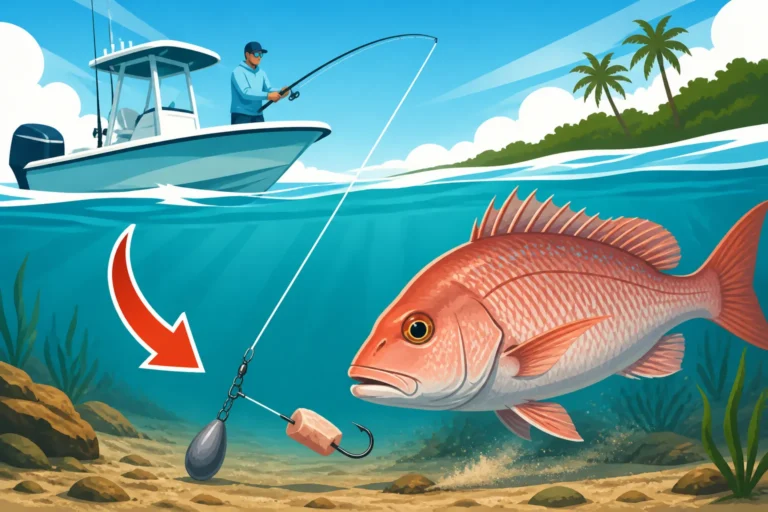
- Bottom Fishing: This is the bread and butter of grouper fishing. Use a heavy lead sinker to get your bait quickly to the bottom, where grouper reside. A standard "knocker rig" (sinker directly above the hook) or a "Carolina rig" (sinker above a swivel, then a leader to the hook) are popular choices. Drop your bait directly into structure or just off the edge. Once you feel a bite, be ready to set the hook hard and crank like mad to get the fish away from the structure before it can "rock you up" (cut your line on rocks or coral).
- Jigging: Vertical jigging with heavy metal jigs can be incredibly effective, especially for Gag and Black Grouper. Drop the jig to the bottom, then aggressively retrieve it with a series of sharp upward jerks and drops. The erratic action mimics fleeing baitfish. This technique is often more engaging and can trigger aggressive strikes.
- Drift Fishing: When covering large areas of hard bottom or patchy reef, drift fishing can be productive. Allow your boat to drift over likely areas, dragging your baits or jigs across the bottom. This covers more ground and helps locate active fish.
- Live Bait vs. Artificial Lures: Live bait is generally king for grouper. Pinfish, grunts, cigar minnows, sardines, and even squid are all excellent choices. For artificials, heavy jigs (butterfly jigs, slow-pitch jigs) are effective, as are large swimbaits or grub-style lures on heavy jig heads. Often, the choice between live bait and lures comes down to preference and conditions; sometimes, a lively pinfish is irresistible, while other times, a well-worked jig can outperform.
Locating Grouper Hotspots
Grouper are structure-oriented fish, meaning they gravitate towards anything that provides shelter, ambush points, or concentrates baitfish. Finding these "hotspots" is paramount to success.
Natural Reefs and Ledges: Florida's coastline, particularly the Gulf, is dotted with natural limestone reefs, ledges, and rock piles. These areas provide ideal habitat for grouper and their prey. Look for changes in depth, hard bottom areas, and "swiss cheese" formations on your depth sounder. In the Florida Keys and along the Atlantic coast, expansive coral reefs and ledges also hold plenty of grouper. Finding a productive reef can lead to consistent catches, as described in guides to specific areas like the Florida Keys Fishing Guide or Tampa Bay Fishing Guide.
Artificial Reefs and Wrecks: Both state and federal agencies, along with private organizations, have deployed thousands of artificial reefs and sunk numerous wrecks off Florida's coasts. These provide instant habitat and become magnets for marine life, including grouper. The FWC maintains an extensive database of public artificial reefs. Wrecks, whether intentionally sunk or natural, are also prime grouper territory. The larger and more complex the structure, the more likely it is to hold big grouper.
Rock Piles and Rubble Areas: Even seemingly small rock piles or areas of scattered rubble on an otherwise sandy bottom can hold grouper. These "secret spots" are often found through diligent searching with a good fish finder. They may not show up as dramatically as a large wreck but can be equally productive.
Using Technology: A good fish finder or sonar unit is your best friend when locating grouper. Look for distinct bottom contours, hard returns indicating structure, and "arches" or "blobs" hovering near the bottom, which could be baitfish or the grouper themselves. Many modern units also offer side-imaging or down-imaging, which can reveal structure that a traditional 2D sonar might miss. GPS is essential for marking these spots once you find them, allowing you to return precisely.
Local Knowledge and Charts: Don't underestimate the value of local knowledge. Bait and tackle shop owners, experienced local anglers, and fishing forums can provide invaluable insights into productive areas. Nautical charts (paper or digital) show depth contours, bottom types, and marked structures, helping you narrow down your search. Many experienced anglers guard their specific "numbers" (GPS coordinates) closely, but general areas are often discussed.
Gear and Tackle Recommendations
Grouper are powerful fish that live in unforgiving environments. You need tackle that can stand up to the challenge. Skimping on gear will likely lead to heartbreak and lost fish.
Rods and Reels: For bottom fishing, you need a stout rod with a strong backbone, often rated for 50-80 lb test line. This allows you to exert maximum pressure to turn a grouper away from structure. Paired with this, a conventional reel (like a Penn Fathom, Shimano Talica, or Daiwa Saltiga) with a high retrieve rate and a strong drag system is ideal. Look for reels that can hold at least 300 yards of 50-80 lb braided line. For shallower water or jigging, a heavy-duty spinning setup can also work, but conventional reels generally offer more cranking power. Many anglers find great deals on these types of setups on platforms like Amazon.
Line and Leader:
- Main Line: Braided line is almost a must for grouper fishing. Its thin diameter, incredible strength, and zero stretch allow for maximum sensitivity and power. Use 50-80 lb braided line, depending on the size of grouper you anticipate and the depth.
- Leader: This is where you connect to your hook. You'll need very abrasion-resistant monofilament or fluorocarbon leader, typically 60-100 lb test. Fluorocarbon offers excellent invisibility and abrasion resistance, but good quality monofilament is also effective and often more affordable. The length of your leader can vary, from a few feet to ten feet, depending on conditions and fishing style. Heavy leaders are crucial to withstand the rough mouths and sharp gill plates of grouper, as well as the abrasive structure they inhabit.
Hooks: Use strong, sharp, corrosion-resistant hooks. Circle hooks are often mandatory in federal waters and are highly recommended everywhere else for their effectiveness in hooking fish in the corner of the mouth, reducing gut hooking and improving release survival. Sizes can range from 7/0 to 12/0, depending on your bait size and target species. Brands like Mustad, Owner, or Gamakatsu are popular choices for their strength and sharpness.
Sinkers: You'll need plenty of heavy lead sinkers to get your bait down quickly and keep it on the bottom in strong currents. Egg sinkers, pyramid sinkers, or bank sinkers ranging from 4 ounces to 24 ounces (or even more in deep water with strong current) are common. Have a variety on hand.
Essential Accessories:
- Heavy-duty cut-resistant gloves: Grouper have sharp gill plates and can thrash around. Protect your hands.
- Dehooking tool: Essential for safely removing hooks, especially when practicing catch and release.
- Descending device or venting tool: Critical for deep-water grouper to address barotrauma (more on this later).
- Large cooler with ice: For keeping your legal catch fresh.
- Measuring device: A reliable tape measure or fish ruler for accurate length verification.
- Net or gaff: A sturdy net for smaller grouper or a flying gaff for larger ones. Ensure your gaff is within legal length limits for recreational use.
Outfitting yourself with the right gear can feel like an investment, but it's one that pays off in successful trips and fish in the cooler. Shopping for fishing gear, whether from local shops or online retailers like Amazon, allows you to compare different brands and find what works best for your budget and fishing style.
Navigating Regional Variances and Emergency Closures
Just when you think you've got the seasons down, Florida throws another curveball: regional differences and the potential for emergency closures. Staying nimble and informed is key to avoiding disappointment and staying compliant.
Geographic Differences in Seasons and Limits
Florida is a large state with diverse marine environments, and what's true for the Panhandle might not be true for the Keys. These geographic differences in grouper seasons and limits are typically driven by localized stock assessments, environmental factors, or unique fishing pressures in certain areas.
One of the most notable examples of regional variance often applies to Gag Grouper in the Gulf of Mexico. While a general Gulf-wide season is usually announced, there have been specific carve-outs or different season lengths for certain counties, particularly those impacted by events like severe red tide outbreaks. For example, the waters off Franklin, Wakulla, Taylor, and Jefferson counties (sometimes known as the "Big Bend" area) have, in some years, had extended seasons or different management measures due to specific ecological conditions or lower fishing pressure compared to more populated areas further south. These localized regulations are intended to allow for more nuanced management based on the specific health of grouper stocks in those regions.
Similarly, even within federal waters, the Gulf of Mexico Fishery Management Council might implement different rules for the eastern versus western Gulf, though this is less common for recreational grouper seasons off Florida. The Atlantic coast, managed by the South Atlantic Fishery Management Council, generally has more uniform grouper regulations across its entire Florida stretch, but specific areas like the Florida Keys might have additional local ordinances or marine protected areas (MPAs) that affect where and how you can fish. Always check not just state and federal rules, but also local city or county regulations, especially if fishing near sensitive areas or preserves. Knowing the Florida Fishing Regulations and Bag Limits for specific areas is crucial.
Staying Informed on Current Regulations
Given the dynamic nature of fishing regulations, relying on outdated information is a recipe for disaster. The rules can change, sometimes with little advance notice, especially if there's an emergency closure.
Here's how to stay on top of the latest grouper regulations:
- FWC Website (MyFWC.com): This is your absolute go-to source for Florida state water regulations. The FWC website has a dedicated section for saltwater regulations, updated regularly. They provide easy-to-read summaries and often post news releases about upcoming changes or emergency closures.
- NOAA Fisheries Website (Fisheries.NOAA.gov): For federal water regulations, NOAA Fisheries is the authority. Their website offers detailed information on federal seasons, size limits, and bag limits for various species, including grouper in both the Gulf and South Atlantic.
- GoOutdoorsFlorida App: This official FWC app is a lifesaver. You can download it to your smartphone and it allows you to easily check current regulations, seasons, and bag limits for virtually any species based on your location. It's a quick and reliable way to verify information right on the water.
- FWC Daily News/Social Media: FWC often uses its news releases and social media channels (Facebook, X/Twitter) to announce urgent changes or upcoming season dates. Following these sources can keep you updated in real-time.
- Local Bait and Tackle Shops: These establishments are often at the forefront of regulation changes. The staff typically deals with anglers daily and can offer practical advice and updates on local rules. Building a relationship with a good local shop can be invaluable.
- Sign Up for Email Alerts: Both FWC and NOAA Fisheries offer email notification services. Subscribing to these alerts ensures you receive direct updates on regulatory changes as they happen.
It’s your responsibility as an angler to know and follow the rules. Claiming ignorance won't excuse a violation. Make it a habit to check the regulations a day or two before every fishing trip, as a quick check can save you from a costly fine or potential legal trouble. This diligence is part of being a responsible steward of Florida's incredible marine resources.
Responsible Grouper Fishing: Catch and Release and Ethical Practices
Ethical angling goes beyond just following the rules; it encompasses responsible practices that ensure the health and survival of the fish, especially those you intend to release. Grouper, particularly when caught from deep water, require special care.
Best Practices for Handling and Releasing Grouper
When a grouper hits the deck, the clock starts ticking. Proper handling is crucial for increasing the survival chances of released fish.
- Minimize Fight Time: The longer a fish fights, the more exhausted it becomes, reducing its ability to recover after release. Use appropriately sized tackle that allows you to quickly subdue the fish. A powerful rod and reel will help you turn the fish away from structure and bring it to the boat efficiently.
- Gentle Handling: Avoid excessive handling or dropping the fish. If possible, keep the fish in the water while dehooking. If you must bring it aboard, support its body horizontally and avoid touching its gills or eyes.
- Quick Dehooking: Use a dehooking tool to remove hooks quickly and cleanly. If the hook is deeply swallowed, cut the line as close to the hook as possible. Attempting to dig out a deeply swallowed hook often does more harm than good.
- Avoid Venting (Unless Necessary) / Use Descending Devices: This is critical for grouper caught from deeper waters. When fish are brought up from depth, they often suffer from barotrauma (rapid expansion of gases in their swim bladder). Signs include a protruding stomach, bulging eyes, or an inability to swim back down.
- Descending devices are the preferred method for releasing barotrauma-affected fish. These devices clip onto the fish's jaw or lip and use a weight to quickly return the fish to its original depth, allowing its swim bladder to recompress naturally. Once at depth, the device releases the fish. Examples include the SeaQualizer or other weighted clips. These are widely available, including on Amazon.
- Venting tools (a hollow needle) can be used to puncture the swim bladder and release excess gas. This should only be done as a last resort and by experienced anglers, as improper venting can cause more damage. Target the area just behind the pectoral fin and lateral line, puncturing only deep enough to release gas. Always use a specialized venting tool, not a knife or ice pick.
- Proper Release: Once dehooked and, if necessary, treated for barotrauma, gently release the fish headfirst back into the water. Ensure it swims away strongly. If it's struggling, hold it upright in the water and gently move it back and forth to force water over its gills until it regains strength.
These practices aren't just good etiquette; they are vital to the long-term health of our grouper populations. Every successfully released fish is a step towards a sustainable fishery.
Preventing Barotrauma and Protecting the Resource
Barotrauma is a significant concern for deep-water grouper and reef fish. When fish are rapidly brought to the surface from depths greater than about 30 feet, the gases in their swim bladder expand due to the decrease in pressure. This can cause organ damage and prevent the fish from swimming back down.
Understanding Barotrauma: The swim bladder is a gas-filled organ that helps fish maintain buoyancy. As a fish ascends, the gas in the bladder expands. If the ascent is too rapid, the fish can't naturally vent this excess gas quickly enough, leading to barotrauma. This causes the fish to float helplessly on the surface, making it vulnerable to predators or simply unable to survive.
Mitigating Barotrauma:
- Use Descending Devices: As mentioned, descending devices are the most effective and recommended method. They return the fish to depth, allowing the swim bladder to recompress. FWC strongly encourages their use. They are relatively inexpensive and can dramatically increase post-release survival.
- Venting (Last Resort): If a descending device isn't available, and the fish shows signs of barotrauma, venting may be necessary. It's crucial to use a proper, sterilized venting tool and know exactly where to insert it. The goal is to release just enough gas for the fish to swim down, not to completely deflate the bladder. Incorrect venting can be fatal.
- Minimize Surface Time: The less time a fish spends at the surface with barotrauma, the better its chances. Act quickly to treat and release the fish.
- Fish Smart: If you're consistently catching undersized or out-of-season grouper from deep water, consider moving to a different spot or shallower depths to reduce the incidence of barotrauma.
By actively taking steps to prevent and treat barotrauma, anglers play a crucial role in protecting grouper stocks. The FWC even provides educational resources and promotes the use of descending devices, recognizing their importance in conservation. It's not just about what you keep; it's about how you treat what you release.
Common Mistakes and How to Avoid Them
Even seasoned anglers can make mistakes, but when it comes to grouper fishing, some errors can be particularly costly, both for your wallet and for the health of the fishery. Being aware of these pitfalls can help you have a more successful and compliant trip.
Misinterpreting Regulations and Consequences
One of the most frequent and impactful mistakes is simply not understanding the current regulations. With the differences between Gulf and Atlantic, state and federal waters, and species-specific rules, it's easy to get confused.
Common Misinterpretations:
- Assuming Gulf rules apply to the Atlantic (or vice-versa): While there's often overlap, the seasons for Gag Grouper, for example, can be quite different between the two coasts. Always check the specific regulations for the body of water you're fishing.
- Ignoring the State vs. Federal Water Line: This is a big one. Many anglers inadvertently cross into federal waters without realizing they are now subject to a different set of rules. This is particularly problematic if a species is open in state waters but closed in federal, or if size/bag limits differ.
- Forgetting Aggregate Limits: Remembering the individual species bag limit is one thing, but forgetting the overall aggregate limit for grouper (e.g., 4 grouper per person, but only 2 can be Gag) can lead to over-harvesting and fines.
- Incorrect Measuring: Measuring from the wrong point (e.g., fork length instead of total length) or using an unreliable measuring device can result in keeping an undersized fish. Always know the correct measurement method for each species (typically total length for grouper).
- Outdated Information: Relying on what "used to be the rule" or information from last season is a common pitfall. Regulations change.
Consequences of Violations: Fishing violations in Florida are taken seriously. The penalties for keeping undersized, out-of-season, or over-limit grouper can be severe:
- Fines: Expect substantial monetary fines, which can range from hundreds to thousands of dollars per violation.
- Confiscation: Your catch, fishing gear, and even your boat can be confiscated by law enforcement.
- License Suspension/Revocation: Repeat offenders or those with serious violations may have their fishing license suspended or permanently revoked.
- Criminal Charges: In egregious cases, particularly those involving commercial quantities or highly protected species (like Goliath Grouper), criminal charges can be filed.
The cost of a simple mistake can be far greater than the value of the fish. Always take the time to review the FWC and NOAA Fisheries regulations before each trip. Use the GoOutdoorsFlorida app, check the websites, or call your local FWC office if you have questions. Ignorance of the law is not a valid defense.
Inadequate Gear and Preparation
Beyond regulatory blunders, another common set of mistakes revolves around underestimating grouper and the environment they live in. Inadequate gear and poor preparation can quickly turn an exciting trip into a frustrating and potentially dangerous one.
Under-Gearing: Grouper are notoriously strong fighters, especially those residing in heavy structure.
- Using too light a rod/reel combo: This is a common mistake for newer anglers. A light setup might be fun for smaller fish, but it won't have the backbone to turn a large Gag or Black Grouper away from a rock pile. The fish will simply "rock you up," cutting your line on the sharp coral or rock. Invest in proper heavy-duty tackle; otherwise, you'll spend more time re-tying and less time fishing.
- Weak Line/Leader: Monofilament main lines have too much stretch for effectively setting the hook and fighting grouper away from structure. Using too light a leader, or one not resistant to abrasion, will inevitably lead to break-offs. Grouper have abrasive mouths and will rub your line against sharp structures.
- Dull or Weak Hooks: A dull hook won't penetrate the grouper's tough mouth, resulting in missed bites. Weak hooks will straighten under the immense pressure of a battling grouper. Always use strong, sharp, corrosion-resistant hooks.
Lack of Essential Accessories:
- No measuring device: Without a reliable ruler or tape, you cannot accurately verify if your catch meets the size limit. Guessing is not an option.
- Missing dehooking/venting tools: Releasing fish, especially those with barotrauma, without the proper tools greatly reduces their survival chances. This is both unethical and a waste of the resource. Make sure you have both a long dehooker and a descending device or venting tool onboard.
- Insufficient Bait/Ice: Running out of bait on a hot bite is infuriating. Not having enough ice to properly chill your catch can ruin the quality of the fish you legally kept. Always over-prepare in these areas.
Poor Boat Positioning: Grouper fishing often requires precise boat control to stay on top of or just off the edge of structure. If you're constantly drifting off target, you'll spend more time repositioning than fishing.
- Anchor Management: Learn how to effectively anchor over structure in varying depths and currents. This might involve using two anchors or a carefully calculated single anchor drop.
- Trolling Motor/Spot Lock: For many, a good electric trolling motor with GPS "spot lock" technology (like those from Minn Kota or Rhodan) has revolutionized grouper fishing, allowing you to hold position precisely over a spot without anchoring. This is a significant investment but a game-changer for reef fishing.
Ignoring Safety: While not directly fishing-related, safety should always be paramount. Rough seas, fast boats, and heavy tackle can be dangerous. Always wear a life vest, especially when underway or in rough conditions, and ensure all your safety equipment is onboard and in good working order.
By addressing these common mistakes, you'll not only increase your chances of catching grouper but also ensure a safer, more enjoyable, and compliant fishing experience in Florida's beautiful waters.
Disclaimer
Please note that fishing regulations, including seasons, size limits, and bag limits, are subject to change by the Florida Fish and Wildlife Conservation Commission (FWC) and NOAA Fisheries. While every effort has been made to provide accurate and up-to-date information in this guide, it is ultimately the angler's responsibility to verify current regulations before fishing. Always consult the official FWC and NOAA Fisheries websites, or use the GoOutdoorsFlorida app, for the most current and authoritative rules.