Florida Bass Spawning Season
There’s nothing quite like the anticipation of a big bass biting, but if you’ve spent any time on Florida’s freshwater lakes, you know that trying to pinpoint when and where those largemouth bass are doing their thing can feel like a guessing game. It’s frustrating when you hear about trophy catches, only to find the fish seemingly vanished. This comprehensive guide is here to unravel the mysteries of the Florida bass spawning season, equipping you with the knowledge to find and ethically catch these incredible fish.
Understanding the Bass Spawning Cycle in Florida
For many anglers, the term "spawning season" immediately conjures images of big, fat bass aggressively guarding their nests, making them an exciting target. But it's more than just a specific calendar date; it's a complex biological process driven by environmental cues, crucial for the health of Florida’s bass populations. Knowing this cycle is the cornerstone of successful and responsible bass fishing.
Why Spawning Season Matters for Anglers
If you're after that trophy largemouth, the spawning season is often your best bet. Why? Because during this time, bass are focused on one primary goal: reproduction. This means they move into shallower, more accessible areas, making them easier to locate. They become hyper-territorial, aggressively striking anything they perceive as a threat to their eggs or fry, which can often include your cleverly presented lure. Understanding this behavior allows you to anticipate their movements and reactions, significantly increasing your chances of a hook-up. For a broader perspective on timing your trips, you might find our guide on the Best Time of Year to Fish in Florida helpful.
The Ideal Conditions for Bass Spawning
Bass are creatures of comfort, and their spawning ritual is no exception. They’re looking for a specific set of environmental conditions that signal it’s time to reproduce. The most critical factor is water temperature. Typically, Florida largemouth bass begin to think about spawning when water temperatures consistently reach the high 60s Fahrenheit (around 62-68°F or 17-20°C). This isn't a hard and fast rule, as other factors like daylight hours, moon phases, and even barometric pressure can play a role. Beyond temperature, they need calm, relatively clear water with a firm bottom – usually sand, gravel, or even matted vegetation – where they can construct their nests without disturbance. Heavy winds or sudden cold fronts can delay or disrupt the process entirely, forcing bass to retreat to deeper water until conditions stabilize.
Key Stages of the Bass Spawning Process
The bass spawning cycle isn't a single event but a series of distinct stages, each offering different angling opportunities. It starts with the "pre-spawn," where bass, particularly the larger females, gorge themselves on baitfish and crawfish to build up energy reserves. They're fat, hungry, and actively moving towards their chosen spawning grounds. This is a fantastic time to catch aggressive, heavy fish. Next comes the "spawn," where the females lay their eggs in saucer-shaped nests, and the males fertilize and guard them. During this phase, bass are highly visible and protective. Finally, the "post-spawn" sees the females, exhausted from laying eggs, retreating to slightly deeper water to recover, while the males continue to guard the fry for a period before moving off themselves. Each stage requires a slightly different approach, both in terms of location and Florida Bass Fishing Techniques.
When Does Florida Bass Spawning Season Actually Happen?
Unlike states further north, Florida doesn't experience a short, distinct bass spawning season. Our milder winters mean the spawn can kick off much earlier and stretch out over several months, sometimes even starting in late fall and continuing into spring. This extended window can be both a blessing and a curse for anglers, making it harder to predict the exact peak in any given location.
Regional Variations Across the Sunshine State
Florida is a long state, stretching from the temperate panhandle down to the subtropical Keys, and these regional differences significantly impact the bass spawn. In North Florida, where winter temperatures can be cooler, the spawn might not truly get going until late February or March. As you move south into Central Florida, around places like Lake Toho Fishing Guide in Central Florida or the Kissimmee Chain of Lakes, it’s not uncommon for bass to start bedding as early as January or even late December if conditions are right. And in extreme South Florida, like the Everglades canals, you might find some bass spawning practically year-round, with multiple waves throughout the cooler months. This variance means you can often chase the spawn by moving around the state, a unique advantage Florida offers.
The Role of Water Temperature in Triggering Spawning
As mentioned, water temperature is the biggest trigger. Think of it like a thermostat for the bass. When the water in a specific area consistently hits that sweet spot (usually between 62-68°F), bass start their preparations. A sudden cold front can drop water temperatures, effectively putting the brakes on spawning activity. The bass will then suspend or move to deeper, more stable water until the temperatures rise again. This is why paying close attention to weather forecasts and water temperature readings (which you can often find via local fishing reports or even on your boat's electronics) is crucial. Don't just assume because it's March, all bass are spawning everywhere. Always check the current conditions.
Early Bird vs. Late Bloomers: Extended Spawning Periods
Because Florida has such a long warm season, bass don't all spawn at once. You'll often find multiple "waves" of spawning fish. The biggest, most mature females (often the trophy fish) tend to be the "early birds," hitting the beds first. This initial wave might start in December or January in central and south Florida. Then, as spring progresses and more areas warm up, subsequent waves of smaller females will move in. This extended period means that even if you miss the initial peak in one spot, there’s usually another group of fish ready to spawn just around the corner. It also means that you might find bass in all three stages (pre-spawn, spawn, post-spawn) in different areas of the same large body of water, offering varied fishing opportunities.
Where Do Bass Spawn in Florida? Locating Those Beds
Finding bass during the spawn is largely about finding their beds. These aren't always obvious, but bass have specific preferences for where they like to build their nests. Knowing what to look for can save you a lot of time and fuel, putting you directly onto the fish.
Identifying Prime Spawning Bed Locations
Bass are meticulous about choosing their spawning sites. They look for areas that offer protection from predators, good sunlight penetration for egg development, and a stable bottom. Common hotspots include shallow flats, coves, and protected pockets in larger lakes. Look for areas with sand, shell, or gravel bottoms, especially near some sort of cover like lily pads, cattails, submerged grass beds, or even fallen trees. These covers provide shelter for the fry once they hatch. In canals and smaller ponds, they might bed right up against the seawalls or near docks. Pay close attention to wind-protected areas; bass prefer calm water for their nests to prevent eggs from being washed away. Many of the Best Freshwater Fishing Lakes in Florida will have these features in abundance.
Common Characteristics of a Bass Bed
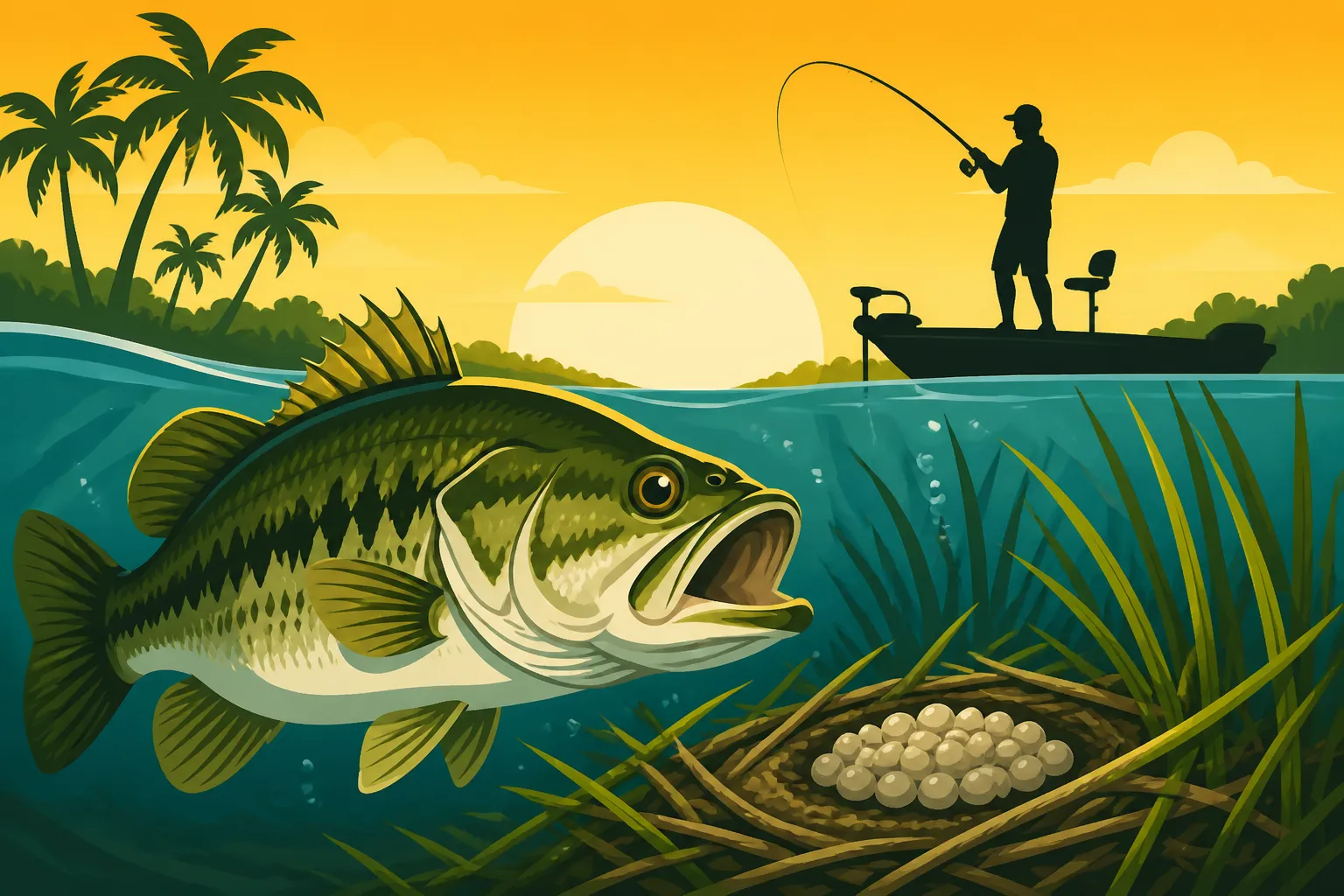
A bass bed is typically a circular, saucer-shaped depression on the bottom, usually about 1-3 feet in diameter, created by the male bass sweeping away debris with his tail. The bottom of the bed will often appear lighter in color compared to the surrounding area, as the darker muck or silt has been cleared away. You might even see pebbles or shell fragments exposed. When looking for beds, keep your eyes peeled for this lighter patch. Often, if you see one bed, there will be others nearby, as bass tend to spawn in loose colonies. Polarized sunglasses are your absolute best friend for spotting these subtle signs in Florida's often clear shallow waters. Look for the actual fish, too – male bass are usually guarding the bed, while the female might be nearby, occasionally moving on and off the nest.
Protecting Spawning Bass and Their Habitats
As anglers, we have a responsibility to protect these vital spawning grounds. Over-fishing beds can put unnecessary stress on the bass population and disrupt the reproductive cycle. Catch-and-release is highly encouraged during the spawn, especially for the larger, more productive females. If you do decide to keep a fish, be mindful of local regulations and bag limits. Handling bass gently, minimizing their time out of water, and releasing them quickly near their bed helps ensure their survival. Disturbing a bed unnecessarily or repeatedly targeting the same fish can lead to nest abandonment, impacting future generations. When you see a bed, observe it, but consider moving on if the fish is clearly stressed or if multiple anglers are already targeting it.
Effective Bass Fishing Techniques During Spawning Season
Once you've located the beds, the real fun begins. But catching these protective bass requires a nuanced approach. They're not necessarily hungry; they're territorial. Understanding this distinction is key to choosing the right lure and presentation.
Target the Bed: Sight Fishing Strategies
Sight fishing for bedding bass is one of the most exciting aspects of the spawn. It's a true cat-and-mouse game that tests your patience and precision. The goal isn't to make the bass eat your bait out of hunger, but to annoy it into striking out of aggression. You'll want to cast your lure just past the bed and slowly drag it into the nest. Let it sit there, twitch it, and let it annoy the bass. The male guarding the nest will often pick it up and move it off the bed multiple times before finally committing to a strike. Watching their reaction is crucial. Sometimes they'll just nose it, other times they'll flare their gills. The strike can be subtle, so keep a tight line and be ready to set the hook at any unusual movement. This is where a good pair of polarized sunglasses and a quiet approach, perhaps with a trolling motor on low, really shines.
Lure and Bait Choices for Spawning Bass
When it comes to lures for bedding bass, natural colors and soft plastics often outperform flashy baits. Think subtle presentations that mimic something invading their space. Some of the most effective options include:
- Soft Plastic Worms & Lizards: These are classics for a reason. Rigged weightless or with a light Texas rig, they can be slowly dragged into the bed and left to sit. Their lifelike action when twitched can be irresistible. Brands like Zoom and Senko offer excellent choices.
- Jigs with Trailers: A jig-and-trailer combination, especially in darker or crawfish patterns, can mimic a bottom-dwelling intruder. Let it sit, twitch it, and watch for that subtle thump.
- Creature Baits: These oddly shaped soft plastics, with their flailing appendages, are perfect for irritating a guarding bass. They often look like crawfish or small critters that might try to steal eggs.
- Flukes/Soft Jerkbaits: When bass are a bit more active or chasing, a soft plastic fluke can be twitched aggressively over the bed. Check out our detailed guide on How to Fish a Soft Plastic Jerkbait for Bass.
Remember, the key is often repetition and patience. Sometimes it takes multiple casts and a variety of lures to trigger a strike. For more ideas, explore our guide on the Best Lures for Florida Bass Fishing.
| Lure Type | Best Use | Retrieval Style | Common Colors |
|---|---|---|---|
| Soft Plastic Worms | Annoying guarding bass on the bed | Drag, sit, twitch | Green Pumpkin, June Bug |
| Jigs w/ Trailers | Mimicking crawfish or bottom intruders | Hop, drag, let sit | Black/Blue, Green Pumpkin |
| Creature Baits | Aggression strikes, imitating invaders | Drag, twitch, deadstick | Watermelon, Black/Red |
| Flukes/Jerkbaits | Aggressive bass, chasing off intruders | Twitch, pause, dart | White, Smoke, Green Pumpkin |
| Spinnerbaits | Pre-spawn search, covering water | Steady retrieve, slow roll | Chartreuse/White, Gold |
Ethical Angling Practices During the Spawn
Beyond general catch-and-release principles, there are specific ethical considerations during the spawn. When a bass is on a bed, it’s particularly vulnerable. Avoid excessive harassment of a single fish. If a bass is caught quickly and cleanly, release it swiftly back to its bed so it can resume guarding its eggs. If a fish seems overly stressed or if it takes a long time to coax a strike, it's often best to move on to another area. Using single, barbless hooks can minimize damage. Also, be mindful of other anglers. Bass spawning areas can become popular, so maintaining respectful distances and avoiding loud noises will benefit everyone, including the fish. Your long-term enjoyment of Florida Largemouth Bass Fishing Guide depends on these conservation efforts.
Challenges and Considerations During the Florida Bass Spawn
While the spawning season offers incredible opportunities, it's not without its challenges. Florida's dynamic environment and the concentrated nature of the spawn can throw a few curveballs your way.
The Impact of Weather Changes and Cold Fronts
Florida is famous for its unpredictable weather, especially in late winter and early spring. A beautiful, warm week might suddenly be interrupted by a sharp cold front, plummeting air and water temperatures. When this happens, bedding bass can often abandon their nests or move to deeper water, making them much harder to find and catch. They become sluggish and less aggressive. Fishing after a cold front requires patience and often a slower, more subtle presentation in deeper adjacent areas. Conversely, a prolonged warm spell can accelerate the spawn, causing fish to move through the bedding cycle more quickly than anticipated. Always check the forecast and be prepared to adapt your strategy. Our article on How Cold Fronts Affect Winter Fishing in Florida goes into more detail.
Balancing Conservation with Catching Fish
The excitement of seeing a trophy bass on a bed can be intoxicating, but it’s vital to remember our role as stewards of the fishery. Catching a female bass off her bed, especially repeatedly, can severely impact her reproductive success. Many anglers choose to avoid targeting bedding females altogether, opting instead for pre-spawn or post-spawn fish, or focusing on the smaller, more numerous males guarding the beds. If you do target bedding fish, strict catch-and-release is the most responsible approach. Consider the long-term health of the bass population and the enjoyment of future generations of anglers. Organizations like the Florida Fish and Wildlife Conservation Commission (FWC) continuously monitor fish populations and adjust regulations to ensure sustainability.
Navigating Crowded Waters and Increased Angler Pressure
Because the spawn is such a prime time for trophy bass, popular lakes and access points can get crowded. You might find several boats or shore anglers targeting the same areas. This increased pressure can make bass warier and more difficult to catch. It also highlights the importance of angler etiquette:
- Respect personal space: Give other anglers ample room, especially if they’re sight fishing a bed.
- Minimize noise: Avoid loud motors or slamming tackle box lids. Sound travels far in calm, shallow water.
- Don't "jump" beds: If someone is working a bed, don't motor in and try to cut them off.
- Be patient: If your desired spot is occupied, either wait your turn or move to another area.
High-quality polarized sunglasses and quiet propulsion (like an electric trolling motor) become even more critical in crowded scenarios. Sometimes, the best strategy is to find less obvious, harder-to-reach spawning pockets that others overlook.
Planning Your Trip for Florida's Bass Spawning Peak
A successful spawning season trip isn't just about showing up; it's about smart planning. From researching your destination to assembling the right gear, a little preparation goes a long way.
Researching Specific Lakes and Their Patterns
Given Florida's regional variations, generic advice about "the spawn" won't always cut it. You need to do your homework on the specific lake or river you plan to fish. Local bait shops are an invaluable resource – they get daily reports and can tell you if fish are moving up, actively bedding, or if a cold front has pushed them back. Online fishing forums, local social media groups, and even YouTube channels dedicated to specific Florida fisheries can provide real-time updates and historical patterns. For example, the patterns on Lake Okeechobee Fishing Guide will be very different from those on the St. Johns River. Look for reports mentioning water temperatures, depth of beds, and general fish activity. Historical data can also show you typical peak times for that particular body of water.
Essential Gear and Supplies for Bed Fishing
When specifically targeting bedding bass, your gear needs to be dialed in for precision and stealth. Here's a quick rundown:
- Rods & Reels: Medium-heavy to heavy spinning or baitcasting outfits are common. A fast action tip is ideal for detecting subtle bites and setting the hook quickly. You don't need super heavy line, as you're often in relatively open water, but 12-20 lb fluorocarbon or monofilament will give you good control.
- Polarized Sunglasses: I cannot stress this enough. Good quality polarized sunglasses are non-negotiable for sight fishing. They cut the glare off the water, allowing you to see into the beds. Brands like Costa Del Mar or Maui Jim are popular among serious anglers, but even a decent pair from Amazon can make a world of difference.
- Electric Trolling Motor: Essential for stealthy navigation and precise boat positioning around beds without spooking fish.
- Shallow Water Anchors (Optional but Highly Recommended): Devices like Power-Poles or Talons allow you to silently anchor in shallow water, holding your boat steady while you work a bed.
- Selection of Soft Plastics: Stock up on various sizes and colors of worms, lizards, and creature baits in natural tones (green pumpkin, watermelon, junebug).
- Weight Assortment: From weightless to light Texas rig weights (1/16 oz to 1/8 oz) for different presentations.
- Hooks: Wide gap hooks (3/0 to 5/0) are excellent for soft plastics.
- Landing Net: A rubberized landing net is much gentler on fish if you plan to quickly photograph and release them.
Maximizing Your Chances for a Trophy Catch
Everyone dreams of that monster bass during the spawn. To maximize your chances, focus on the earliest parts of the spawning season. The biggest females tend to move up first, full of eggs, making them incredibly heavy. Target periods just after a stable warm spell when water temperatures are consistently in that prime range. Also, consider moon phases – many anglers believe that the full moon or new moon phases trigger more intense spawning activity. Early mornings and late evenings can be prime times when fish are less wary and light conditions are optimal for sight fishing. Remember to be patient, persistent, and pay close attention to the details – how the fish reacts to your lure, where it's positioned on the bed, and subtle changes in its behavior. Your ultimate goal of a Best Time of Year to Catch a Trophy Bass in Florida catch can be within reach with the right knowledge and effort.
Disclaimer
Fishing regulations and licensing requirements can change. Always consult the latest Florida Fish and Wildlife Conservation Commission (FWC) regulations before heading out. This guide provides general information and recommendations, but it is your responsibility to ensure compliance with all current laws.