Best Month to Catch Redfish in Florida
Trying to figure out the absolute best time to catch redfish in Florida can feel like a riddle wrapped in a mystery, especially with Florida's constantly changing weather and diverse ecosystems. You hear stories about epic bites in the fall, but then someone reels in a monster in the dead of summer, leaving you wondering if there's truly one magic month. This guide is here to untangle that, diving deep into when and where redfish are most active across the Sunshine State, helping you plan your next successful redfish adventure.
Understanding Redfish Behavior Throughout Florida's Seasons
Redfish, also known as red drum, are incredibly adaptable fish, thriving in both the salty estuaries and open flats of Florida's coastlines. Their behavior, however, shifts significantly with the changing seasons, largely dictated by water temperature, bait availability, and their own spawning cycles. Knowing these patterns is key to unlocking consistent redfish success, no matter the time of year.
Spring's Awakening Redfish Activity
As winter's chill finally gives way, Florida's waters begin a slow but steady warm-up, typically from March through May. This transition period is fantastic for redfish anglers. The increasing water temperatures, usually hitting the low to mid-70s Fahrenheit, really kickstart their metabolism, making them more active and hungry after a somewhat slower winter. You'll often find redfish pushing into shallower areas, especially vast grass flats, oyster bars, and the mouths of creeks and rivers, searching for forage.
During this time, the baitfish populations like pilchards, mullet, and pinfish start to rebound and grow, providing a rich buffet for hungry reds. They're not yet in full-on spawning mode, so they're mostly focused on rebuilding their energy reserves. Look for them tailing in shallow water during higher tides, or cruising along mangrove lines. It's a prime time for sight fishing on calm days, as the water clarity tends to improve, giving you a better chance to spot them. Knowing how to approach these fish without spooking them is crucial for success.
Summer's Heat and Redfish Habits
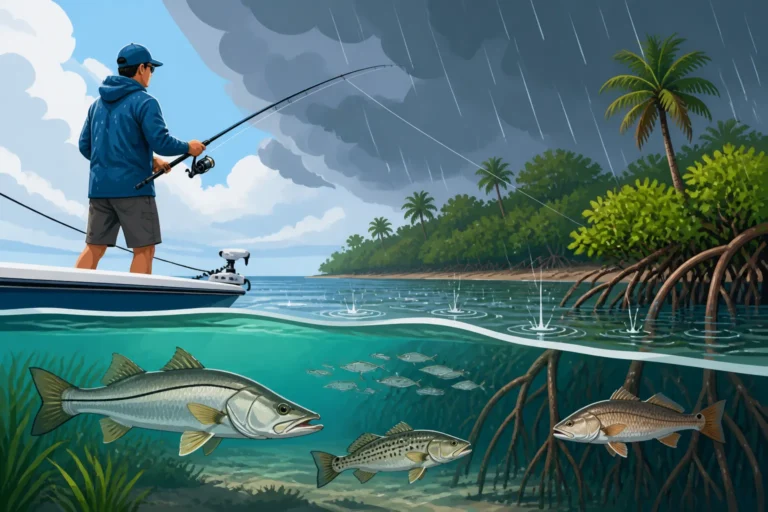
Florida summers, from June to August, bring scorching temperatures and often predictable afternoon thunderstorms. These conditions significantly impact redfish behavior, making them seek refuge from the heat and direct sun. You'll still find redfish, but you’ll need to adjust your tactics. Early mornings or late evenings, sometimes even venturing into night fishing, become the most productive times. The cooler water and lower light conditions bring the fish out of their shaded hideouts.
During the hottest parts of the day, redfish tend to move to deeper pockets, channels, or shaded structures like docks, bridges, and dense mangrove overhangs. They're still feeding, but often less aggressively and with more caution. The presence of these afternoon storms can also affect fishing, creating unpredictable wind shifts and currents. If you're planning a trip during this period, understanding Fishing Florida's Summer Thunderstorm Pattern can save your day. Live bait, such as pilchards or threadfin herring, fished close to structure can be incredibly effective, enticing a strike from a less active fish. While the heat presents challenges, it also creates opportunities for those willing to adapt, as the fish can be concentrated in predictable spots.
Autumn's Prime Redfish Run
When the calendar flips to September, October, and November, many seasoned anglers consider it the pinnacle of redfish fishing in Florida. The slightly cooler air temperatures, coupled with still-warm water, create ideal conditions. This period is famous for the "fall mullet run," a massive migration of baitfish along the coast. Redfish, along with many other predatory species, key in on this abundant food source, leading to aggressive feeding frenzies.
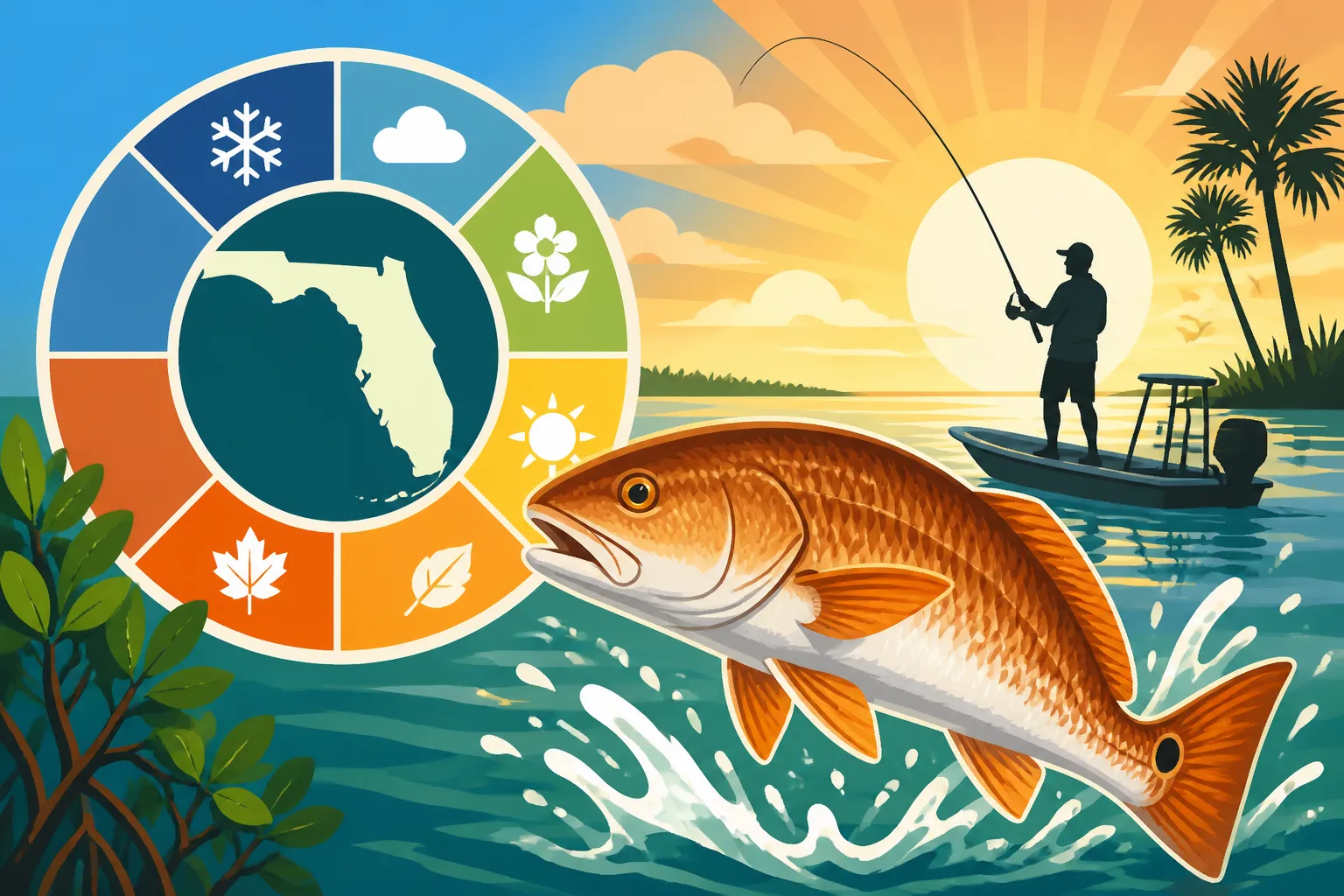
You'll often find large schools of redfish, particularly the larger "bull reds," pushing baitfish against shorelines, oyster bars, and into shallow coves. The sight of dozens of redfish chasing fleeing mullet is an unforgettable experience. This heightened activity makes them more susceptible to a wide range of baits and lures. Whether you prefer throwing topwater plugs at dawn, soaking a live mullet, or fan-casting soft plastics, the fall provides consistent action. It’s a time when redfish are less spooky and more focused on gorging themselves before winter, making it arguably the Best Month to Catch Redfish in Florida. Understanding their feeding patterns and local bait movements will exponentially increase your chances of hooking into a trophy red.
Winter's Chill and Cooler Water Tactics
December through February ushers in Florida's cooler season, characterized by cold fronts that can drop water temperatures dramatically, especially in northern and central Florida. Redfish, being cold-blooded, become less active as the water cools, and their metabolism slows. They'll often seek out warmer, deeper water in canals, protected creeks, or dark-bottomed mud flats that absorb more sunlight.
On bright, sunny winter days, you can often find redfish "sunning" themselves on shallow, dark-bottom flats. These fish can be incredibly wary, but if you approach cautiously, it offers some of the best sight fishing opportunities of the year. Lures should be presented slowly, mimicking a sluggish, cold-stunned baitfish. Live shrimp or small, slow-moving artificials are often the ticket. Patience is key, as bites can be subtle. While not the most consistently action-packed time, winter fishing for redfish can be highly rewarding for those who understand How Cold Fronts Affect Winter Fishing in Florida and adjust their tactics accordingly, offering a unique challenge and the chance for some truly beautiful clear-water catches.
Pinpointing the Absolute Best Months for Redfish
Alright, let's get right to it. While you absolutely can catch redfish year-round in Florida, if you're looking for the period that consistently offers the most abundant action, the largest schools, and the most aggressive bites, it boils down to one season: Autumn. Specifically, September, October, and November stand out as the prime window for targeting redfish across most of Florida.
The Fall Mullet Run Phenomenon
The legendary fall mullet run is the single biggest factor contributing to autumn's supremacy for redfish. Starting in late summer and peaking in September and October, millions of finger mullet migrate south along Florida's coastlines, creating an irresistible moving feast for redfish and other predators. It’s like a massive, prolonged buffet for them, and they are not shy about taking advantage.
During this time, redfish abandon their solitary or small-group habits and form massive schools, sometimes numbering in the hundreds, to ambush the passing mullet. This creates spectacular fishing opportunities. Imagine casting a topwater plug into a school of mullet, and suddenly, the water erupts as a bull red crashes your lure. It's a visual and visceral experience unlike any other. The fish are less finicky, more aggressive, and often easier to locate due to their schooling behavior. They'll be found patrolling shorelines, beaches, inlets, and passes where the mullet are concentrated. Even the most cautious redfish seems to throw caution to the wind when there's an endless supply of baitfish. Knowing Best Tides for Inshore Fishing in Florida during this period can give you an edge, as incoming or outgoing tides often funnel baitfish into predictable ambush points.
Regional Variations for Peak Redfish Action
While autumn is generally stellar statewide, the exact peak can shift slightly depending on your location in Florida. The sheer size of Florida means different microclimates and ecosystems can influence when the "best" bite truly arrives.
- Florida Panhandle (e.g., Destin, Panama City Beach, Apalachicola Bay): In the Panhandle, cooler temperatures often arrive a bit earlier than in South Florida. This means the mullet run can kick off strongly in late August and continue through September and early October. The fish will move from open bays into rivers and bayous as the water cools further into November. Apalachicola Bay Fishing Guide in the Florida Panhandle will highlight some great spots.
- Big Bend and Nature Coast (e.g., Steinhatchee, Homosassa, Crystal River): This region, known for its vast grass flats, also sees exceptional fall fishing. The mullet run is strong here, and redfish will be found pushing into the creeks and along the edges of the flats. As winter approaches, the crystal-clear spring-fed rivers become sanctuaries for redfish seeking warmer water.
- Central Florida (e.g., Tampa Bay, Indian River Lagoon, Mosquito Lagoon): These expansive estuaries truly shine in the fall. The legendary Tampa Bay Fishing Guide spots and the fertile Indian River Lagoon Fishing Guide in Florida are renowned for their redfish populations. The bite here can be explosive from September through November, with large schools working bait on the flats and around oyster bars. Mosquito Lagoon, in particular, is famous for its massive redfish that cruise shallow, clear water, offering incredible sight fishing during these months.
- Southwest Florida (e.g., Charlotte Harbor, Fort Myers, Naples): The autumn bite in Southwest Florida is also incredible. The milder winters mean a more prolonged fall bite, often extending well into December. Redfish will be plentiful in the shallow backcountry, along mangrove shorelines, and in the numerous bays and estuaries. Charlotte Harbor Fishing Guide highlights areas known for excellent redfish action.
- Southeast Florida (e.g., Miami, Fort Lauderdale): While less known for the massive shallow water redfish schools seen further north, the inshore areas here still produce strong redfish numbers in the fall, particularly around inlets, deeper channels, and residential canals. The cooler water in the fall brings these fish into more accessible areas.
- Florida Keys: Redfish are present in the Keys, particularly in the backcountry and shallow flats, though they are often overshadowed by other species like bonefish and permit. The fall still brings increased activity, but it's a different kind of redfish experience compared to the extensive flats further north.
Even within these regions, daily conditions like tide, wind, and specific bait movements will influence the exact best moment to fish. Always check local fishing reports and tide charts to fine-tune your approach.
| Month | General Redfish Activity Level | Preferred Locations | Key Characteristics |
|---|---|---|---|
| September | High to Very High | Flats, inlets, passes, mangrove lines, oyster bars | Peak mullet run, aggressive feeding, large schools |
| October | Very High | Same as September, moving into creeks in cooler regions | Continual aggressive feeding, trophy bull reds |
| November | High | Flats, creeks, river mouths, deeper pockets | Strong post-mullet run bite, start of cooler water retreats |
| December | Medium-Low | Deeper channels, dark-bottom flats, protected creeks | Slower metabolism, wary fish, sight fishing on warm days |
| January | Low | Same as December, often lethargic | Focus on warmest parts of day, slow presentations |
| February | Low to Medium | Gradually moving back to shallow flats on warm spells | Pre-spring awakening, sensitive to cold fronts |
| March | Medium | Shallow flats, oyster bars, creek mouths | Warming waters, increased activity, pre-spawn feeding |
| April | Medium-High | Extensive grass flats, protected coves, mangrove edges | Consistent feeding, smaller schools, good sight fishing |
| May | High | Shallow flats, deeper grass, moving towards spawning grounds | Strong feeding, active fish, good pre-summer bite |
| June | Medium-Low | Shaded areas, deeper channels, inlets/passes | Early mornings/evenings best, seeking refuge from heat |
| July | Low | Same as June, often very sluggish during day | Night fishing, deep structure, highly challenging |
| August | Medium | Beginning of mullet movement, slightly increased activity | Pre-fall anticipation, early morning/late evening, some schooling |
Gear, Baits, and Tactics for Optimal Redfish Success
Having the right equipment and knowing how to use it is just as important as knowing when to go. Redfish are powerful fighters, and being prepared makes all the difference between a memorable catch and a missed opportunity.
Choosing the Right Tackle
For most inshore redfish situations, a medium to medium-heavy spinning rod or baitcasting setup is ideal.
- Rods: Look for a 7-foot to 7-foot, 6-inch rod with a fast action. This length gives you excellent casting distance for covering flats and reaching structure, while the fast action provides the sensitivity to detect subtle bites and the backbone to control a strong-running redfish. Brands like St. Croix, Ugly Stik, or Penn offer reliable options that can withstand the rigors of saltwater.
- Reels: A 3000 to 4000 series spinning reel or a low-profile baitcaster with a smooth drag system is perfect. Capacity for 150-200 yards of line is generally sufficient. Many anglers swear by reels from Shimano or Daiwa for their durability and performance in saltwater, and you can find a wide array of options for both rods and reels on Amazon.
- Line: Spool up with 10-20 lb braided line. Braid offers superior casting distance, sensitivity, and strength-to-diameter ratio. Crucially, always tie on a fluorocarbon leader of 20-30 lb test. Fluorocarbon is nearly invisible underwater and is much more abrasion-resistant than braid, protecting your main line from sharp oyster shells, mangrove roots, and the redfish's rough mouth. You can learn more about appropriate setups in Best Rod and Reel Setup for Florida Inshore Fishing.
Top Baits and Lures for Redfish
Redfish are opportunistic feeders, meaning they'll eat just about anything that looks like an easy meal. This gives you a lot of flexibility in your bait and lure choices.
- Live Bait:
- Shrimp: A universal bait that redfish can't resist. Fished under a popping cork or free-lined, it's often deadly.
- Pinfish/Mullet: Small live pilchards, threadfin herring, or finger mullet are excellent, especially for larger redfish. Hooked through the nose or dorsal fin, they're irresistible when redfish are actively feeding.
- Cut Bait: Chunks of mullet, ladyfish, or blue crab are fantastic for attracting redfish that might be holding in deeper holes or for when they're less active. The scent trail is a major draw.
- Artificial Lures:
- Soft Plastics: Paddle tails (3-5 inches) in natural colors like white, chartreuse, or "new penny" (copper flake) are incredibly versatile. Rig them on a 1/8 to 1/4 ounce jig head and work them slowly along the bottom or over grass flats. Brands like Z-Man, Gulp!, or DOA are popular choices and are readily available on Amazon.
- Jerkbaits/Twitchbaits: Soft plastic jerkbaits, fished weightless or with a light weighted hook, are fantastic for mimicking wounded baitfish. They excel when redfish are cruising shallow flats.
- Spoons: Gold or silver weedless spoons (1/4 to 1/2 ounce) are classic redfish lures, particularly effective when working over oyster bars or sparse grass.
- Topwater Plugs: Nothing beats the thrill of a redfish blowing up on a topwater lure at dawn or dusk. Walk-the-dog style plugs or chuggers in bone, chrome, or natural baitfish patterns can be incredibly effective when fish are aggressive. You might find a great deal on popular topwater brands for redfish on Amazon.
- Knowing the Best Lure Color for Murky Water in Florida can be a game-changer when conditions aren't ideal.
Effective Fishing Techniques
- Sight Fishing: This is the Holy Grail for many redfish anglers, especially in clear, shallow water. Poling a flats boat or wading quietly and spotting fish before casting is incredibly rewarding. Aim your cast well ahead of the fish to avoid spooking it, then slowly work your lure or bait into its strike zone. Learning Sight Fishing Technique for Shallow Flats can elevate your redfish game.
- Casting to Structure: Redfish love structure – mangrove shorelines, oyster bars, dock pilings, bridge fenders, and even submerged logs. These areas provide ambush points and cover. Cast your bait or lure as close to the structure as possible, working it out slowly.
- Fan Casting Flats: When you can't see the fish, fan-casting a productive flat with a soft plastic or spoon is a great way to cover water and locate schools. Pay attention to potholes, grass edges, and any irregularities in the bottom.
- Live Baiting: Anchor up-current from a promising spot (like a channel edge or oyster bar) and free-line live baits into the current. The natural drift often entices strikes from reds that might be hiding.
- Chumming: In some situations, especially with less active fish or when trying to bring them out from under mangroves, a little chum (like cut pilchards or shrimp pieces) can draw them to you.
Redfish Regulations and Conservation
As passionate anglers, it's our responsibility to understand and abide by all fishing regulations to ensure healthy redfish populations for future generations. Florida's redfish management is dynamic, with rules changing periodically based on stock assessments and environmental factors.
Always consult the latest regulations from the Florida Fish and Wildlife Conservation Commission (FWC) before heading out. They provide detailed information on size limits (usually a slot limit, meaning fish must be within a minimum and maximum length), bag limits (how many fish you can keep), and any closed seasons or areas. For example, Florida Redfish Size and Bag Limits are strictly enforced. Often, specific regions or areas might have different rules, so "know before you go" is paramount. Many parts of Florida, like the Indian River Lagoon, have strict catch-and-release rules for redfish to protect recovering populations. Practicing Catch and Release Best Practices for Snook (which apply equally well to redfish) ensures that the fish you release have the best chance of survival.
By respecting these guidelines and practicing ethical angling, we can all contribute to the conservation of this magnificent sportfish that calls Florida's waters home.
Disclaimer
Fishing conditions and regulations in Florida can change frequently due to environmental factors, legislative updates, and seasonal variations. Always consult the latest Florida Fish and Wildlife Conservation Commission (FWC) guidelines and local advisories before engaging in any fishing activities. This guide is for informational purposes only and should not be considered a substitute for official regulations.