What Pound Test Line for Snook Fishing?
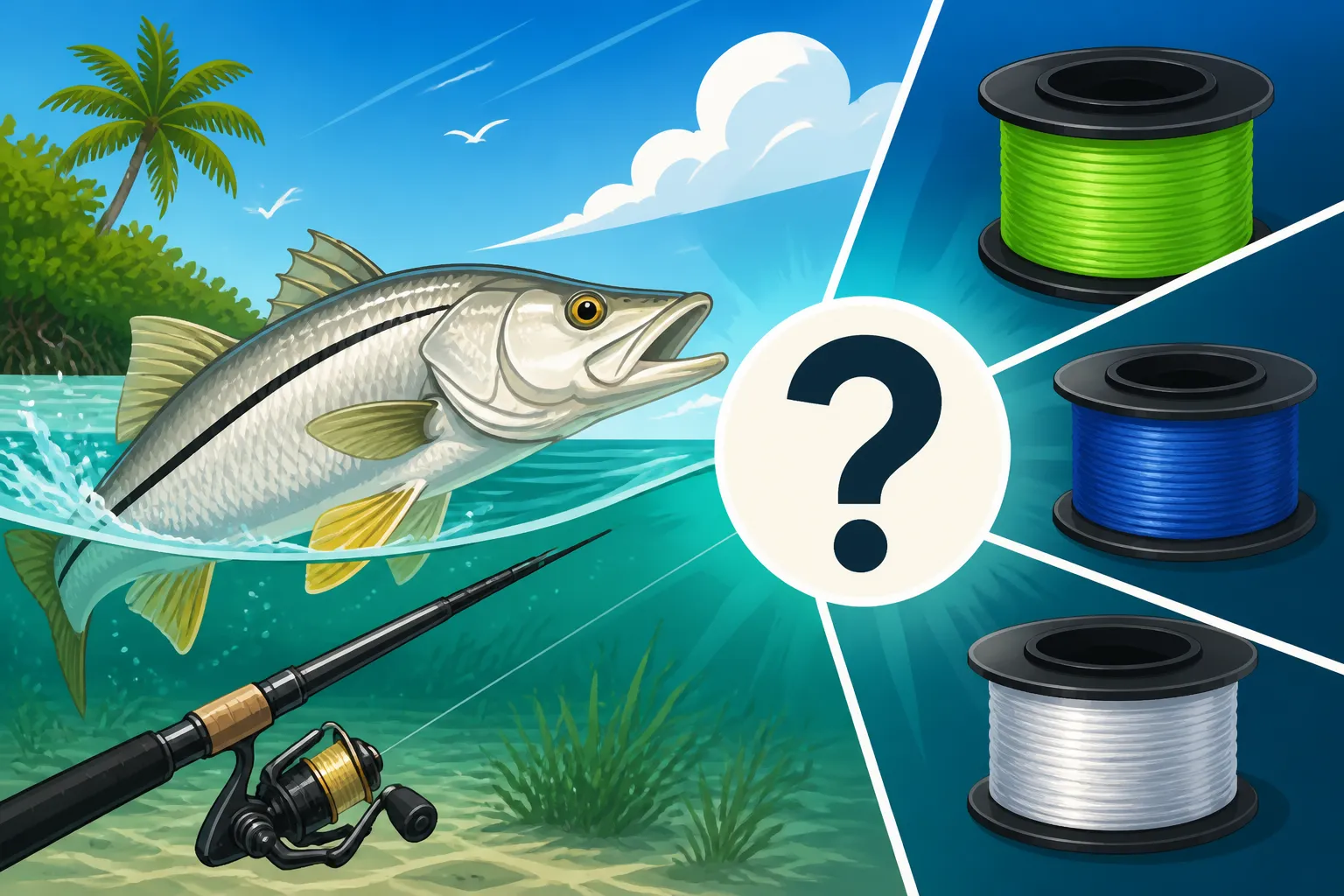
There's nothing quite as heart-stopping as the explosive strike of a snook, especially when you're fishing the lush, intricate waters of Florida. But that thrill can quickly turn to heartbreak if your line snaps on a big one, leaving you wondering if you chose the right strength. This guide is here to untangle the complexities of fishing line, specifically focusing on what pound test line is truly best for tackling those powerful, hard-fighting snook.
Understanding the Snook's Power: Why Line Strength is Paramount
Snook are incredible game fish, known for their aggressive strikes, blistering runs, and head-shaking jumps that can test even the most experienced angler. They are built for power, thriving in environments that often include abrasive structures like mangrove roots, oyster beds, and bridge pilings. Understanding their natural behavior and habitat is the first step in appreciating why your fishing line choice isn't just a suggestion—it's absolutely critical.
The Anatomy of a Snook Fight
When a snook hits your bait or lure, it's rarely a subtle peck. It's usually a violent ambush, followed by an immediate dash for cover. Imagine hooking into a powerful fish near a dense wall of mangroves; that snook's first instinct is to bury itself deep within those roots, cutting your line instantly if it's not strong enough to turn its head. Their gill plates are also razor-sharp, and a poorly chosen line can fray or snap when rubbed against them during a prolonged fight, especially if you're battling a large, angry fish.
Beyond their initial burst, snook possess impressive stamina. They can make multiple strong runs, challenging your drag system and the tensile strength of your line. A truly memorable snook fight might involve them jumping clear out of the water, shaking their head violently in an attempt to dislodge the hook, which puts immense stress on every component of your tackle, especially the line. This is why having a line that can withstand these dynamic forces is non-negotiable for consistent success.
Habitats That Demand Tough Line
Snook are masters of their environment. In the backcountry, they'll hug the shadows of mangrove shorelines, lie in wait under overhanging branches, or cruise sandy potholes surrounded by seagrass. In urban canals, they'll congregate around docks, bridges, and culverts. Each of these habitats presents potential line-breaking hazards. A light line might be fine in wide-open grass flats, but the moment you get near any structure, your chances of breaking off skyrocket.
Consider fishing near docks with barnacle-encrusted pilings, or along rocky jetties that are home to schools of baitfish. These spots are prime snook territory, but they're also notorious for their ability to abrade and snap lines in mere seconds. You need a line that offers a good balance of strength and abrasion resistance to give you a fighting chance to pull that snook away from danger before it can use the environment against you. A good understanding of their habitat informs not just your choice of lure, but crucially, your choice of line strength.
Key Considerations for Choosing Your Snook Fishing Line
Choosing the right pound test line for snook isn't a one-size-fits-all situation. Several factors come into play, and experienced anglers often adjust their setup based on where they're fishing, what they're targeting, and the conditions of the day. It's about finding that sweet spot between strength and stealth.
Fishing Environment and Structure
The type of water you're fishing in dramatically influences your line choice. Are you casting into wide-open grass flats, where there's little to snag on? Or are you probing deep into dense mangrove tunnels, where every branch is a potential line-cutter?
- Open Water (Grass Flats, Sandy Edges): In less cluttered areas, you can often get away with lighter lines. The absence of immediate structure means less chance of abrasion, allowing you to prioritize stealth. However, even in open water, a large snook still demands respect and a line that can handle its raw power.
- Heavy Cover (Mangroves, Docks, Bridges): This is where you absolutely cannot skimp on line strength. Mangrove roots are like a tangled, underwater obstacle course designed to break lines. Barnacle-covered pilings and concrete bridge supports are just as unforgiving. In these scenarios, heavier pound test lines are essential. You need to be able to apply significant pressure to turn a snook's head and steer it away from danger immediately after the strike. Many seasoned anglers fishing these conditions will opt for lines that some might consider "overkill" in other situations, but it's often the only way to consistently land fish. This type of fishing is often discussed in detail when learning about specific techniques like in our guide on Florida Inshore Fishing Techniques.
Size of Target Snook
While you can't always predict the size of the snook that will bite, you can certainly gauge your expectations based on the area you're fishing. Are you targeting smaller, "schoolie" snook in backwater creeks, or are you hoping to land a trophy-sized "line-sider" cruising the passes?
- Smaller Snook (Under 25 inches): If you're consistently catching snook on the smaller side, perhaps in residential canals or small tidal creeks, you might lean towards the lower end of the recommended pound test ranges. Lighter line can often mean longer casts and a more natural presentation, which can be beneficial when trying to entice finicky fish. These fish, while still feisty, are less likely to outright snap a moderately strong line.
- Large and Trophy Snook (25 inches and up): For those bucket-list snook that push past the 30-inch mark, you need serious stopping power. These fish are incredibly strong and wise, and they will use every trick in the book to break free. If you're fishing a known big-fish spot, like Boca Grande Pass during the tarpon migration, or around inlets, you should absolutely spool up with a heavier line. It’s better to be overprepared than to watch your dream fish swim away with your lure still in its mouth. Consider pairing this heavy line with a strong leader, a topic explored further in our article on Florida Snook Fishing Guide.
Bait and Lure Size
The weight and action of your bait or lure also play a role in your line choice. A heavier line has a larger diameter, which can affect the casting distance and the natural presentation of smaller baits.
- Light Lures/Live Baits: When fishing with light artificial lures, such as small jerkbaits or topwater plugs, or delicate live baits like shrimp or small pilchards, a lighter main line can offer better casting performance and a more subtle presentation. You want your bait to look as natural as possible, and a thick, heavy line can sometimes hinder that. However, even with light presentations, your leader should still be stout enough to handle a snook's abrasive mouth. If you're using live bait, check out our guide on Best Bait for Snook Fishing in Florida.
- Heavy Lures/Large Baits: When throwing larger swimbaits, hefty lipped plugs, or big live baits like mullet or ladyfish, you're usually targeting bigger snook and often need more powerful casting gear. Heavier line is more suited for these situations, as it can withstand the shock of powerful casts and the heavy impact of a large fish strike. It also allows you to put more pressure on the fish when needed without fear of snapping.
Recommended Pound Test Ranges for Snook: A Situational Breakdown
Alright, let's get down to the numbers. While personal preference and experience certainly factor in, there are generally accepted ranges for pound test lines when targeting snook in Florida. Remember, these are guidelines, and you might adjust slightly based on the specific conditions you encounter.
Inshore & Backcountry Snook Fishing
For much of the inshore and backcountry fishing in Florida, where snook often lurk around docks, grass flats, and mangrove edges, you'll want a versatile setup that balances stealth with strength.
- Main Line (Braided): 10-20 lb test
- 10-15 lb Braid: This is a fantastic choice for light tackle enthusiasts and situations where long casts and subtle presentations are key. Think wide-open grass flats, shallow clear water, or when fishing with very light lures and baits. It offers excellent casting distance and sensitivity, allowing you to feel even the most delicate bites. However, you'll need to be quick on the draw with your drag and proficient at steering fish away from trouble. It's best suited for smaller to medium-sized snook, typically under 28 inches. For example, when targeting snook on a leisurely kayak trip through calmer bays, a quality 15 lb braid, perhaps a well-regarded brand found on Amazon, coupled with a fluorocarbon leader, provides a great balance.
- 20 lb Braid: This is arguably the most popular all-around choice for general inshore snook fishing. It provides a significant increase in stopping power and abrasion resistance compared to lighter braids, without being overly thick. You can still make long casts, and it gives you a much better chance of turning a snook's head away from structure. This is ideal for most scenarios, from fishing residential canals to working mangrove shorelines where a big fish might try to bury you. It handles medium to larger snook very well. This is a great choice when paired with a good Best Rod for Inshore Fishing in Florida.
- Leader (Fluorocarbon): 20-40 lb test
- Regardless of your main line, a fluorocarbon leader is non-negotiable for snook. Their sharp gill plates and often toothy mouths (especially larger ones) demand abrasion resistance.
- 20-30 lb Fluorocarbon: Suitable for clearer waters, spooky fish, or when using lighter main lines (10-15 lb braid). It offers excellent invisibility, which can make a huge difference in getting bites.
- 30-40 lb Fluorocarbon: The standard for most inshore snook fishing. This heavier leader provides excellent abrasion resistance and the strength needed to muscle a snook away from structure. It's especially crucial around docks, bridges, or heavy mangroves. You can find strong, reliable fluorocarbon leaders on Amazon from various brands.
Inlet & Pass Fishing for Larger Snook
When you're chasing bigger snook in high-current areas like inlets, passes, or around deep bridge pilings, you need to step up your game. These fish are often larger, stronger, and have more current to aid their fight, plus even more challenging structures.
- Main Line (Braided): 30-50 lb test
- 30 lb Braid: This is a solid starting point for heavier snook fishing. It gives you excellent control over bigger fish and the power to really lean into them when they try to run for cover. It's a good choice for situations where you expect fish upwards of 30 inches but still need reasonable casting distance.
- 40-50 lb Braid: For serious trophy hunting in heavy current and structure, this is your go-to. If you're fishing big live baits at night under bridge lights, or around rocky jetties, you need every ounce of stopping power you can get. These lines allow you to put maximum pressure on a fish to prevent it from getting into an irreversible snag. While casting distance might be slightly reduced with 50 lb, the trade-off for power is often worth it when a true "line-sider" is on the line. This is particularly relevant when considering things like What Tide Is Best for Snook Fishing? in strong currents.
- Leader (Fluorocarbon): 40-60 lb test (or even higher)
- For these big fish in brutal environments, your leader must be incredibly tough.
- 40-50 lb Fluorocarbon: A common choice for large snook. It offers a great blend of strength, abrasion resistance, and enough stealth to still get bites.
- 60 lb Fluorocarbon (or higher): If you're fishing directly in incredibly heavy cover, like bridge pilings or areas with notorious snags, don't hesitate to go this heavy. Some anglers even use 80 lb or 100 lb mono leaders for maximum abrasion resistance, especially when fishing live baits on heavy current. The key is to prevent that leader from ever touching a sharp surface.
Table: Snook Line Pound Test Recommendations at a Glance
| Snook Size Target | Fishing Environment | Main Line (Braided) | Leader (Fluorocarbon) | Primary Considerations |
|---|---|---|---|---|
| Small to Medium | Open Flats, Light Cover | 10-15 lb | 20-30 lb | Stealth, casting distance, lighter tackle |
| Medium to Large | General Inshore, Moderate Cover | 20 lb | 30-40 lb | Versatility, balanced strength & presentation |
| Large to Trophy | Heavy Cover, Inlets, Passes | 30-40 lb | 40-50 lb | Stopping power, abrasion resistance, structure |
| Trophy / Extreme | Bridges, Jetties, Heavy Current | 50 lb | 50-60+ lb | Maximum power, brute force, prevent break-offs |
This table provides a quick reference, but always remember to assess the specific conditions you're facing on any given fishing trip.
Beyond Pound Test: The Full Line System for Snook
While pound test is a crucial factor, it's just one piece of the puzzle. A truly effective snook fishing setup considers the entire line system, from your backing to your leader, and the type of line you choose.
Braid, Monofilament, or Fluorocarbon for Main Line?
Each line type has its pros and cons, and understanding them helps you make an informed decision for your main line.
- Braided Line (Braid): This is by far the most popular choice for snook fishing main lines, and for good reason.
- Pros: Incredible strength-to-diameter ratio (a 20 lb braid is much thinner than 20 lb mono), virtually no stretch (super sensitive, great for feeling bites and setting hooks), excellent casting distance, and long lifespan. It allows you to spool more heavy line onto your reel.
- Cons: Very visible (hence the need for a fluorocarbon leader), poor abrasion resistance when rubbed directly against sharp objects (it can fray quickly), and it can be more expensive upfront. It's not ideal for direct contact with structure.
- Best Use: As a main line paired with a fluorocarbon leader, offering maximum sensitivity and power. For instance, when doing some Topwater Lure Fishing for Snook, braid allows for instant hook sets on those explosive strikes.
- Monofilament Line (Mono): Once the standard, mono still has its place, especially for specific applications.
- Pros: Good knot strength, decent abrasion resistance (better than braid directly on structure), more stretch (which can act as a shock absorber, preventing hooks from tearing out), and generally more affordable.
- Cons: Lower strength-to-diameter ratio (thicker than braid for the same pound test), more stretch (reduces sensitivity), can retain "memory" (coiling), and UV light degrades it over time.
- Best Use: Some anglers prefer a short top shot of mono over braid when fishing certain plugs that require a bit of stretch, or as a very heavy leader in super abrasive environments, although fluorocarbon is usually preferred for leaders. You could even use it as your main line if targeting smaller snook in open water with a lighter setup, but braid is usually preferred for its performance benefits.
- Fluorocarbon Line (Fluoro): While often used as a leader, some anglers consider it for a main line.
- Pros: Nearly invisible underwater (refractive index very close to water), excellent abrasion resistance, and very sensitive (low stretch).
- Cons: Very expensive, less supple than mono or braid (can be stiff and harder to cast), and it can be quite heavy, causing lures to sink faster. It also has considerable memory if not managed well.
- Best Use: Primarily as a leader material due to its invisibility and abrasion resistance. As a main line, it's generally not practical for snook due to cost, stiffness, and casting difficulties over long periods.
The Critical Role of Your Leader
We've touched on it already, but it's worth reiterating: your leader is the most important part of your line system for snook. Because snook have very sharp gill plates and a hard, bony mouth that can quickly fray lines, a robust leader is non-negotiable.
- Material: Almost exclusively fluorocarbon. Its invisibility is a huge asset, especially in clear Florida waters, and its abrasion resistance is superior to monofilament for this application. You'll find many excellent fluorocarbon leader spools, often in large quantities for better value, available on Amazon.
- Length: A typical leader length for snook is 2 to 4 feet. This provides enough protection from the fish's mouth and gill plates, as well as any immediate structure it might try to rub against. A longer leader can increase stealth but can also be harder to cast, especially if your knot isn't smooth.
- Knot: Connecting your braided main line to your fluorocarbon leader requires a strong, smooth knot. Popular choices include the FG knot, Alberto knot, or uni-to-uni knot. Practice these knots at home until you can tie them quickly and reliably under pressure. A weak knot is often the weakest link in your entire system.
Don't Forget Backing and Drag Settings
Your line system doesn't end with the leader!
- Backing: While not typically used when spooling braid directly, if you're using a monofilament main line, you might add a layer of cheaper mono as backing to fill your spool and save on more expensive line. Make sure your backing is properly spooled and knotted to your main line.
- Drag Settings: Even the strongest line in the world won't save you if your drag is locked down. A properly set drag allows the line to slip when a powerful fish makes a run, preventing line breaks and reducing the chance of hooks tearing out. As a general rule of thumb, set your drag to about one-third of your main line's breaking strength. So, if you're using 20 lb braid, your drag should be set to roughly 7 lbs. Always test your drag before you start fishing. And remember your Catch and Release Best Practices for Snook – proper fish handling is key, especially with lighter lines and drag settings.
By considering all these elements together, you build a cohesive and reliable fishing system that gives you the best possible chance to land those incredible Florida snook, no matter how hard they fight or where they try to hide.
Disclaimer
This article is for general informational purposes only and does not constitute professional advice. Laws, prices and regulations vary by location and change over time. Consult a qualified professional for guidance on your specific situation.