How to Check Red Tide Conditions Before a Trip
Oh, the dreaded red tide! It's one of those things that can cast a serious shadow over even the most meticulously planned Florida fishing trip. You've dreamt of reeling in a monster snook or a feisty redfish, only to hear whispers of "red tide" and suddenly your entire adventure feels threatened. But don't let it catch you off guard. This guide is here to empower you with the knowledge and resources to check red tide conditions proactively, helping you plan a fantastic, safe, and productive fishing experience in the Sunshine State.
The Frustration of Red Tide: Understanding the Problem
For those of us who love to fish in Florida, red tide isn't just a news headline; it's a real, tangible threat to our passion. It can turn vibrant waters into barren stretches and transform a pleasant day on the water into an irritating, unhealthy experience. Understanding what it is and why it matters is the first step in tackling this challenge head-on.
What Exactly Is Red Tide?
When we talk about "red tide" in Florida, we're almost always referring to blooms of a microscopic alga called Karenia brevis. This isn't just some random algae; it's a naturally occurring organism that lives in the Gulf of Mexico, and occasionally, its populations explode into what we call a bloom. While it might sound harmless, Karenia brevis produces potent neurotoxins that can have severe impacts on marine life and even humans. It's important to remember this isn't pollution in the sense of chemical spills; it's a natural phenomenon, albeit one with devastating consequences when it intensifies.
The name "red tide" itself can be a bit misleading. While severe blooms can turn the water a reddish-brown hue, they often appear greenish, brownish, or sometimes, the water can look completely normal to the naked eye. The color really depends on the concentration of the organisms and other factors in the water. So, you can't always just look at the water and know if red tide is present. The real frustration for anglers is arriving at a beloved spot, only to find the tell-tale signs of a bloom – dead fish, an irritating cough, and a complete absence of the vibrant life you expected.
Why Red Tide Matters for Your Fishing Trip
Red tide isn't just an inconvenience; it can completely derail your fishing plans and even pose health risks. The toxins produced by Karenia brevis are lethal to many marine species. We've all seen the heartbreaking images, or worse, experienced first-hand the sight of hundreds, even thousands, of dead fish, crabs, and other marine creatures washing up on the beaches and floating in the inshore waters. For an angler, this means the very fish you're targeting are either dead, stressed, or have fled the area, making a successful trip nearly impossible.
Beyond the impact on fish, red tide directly affects human health. The toxins can become aerosolized, meaning they get carried into the air, especially with onshore winds. When you breathe in these toxins, you might experience respiratory irritation: a persistent cough, sneezing, an itchy throat, and watery eyes. If you have asthma or other chronic respiratory conditions, these symptoms can be much more severe, potentially leading to serious health issues. Imagine trying to enjoy a day casting lines when you're constantly coughing and your eyes are stinging – it's just not fun or safe. Plus, red tide can lead to shellfish harvesting bans, so if you were hoping to gather some fresh oysters or clams, that might be off the table too. It's truly a situation where being informed can save your trip, and your health. Knowing How Red Tide Affects Fishing in Florida is vital for any angler.
Where to Find Reliable Red Tide Information
When it comes to planning a fishing trip, especially along Florida's coast, getting accurate, up-to-date information on red tide conditions is paramount. You don't want to rely on rumors or outdated reports. Luckily, there are several excellent resources available that provide scientific data and local insights to help you make informed decisions.
Official State Resources: Your First Stop
The absolute best place to start your red tide research is with Florida's official state agencies. These organizations are dedicated to monitoring environmental conditions and public health, and they provide the most scientifically sound data available.
The Florida Fish and Wildlife Conservation Commission (FWC) is your primary go-to. Their scientists conduct regular water sampling across the state's coastal areas. They collect water samples, analyze them for the presence and concentration of Karenia brevis, and then update their online platforms with the latest results. You'll often find interactive maps and detailed reports that show you exactly where blooms are present, their intensity, and recent changes. This FWC data is crucial because it's based on actual samples, not just visual observations. You can often see historical data too, which helps in understanding trends. It's also where you'd find out if Do Florida Fishing License Rules Change During Red Tide Events? in response to severe blooms, though this is rare.
Equally important is the Florida Department of Health (DOH). While the FWC focuses on the environmental aspect, the DOH is responsible for public health advisories. They will issue warnings about respiratory irritation, recommend avoiding affected beaches, and announce any shellfish harvesting bans. It's a good practice to check both FWC for the environmental status and DOH for the health recommendations before heading out. These official sources are your most reliable allies in navigating red tide season.
Local Updates and Community Insights
While state agencies provide the overarching scientific data, local sources can offer invaluable real-time, on-the-ground perspectives. These insights can help you understand how the broader scientific data translates to your specific fishing spot.
Local tourism boards and county websites are often excellent aggregators of information. They typically pull data from FWC and DOH but also add local context, such as which specific beaches might be under advisories or which public access points are affected. These sites can be particularly helpful for visitors who aren't familiar with every nook and cranny of a particular coastline.
But for the true angler, nothing beats talking to local bait and tackle shops or seasoned Florida Fishing Charter Guide captains. These individuals are on or near the water every single day. They see the conditions first-hand, hear reports from other anglers, and often have a deep understanding of how currents and winds are affecting the red tide in their immediate area. A quick phone call to a local tackle shop can save you hours of driving and potential disappointment. They can tell you if the fish are still biting in certain areas, or if you should consider freshwater alternatives instead. Social media groups for local fishing can also offer quick anecdotal updates, but always cross-reference these with official sources, as social media can sometimes amplify unverified information.
Technology to the Rescue: Apps and Websites
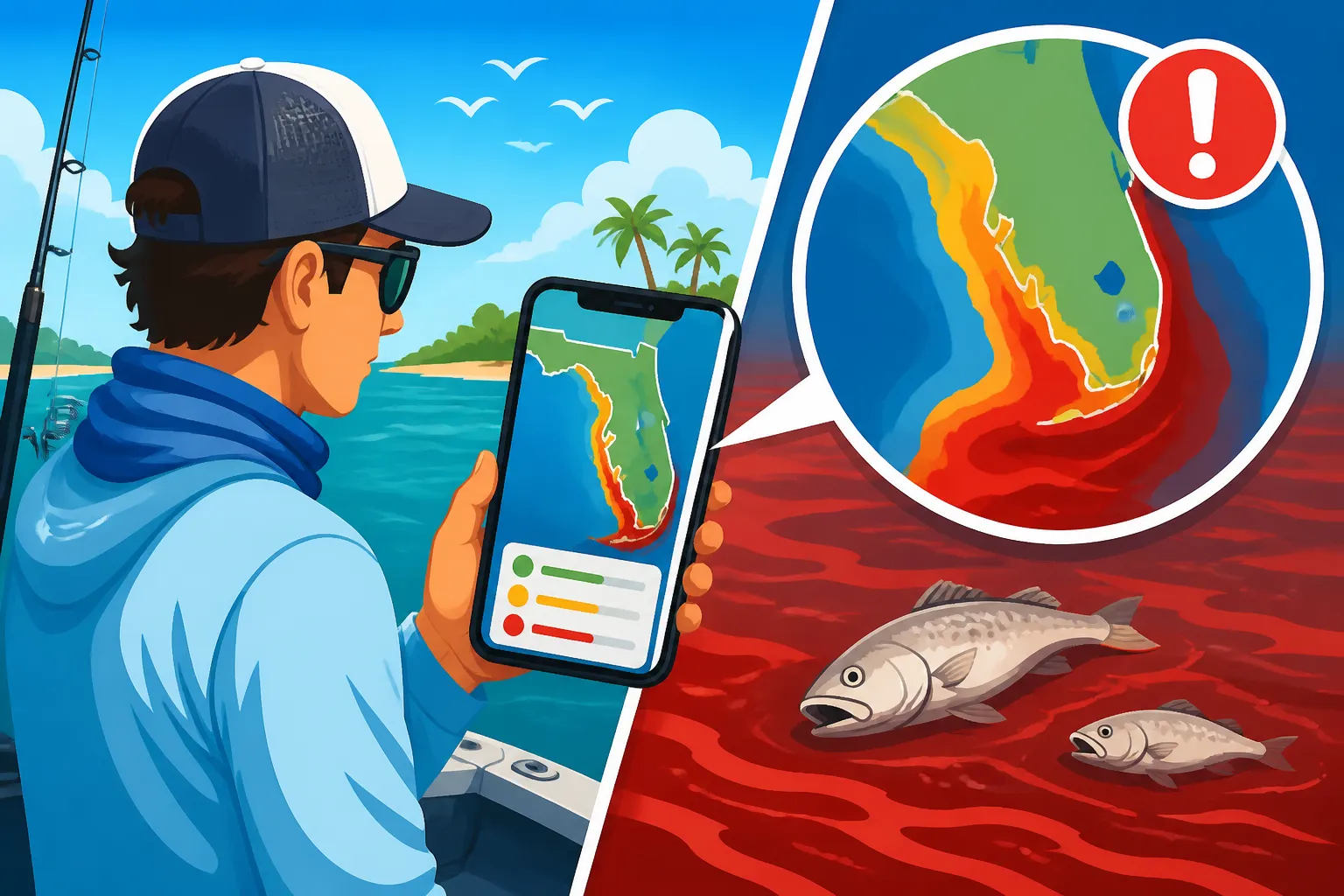
In today's digital age, a wealth of information is just a few clicks or taps away, making it easier than ever to monitor red tide conditions. The FWC's website, as mentioned earlier, is a powerhouse of information, often featuring interactive maps that visually represent bloom locations and intensity. These maps are updated frequently and are incredibly user-friendly, allowing you to zoom into your specific destination.
Another valuable tool is NOAA's Experimental Forecasts for Karenia brevis blooms. While these are forecasts rather than current conditions, they can provide insight into potential future movements and concentrations of red tide, helping you plan a few days ahead. Understanding how things like wind direction and currents influence red tide movement is also key. Standard weather apps can help you track wind forecasts, which are critical for predicting whether aerosolized toxins might be blown onshore or if the bloom might shift away from your preferred fishing grounds.
While primarily focused on licenses and regulations, the Florida GoOutdoors App Fishing License might also serve as a portal for accessing some FWC-related alerts or information, depending on updates and integrations. Always remember to check these resources the day before or even the morning of your trip, as red tide conditions can be quite dynamic and change rapidly with weather patterns.
How to Interpret Red Tide Data for Anglers
Just seeing a report that says "red tide present" isn't enough; you need to understand what the data actually means for your fishing plans. Different concentrations and movements will have vastly different impacts on marine life and your experience on the water. Learning to interpret these details is crucial for making smart decisions.
Understanding Concentration Levels
Official reports, particularly from the FWC, will often categorize red tide presence by concentration levels, such as "absent," "very low," "low," "medium," and "high." These aren't just arbitrary terms; they directly correlate to the potential impact on fish and human health.
- Absent/Background: This means Karenia brevis isn't detected or is present in such small numbers that it's considered ambient and harmless. These are the conditions we all hope for.
- Very Low: At this level, Karenia brevis is present, but typically with minimal to no observed impacts on fish or human health. You might not even notice it's there. Fishing can still be good.
- Low: Here, mild respiratory irritation might be reported by sensitive individuals, and localized, minor fish kills could occur. For fishing, this means some species might be stressed or move out, and your chances might be reduced, but a trip isn't necessarily a wash if you adjust your expectations.
- Medium: This is where things get more serious. Noticeable respiratory irritation is common, and moderate fish kills are often observed. At this level, many anglers would consider postponing their trip or seeking alternative fishing locations. The fishing will likely be poor, and your health could be affected.
- High: This indicates a severe bloom. Widespread and significant fish kills are common, and strong respiratory irritation is almost guaranteed for anyone in the area. Beach closures and health advisories against swimming are typical. For anglers, a "high" concentration usually means cancelling any coastal fishing plans in that immediate vicinity.
It's important to remember that even a "low" concentration can mean a tough day on the water, especially for inshore species that are more confined. Medium to high concentrations often make fishing virtually impossible and unpleasant for anglers.
Here’s a quick guide to what these levels might mean for your trip:
| Concentration Level | Angler Impact (Fishing) | Health Impact (Human) |
|---|---|---|
| Absent/Background | No red tide impact; normal fishing | None observed |
| Very Low | Minimal to no observed fishing impact | Minimal irritation, if any, for sensitive individuals |
| Low | Mild impact; some fish movement, possibly localized kills | Mild respiratory irritation for sensitive individuals |
| Medium | Moderate impact; scattered fish kills, poor fishing | Noticeable respiratory irritation; advisories likely |
| High | Severe impact; widespread fish kills, no fishing advised | Strong respiratory irritation; beach closures probable |
Tracking Movement and Forecasts
Red tide is not a static phenomenon; it's constantly on the move, influenced by ocean currents, tides, and critically, wind direction. A bloom can be severe one day and shift significantly by the next, either dissipating or moving to a different area entirely.
This dynamic nature means you need to look at trends and forecasts, not just a single snapshot. For instance, if there's a strong onshore wind (blowing from the ocean towards the coast), it can push a red tide bloom directly onto the beaches, concentrating the toxins and increasing aerosolization. Conversely, strong offshore winds might push the bloom further out to sea, offering temporary relief to coastal areas. Always cross-reference the red tide map with a reliable local wind forecast.
Another key aspect is how localized red tide can be. You might find "high" concentrations reported at one beach, while a location just a few miles down the coast, or in a more protected bay, shows "low" or even "absent" levels. This is why checking granular, local reports is so vital. It might not mean cancelling your entire Florida trip, but rather pivoting to a different area that's unaffected. A check a week out is good for initial planning, but a final check the day before your trip is absolutely essential to get the most accurate picture. This is especially important for understanding How Red Tide Affects Where You Can Fish.
Signs of Red Tide on the Water
Even with all the official reports and forecasts, it's always a good idea to know what to look for when you're actually on the water. Sometimes, visual cues or physical sensations are the first indication that red tide is present, even if reports are delayed or show lower concentrations.
Visually, the water might appear discolored. As the name suggests, it can sometimes be a distinct reddish-brown, but it could also look murky green or brownish. However, don't rely solely on color; often, blooms are present in seemingly clear water. A more reliable visual cue, unfortunately, is the presence of dead or struggling fish. You might see small baitfish, then larger species, floating listlessly or washed up along the shore. This is a tell-tale, heartbreaking sign of a significant bloom.
Beyond what you can see, there's what you can smell and feel. Red tide often has a distinct, sometimes pungent or metallic odor, which can also be described as a smell of decaying fish. And then there's the respiratory irritation. If you start to experience a tickle in your throat, a persistent cough, sneezing, or itchy, watery eyes, it's a very strong indicator that red tide toxins are in the air. This is your body telling you that you're in an affected area. Be mindful of pets too; if your dog starts coughing or scratching its face after a walk on the beach, it’s another sign of airborne toxins.
Planning Your Fishing Trip Around Red Tide
Discovering red tide in your planned fishing destination doesn't necessarily mean throwing in the towel on your entire trip. It simply means you need to be flexible and adapt your strategy. With a little planning and smart choices, you can still have a fantastic time fishing in Florida, even when red tide is present somewhere.
Alternative Fishing Strategies
One of the greatest things about Florida is its incredible diversity of fishing opportunities. If your intended saltwater spot on the coast is impacted by red tide, consider pivoting to a completely different type of fishing. Florida boasts some of the best freshwater fishing in the world. You could easily shift your focus to chasing largemouth bass on one of the state's famous lakes, or targeting crappie and bluegill in a quiet river. Our Florida Largemouth Bass Fishing Guide can point you to some fantastic spots, and there are many Best Freshwater Fishing Lakes in Florida that offer incredible action and are completely untouched by coastal red tide issues.
Another strategy is to simply move to an unaffected coastal area. If the Gulf Coast is experiencing a severe bloom, for example, the Atlantic Coast might be completely clear, or vice versa. The vastness of Florida's coastline often means you can find clear waters with a bit of a drive. Alternatively, if you've booked a Florida Fishing Charter Guide or a Florida Deep Sea Fishing Charter Guide, talk to your captain! They are experts and often have backup plans. They might be able to run further offshore, beyond the reach of the inshore bloom, or suggest alternative spots in protected bays or estuaries that haven't been affected. Flexibility is key to saving your trip.
Essential Gear for Red Tide Conditions
Even if you decide to venture out into an area with low or very low red tide concentrations, or simply want to be prepared, having some essential protective gear can make a big difference in your comfort and safety. The airborne toxins can still cause irritation, especially if you have sensitive lungs or allergies.
Simple disposable N95 or KN95 masks can be incredibly effective at filtering out the airborne toxins and significantly reducing respiratory irritation. You can easily find these in multi-packs on platforms like Amazon, making it convenient to stock up before your trip. Don't underestimate the benefit of a good mask; it can turn an uncomfortable experience into a manageable one. Eye protection, such as wrap-around sunglasses or even clear safety glasses, can also help shield your eyes from irritation. Again, Amazon offers a wide range of affordable options that can be delivered quickly. Having bottled water on hand is always a good idea for fishing, but it's especially useful during red tide for rinsing your eyes or face if irritation occurs. If you're a sensitive individual, you might even consider bringing an air purifier for your accommodation if you're staying directly on an affected coast. This preparation is just as important as knowing What to Wear on a Florida Fishing Charter when you're heading out.
Post-Fishing Precautions and Clean-up
After a day of fishing in an area where red tide might be present, even at low levels, proper precautions and clean-up are crucial. The toxins can cling to your gear and boat, and you definitely don't want to carry them back to your home or accommodation.
The most important step is to thoroughly rinse all your fishing gear, rods, reels, and tackle with fresh water and mild soap. Pay extra attention to any parts that were submerged or frequently exposed to spray. If you were fishing from a boat, give the entire vessel a good washdown. For boats with livewells or raw water cooling systems, make sure to flush them thoroughly with clean fresh water to prevent any toxin residue from accumulating and potentially damaging components.
For yourself, showering immediately after returning from fishing or the beach is highly recommended to wash off any potential skin or hair exposure. Wash your clothes separately, especially if they came into contact with heavy spray or dead fish. And finally, a critical point often overlooked: do not consume shellfish (like oysters, clams, or mussels) harvested from areas affected by red tide, even if you found them. These organisms can accumulate the toxins to dangerous levels, making them unsafe to eat long after the visible bloom has passed. Always refer to current Florida Fishing Regulations and Bag Limits and any specific advisories before harvesting.
Disclaimer
This article is for general informational purposes only and does not constitute professional advice. Laws, prices and regulations vary by location and change over time. Consult a qualified professional for guidance on your specific situation.