How to Tell a Snook From a Tarpon
Many anglers, especially those new to the incredible waters of Florida, often find themselves in a bit of a pickle when they hook into a powerful, silver-sided fish. Is it a snook, with its undeniable fight and delicious meat, or could it be the mighty "Silver King" himself, the tarpon, a fish known more for its acrobatic leaps than its culinary appeal? The confusion is real, and it’s not just about knowing what you caught; it's vital for understanding specific regulations, size limits, and even how you should handle the fish for a safe release. This guide is here to untangle that confusion, providing clear, distinctive markers so you can confidently tell a snook from a tarpon every single time.
The Overlap: Why Anglers Confuse Snook and Tarpon
It’s completely understandable why these two incredible species can get mixed up, especially in the heat of the moment or when you're admiring a picture later. Both snook and tarpon are sleek, powerful, and typically sport a silvery sheen, making them quite a sight. They share many of Florida's prime fishing grounds, adding to the potential for confusion.
Shared Habitats and Initial Appearance
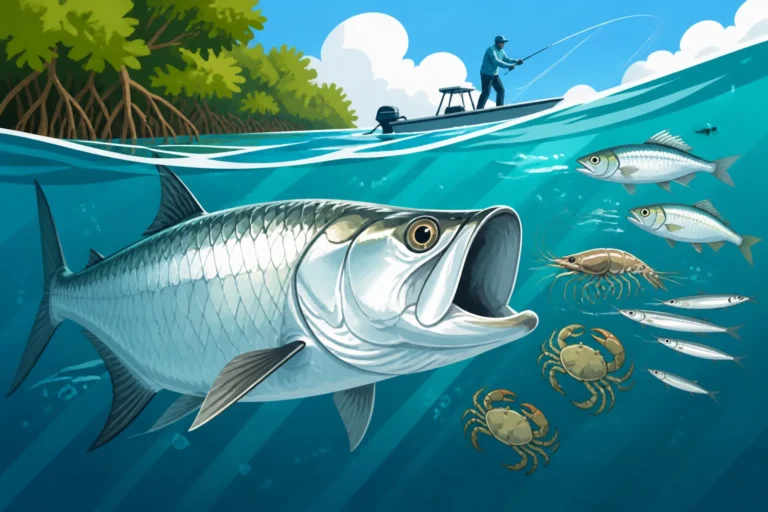
Imagine you're casting a line near a mangrove line in an estuary, or perhaps near a bridge piling in a coastal river. These are prime hunting grounds for both snook and juvenile tarpon. Both fish are ambush predators, often found lurking around structure, waiting for baitfish to swim by. When they hit your lure or bait, the initial fight can be explosive, pulling drag and testing your tackle. This shared environment and their similar torpedo-like body shapes and reflective scales are the primary reasons anglers, particularly those with less experience, might mistake one for the other.
Sometimes, especially with smaller fish, the resemblance can be striking. A juvenile tarpon, often called a "baby tarpon" in local slang, might only be 10-20 inches long. At this size, they don't yet have the same imposing presence as their adult counterparts, and their scales, while still large, might not seem as dramatic. Similarly, a smaller snook also has that sleek, silver-sided profile. If you're using a search engine to identify a photo you took, and you type "silver fish Florida," you're likely to get images of both, further muddling the waters.
Common Mistakes and the Importance of Identification
One of the most common mistakes beginners make is focusing solely on the "silver" aspect and the general body shape. While both are indeed silvery and have elongated bodies, relying on these generic traits is like trying to identify a car just by saying it has four wheels and goes fast. You'll miss all the critical details. Another pitfall is the sheer excitement of landing a powerful fish. When your adrenaline is pumping, it's easy to overlook subtle features.
Correct identification isn't just about showing off your fishing prowess; it's a critical component of responsible angling. Snook and tarpon have very different regulations here in Florida, especially regarding size limits, bag limits, and even whether you can keep them at all. For instance, tarpon are almost exclusively a catch-and-release species, with very strict rules about harvest and handling, while snook often have specific slot limits and seasons where they can be kept for consumption. Misidentifying your catch could lead to unknowingly violating fishing laws, which can result in fines and legal trouble. You definitely don't want to get into a situation where you've kept a protected tarpon because you thought it was a snook. Understanding Florida Fishing Regulations and Bag Limits is paramount for any angler.
Moreover, proper handling for release is different. Tarpon, with their large scales and tendency to jump, require specific care to ensure their survival after being caught. Snook, while robust, also benefit from careful handling. Knowing exactly what you have in your hands allows you to apply the appropriate catch-and-release techniques, contributing to the conservation of these magnificent fish for future generations. For a deep dive into snook regulations, check out Florida Snook Size and Slot Limits.
Decoding the Snook: Distinctive Characteristics
When you pull a snook out of the water, there are a few tell-tale signs that scream "snook!" once you know what to look for. These features are unique and, once you learn them, make identification almost instantaneous.
The Signature Lateral Line
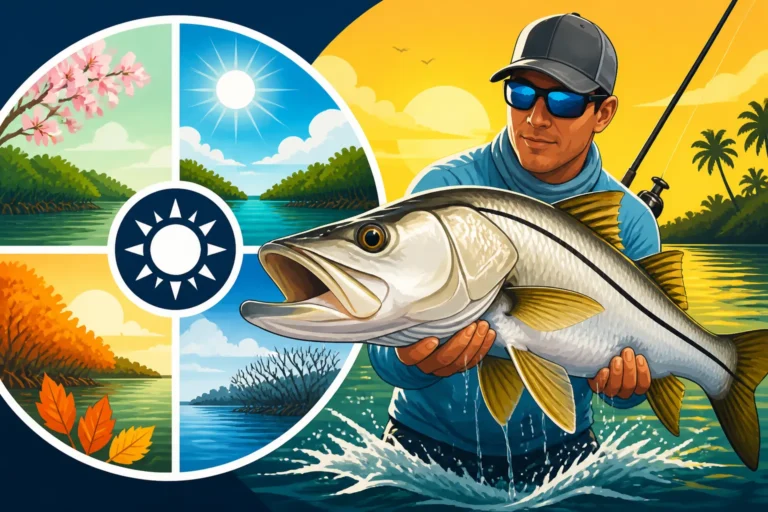
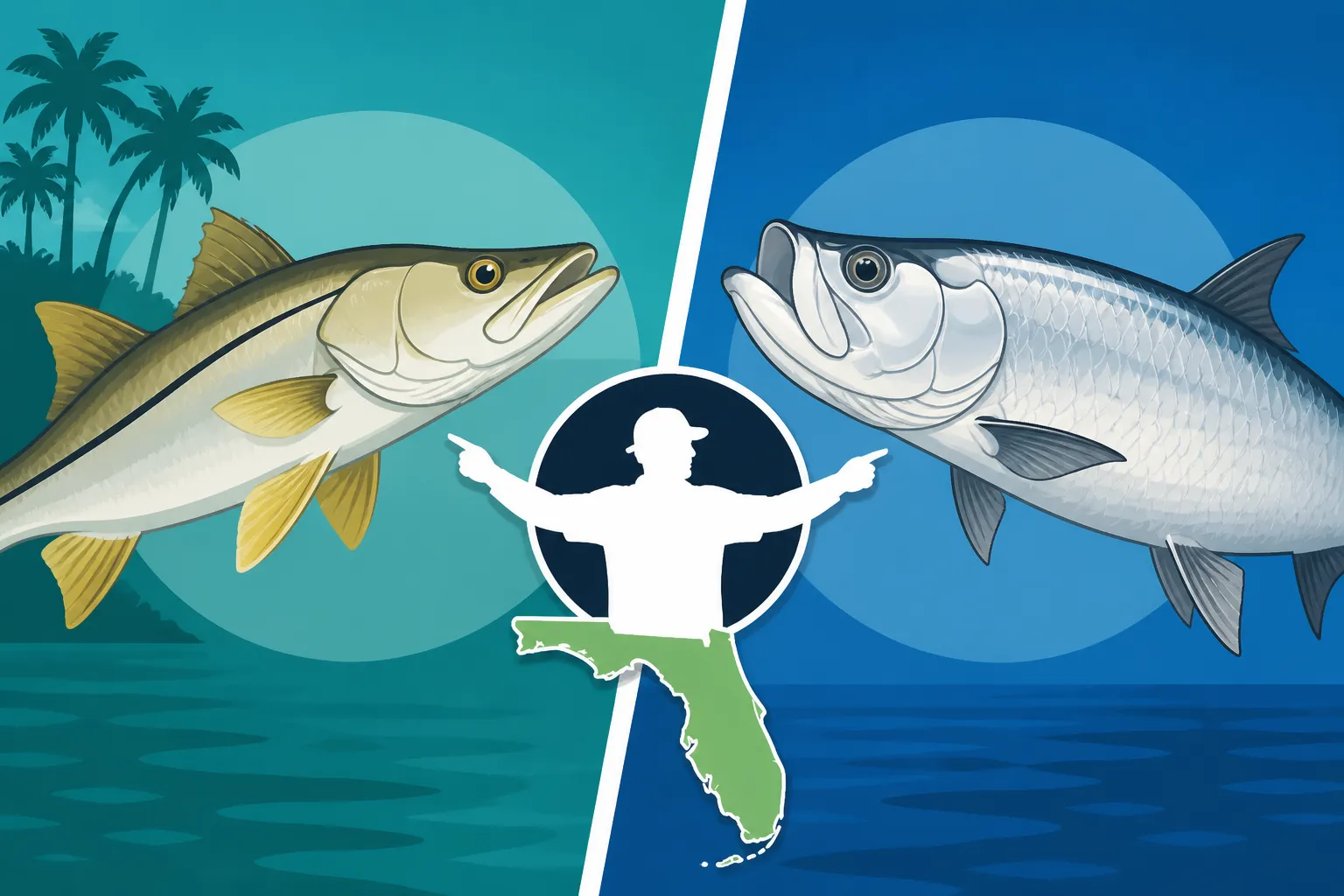
Without a doubt, the most distinctive feature of any snook species is its prominent, unbroken black lateral line. This isn't just a faint mark; it's a dark, thick line that runs from the back of its gill plate all the way to the tip of its tail. Seriously, it's like a perfectly drawn stripe. No other common inshore game fish in Florida has such a clear, continuous black lateral line like the snook. If you see this dark line, you've got yourself a snook. It's truly the definitive "aha!" moment when you're trying to figure out your catch. Take a moment to really look for it, even on smaller fish, as it's present from a very young age. This feature is often highlighted in any Florida Snook Fishing Guide you might read or even in identifying diagrams you find on an online retailer like Amazon when looking at fish posters.
This lateral line isn't just for identification; it's a sensory organ that helps the snook detect vibrations and changes in water pressure, allowing them to hunt effectively, even in murky water or low light conditions. It's a critical tool in their predatory arsenal, and for us anglers, it's our best friend for immediate identification.
Mouth, Dorsal Fins, and Body Shape
Beyond the lateral line, a snook's mouth is another dead giveaway. It has a distinctive, large mouth with a projecting lower jaw, giving it a somewhat "undershot" appearance. This jaw configuration is perfect for inhaling prey quickly. If you compare it to a tarpon's mouth, you'll immediately notice the difference. The snook's mouth is designed for a direct forward strike, while the tarpon's is more of an upward gulp.
Looking at the dorsal fins, a snook possesses two very separate and distinct dorsal fins. The first dorsal fin is spiny and tall, while the second one is softer-rayed and positioned further back on its body. These fins are clearly separated by a noticeable gap. Their body shape is generally elongated and slender, almost like a cigar or torpedo, built for quick bursts of speed to ambush prey in tight spaces like mangrove tunnels or around dock pilings. They are remarkably streamlined, which contributes to their incredible fighting ability. Their overall coloration is typically silvery-bronze, often with a yellowish hue on their fins, especially the pectoral and caudal fins. This subtle coloration can vary slightly depending on their specific habitat, with fish from tannin-stained waters sometimes appearing darker.
Unveiling the Tarpon: Unique Traits of the Silver King
Now, let's talk about the magnificent tarpon. When you see one, especially a big one, there's no mistaking its majestic presence. But even the smaller ones have unique characteristics that set them apart from snook.
The Massive Scales and Upward-Facing Mouth
The most iconic feature of a tarpon, and the reason for its nickname "Silver King," is its enormous, iridescent scales. These scales are incredibly large and thick, almost like armor plating, and they have a brilliant, reflective silver quality that truly shines in the sun. Seriously, you can spot these scales from a mile away. If you're ever lucky enough to hold one (carefully, of course, for release!), you'll feel how robust and prominent these scales are. Snook scales are much smaller and less pronounced. The sheer size and distinctness of these scales are unmatched by almost any other inshore fish. When looking for quality fishing gear, you can sometimes find items on Amazon that showcase the unique beauty of these tarpon scales.
Another defining characteristic of a tarpon is its mouth. Unlike the snook's projecting lower jaw, a tarpon has a large, upward-facing mouth, often described as a "bucket mouth." Its lower jaw scoops upward, perfectly adapted for gulping down prey from the surface or just below. This unique mouth structure is one of the reasons they are so famous for their spectacular jumps – they often come completely out of the water with their mouths open, trying to throw the hook. Observing the mouth is perhaps the second quickest way to tell them apart from a snook.
Dorsal Fin Filament and Body Profile
Beyond the scales and mouth, the tarpon's dorsal fin offers another distinct clue. Its single dorsal fin has a very noticeable, elongated last ray that extends backward, often reaching almost to the tail. This long, trailing filament is a signature feature of the tarpon and is rarely, if ever, seen on a snook. This subtle detail, once you know to look for it, becomes a clear identifier.
In terms of body shape, tarpon tend to have a deeper, more robust, and less elongated body profile compared to the snook. While still sleek and powerful, they appear more "full-bodied" and rounder through the midsection. Their coloration is typically a brilliant silver on the sides and belly, with a darker, bluish-green to greenish-black back. This dorsal coloration provides excellent camouflage from above. Understanding these characteristics is a huge step in confidently identifying your catch and is crucial, especially during Florida Tarpon Fishing Season Guide. You'll often see guides emphasizing these points in articles like Fly Fishing for Florida Tarpon, as sight fishing often relies on quick identification.
Practical Tips for On-the-Water Identification
Knowing the individual characteristics is one thing, but applying them when you're out on the water, with the sun in your eyes and a fish flopping, is another. Here's how to put it all together.
Observe Behavior and Movement
Fish behavior can tell you a lot. Tarpon, especially larger ones, are famous for their "rolls" where they come to the surface, gulp air, and then submerge. They do this frequently, and it’s a strong indicator of their presence. If you see a fish rolling in the distance, it's almost certainly a tarpon. When hooked, tarpon are notorious for their aerial acrobatics, jumping and shaking their heads violently to throw the hook. This is why they are considered one of the Best Fighting Fish in Florida Saltwater.
Snook, on the other hand, are more prone to powerful, head-shaking runs, often trying to dive into heavy cover like mangroves or dock pilings to break off. While they can jump, it's not as common or as spectacular as a tarpon's leap. Snook also tend to stick very close to structure, rarely venturing far into open water. When fishing, paying attention to these behavioral cues before you even get the fish to the boat can give you a strong hint about what you're dealing with. Knowing the typical behaviors can also help you choose the right Florida Inshore Fishing Techniques.
Size and Environment Clues
While not absolute rules, size can often be a good indicator, especially for larger specimens. Tarpon can grow to immense sizes, regularly reaching over 100 pounds and well over six feet in length. A 150-pound tarpon is a truly massive fish! Snook are substantial, too, but rarely exceed 30 pounds, with anything over 20 pounds considered a true trophy. If you’ve got a fish that feels like you’re trying to reel in a small refrigerator, chances are it’s a tarpon. For more on tarpon size, see How Big Do Tarpon Get in Florida?.
Consider the specific environment as well. While both share estuaries, tarpon are far more common in deeper channels, passes, and near the open ocean, especially during their migrations. Snook are more consistently found in shallower, mangrove-lined creeks, around docks, and in areas with heavy structure where they can ambush prey. That's not to say a tarpon won't be in a mangrove creek, or a snook in a pass, but generally, their preferences offer subtle clues. When trying to decide what kind of bait to use, considering the species and its habits is key, for example, what works for a snook versus a tarpon, such as discussed in Best Bait for Snook Fishing in Florida.
Quick Reference Table
Sometimes, a side-by-side comparison is all you need. Here's a handy table to help solidify the differences between snook and tarpon:
| Feature | Snook | Tarpon |
|---|---|---|
| Lateral Line | Prominent, dark, unbroken black line | Absent |
| Scales | Relatively small, smooth | Very large, thick, iridescent silver |
| Mouth | Large, projecting lower jaw (undershot) | Large, upward-facing (bucket mouth) |
| Dorsal Fins | Two distinct, separate dorsal fins | Single dorsal fin with elongated last ray |
| Body Shape | Slender, torpedo-like, elongated | Deeper, more robust, fuller-bodied |
| Coloration | Silvery-bronze, yellowish fins | Brilliant silver, dark blue/green back |
| Avg. Size | Up to 30 lbs, 40-50 inches | 50-150 lbs, 4-7 feet+ |
| Behavior | Powerful runs, head shakes, dives cover | Acrobatic jumps, gulps air (rolls) |
| Regulations | Slot limits, seasons (often harvestable) | Primarily catch-and-release (special permit) |
When you're out on the water, whether you're trying to figure out if it's high tide or low tide for better fishing or just enjoying the day, this quick mental checklist, or even having this table saved on your phone, can be a lifesaver. You can even find waterproof guides on Amazon that include similar comparison charts. Just remember to always check official FWC regulations before heading out, as they can change. Learning How to Read a Tide Chart for Fishing will also improve your chances of encountering either species during peak activity.
Identifying a snook from a tarpon doesn't have to be a guessing game. By focusing on a few key, distinct features – the snook's black lateral line and projecting jaw, versus the tarpon's massive scales, upward-facing mouth, and dorsal fin filament – you'll become an expert in no time. Beyond the visual cues, paying attention to their behavior and the specific environment you're fishing in can provide additional clues. Mastering these identification skills is not just about enhancing your fishing knowledge; it's about being a responsible angler who respects Florida's precious marine resources and adheres to critical conservation efforts. So next time you're on the water and a silver flash hits your line, you'll know exactly which incredible fish you've encountered!
Disclaimer
This article is for general informational purposes only and does not constitute professional advice. Laws, prices and regulations vary by location and change over time. Consult a qualified professional for guidance on your specific situation.