Why Red Snapper Season Is So Short in the Gulf
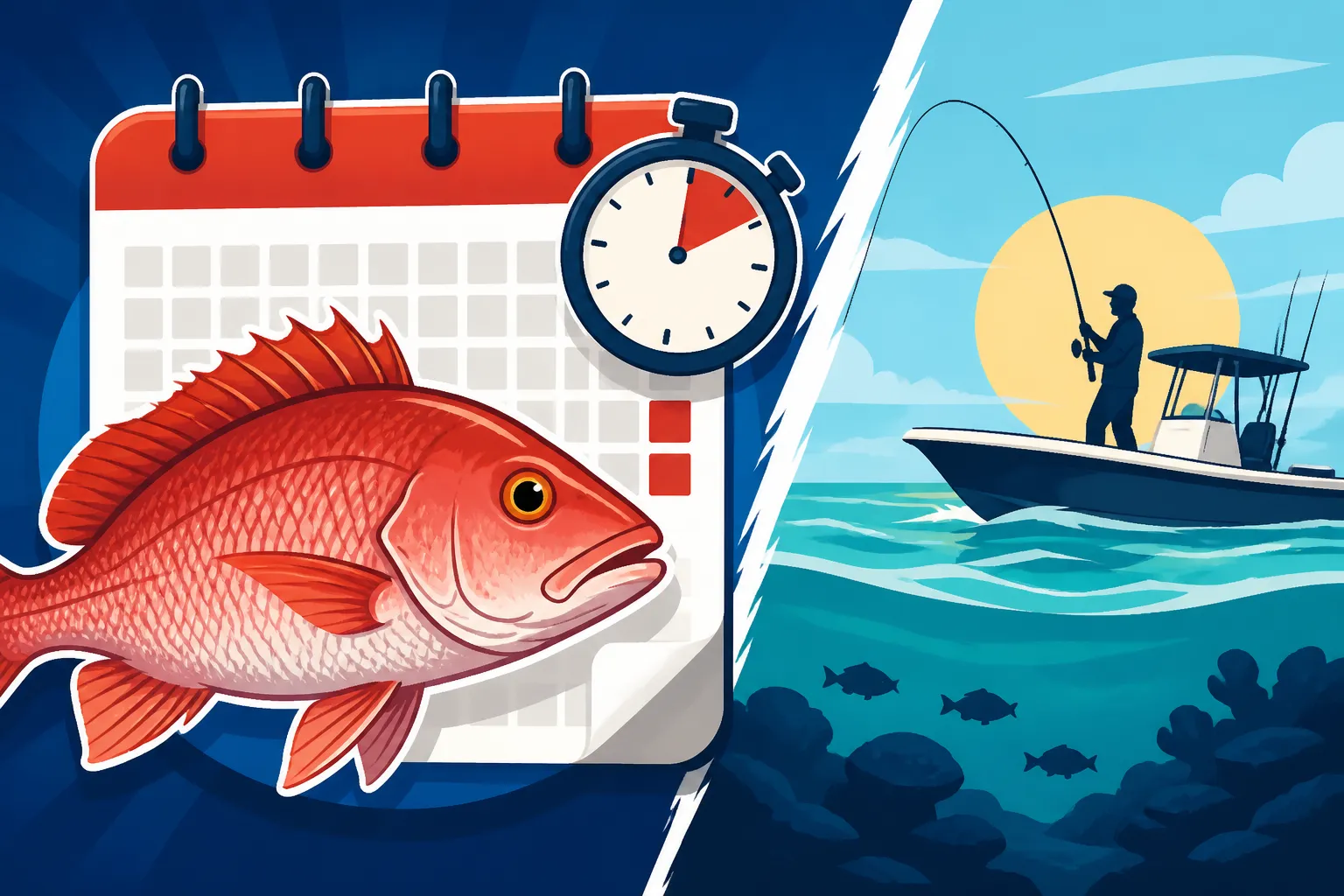
Oh, the Gulf Red Snapper season! It's a topic that brings both immense excitement and a deep, collective sigh from anglers across Florida. You wait all year, you plan your trips, you daydream about that perfect hookset, and then, just as quickly as it begins, it's over. If you've ever felt that frustration, that sting of a season cut too short, you are absolutely not alone. This guide is here to unravel the mystery of why the Gulf Red Snapper season often feels like a blink-and-you-miss-it event, diving deep into the science, the management decisions, and what it all means for you, the passionate angler.
The Frustration is Real: Why Gulf Red Snapper Season Feels So Fleeting
Let's just be honest with each other: the Gulf Red Snapper season can feel like a cruel joke sometimes, can't it? One minute your social media feed is buzzing with reports of big catches, boats are launching before dawn, and tackle shops are doing a booming business. The next minute, usually just days or weeks later, the announcement comes: season closed. It's enough to make you throw your hands up in exasperation, especially when you've invested time, money, and emotional energy into planning those precious few days. We all feel it, that blend of anticipation and inevitable disappointment.
A Highly Prized Catch and the Demand It Creates
So, why is this particular fish such a big deal? Well, for starters, Gulf Red Snapper are truly magnificent creatures. They put up an incredible fight, making them a thrilling target for sport anglers. Reeling in a big, vibrant red snapper from the depths is a badge of honor for many. Beyond the fight, they're also undeniably delicious, known for their flaky white meat that makes for a fantastic dinner. This combination of sport and plate appeal creates an enormous demand, turning every open season into a mad dash. Everyone wants a piece of that action, and that collective desire puts immense pressure on the fishery.
The economic engine behind red snapper fishing is also a huge factor. From charter boat captains and deckhands to bait shops, fuel docks, and even local restaurants, countless businesses thrive on the snapper season. People travel from all over to participate, booking accommodations and spending money in coastal towns. This high economic stake means there are a lot of voices, a lot of interests, and a lot of pressure riding on those season dates, which only amplifies the frustration when the season is short.
The Rollercoaster of Announcement and Closure
The experience of a short red snapper season often feels like a rollercoaster, doesn't it? One week, you're eagerly checking the latest regulations, maybe even looking into getting a new rod and reel combo on Amazon, and the next, you're trying to squeeze in a trip before the hammer drops. This rapid cycle can be incredibly tough on anglers who don't live right on the coast or who have limited vacation time. You might have to cancel plans, scramble to reschedule, or simply miss out entirely. It's not just about the fish; it's about the entire experience and the dreams that get dashed.
This feeling of being rushed means that anglers often feel compelled to go out even when conditions aren't ideal, just to get a shot before the season ends. This can lead to less enjoyable trips or, in some cases, even unsafe situations if people push their limits. The desire to catch just one more before the closure can overshadow the pure joy of being out on the water. It’s a classic case of supply and demand, where the supply (available fishing days) is limited, and the demand is through the roof.
The Science Behind the Short Seasons: Stock Assessments and Quotas
Alright, let's get into the nitty-gritty of why this happens. It's not arbitrary, even if it feels that way sometimes. The length of the red snapper season in the Gulf is primarily dictated by robust scientific stock assessments and the subsequent quotas, or Total Allowable Catch (TAC), that are set to ensure the long-term health of the fish population. It's a complex balancing act, often fraught with tension between conservation goals and angler expectations.
What are Stock Assessments and How Do They Work?
Think of a stock assessment as a comprehensive health check-up for a specific fish population, in this case, Gulf Red Snapper. Scientists, primarily those with NOAA Fisheries and state agencies like the Florida Fish and Wildlife Conservation Commission (FWC), gather vast amounts of data. This isn't just guesswork; it involves looking at commercial landings, recreational catch data (including what charter boats report), and even independent research surveys that go out and sample fish populations directly. They collect information on the age of the fish, their size, their reproductive capacity, and how many are being caught and released.
All this data is then fed into sophisticated computer models. These models try to estimate how many fish are out there, how fast they're reproducing, how many are dying from natural causes, and critically, how many are being harvested by humans. The goal is to determine the current status of the stock relative to historical levels and to predict future trends. It's a hugely challenging task because fish live underwater, move around, and their populations are influenced by countless environmental factors. The science is continually evolving, but it's the foundation upon which all management decisions are built. You might find similar scientific rigor discussed in articles like How NOAA Sets Florida's Red Snapper Season Length.
Total Allowable Catch TAC and Its Allocation
Once a stock assessment is complete and accepted by the scientific community, managers then determine the Total Allowable Catch (TAC). The TAC is essentially the maximum number of red snapper that can be harvested in a given year without jeopardizing the long-term sustainability of the stock. It's a critical number, representing the limit to ensure future generations can also enjoy this amazing fishery. This isn't just about keeping fish alive; it's about ensuring a healthy ecosystem.
Here's where it gets particularly contentious: that TAC is then divided, or allocated, among different user groups. In the Gulf of Mexico, this typically means a portion for commercial fishermen, and a portion for the recreational sector (which includes private anglers and for-hire charter boats). The division of this pie is a constant source of debate, with each group arguing for a larger share. If the recreational allocation is, for example, 5 million pounds, and the average fish is 10 pounds, then theoretically, only 500,000 fish can be caught. Once that number is projected to be met, the season closes. This quota system is why seasons are often so short and why understanding Red Snapper Size and Bag Limits is crucial. Sometimes, understanding this process makes us realize why other regulated species like those covered in Florida Grouper Season Guide also have strict limits.
Overfishing and Recovery Efforts
The strict regulations we see today for Gulf Red Snapper didn't just appear out of nowhere. For decades, particularly from the 1980s through the early 2000s, the red snapper population in the Gulf suffered from severe overfishing. Too many fish were being caught, and the population was declining to dangerously low levels. This history of overexploitation led to the implementation of incredibly stringent management measures, including the stock assessments and TAC limits we've just discussed.
The good news, and often the source of paradox for many anglers, is that these conservation efforts have been incredibly successful. The Gulf Red Snapper stock has been rebuilding steadily over the past couple of decades. We are seeing more fish, larger fish, and a healthier population. This success, however, means that there are now more fish available, and anglers are catching them more efficiently than ever before. This increased efficiency and abundance mean the recreational quota is met much faster, leading to those frustratingly short seasons. It’s a bittersweet outcome: the fish are back, but the opportunity to catch them is still heavily controlled.
The Complexities of Management: Federal vs. State Waters
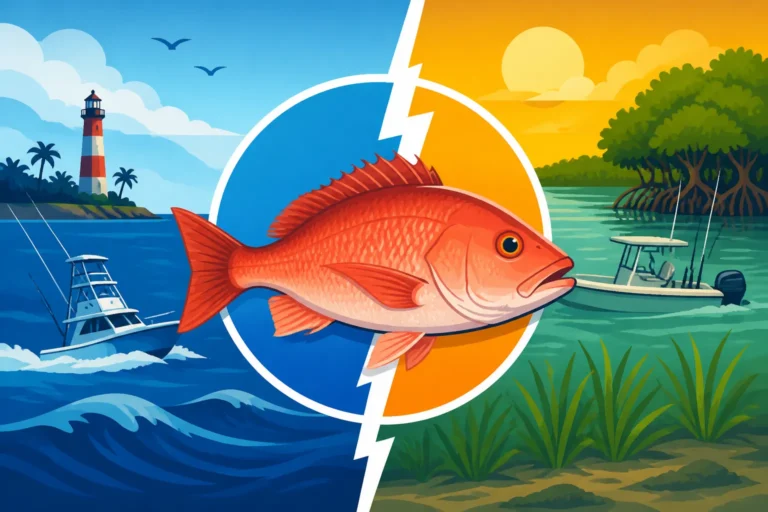
One of the biggest sources of confusion and a significant factor in the length of the Gulf Red Snapper season is the distinction between federal and state waters, and how they are managed. It's not a single, unified set of rules, which can make planning a fishing trip feel like navigating a legal minefield.
Defining Federal and State Waters in the Gulf
Let's clear this up first. In the Gulf of Mexico, Florida's state waters extend out to 9 nautical miles from shore. Anything beyond that 9-nautical-mile line is considered federal water. This distinction is absolutely critical because the rules and regulations for fishing, including season dates and bag limits, can differ dramatically between these two zones. Imagine you're fishing 8 nautical miles offshore, safely within state waters, and suddenly you drift just one more mile out. Without realizing it, you've crossed into federal jurisdiction, where the season might be closed or the rules entirely different. This is why it's so important to be aware of State Waters vs Federal Waters Fishing Rules in Florida before you head out.
This geographical division creates a layer of complexity for anglers. It means you can't just assume that if red snapper season is open (or closed) in one area, it's the same everywhere. Always check the current regulations for the specific waters you plan to fish, whether you're targeting fish in state waters near Sarasota or heading out to deeper federal grounds off Destin.
Different Management Approaches and Their Impact
The management of Gulf Red Snapper is a shared responsibility, but with different entities calling the shots. Within state waters, the Florida Fish and Wildlife Conservation Commission (FWC) sets the rules. In federal waters, the Gulf of Mexico Fishery Management Council, in conjunction with NOAA Fisheries, is responsible. These two bodies don't always align perfectly, which can lead to situations where Florida state waters have a longer red snapper season than federal waters.
For instance, in some years, Florida has taken over management of the recreational red snapper season within its 9-mile state waters, allowing for longer open periods than the federally managed season. This can be a boon for anglers with smaller boats who can't safely venture far offshore into federal waters. However, it also means that anglers with larger boats who prefer to fish the deeper federal reefs still face those shorter, federally mandated seasons. This split management system is an ongoing experiment and a topic of constant discussion, often highlighted when people ask When Does Florida Red Snapper Season Open in the Gulf? for specific dates. The different approaches aim to balance state interests with the broader federal goal of regional stock recovery.
Data Collection Challenges and Real-Time Monitoring
One of the biggest hurdles in managing a highly sought-after species like Gulf Red Snapper is accurately tracking how many are being caught, especially by the recreational sector. Commercial fishermen have strict reporting requirements, but for private recreational anglers, getting real-time, accurate catch data is incredibly challenging. This is a huge piece of the puzzle because if managers don't know precisely how many fish are being harvested, they can't effectively predict when the quota will be met.
Historically, recreational catch estimates relied on surveys that took time to compile, meaning by the time the data was available, the quota might have already been exceeded or the season was closed prematurely out of caution. There have been advancements, with some states using mobile apps and online reporting systems (like the state's own GoOutdoorsFlorida system or others that work in conjunction with regulations) to get more timely data. However, ensuring widespread participation and accurate reporting from millions of recreational anglers is a monumental task. The better the data, the more precisely managers can set season lengths without going over the TAC, which would harm the stock. This difficulty in data collection is a major reason why seasons tend to be conservative and therefore short, to avoid overshooting the quota.
Angler Impact and Adapting to the Reality
Given all these scientific and management complexities, it's clear that short Gulf Red Snapper seasons are likely here to stay for the foreseeable future. So, what's an eager angler to do? It's about adapting, planning smart, and advocating for the future of the fishery.
Making the Most of a Short Window
When the season does open, those few precious days or weeks become gold. The key is to be prepared and flexible. Keep an eye on the official announcements from FWC and NOAA Fisheries so you know the exact dates. If you're planning a trip, try to be nimble with your schedule. Booking a charter well in advance is almost a necessity, as slots fill up incredibly fast once the dates are announced. When you go, make sure your gear is in top shape, maybe even upgrading your braided line or hooks by ordering them from Amazon beforehand.
Consider your strategy. If the season is very short, focus on maximizing your time on the water. Research good spots that are accessible to you, whether in state or federal waters, and make sure you're up to date on all Florida Fishing Regulations and Bag Limits for red snapper. Having everything organized, from bait to ice to snacks, will help you make the most of every minute. Remember, safety first, even if you feel rushed! It’s also wise to know how many red snapper can you keep in Florida before you even leave the dock.
Advocating for Change and Participating in the Process
It's easy to complain about the short seasons, but active participation can make a difference. The Gulf of Mexico Fishery Management Council and the FWC regularly hold public meetings and solicit input from anglers. Taking the time to attend these meetings, submit comments, or contact your representatives can help ensure your voice is heard. The more diverse and data-backed input they receive, the better informed their decisions can be.
Beyond advocacy, accurate catch reporting, particularly for private recreational anglers if such systems are available in your area (like a mobile app), is crucial. The better the data, the more accurately managers can assess the stock and hopefully, in time, fine-tune the season length. It's a collective responsibility that we all share as stewards of the fishery. Organizations like the CCA (Coastal Conservation Association) also play a significant role in advocating for sustainable fisheries and representing angler interests.
Exploring Alternative Species
If the red snapper season doesn't align with your schedule, or if you simply don't get out in time, don't despair! Florida's waters are teeming with incredible fish species that offer fantastic fishing opportunities throughout the year. Many of these fish are just as fun to catch and just as delicious to eat.
Consider targeting species like Gag Grouper or Red Grouper, which have their own specific seasons and bag limits. You could also chase Amberjack, which put up an incredible fight and are often found on similar offshore structures as snapper. Inshore, species like Snook, Redfish, and Spotted Seatrout offer fantastic action. The key is to diversify your fishing interests. Check out guides like Florida Grouper Fishing Guide or Florida Amberjack Fishing Guide to learn about these other species. There’s always something biting in Florida, and exploring different targets can open up a whole new world of fishing enjoyment, often requiring slightly different tackle which you can research and purchase on Amazon.
Key Factors Influencing Gulf Red Snapper Season Length
To quickly recap, here are the primary elements that dictate how long you get to chase those magnificent red snapper in the Gulf of Mexico:
| Factor | Description | Impact on Season Length |
|---|---|---|
| Stock Assessments | Scientific evaluations of the health and abundance of the red snapper population, using catch data, age, size, and reproductive rates. | Determines the overall health of the stock and sets the basis for sustainable harvest levels. A healthier stock can support a larger TAC. |
| Total Allowable Catch (TAC) | The maximum total weight or number of red snapper that can be harvested in a given year without causing overfishing. | Directly limits the total number of fish caught; if anglers catch fish quickly, the TAC is met faster, leading to shorter seasons. |
| Sector Allocation | The division of the TAC among different user groups (e.g., commercial, recreational, for-hire). | The size of the recreational allocation directly influences how many fish recreational anglers can catch before the quota is met. |
| Recreational Catch Rates | How quickly recreational anglers are catching red snapper (influenced by angler effort, fish abundance, weather, and fishing success). | Higher catch rates mean the recreational quota is met faster, necessitating shorter seasons to stay within the TAC. |
| Management Jurisdiction | Whether fishing occurs in Florida state waters (up to 9 nautical miles) or federal waters (beyond 9 nautical miles), managed by different agencies. | State waters may have different and potentially longer seasons than federal waters, creating complexity for anglers. |
| Data Collection Accuracy | The effectiveness of systems used to monitor and estimate recreational catches in near real-time. | Inaccurate or delayed data can lead to conservative (shorter) seasons to avoid overfishing, or unexpected early closures. |
| Recovery Efforts History | Past overfishing led to strict regulations; current success in rebuilding the stock means more fish are available but still tightly managed. | The paradox: a healthy, abundant stock is met with high angler effort, causing the quota to be filled rapidly despite the robust population. |
It's a lot to take in, but understanding these factors can help demystify why those Gulf Red Snapper seasons are often so brief. The goal, ultimately, is to have a sustainable fishery that can be enjoyed for generations, even if it means some short-term sacrifices.
Disclaimer
This article is for general informational purposes only and does not constitute professional advice. Laws, prices and regulations vary by location and change over time. Consult a qualified professional for guidance on your specific situation.