Can You Keep a Grouper Caught in Federal Waters?
Navigating Florida's fishing regulations can feel like trying to untangle a knotted fishing line in the dark, especially when you start venturing further offshore. Many anglers dream of reeling in a big grouper, but the moment you cross that invisible line into federal waters, the rules can change significantly, leaving you wondering if your prized catch is even legal to keep. This guide is here to clear up that confusion, helping you understand the nuances of federal grouper regulations so you can fish with confidence and stay on the right side of the law.
Understanding the Invisible Line: State vs. Federal Waters in Florida
It’s easy to think that if you’re fishing off the coast of Florida, all the rules are the same. But that couldn't be further from the truth. The distinction between state and federal waters is one of the most crucial pieces of knowledge any angler heading offshore needs to understand, particularly when targeting species like grouper. Missing this key detail can turn a fantastic day on the water into a costly mistake.
The 9-Mile Marker: Where the Rules Change
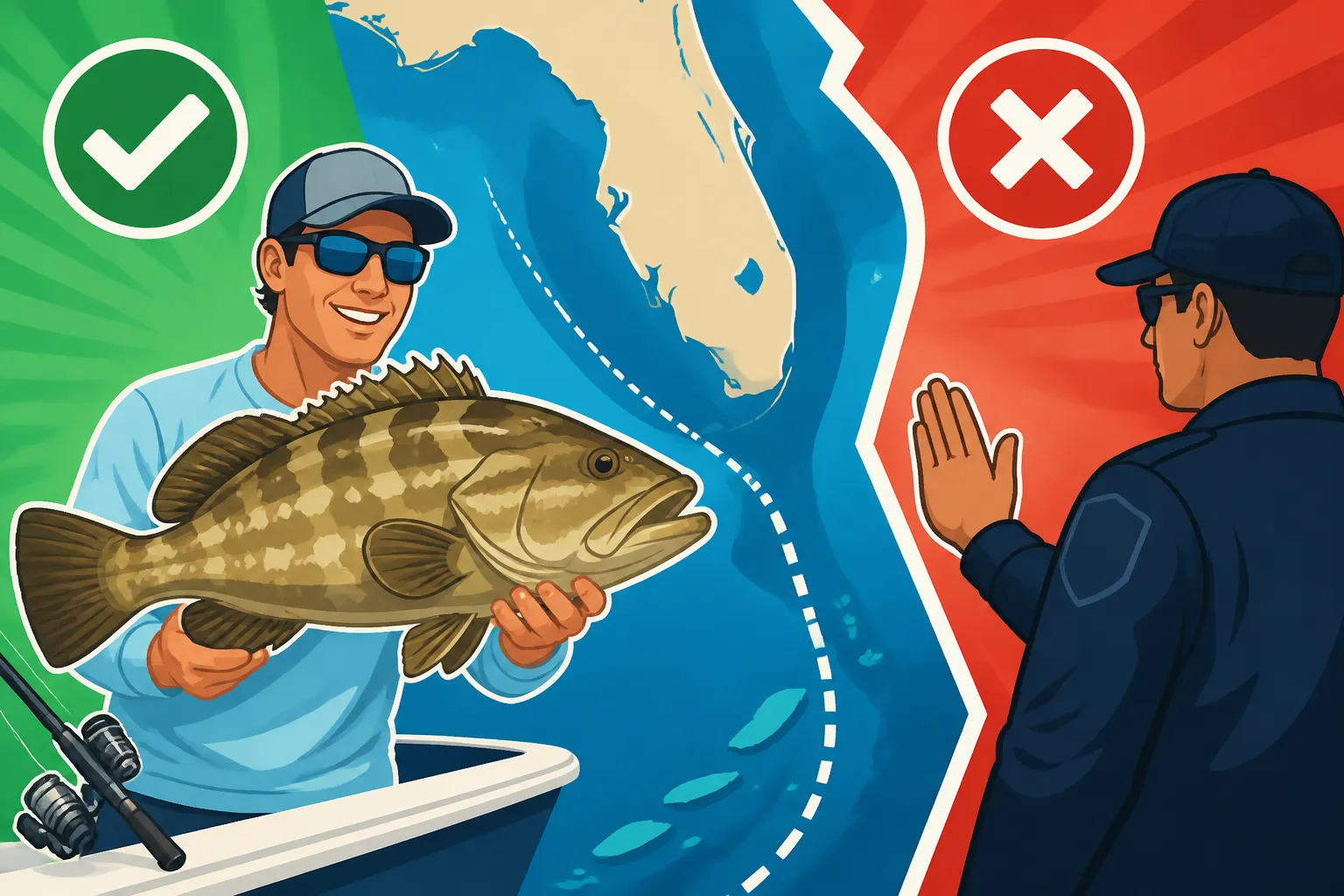
Florida's jurisdiction for saltwater fishing extends a specific distance from its coastline. For most of the state, particularly on the Gulf of Mexico side, state waters stretch out to 9 nautical miles from the shoreline. Think of this as the "home turf" where Florida's Fish and Wildlife Conservation Commission (FWC) sets the primary rules. But once you cross that 9-mile boundary, you enter federal waters, also known as the Exclusive Economic Zone (EEZ). On Florida's Atlantic coast, the state water boundary is even closer, generally extending out only 3 nautical miles. This shift from state to federal means you're now under the jurisdiction of federal agencies like the National Oceanic and Atmospheric Administration (NOAA) Fisheries, and their regulations can be quite different. It's not always a clear line you can see; it’s an invisible marker that requires anglers to be vigilant with their navigation and understanding of their position. For more on this, check out How Far Out Are Florida's State Waters?.
Why the Distinction Matters for Anglers
The reason this distinction is so vital comes down to one thing: compliance. State and federal agencies often have different rules for the same fish species, and this is especially true for popular offshore targets like grouper. What might be legal to keep in state waters – regarding size, bag limits, or even whether the season is open – could be entirely illegal just a few miles further offshore in federal territory. This can be incredibly frustrating for anglers who simply want to enjoy their hobby but find themselves caught in a bureaucratic tangle of differing rules. It’s not about making things difficult; it's about managing fish stocks across broader ecosystems that don't respect political boundaries. However, for the individual angler, it means constant awareness and sometimes, having to adhere to the stricter of the two sets of rules if they plan to fish both zones or are uncertain of their exact location. Understanding State Waters vs Federal Waters Fishing Rules in Florida is paramount for any offshore trip.
Federal Grouper Regulations: A Different Rulebook
So, you're out past the 9-mile mark in the Gulf, or 3 miles in the Atlantic, and your reel starts screaming. You battle a powerful fish to the boat, and it's a beautiful grouper! Now what? This is where understanding federal grouper regulations becomes absolutely critical. Federal waters are managed with a different set of priorities and, often, with stricter conservation measures that apply to commercial and recreational fishing alike. These regulations are designed to protect broader fish populations that migrate across state and international lines, ensuring sustainability for future generations.
Key Grouper Species Found in Florida's Federal Waters
When you're fishing in federal waters off Florida, you're likely targeting some of the same grouper species you'd find closer to shore, but with a few key differences in how they're managed. Some of the most common grouper species you'll encounter and need to be aware of federal rules for include:
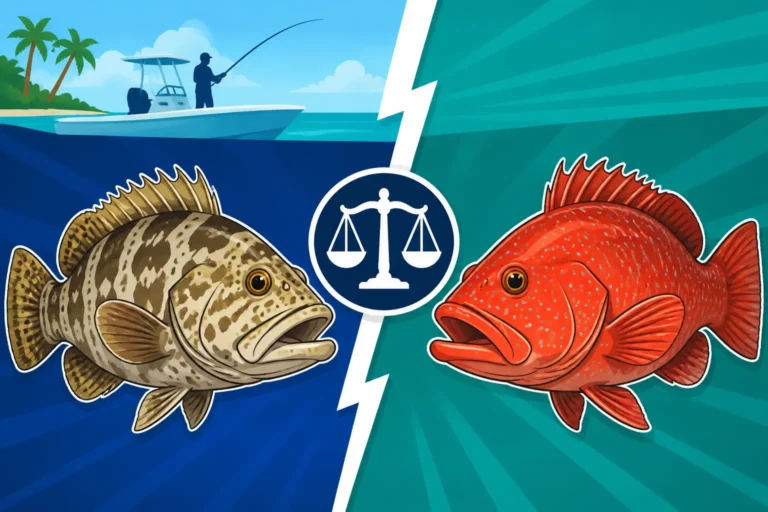
- Gag Grouper: These are highly sought-after and often have distinct seasons and size limits in federal waters that can differ from state regulations. They are notorious for their strong fight and delicious fillets.
- Red Grouper: Another popular species, Red Grouper are abundant on hard bottom structures in deeper federal waters. Like Gags, their harvest is closely monitored.
- Scamp Grouper: Known for their excellent table fare, Scamp are often found in deeper wrecks and reefs within federal zones.
- Black Grouper: These powerful fish can grow quite large and are a prized catch, particularly in the warmer southern federal waters.
- Warsaw Grouper and Goliath Grouper: While Warsaw can be caught, they are typically found in extremely deep waters and often have very strict (or outright prohibited) harvest regulations due to their slow growth and vulnerability. Goliath Grouper, on the other hand, are federally protected and are strictly catch-and-release only. There are no circumstances under which you can keep a Goliath Grouper, whether in state or federal waters.
Each of these species might have its own specific rules. It's not a "one size fits all" situation. Getting familiar with a comprehensive Florida Grouper Fishing Guide can help you differentiate these species and their general habitats.
Navigating Season and Bag Limits in Federal Territory
The most significant differences you'll encounter in federal waters concern open seasons and bag limits. Federal seasons for grouper can often be shorter or fall at different times than state seasons, and they are usually non-negotiable. For instance, a species might be open for harvest in state waters but closed the moment you cross into federal jurisdiction. This is particularly true for species with significant recreational and commercial pressure.
Bag limits also tend to be more restrictive in federal waters. You might be allowed a certain number of fish per person per day in state waters, but in federal waters, that number could be reduced, or specific species might be counted towards a aggregate limit (a total number of grouper, regardless of species, you can keep). The best practice is to assume that federal regulations are generally more conservative, meaning stricter rules regarding how many fish you can keep and when you can keep them. Always check the most current regulations for Florida Grouper Season Guide before heading out, paying special attention to the federal specificities. It's often easier to simply adhere to the federal rules for the entire trip if you plan to venture offshore, to avoid any confusion or accidental violations.
Size Matters: Federal Minimums for Grouper
Just like with seasons and bag limits, federal minimum size requirements for grouper can differ from those in state waters. It’s not uncommon to find that federal minimum lengths are slightly larger. This is a common conservation tool used to allow fish to mature and reproduce at least once before being harvested, contributing to healthier fish populations.
When you're out on the water, having a reliable measuring device is non-negotiable. You can find these at most tackle shops or even online from retailers like Amazon. Make sure it's accurate and easily accessible. The last thing you want is to measure a fish in state waters, think it’s legal, only to find out it’s undersized by federal standards if you've crossed that line. Always measure your fish carefully and err on the side of caution. If there's any doubt, it's always best to release the fish. For detailed breakdowns of specific species, consider looking up resources like Gag Grouper Size and Bag Limits or Red Snapper Size and Bag Limits which often include federal data. Remember, if you’re fishing anywhere near the boundary, it’s safest to follow the federal rules.
Staying Compliant: Tips for Fishing in Federal Waters
The thought of navigating complex federal fishing regulations might seem daunting, but with a bit of preparation and the right tools, staying compliant is entirely achievable. The key is proactive planning before you even leave the dock. A little homework goes a long way in ensuring your offshore fishing adventure is enjoyable and free of legal worries.
Essential Tools and Information for Federal Water Anglers
To avoid any headaches or legal trouble, here are some essential tools and pieces of information every angler venturing into federal waters in Florida should have at their disposal:
- Current Regulations: This is your bible. Always consult the latest federal fishing regulations before your trip. These are typically available on NOAA Fisheries websites or through reputable fishing apps. These are often updated throughout the year, so what was true last month might not be true today. Many anglers download PDFs or take screenshots to have offline access while at sea.
- GPS/Chartplotter: Knowing your exact location is crucial. A reliable GPS or chartplotter on your boat, or even a robust marine navigation app on a tablet, can clearly show you where state waters end and federal waters begin. Some systems even overlay these boundaries directly on the charts. This is invaluable, especially if you plan to target specific depths or structures that might fall near the border.
- Measuring Devices: As mentioned, having an accurate measuring tape or board is vital. Make sure it's clearly marked and easy to use, especially on a rocking boat. You might even find specialized fish rulers online at Amazon that are designed for marine use and won't rust.
- Fish Identification Guide: If you're new to offshore fishing or targeting less common species, a good fish identification guide can save you from mistakenly keeping a prohibited species or misidentifying one with a different size limit. Some guides are specifically tailored to Florida species and can be found in print or digital format.
- VHF Radio: While not directly tied to regulations, a VHF radio is an essential safety tool for offshore fishing, allowing you to monitor weather, communicate with other vessels, and, if needed, contact the Coast Guard. This indirectly helps with compliance by keeping you informed of rapidly changing conditions that might affect fishing or your ability to return safely.
What Happens If You Don't Know the Rules?
Ignorance of the law is never an excuse, especially when it comes to fishing regulations. Federal agencies like the Coast Guard and NOAA Fisheries actively patrol federal waters, and they are well-versed in the regulations. Getting caught with undersized fish, over the bag limit, or keeping a species that's out of season in federal waters can lead to significant penalties. These aren't just slaps on the wrist. You could face hefty fines, confiscation of your catch and gear, and even the loss of your boat in severe or repeat offenses.
Beyond the immediate legal repercussions, there’s also the broader impact on conservation. These regulations are in place to protect fish stocks, and every violation, no matter how unintentional, can undermine those efforts. It's a collective responsibility for all anglers to understand and adhere to the rules, ensuring that Florida's amazing fishing opportunities remain abundant for generations to come. When you encounter a federal officer and can confidently state your compliance, it makes for a much smoother and more pleasant interaction. Remember, always double-check the regulations for Florida Fishing Regulations and Bag Limits and especially specific rules like Do Grouper Limits Differ Between the Gulf and Atlantic Coasts? before you head out, and if in doubt, practice catch and release. Your diligence helps preserve this incredible resource we all cherish.
Disclaimer
This article is for general informational purposes only and does not constitute professional advice. Laws, prices and regulations vary by location and change over time. Consult a qualified professional for guidance on your specific situation.