Indian River Lagoon Fishing Guide in Florida
The Indian River Lagoon, stretching over 156 miles along Florida's east coast, can feel like a labyrinth, leaving many anglers overwhelmed by its sheer size and diverse ecosystems. It's easy to get frustrated trying to pinpoint the best spots or the right techniques when the conditions are constantly shifting. This comprehensive guide is here to demystify fishing the Indian River Lagoon, offering you practical advice, species insights, and spot-on location details to help you navigate its waters confidently and find success on your next trip.
The Unique Allure of Florida's Indian River Lagoon for Anglers
The Indian River Lagoon (IRL) isn't just a body of water; it's a living, breathing, incredibly complex estuary that offers some of the most diverse fishing opportunities in Florida. Many experienced anglers and newcomers alike find themselves drawn to its unique blend of freshwater influences and direct connection to the Atlantic Ocean. This mix creates a rich habitat that supports a phenomenal array of fish species, making it a true gem for anyone with a rod and reel.
A Diverse Estuary System
What truly sets the Indian River Lagoon apart is its status as a micro-tidal estuary, meaning the tidal swings are minimal compared to other coastal areas. This characteristic allows for vast expanses of shallow grass flats, mangrove shorelines, and oyster bars to flourish, providing ideal ambush points and feeding grounds for a multitude of game fish. The lagoon itself is comprised of three distinct segments: Mosquito Lagoon to the north, the Indian River proper in the middle, and the St. Lucie River estuary to the south. Each segment has its own nuances, from salinity levels to bottom composition, which in turn influences the types of fish you'll find and the best ways to target them. This diversity means you could be sight fishing for redfish over skinny flats in the morning and then targeting snook around deeper structure in the afternoon, all within a relatively short distance.
This unique ecosystem is a nursery for many species, supporting not only the fish we love to catch but also the baitfish, crabs, and shrimp that form the base of the food chain. The health of these interconnected habitats is crucial, and understanding this helps us appreciate why responsible angling is so important here. The shallow, clear waters in many parts of the lagoon allow for incredible sight fishing opportunities, where you can literally spot your target before making a cast – a truly exhilarating experience that keeps anglers coming back for more.
Navigating the Lagoon's Different Zones
The sheer length of the Indian River Lagoon means it encompasses various distinct zones, each with its own character and fishing potential. From the expansive, shallow flats of Mosquito Lagoon to the complex structure of Sebastian Inlet and the more residential canals and deeper channels further south, knowing where you are and what to expect is key. For example, the northern reaches, particularly around the Titusville and Oak Hill areas, are renowned for their vast expanses of grass flats, perfect for poling or trolling motor fishing in search of tailing redfish. As you move south towards the Eau Gallie Causeway or the 528 bridge, you start to encounter more significant structures, bridges, and deeper channels that hold different fish populations.
Further south, around Fort Pierce and Stuart, the lagoon becomes more influenced by the inlets, bringing in stronger tidal currents and larger predatory fish. Here, you'll find more pronounced drop-offs, jetties, and intricate mangrove systems. Understanding these geographical differences is paramount. It's not just "fishing the IRL"; it's fishing a specific part of the IRL, each demanding slightly different approaches. Many seasoned anglers will focus on a particular segment of the lagoon they know intimately, perfecting their techniques for that specific environment rather than trying to master the entire system at once. This segmented approach often leads to greater success and a deeper understanding of the local fish behavior.
The Environmental Challenges Facing the IRL
While the Indian River Lagoon offers incredible fishing, it's impossible to discuss it without acknowledging the environmental challenges it faces. Over recent decades, the lagoon has experienced significant ecological shifts, primarily due to pollution from stormwater runoff, septic tanks, and outdated infrastructure. This has led to nutrient overload, resulting in harmful algal blooms that block sunlight, kill seagrass, and deplete oxygen levels, devastating marine life. These events have deeply frustrated anglers who have witnessed the decline in water quality and fish populations firsthand.
The loss of vast seagrass beds, which are vital nurseries and feeding grounds, has been particularly impactful. It's a tough reality to face when you remember the thriving lagoon of years past. However, there are ongoing efforts by local communities, environmental groups, and state agencies like the Florida Fish and Wildlife Conservation Commission (FWC) to restore the lagoon's health. Projects like seagrass restoration, clam and oyster reef rebuilding, and improved wastewater management are underway. As anglers, we have a crucial role to play in supporting these initiatives and practicing responsible fishing to minimize our impact. Understanding these challenges isn't just about environmental awareness; it's about being a better, more informed angler who contributes to the long-term health of the fishery we cherish.
Prime Fish Species to Target in the Indian River Lagoon
When you think about fishing the Indian River Lagoon, a few iconic species immediately come to mind. This sprawling estuary is a paradise for inshore anglers, offering fantastic opportunities to hook into some of Florida's most sought-after game fish. Each species has its own habits, preferred habitats, and fighting style, making every catch an exciting challenge.
Chasing Redfish and Spotted Seatrout
Redfish, often called "red drum," and spotted seatrout are arguably the most popular targets in the Indian River Lagoon, and for good reason. They are plentiful, readily take a variety of baits and lures, and offer a fantastic fight, especially on light tackle. Redfish are known for their distinctive spot on the tail and their tendency to "tail" in shallow water as they feed, presenting incredible sight fishing opportunities, particularly in the clear, northern sections of the lagoon like Mosquito Lagoon. You'll often find them cruising grass flats, around oyster bars, and along mangrove shorelines. For a deep dive into targeting these beauties, check out our Florida Redfish Fishing Guide. They respond well to live shrimp, small crabs, and cut bait, but also readily strike artificials like soft plastic jerkbaits, spoons, and topwater plugs.
Spotted seatrout, often referred to simply as "trout," are another staple of the IRL fishery. They prefer slightly deeper grass flats, especially those with sandy potholes, and channel edges. These fish are aggressive eaters, making them a blast to catch. While not as powerful as redfish, they offer consistent action and are excellent table fare. Live shrimp under a popping cork is a classic and highly effective method for trout, as are soft plastics on jig heads and suspending twitchbaits. During the cooler months, trout tend to congregate in deeper pockets and channels, while in warmer weather, they'll spread out over the grass. For more details on targeting these popular fish, our Florida Spotted Seatrout Fishing Guide provides excellent insights.
The Elusive Snook and How to Find Them
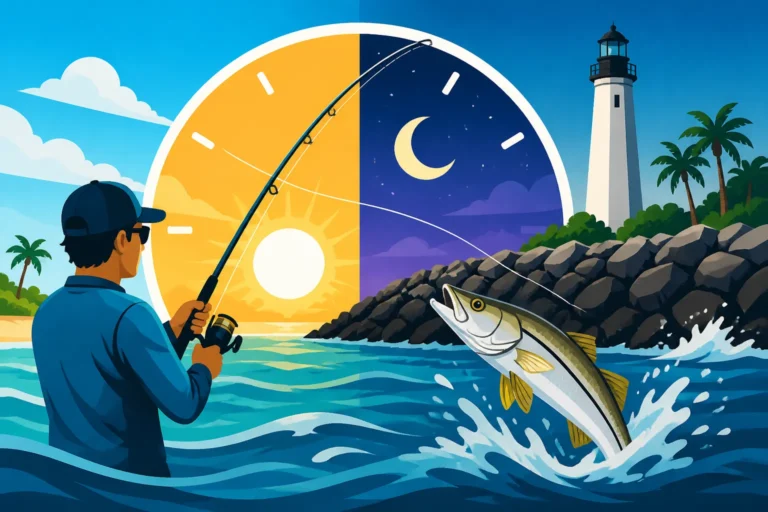
Ah, the snook! The common snook is arguably the king of the Indian River Lagoon's inshore fishery, renowned for its explosive strikes and powerful, acrobatic fights. Finding snook can be a bit more challenging than redfish or trout, as they are often more structure-oriented and sensitive to water temperature. You'll typically find them hiding under docks, around mangrove roots, bridge pilings, and in canal systems throughout the lagoon, especially where there's good current flow. They are ambush predators, so look for areas where they can lie in wait for unsuspecting baitfish.
Snook have very specific season regulations, so it's crucial to be aware of the Florida Snook Season Guide before you head out. They are very sensitive to cold fronts, often moving into deeper, warmer channels or even venturing into freshwater rivers during prolonged cold snaps. Live baits like pilchards, mullet, or sardines are irresistible to snook, but they also absolutely crush artificials such as jerkbaits, topwater plugs, and soft plastics that mimic baitfish. The strike of a big snook near a mangrove overhang is an experience every Florida angler lives for. Many anglers plan their trips around the snook season, and for good reason—they are an incredible sportfish.
Other Exciting Catches Like Flounder and Black Drum
While redfish, trout, and snook get most of the spotlight, the Indian River Lagoon is also home to a fantastic variety of other species that can offer a pleasant surprise or become primary targets. Flounder are a popular and delicious flatfish found predominantly on sandy or muddy bottoms, often near structure or channel edges where they can ambush prey. They are masters of camouflage, burying themselves in the sand with only their eyes protruding, waiting for a meal to swim by. Live mud minnows, finger mullet, or artificials like Gulp! shrimp on a jig head are excellent choices for tempting a flounder.
Black drum, the larger, darker cousin of the redfish, are another common sight in the IRL. They are often found in deeper channels, around bridge pilings, and oyster beds, sometimes in large schools. Known for their powerful pull, black drum can grow quite large and are primarily bottom feeders, making them a great target with dead shrimp, crab, or cut bait fished on the bottom. While not as flashy as a snook, landing a big black drum is a serious battle. Additionally, anglers can encounter species like pompano (especially near inlets), sheepshead (around barnacle-encrusted structures), and even tarpon in certain areas and times of the year, particularly further south. The diversity of the lagoon means you never quite know what might grab your line, adding an element of exciting unpredictability to every fishing trip.
Unlocking the Best Fishing Spots Across the IRL
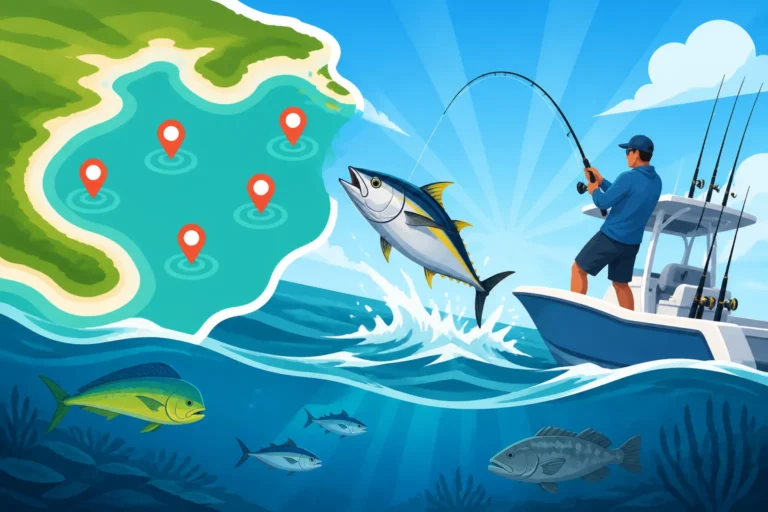
The Indian River Lagoon is so vast that pinpointing "the best" fishing spots can feel like searching for a needle in a haystack. However, by breaking it down into its northern, central, and southern sections, you can better understand where to focus your efforts based on the conditions and the species you're hoping to catch. Each segment offers unique features that attract different fish. For more general guidance, our Best Fishing Spots in Florida provides a great overview, but let's narrow it down to the IRL.
Northern Lagoon Hotspots (e.g., Mosquito Lagoon, Sebastian Inlet)
The northern reaches of the Indian River Lagoon are arguably the most famous among hardcore inshore anglers, particularly Mosquito Lagoon. This area, often hailed as the "Redfish Capital of the World," is characterized by extensive, shallow grass flats, clear water, and minimal boat traffic in many areas, especially within the Merritt Island National Wildlife Refuge. The challenge here is navigating the skinny water, but the reward is often sight-fishing for massive redfish and trophy spotted seatrout. Poling skiffs are common, allowing anglers to sneak up on fish without spooking them. The sheer beauty of the pristine environment here is as much a draw as the fishing itself. Popular launch points include the Haulover Canal area, Beacon 42 boat ramp, and River Breeze Park.
Further south, but still within the northern segment, lies the iconic Sebastian Inlet. This is a very different beast altogether. Sebastian Inlet is a dynamic, high-current environment connecting the Indian River Lagoon to the Atlantic Ocean. This constant flow of water and abundance of structure – jetties, bridge pilings, and rocky bottom – makes it a magnet for a huge variety of species. Snook are legendary here, especially during their seasonal migrations. Anglers target them from the jetties, the fishing pier, or from boats drifting the strong currents. Redfish, black drum, flounder, pompano, and even tarpon can be caught here depending on the season. Fishing here can be extremely productive but also very challenging due to strong currents and crowds. It’s a place where heavy tackle and an understanding of tides are essential.
Central Lagoon Gems (e.g., Vero Beach, Fort Pierce)
Moving into the central Indian River Lagoon, from areas around Vero Beach down to Fort Pierce, you'll find a blend of open waters, deeper channels, and significant tributary influences. This section still boasts excellent grass flats, though they may be less expansive than in the extreme north, interspersed with oyster bars and mangrove islands. Around Vero Beach, particularly in the Vero Narrows and the numerous small islands dotting the lagoon, anglers find success targeting redfish, trout, and snook. The deeper pockets and channels here can hold larger fish, especially during colder months when fish seek refuge. Many smaller creeks and canals also feed into the lagoon in this area, providing excellent snook and juvenile tarpon habitat.
Fort Pierce offers a robust fishing scene, largely due to the Fort Pierce Inlet. Similar to Sebastian, this inlet acts as a superhighway for migratory species, and its proximity to the main lagoon system means excellent opportunities for both inshore and nearshore action. Inside the lagoon around Fort Pierce, focus on the extensive mangrove lines, bridges, and causeways. The Intracoastal Waterway runs directly through this area, offering deeper water and channel edges that hold a variety of species. Public access points and boat ramps are abundant, making it a convenient spot for many. The areas surrounding the spoil islands are also known producers, often holding good numbers of trout and redfish. For those interested in offshore opportunities, the inlet provides quick access to the Atlantic.
Southern Lagoon Opportunities (e.g., Jensen Beach, Stuart)
As you head into the southern Indian River Lagoon, around Jensen Beach and Stuart, the environment shifts again. Here, the lagoon narrows in some places, and the influence of the St. Lucie River becomes more prominent, leading to deeper water, stronger currents, and often more extensive urban development with numerous docks and canals. Stuart, often called the "Sailfish Capital of the World," hints at the proximity to offshore waters, but its inshore fishing remains stellar, particularly for snook. The St. Lucie River and its forks provide excellent habitat for snook, tarpon, and even freshwater species further upriver, showcasing the incredible brackish water opportunities. Targeting the docks, bridge pilings, and residential canals with live bait or artificials is a highly effective strategy for snook and even some impressive mangrove snapper.
The waters around Jensen Beach also offer excellent opportunities for targeting redfish and trout on remaining grass flats and around the many islands and shorelines. The deeper sections of the lagoon in this area can also hold concentrations of black drum. The presence of multiple inlets (St. Lucie Inlet, Jupiter Inlet to the south) keeps the water moving and brings in fresh ocean water, which is beneficial for the fish population. For those who enjoy a variety of fishing, this southern stretch of the IRL provides a perfect mix of targeting the big three inshore species alongside the chance to hook into a surprising tarpon or large Jack Crevalle. Many fishing charters operate out of these areas, and booking a trip through platforms like FishingBooker can help you find a local expert who knows these complex waters inside and out.
Effective Fishing Techniques and Baits for the Indian River Lagoon
Fishing the Indian River Lagoon is a nuanced affair, requiring a mix of patience, stealth, and knowing which techniques and baits to deploy in specific situations. What works well in the shallow, clear flats of Mosquito Lagoon might be completely ineffective around the strong currents of Sebastian Inlet. Success in the IRL often comes down to adapting your approach to the diverse habitats and fish behaviors you encounter.
Mastering Shallow Water Tactics
Many of the most exciting fishing opportunities in the Indian River Lagoon occur in shallow water, often just a few feet deep, over lush seagrass beds or sandy potholes. This is where sight fishing truly shines. The key to shallow water success is stealth. Using a push pole on a flats boat or wading quietly can make all the difference, as loud noises or sudden movements will quickly spook wary fish. Fly fishing is also incredibly popular here for those who enjoy the challenge and artistry of the sport, offering a direct, visual connection to the fish.
When sight fishing, look for "tails" (redfish and sometimes trout feeding with their tails breaking the surface), "pushes" (fish creating a wake as they move), or simply dark shapes moving over the lighter bottom. Once you spot a fish, a precise, quiet cast is critical. Soft plastic jerkbaits, weedless spoons, and shallow-running twitchbaits are excellent artificial options, allowing you to cover ground effectively without snagging on grass. Live shrimp or small crabs free-lined or under a light popping cork can also be deadly. Remember, in shallow water, fish have fewer places to hide, so presenting your bait naturally and subtly is paramount.
Live Bait vs. Artificial Lures: What Works Best
This is a classic debate among anglers, and in the Indian River Lagoon, both live bait and artificial lures have their time and place. Understanding when to use which can significantly boost your catch rates.
Live Bait: There's no denying the effectiveness of live bait, especially for finicky fish or when targeting larger, more predatory species like snook. Live shrimp are a universal favorite, irresistible to everything from trout and redfish to snook and flounder. They can be fished under a popping cork, free-lined, or on a light jig head. Other excellent live bait options include pilchards (known locally as whitebait), finger mullet, and small pinfish. These are best presented free-lined or with a small amount of weight to get them to the desired depth, especially around structures like docks or bridge pilings. The natural movement and scent of live bait can entice strikes when artificials fail. For more on this topic, consider our guide on Live Bait vs Artificial Lures for Florida Inshore Fishing.
Artificial Lures: For anglers who prefer to cover more water, practice casting, and enjoy the challenge of "fooling" a fish, artificial lures are the way to go. Soft plastics, especially those mimicking shrimp or baitfish, are incredibly versatile. Brands like DOA Lures and Z-Man make excellent options that can be rigged on jig heads or as weedless jerkbaits. Topwater plugs are exhilarating, drawing explosive strikes from snook and redfish, especially during low-light conditions. Suspending twitchbaits are also highly effective for snook and trout, allowing you to work the lure slowly through the strike zone. Spoons are fantastic for covering open flats, mimicking fleeing baitfish. The beauty of artificials is that you don't have to worry about keeping them alive, and they allow for a wide range of presentations and retrieves. Often, a combination of both live bait and artificials, perhaps trying artificials first to locate fish and then switching to live bait for stubborn biters, is the most effective strategy.
Essential Gear for Your IRL Adventure
Having the right gear makes all the difference when fishing the varied environments of the Indian River Lagoon. You don't need to break the bank, but having reliable equipment tailored to inshore fishing will enhance your experience and success.
Rods and Reels: For most inshore fishing in the IRL, a medium-light to medium action spinning rod, typically 7 to 7.5 feet long, paired with a 2500-4000 series spinning reel, is ideal. This setup offers versatility for casting both light artificials and live baits, while still having enough backbone to handle a strong redfish or snook. Brands like Shimano, Penn, and Daiwa offer excellent options across various price points. For those targeting larger snook or tarpon, a slightly heavier medium-heavy setup might be preferred.
Line and Leader: Braided line, typically 10-20 lb test, is a popular choice for its sensitivity, strength, and casting distance. It’s important to tie on a fluorocarbon leader, usually 20-40 lb test, depending on the target species and water clarity. Fluorocarbon is nearly invisible underwater and offers good abrasion resistance, which is crucial around oyster bars and docks. A good knot like the FG knot or Alberto knot is essential for connecting braid to fluorocarbon.
Tackle Box Essentials: Beyond rods and reels, a basic tackle box for the IRL should include:
- Jig Heads: Various weights (1/8 oz to 1/2 oz) and hook sizes.
- Soft Plastics: Shrimp, jerkshad, and paddle tail imitations in natural and chartreuse colors.
- Topwater Plugs: "Walk-the-dog" style baits and poppers.
- Spoons: Gold and silver weedless spoons.
- Hooks: Circle hooks (especially if using live bait and practicing catch-and-release), J-hooks, varying sizes.
- Weights: Split shots and small egg sinkers.
- Popping Corks: For presenting live shrimp or soft plastics.
- Pliers: For hook removal and cutting wire.
- Leader Material: Spools of fluorocarbon in different strengths.
- Sun Protection: Hat, sunglasses (polarized are a must for sight fishing!), and sunscreen.
- Wading Boots/Shoes: If you plan on getting out of the boat.
- Cooler: For drinks, snacks, and keeping your catch (if allowed by Florida Fishing Regulations and Bag Limits).
Remember, sometimes less is more. Focus on a few reliable baits and techniques and master them before accumulating too much gear.
Timing Your Trip: Seasons, Tides, and Weather in the IRL
Fishing in Florida, especially in an estuary like the Indian River Lagoon, is heavily influenced by environmental factors. Understanding the seasons, tides, and how weather patterns affect fish behavior is crucial for consistent success. It's not just about showing up with a rod; it's about timing your efforts strategically.
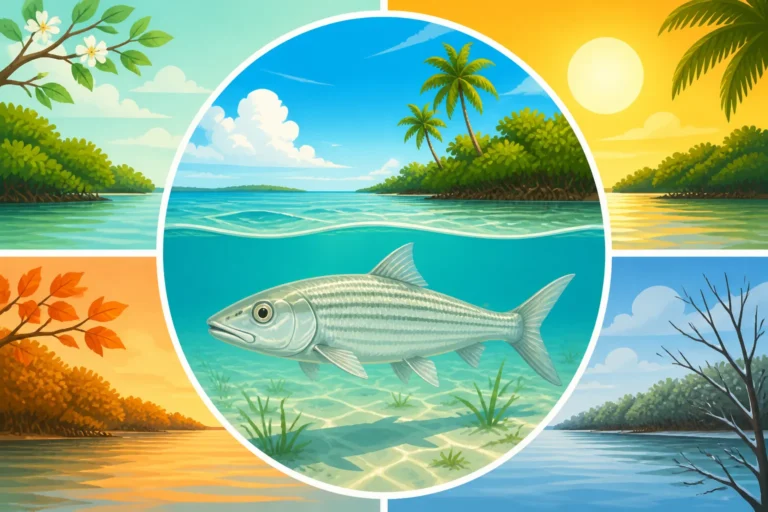
Seasonal Fishing Patterns Throughout the Year
The Indian River Lagoon offers year-round fishing, but the species you target and the techniques you use will vary significantly with the seasons.
- Spring (March – May): This is often considered one of the best times to fish the IRL. Water temperatures are rising, baitfish are returning in droves, and all the popular inshore species become very active. Redfish, trout, and snook are all feeding aggressively as they prepare for spawning. Look for them on the edges of grass flats, around oyster bars, and along mangrove shorelines. This is also a great time for topwater action in the mornings and evenings.
- Summer (June – August): While hot, summer can be incredibly productive, especially during low-light hours. Snook fishing heats up around the inlets and structure as they move towards spawning grounds. Tarpon also become more prevalent in the southern lagoon and river systems. Redfish and trout will still be found on the flats but may seek deeper water during the hottest parts of the day. Early mornings and late evenings are prime. Be mindful of afternoon thunderstorms, which are common in Florida summers.
- Fall (September – November): Another fantastic season, often rivaling spring. Baitfish schools are abundant, and predators like redfish, snook, and trout gorge themselves in preparation for cooler weather. The "mullet run" can bring incredible action to the inlets and along the beaches, drawing in large snook, redfish, and even tarpon. Water temperatures are comfortable, and fishing pressure might decrease slightly after the summer rush. This is also a great time to look for Florida Redfish Spawning Season activity.
- Winter (December – February): Winter fishing in the IRL can be challenging but highly rewarding. Cold fronts push fish into deeper channels, canals, and dark-bottomed areas where water temperatures are more stable and slightly warmer. Snook become particularly sensitive to cold, so you'll find them congregated in these deeper spots, often near structures. Redfish can still be found on sunny days on shallow flats that warm up quickly. Trout will also hold in deeper pockets. Pay close attention to water temperature and clarity, as fish will be less active in very cold, clear water. This is also when you might observe Why Florida Closes Snook Season in Winter.
The Critical Role of Tides and Water Movement
Unlike areas with large tidal swings, the Indian River Lagoon is considered micro-tidal. However, tides and current flow are still incredibly important, especially near the inlets and in certain parts of the lagoon.
- Inlets: Near Sebastian Inlet, Fort Pierce Inlet, and the St. Lucie Inlet, strong tidal currents create excellent feeding opportunities. Fish like snook, redfish, and flounder will stage along current seams, waiting to ambush baitfish being swept through. Knowing the tide charts for these specific inlets is absolutely critical. An outgoing tide can be fantastic for flushing bait out of the lagoon, while an incoming tide brings in fresh ocean water and bait. Our Best Tides for Inshore Fishing in Florida guide has more on this.
- Lagoon Proper: In the more expansive, less tidal areas of the lagoon, wind-driven currents and water levels often play a more significant role than lunar tides. Strong winds can push water around, affecting depths on the flats and creating subtle current flows. However, even small tidal pushes can stimulate feeding activity, especially around points, cuts, and oyster bars. Look for any kind of water movement, as stagnant water often means sluggish fish.
- High vs. Low Tide: Generally, high tide allows fish access to flooded mangroves and shallow grass, offering excellent opportunities for redfish to tail as they forage. Low tide concentrates fish in deeper pockets, around channel edges, and along exposed oyster bars, making them easier to locate. Often, the hour before and after a tide change can be particularly productive as fish move with the water.
Adapting to Weather Conditions and Water Clarity
Florida weather is famously unpredictable, and adapting to changing conditions is part of being a successful IRL angler.
- Sunny vs. Cloudy: Bright, sunny days with clear skies are perfect for sight fishing on the flats, but sometimes fish can be wary. Cloudy days can make fish less spooky and more willing to feed in shallower water throughout the day.
- Wind: Wind can be a blessing or a curse. A light breeze creates a "chop" on the water, breaking up the surface and making it harder for fish to see you, which can be advantageous for approaching them. However, strong winds can make casting difficult, dirty the water, and make boat control a nightmare. If it's too windy for the open flats, consider fishing protected canals, mangrove shorelines, or areas with natural windbreaks.
- Rain: Light rain can sometimes turn on a bite, especially in summer. The falling raindrops can disturb the surface, making it harder for fish to discern your presence and washing terrestrial insects and bait into the water. Heavy downpours, however, can quickly muddy the water, especially near runoff points, which can shut down the bite temporarily.
- Water Clarity: Optimal fishing conditions in the Indian River Lagoon are generally clear to slightly stained water. When the water is crystal clear, stealth and long casts are essential, and fish can be easily spooked. When the water is very dirty or murky, fish rely more on scent and vibration, so loud lures, live bait, or cut bait can be more effective. Unfortunately, the IRL has faced issues with harmful algal blooms, which can severely reduce water clarity and impact fishing. It's wise to check local conditions before heading out, especially regarding phenomena like How Red Tide Affects Fishing in Florida.
By paying close attention to these dynamic environmental factors, you can dramatically improve your chances of having a memorable and successful fishing experience in the Indian River Lagoon.
Protecting the Indian River Lagoon: Conservation and Responsible Angling
The Indian River Lagoon is a precious resource, and its continued health depends on the actions of everyone who uses it, especially anglers. We've seen its struggles firsthand, and it's our collective responsibility to ensure that future generations can enjoy the same incredible fishing opportunities we cherish today. Responsible angling isn't just a suggestion; it's a necessity for the survival of this unique ecosystem.
Understanding Current Regulations and Bag Limits
One of the most direct ways anglers can contribute to conservation is by strictly adhering to all fishing regulations set forth by the Florida Fish and Wildlife Conservation Commission (FWC). These rules, which cover species like redfish, snook, and spotted seatrout, are in place to manage fish populations sustainably. They dictate minimum and maximum size limits (often referred to as "slot limits"), daily bag limits, and specific closed seasons for certain species or regions. For instance, snook have seasonal closures and are often catch-and-release only in certain areas or times of the year, particularly during cold weather or spawning. It's your responsibility to know these rules before you cast a line.
You can easily find up-to-date information on the FWC website or by downloading the Fish Rules app, which provides real-time regulations based on your GPS location. Ignorance of the law is not an excuse, and violations can result in significant fines and penalties. For a more comprehensive overview, our Florida Fishing Regulations and Bag Limits guide can help. Always be sure to possess the appropriate Florida Saltwater Fishing License Rules as well. These licenses directly fund conservation efforts, so it's a win-win. By following these guidelines, you're not just avoiding trouble; you're actively participating in the management and recovery of the lagoon's fishery.
| Species | Minimum Size | Maximum Size | Daily Bag Limit | Notes |
|---|---|---|---|---|
| Redfish | 18 inches | 27 inches | 1 per harvester | Varies by management zone; check FWC for current status |
| Spotted Seatrout | 15 inches | 19 inches | 3 per harvester | Varies by management zone; check FWC for current status |
| Snook | 28 inches | 33 inches | 1 per harvester | Subject to seasonal closures; check FWC for current status |
| Flounder | 14 inches | No Max | 5 per harvester | |
| Black Drum | 14 inches | 24 inches | 5 per harvester | One over 24 inches allowed |
Note: Regulations are subject to change. Always consult the latest FWC guidelines before fishing.
Best Practices for Catch and Release
Given the conservation status of the Indian River Lagoon and the importance of healthy fish populations, practicing responsible catch and release is more critical than ever, especially for species like snook and redfish. Even if a fish is within the legal slot limit, choosing to release it carefully contributes to the overall health and resilience of the fishery.
Here are some best practices:
- Minimize Fight Time: Bring the fish in as quickly as possible without over-stressing it. Prolonged fights can lead to exhaustion, reducing its chances of survival after release.
- Handle With Care: Avoid touching the fish's eyes or gills. Use wet hands or a wet towel when handling to protect its slime coat, which is vital for disease resistance.
- Support Horizontally: If lifting the fish for a photo, support its body horizontally, especially larger fish. Avoid holding fish vertically by the jaw (like a lip gripper alone) as this can damage its spine and internal organs.
- Use Appropriate Gear: Barbless hooks or crimping down barbs can make hook removal much easier and quicker. Using circle hooks with live bait significantly reduces gut-hooking, as fish are typically hooked in the corner of the mouth.
- Quick Hook Removal: Have pliers or a dehooking tool readily available to quickly remove the hook. If a fish is deeply hooked, cut the line as close to the hook as possible rather than trying to rip it out. Our guide on What Happens If You Keep an Undersized Fish in Florida also touches on responsible handling.
- Revive Properly: If a fish seems sluggish, hold it gently in the water, facing into the current (if any), and move it back and forth to push water over its gills until it regains strength and can swim away on its own. Never just toss a tired fish back. For snook in particular, proper release is key, so check out Catch and Release Best Practices for Snook.
Every fish safely released is an investment in the future of Indian River Lagoon fishing.
Supporting the Lagoon's Recovery
Beyond individual angling practices, there are broader ways to support the Indian River Lagoon's recovery. Becoming an advocate for clean water initiatives, supporting local conservation organizations, and educating others are powerful actions. Organizations like the Indian River Lagoon Council, the Marine Resources Council, and Keep Brevard Beautiful are actively working on restoration projects, including seagrass planting, oyster reef construction, and advocating for improved water quality policies.
As anglers, we have a vested interest in the health of this estuary. Consider volunteering for clean-up events, participating in citizen science programs that monitor water quality or fish populations, or simply being mindful of your own environmental footprint. Ensure your boat is properly maintained to prevent fuel leaks, use environmentally friendly cleaning products, and always dispose of trash responsibly. Every piece of plastic or discarded fishing line can contribute to habitat degradation. Platforms like FishingBooker can help you find guides who are committed to sustainable practices and can share local insights on current conditions and ongoing efforts. By taking an active role, we can all help ensure that the Indian River Lagoon remains a vibrant and productive fishery for generations to come.
Disclaimer
Please remember that fishing regulations, conditions, and environmental factors in Florida can change rapidly. Always consult the latest rules and advisories from the Florida Fish and Wildlife Conservation Commission (FWC) before your trip. This guide is for informational purposes only and should not replace official FWC resources. Stay safe and fish responsibly.