Best Grass Flats in Tampa Bay for Trout
Finding those elusive speckled trout in Tampa Bay can feel like searching for a needle in a haystack, especially with the vast stretches of water and diverse habitats. Many anglers struggle to pinpoint the prime locations where these beautiful fish congregate, leading to frustrating days on the water. This comprehensive guide is here to demystify trout fishing in Tampa Bay, revealing the best grass flats where you can consistently find speckled trout, along with the techniques that will put them in your net.
Understanding Tampa Bay's Grass Flats Ecosystem
Tampa Bay is renowned for its expansive, healthy seagrass beds, which are the lifeblood of its inshore fishery. Understanding this delicate ecosystem is key to unlocking successful trout fishing experiences. These submerged meadows aren't just pretty scenery; they're bustling underwater cities teeming with life, and speckled trout are often the apex predators in these green landscapes.
Why Grass Flats Are Trout Magnets
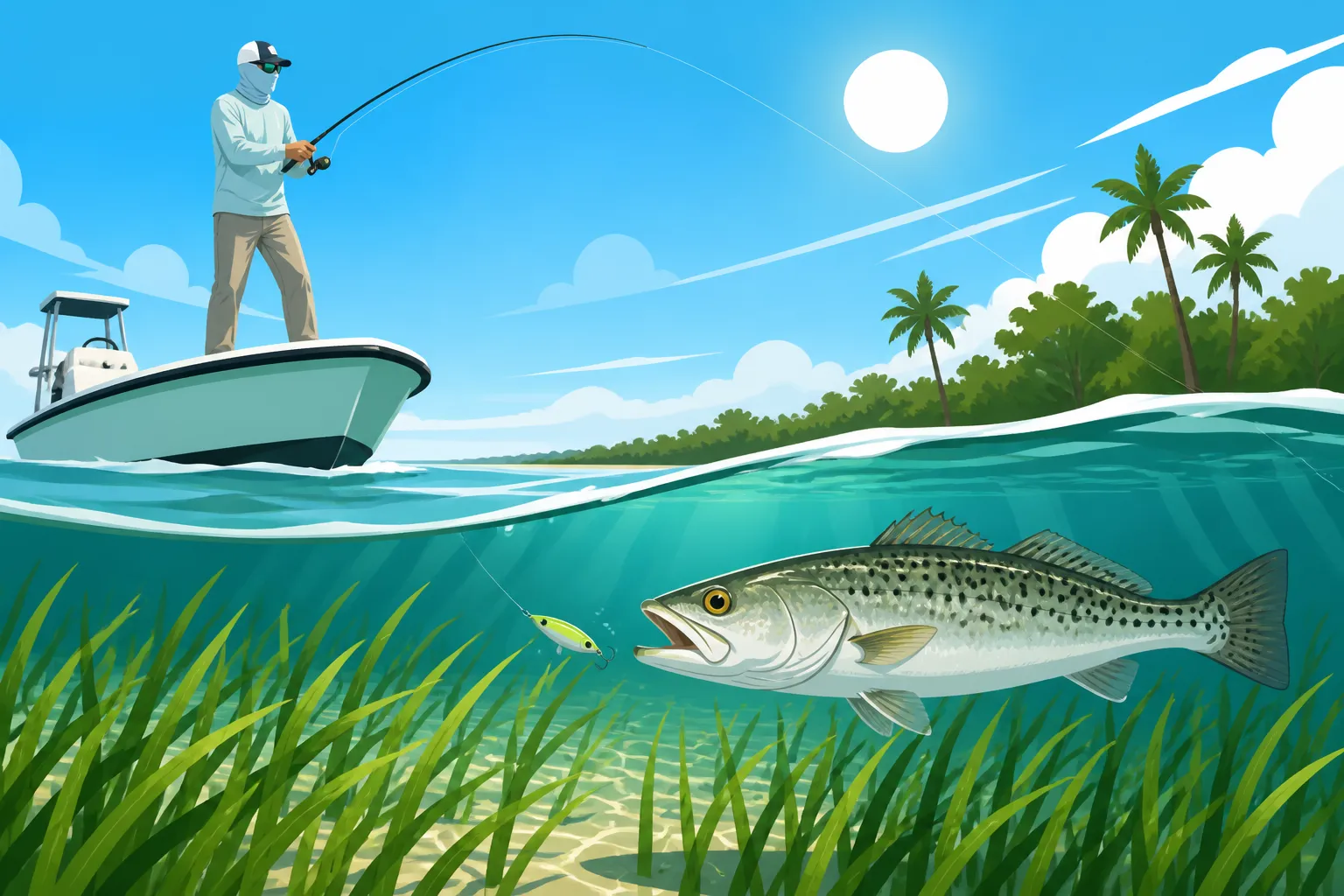
Seagrass flats are the ultimate hunting grounds and safe havens for speckled trout. Think of them as vibrant nurseries and cafeterias rolled into one. The dense blades of turtle grass, shoal grass, and manatee grass provide crucial cover for juvenile fish and invertebrates, which form the base of the trout's diet. Small shrimp, crabs, and a variety of baitfish like pilchards, pinfish, and scaled sardines hide among the grass, only to become a tasty meal for a hungry trout.
Beyond food, these flats offer protection from larger predators and strong currents. Trout can ambush unsuspecting prey by lurking in the grass, darting out to strike, and then disappearing back into the safety of the green blades. The oxygen-rich water found in healthy seagrass beds also creates a comfortable environment for them to thrive. When you're scouting for trout, always look for healthy, vibrant grass – it's a clear indicator of a productive feeding zone.
Reading the Tides and Water Conditions
Successfully fishing grass flats for trout often boils down to understanding tidal movements and how they influence the fish. Speckled trout are highly influenced by the ebb and flow of the water, which dictates when and where they feed. Knowing how to read the tides and observe water conditions will drastically improve your chances of a successful outing. You can dive deeper into this topic with our guide on Best Tides for Inshore Fishing in Florida.
Generally, an incoming tide brings cooler, cleaner water from the Gulf into the bay, often pushing baitfish onto the flats. This can trigger a strong feeding bite, especially as the water reaches its peak high tide over the shallower grass. Conversely, an outgoing tide can pull baitfish off the flats and into deeper channels or along the edges, making them easier for trout to ambush. Often, the last hour of an outgoing tide and the first hour of an incoming tide are prime feeding windows as bait is moving actively.
Water clarity and temperature are equally vital. Trout prefer cleaner water, as it allows them to better spot their prey. After heavy rains, the bay might become murky, pushing trout to clearer areas or deeper edges. Water temperature also plays a significant role; trout are less active in very cold water, often moving to deeper channels or dark-bottomed areas to seek warmth. During scorching summer months, they might retreat to deeper grass or feed heavily during cooler morning and evening hours. Learning Best Time of Day to Fish in Florida can further refine your approach.
Top Grass Flats in Tampa Bay for Speckled Trout
Tampa Bay offers a vast playground of grass flats, each with its own unique characteristics and appeal. From the northern reaches of Pinellas County to the southern expanses near Manatee County, there are numerous spots where you can find excellent trout action. Understanding the nuances of these areas will help you plan your trips effectively.
North Shore Havens
The northern parts of Tampa Bay, especially around St. Petersburg and Clearwater, boast some fantastic grass flats that are consistently productive for speckled trout. These areas often provide a mix of shallow and slightly deeper grass, along with mangrove edges and oyster bars that create ideal ambush points.
Weedon Island Preserve in St. Petersburg is a prime example. Its intricate network of mangrove tunnels, open flats, and shallow channels holds abundant baitfish, which in turn attract hungry trout. Access is excellent for kayakers and paddleboarders, allowing you to quietly explore vast stretches of grass. Wade fishing is also popular here, particularly during lower tides when the edges of the flats are more exposed. The key is to look for potholes, sand spots, and subtle changes in grass height, as these are where trout often lie in wait. FishingBooker lists several local guides who specialize in navigating these intricate backcountry waters.
Further south, near Fort De Soto Park, you'll find extensive grass flats stretching towards the Gulf. Bunces Pass and the surrounding waters are renowned for their healthy seagrass. These areas are excellent for both wade fishing and boaters with shallow-draft vessels. Pay attention to the current flows around the passes, as these bottlenecks concentrate bait and create prime feeding opportunities for trout. Safety Harbor, nestled in the northeast corner of the bay, also features productive shallow grass flats, particularly around the edges of Philippe Park. These spots are often less pressured and can yield impressive numbers of trout, especially on an incoming tide.
Central and South Bay Hotspots
Moving into the central and southern reaches of Tampa Bay, the grass flats continue to impress, offering diverse environments for trout anglers. These areas can sometimes offer larger, more expansive flats, making them ideal for drifting with a trolling motor or making long casts from a boat.
The flats around the iconic Sunshine Skyway Bridge are phenomenal. While many focus on the bridge pilings for snook and snapper, the vast grass flats on either side, particularly to the east, hold incredible numbers of trout. Look for areas with a mix of grass and sand, especially near channel edges where depth changes occur. These transition zones are where trout often stage, waiting for bait to move between the shallow flats and deeper water.
Further south, towards Palmetto and Bradenton, you'll find Cockroach Bay Aquatic Preserve and the expansive Terra Ceia Bay. These areas are truly gems for inshore fishing, boasting some of the healthiest and most productive grass flats in the entire region. Cockroach Bay, with its numerous small islands and protected coves, offers fantastic kayak and small boat access. The grass beds here are vast, and drifting with the current while casting soft plastics or live bait can be incredibly effective. Terra Ceia Bay, often less crowded than its northern counterparts, presents miles of pristine flats, perfect for targeting trophy trout. When fishing these southern flats, remember that tidal flow remains crucial. Focus your efforts during periods of good water movement over the grass. For a deep dive into local conditions and hot spots, consider booking a trip through FishingBooker with a captain who knows these waters like the back of their hand.
Essential Techniques and Tackle for Trout on the Flats
Catching speckled trout on the grass flats isn't just about finding them; it's about presenting your bait or lure in a way that triggers a strike. Having the right gear and understanding the most effective techniques can make all the difference between a slow day and a banner catch.
Best Baits and Lures
Speckled trout aren't particularly picky eaters, but certain baits and lures consistently outperform others on the flats. When it comes to live bait, it's hard to beat the natural appeal of a live shrimp or a frisky whitebait (scaled sardine or pilchard). These are what trout are accustomed to eating, making them irresistible. You can fish live shrimp under a popping cork to attract attention or free-line them for a more subtle presentation. Whitebait can be free-lined or fished with a small weight to get them down to the strike zone. Finding good quality live bait is often half the battle, so learning How to Catch Shrimp for Bait in Florida or How to Catch Pinfish for Bait can give you an edge.
For artificials, soft plastic jerkbaits and paddletails are incredibly effective. Colors like "new penny," "chartreuse," and "pink" often mimic local baitfish and shrimp. Rig them on a lightweight jig head (1/8 to 1/4 ounce is common for shallow flats) and work them with a slow retrieve, punctuated by subtle twitches. Topwater lures, especially walk-the-dog style baits, are exhilarating to use, particularly during low light conditions or when trout are actively busting bait on the surface. Nothing beats the thrill of a big trout blowing up on a topwater plug! Lastly, small suspending twitchbaits are excellent for mimicking injured baitfish and can be deadly when trout are a bit finicky. Check out our guide on Best Lure Color for Murky Water in Florida for more artificial bait strategies.
Rod, Reel, and Line Selection
For fishing the grass flats for speckled trout, a light to medium-light spinning rod and reel setup is generally preferred. This allows for long, accurate casts with lightweight lures and baits, and provides a sporting fight with these often feisty fish. A 7-foot to 7-foot 6-inch fast-action spinning rod with a sensitive tip is ideal for detecting subtle bites and making precise presentations. Paired with a 2500 or 3000 series spinning reel, you'll have a balanced setup that's comfortable to cast all day. You can find more comprehensive gear advice in Best Rod and Reel Setup for Florida Inshore Fishing.
As for line, 10 to 15 lb braided line is a popular choice due to its sensitivity and casting distance. It's crucial to tie on a fluorocarbon leader, typically 15 to 25 lb test, to provide invisibility in the clear waters of the flats and offer abrasion resistance against the trout's sharp gill plates and the abrasive seagrass. The length of your leader can vary, but a 2-3 foot section is usually sufficient. Remember, a good knot connecting your braid to fluorocarbon leader, like an FG knot or an Albright knot, is essential for reliable performance.
Wading vs. Boating the Flats
Deciding whether to wade fish or use a boat on the grass flats depends on several factors, including the specific location, water depth, and your personal preference. Both methods have their distinct advantages.
Wade fishing offers a stealthy approach. By slowly shuffling through the water, you minimize noise and disturbance, allowing you to get closer to the fish without spooking them. It's an intimate way to experience the flats, letting you feel the bottom and read the subtle contours of the grass. Wading is particularly effective in areas with firm bottoms and depths up to your waist. It's also a fantastic option for those without a boat, providing access to incredible fishing for just the cost of a fishing license and some basic gear. Remember to wear appropriate sun protection, polarized sunglasses to spot fish and obstacles, and sturdy wading boots to protect your feet from oyster shells or stingrays. Many of the northern Tampa Bay flats, like those around Weedon Island, are fantastic for wading. You can also explore Best Kayak Fishing Spots in Florida if you prefer a quieter vessel.
Using a shallow-draft boat or kayak, on the other hand, allows you to cover more ground and access deeper flats or those farther from shore. A trolling motor is invaluable for silently maneuvering over the grass, allowing you to drift or hold your position without spooking fish. Boats also give you the advantage of carrying more gear, bait, and a cooler for your catch and refreshments. However, boating the flats requires careful navigation to avoid prop scarring the delicate seagrass beds, which are vital to the ecosystem. Always use navigation charts, push poles, or trolling motors in very shallow areas. Whether wading or boating, practicing responsible boating and fishing etiquette is paramount to preserving these precious habitats.
Maximizing Your Trout Catch and Conservation
Once you've found the right spots and geared up, there are still a few key elements to consider that will help you maximize your success while ensuring the health of the speckled trout population for years to come.
Optimal Times and Conditions
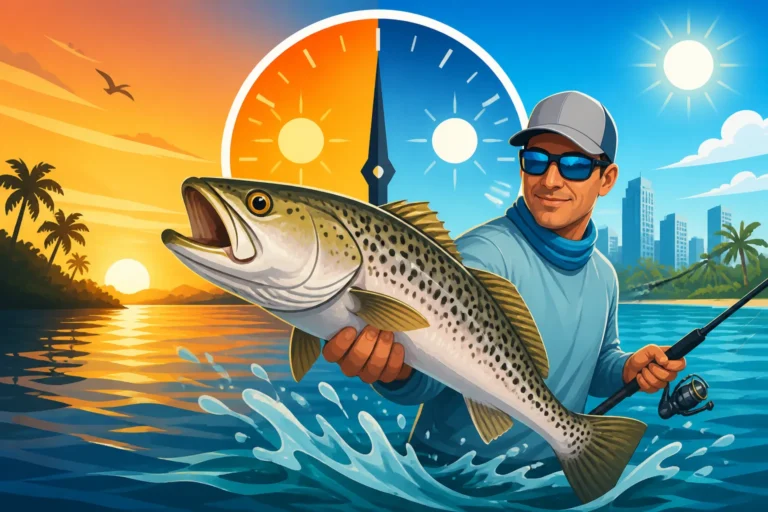
The "best" time to fish for trout on the flats isn't a one-size-fits-all answer, as it can vary with the season and current conditions. However, generally speaking, early mornings and late afternoons are often the most productive. During these low-light periods, trout are more active and less wary, often venturing into shallower water to feed. This is particularly true during the warmer summer months when the midday sun can push them into deeper, cooler areas.
Seasonal movements also play a significant role. In the cooler months of fall and winter, trout often congregate in larger schools on deeper grass flats or near protected channels, seeking slightly warmer water. They might be less active but can offer incredible fishing once you locate a school. As spring arrives and water temperatures rise, trout spread out across the shallower flats to feed and spawn. In summer, they might retreat to cooler, deeper grass during the heat of the day, making early morning or late evening trips more effective. Keeping an eye on weather patterns, especially cold fronts in winter or approaching storms in summer, can also indicate shifts in trout behavior. You can learn more about general Florida fishing seasons in our Florida Fishing Seasons Explained article.
Catch and Release Best Practices
While speckled trout are delicious table fare, practicing catch and release, especially for larger "gator" trout, is vital for maintaining healthy populations. These larger fish are often the prime breeders and contribute significantly to the species' reproductive success. When you decide to keep a fish, always ensure it meets Florida's Spotted Seatrout Size and Bag Limits and all other Florida Fishing Regulations and Bag Limits.
When practicing catch and release, handle the fish with care. Minimize its time out of the water, and use wet hands to protect its slime coat. If possible, use a de-hooking tool to remove hooks quickly and gently, especially if the hook is deep. Avoid touching the eyes or gills. If the fish is exhausted, hold it gently in the water, facing into the current, until it regains its strength and swims off on its own. These simple practices, similar to Catch and Release Best Practices for Snook, go a long way in ensuring a vibrant fishery for future generations of anglers. By being mindful of conservation, we can all enjoy the thrill of catching speckled trout on Tampa Bay's magnificent grass flats for many years to come.
Choosing the Right Charter for Trout Fishing
Even with all this information, sometimes the best way to learn the intricacies of Tampa Bay's grass flats is to go out with an experienced local guide. A seasoned captain knows the local waters, understands seasonal patterns, and can put you directly on the fish, making your trip more productive and educational.
When looking for a charter, consider what kind of experience you're after. Do you want to learn how to cast artificials, or do you prefer to fish with live bait? Are you interested in wade fishing or staying on the boat? Many excellent guides specialize in light tackle inshore fishing for speckled trout, redfish, and snook. Platforms like FishingBooker make it easy to browse local captains, read reviews, and find a guide whose expertise matches your fishing goals. They can provide all the necessary gear, bait, and most importantly, a wealth of local knowledge that would take years to acquire on your own. For those traveling from out of state or just starting, a guided trip is an invaluable investment in your fishing journey, offering a fantastic opportunity to learn the ropes and discover hidden gems within Tampa Bay.
Comparative Look at Tampa Bay Grass Flats
To give you a clearer picture, here's a quick comparison of some of the top grass flat areas in Tampa Bay for trout fishing:
| Location | Primary Access | Best Fishing Method | Ideal Conditions | Notes |
|---|---|---|---|---|
| Weedon Island Preserve | Kayak, Wade, Small Boat | Soft plastics, Live bait | Incoming tide, Low wind | Intricate, protected flats. Great for stealth. |
| Fort De Soto Park Flats | Wade, Boat | Popping corks, Live bait | Moving tides, Clear water | Large, open flats near passes. Can get crowded. |
| Safety Harbor | Kayak, Wade | Soft plastics, Topwaters | High tide, Calm mornings | Less pressured, good mix of grass and deeper water. |
| Skyway Bridge Flats | Boat | Artificials, Live bait | Outgoing tide, Structure near channels | Expansive flats, good current flow, excellent depth changes. |
| Cockroach Bay | Kayak, Small Boat | Drifting with soft plastics | Mid to high tide, Light chop | Very vast, healthy grass beds. Good for exploring. |
| Terra Ceia Bay | Boat, Kayak | Live bait, Suspending baits | Incoming tide, Cleaner water | Often less crowded, potential for larger trout. |
This table provides a general overview, but conditions can change daily. Always check local fishing reports and weather forecasts before heading out.
Disclaimer
Fishing laws and regulations, including license requirements, bag limits, and seasons, are subject to change. Always consult the latest rules and guidelines from the Florida Fish and Wildlife Conservation Commission (FWC) before engaging in any fishing activities. This guide is for informational purposes only and should not be considered legal advice.