Best Spots Near Steinhatchee for Scallops and Fish
Steinhatchee, Florida, holds a special place in the hearts of those who love the water, but trying to figure out the exact best spots for both scalloping and fishing can feel like searching for a needle in a haystack. Many visitors arrive with high hopes, only to spend precious time scratching their heads, wondering where to drop anchor for scallops or cast a line for elusive fish. This comprehensive guide is designed to cut through that confusion, giving you the insider knowledge on the prime locations near Steinhatchee where you can successfully find scallops and reel in some fantastic fish, ensuring your next trip is filled with unforgettable catches and delectable harvests.
The Allure of Steinhatchee: A Dual-Purpose Paradise
Steinhatchee is often called Florida's "Hidden Gem" for a reason. Nestled on the Big Bend coast, it offers a unique blend of pristine natural beauty and abundant marine life, making it a dream destination for both recreational scallopers and avid anglers. Unlike some of Florida's busier coastal towns, Steinhatchee retains a charming, laid-back atmosphere, allowing you to truly connect with the natural environment. It's a place where the rhythm of the tides dictates your day, and the rich estuary system provides a nursery for countless species.
Why Steinhatchee Shines for Scalloping
The clear, shallow grass flats surrounding Steinhatchee are absolutely ideal for bay scallops, particularly during their specific season. These mollusks thrive in healthy seagrass beds, which are plentiful here. The relatively calm, protected waters of the Gulf of Mexico along this stretch of coastline mean less turbid water, enhancing visibility for snorkelers. It’s not just about the numbers, though; it's the entire experience – drifting over vibrant grass beds, spotting these camouflaged treasures, and the simple satisfaction of collecting your own seafood. The natural beauty of the area truly enhances the hunt, turning a simple harvest into a memorable adventure. Many visitors specifically plan their trips around the highly anticipated Florida Scallop Season Dates, eager to partake in this unique recreational harvest.
Fishing Opportunities Galore in Steinhatchee
Beyond scallops, the fishing in Steinhatchee is nothing short of phenomenal. The Steinhatchee River itself acts as a highway for both freshwater and saltwater species, creating a fascinating transition zone. As the river spills into the Gulf, it creates a nutrient-rich estuary system that supports a robust ecosystem. Miles of shallow grass flats extend offshore, providing perfect habitat for popular inshore species, while a short boat ride further out reveals natural limestone ledges and artificial reefs teeming with larger game fish. Whether you're a fly angler stalking redfish in mere inches of water or a bottom fisherman targeting grouper, Steinhatchee offers diverse opportunities that cater to every type of angler. The health of the fishery here is a testament to the local conservation efforts and the naturally productive environment.
Navigating Steinhatchee's Prime Scalloping Grounds
When it comes to scalloping near Steinhatchee, success often hinges on knowing where to look and understanding the subtle cues of the environment. While the entire designated scalloping zone can hold scallops, certain areas consistently produce better results due to optimal grass health and water conditions.
North of the Steinhatchee River
Heading north from the Steinhatchee River mouth, you'll find extensive grass flats stretching for miles. This area is a perennial favorite for scallopers, and for good reason. The flats here tend to be wide and relatively shallow, making them easy to navigate and offering excellent visibility on a calm, sunny day.
- Specifics: Look for areas approximately 2 to 5 miles offshore, especially between the river and areas like Dallus Creek or further north towards Keaton Beach. The key is to find healthy, dense patches of turtle grass and shoal grass. Scallops often blend in perfectly with these grass blades, so a keen eye is essential. The depth typically ranges from 3 to 6 feet, which is comfortable for most snorkelers. On a busy weekend during scallop season, you'll see dozens of boats anchored, signaling productive zones. Many recreational scallopers find great success by drifting slowly over these flats, taking turns spotting the scallops from the boat before jumping in.
- Conditions: Ideal conditions involve minimal wind, clear skies, and an incoming or slack tide, which helps with water clarity. After a heavy rain, runoff from the river can temporarily reduce visibility close to shore, so venturing a bit further out might be necessary. Always check local marine forecasts before heading out. Sometimes, if the grass isn't quite right or water conditions are murky, it can be frustrating. That's when having a few backup spots in mind, or even consulting a local guide found on platforms like FishingBooker, can be a game-changer.
South of the Steinhatchee River
The grass flats south of the Steinhatchee River also offer fantastic scalloping opportunities, often feeling a bit less crowded than the northern areas, especially on peak days. This can be a huge advantage for those seeking a more tranquil experience.
- Specifics: Target the expansive grass beds south of the river towards areas like Deadman's Bay. Again, focus on healthy, dense seagrass in depths of 4 to 8 feet. The subtle undulations of the bottom here create slight depressions and rises where scallops might congregate. Pay attention to changes in water color and grass density, as these are strong indicators of prime habitat. Scallops tend to prefer areas where the grass provides good cover but isn't so thick that it completely obscures them from view. Remember that while the experience is incredibly rewarding, staying abreast of the Florida Fishing Regulations and Bag Limits for scallops is crucial to ensure a sustainable harvest for future generations.
- Challenges and Rewards: The currents can sometimes be a bit stronger in certain spots, so anchoring properly and being mindful of your drift are important. However, the reward can be excellent, with many scallopers reporting finding their limits in these southern zones. Some of the most productive spots are often found by observing other boats that seem to be consistently finding scallops, or by studying bathymetric charts that show grass beds and contour changes.
Here's a quick overview of primary scalloping areas:
| Scalloping Zone | General Location from River | Typical Depth (Feet) | Key Features for Success | Notes |
|---|---|---|---|---|
| North Grass Flats | 2-5 miles North | 3-6 | Dense turtle & shoal grass, clear water | Popular, can be crowded. Good for beginners. |
| South Grass Flats | 3-7 miles South | 4-8 | Expansive beds, good water clarity | Often less crowded. May require more searching. |
| Near Dallus Creek | 5-7 miles North | 3-5 | Protected coves, healthy grass | Excellent when winds pick up from the west. |
| Deadman's Bay Entrance | 6-8 miles South | 5-8 | Mix of grass and sandy potholes | Productive, but can have stronger currents. |
Top Fishing Spots Near Steinhatchee for Inshore and Offshore Action
Steinhatchee's reputation isn't just built on scallops; its fishing scene is legendary. From shallow water sight fishing to deep water bottom drops, there's a fishing adventure waiting for everyone. Understanding the different habitats and the species they hold is key to a successful day on the water.
Inshore Flats and Creeks
The inshore waters around Steinhatchee are a vast network of grass flats, oyster bars, and tidal creeks, forming a nursery and feeding ground for an impressive array of saltwater species. This is where light tackle and stealth often pay off big time.
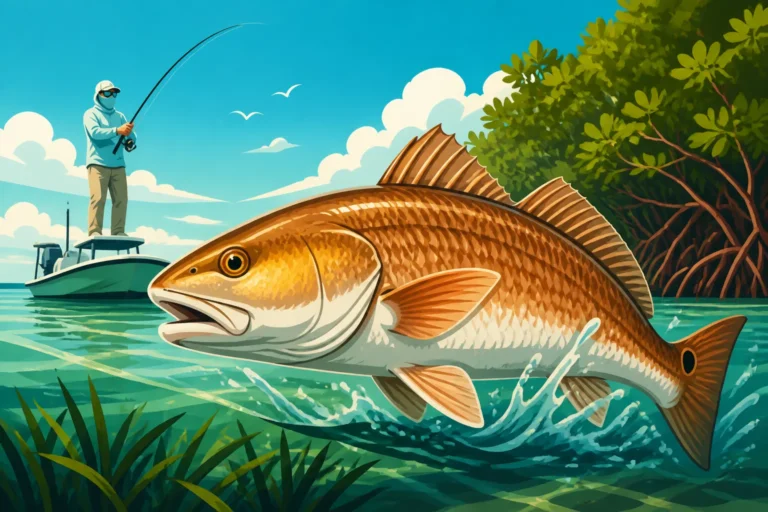
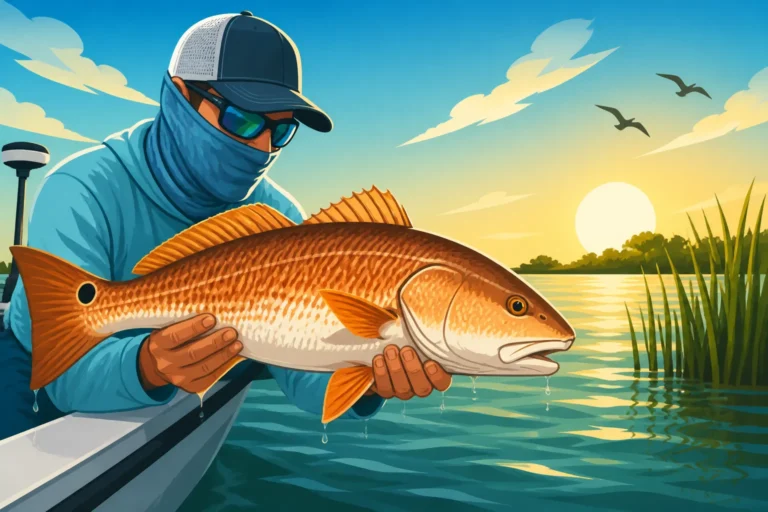
- Grass Flats (e.g., Piney Point, Rocky Creek areas): The expansive grass flats both north and south of the river are prime real estate for redfish, spotted seatrout, and flounder. Look for potholes in the grass, which often serve as ambush points for predatory fish, especially on an outgoing tide when baitfish are flushed out. Drifting and casting soft plastics, topwater lures, or live shrimp under a popping cork are incredibly effective methods here. Early morning and late afternoon are generally the best times, especially during the warmer months, when the fish are actively feeding in the cooler water. Guides often use push poles to silently navigate these shallow areas to avoid spooking the fish. For more detailed insights, check out our Florida Redfish Fishing Guide and Florida Spotted Seatrout Fishing Guide.
- Tidal Creeks and Oyster Bars: Creeks like Dallus Creek, Rocky Creek, and Fenholloway River (to the north) and other unnamed tidal guts to the south, offer fantastic fishing, especially during tide changes. Oyster bars, particularly those exposed or semi-exposed, attract baitfish and, consequently, bigger predators. Casting lures or live bait close to these structures can yield great results. Snook are often found lurking in these areas, particularly around structure and current breaks. Remember that snook have specific seasons, so always be aware of the Florida Snook Season Guide before targeting them. Fishing the creek mouths as the tide changes is a classic and consistently productive strategy.
Offshore Reefs and Ledges
For those willing to venture a bit further, Steinhatchee's offshore waters hold an abundance of larger, hard-fighting species. The limestone seabed, pockmarked with natural ledges and dotted with artificial reefs, creates perfect habitat for bottom dwellers and pelagic species alike.
- Natural Ledges and Hard Bottom: Just a few miles offshore, the bottom begins to change from sandy grass flats to rocky, hard bottom. These natural ledges and rocky outcroppings are magnets for grouper (gag, red, black), snapper (red, mangrove, lane), and amberjack. Depths can range from 20 to 60 feet for productive bottom fishing. Using live bait like pinfish or mullet, or cut bait such as squid and threadfin herring, dropped directly onto these structures, is often the most effective method. A good fish finder is invaluable for locating these productive structures. Always consult the Florida Grouper Fishing Guide and Florida Red Snapper Fishing Guide for current regulations and season dates, as these popular species are heavily regulated to ensure sustainable populations.
- Artificial Reefs and Wrecks: Several artificial reef systems have been deployed within a reasonable boat ride from Steinhatchee, providing excellent habitat in areas where natural structure might be scarce. These include old barges, concrete culverts, and bridge rubble. These spots attract a diverse range of fish, from snapper and grouper to king mackerel and cobia, particularly during their seasonal migrations. Trolling around these structures with spoons or diving plugs can be effective for pelagics, while bottom fishing with live bait works wonders for the reef fish. Many anglers find great success by researching reef coordinates provided by the Florida Fish and Wildlife Conservation Commission (FWC) or by hiring a local charter captain through sites like FishingBooker who knows these spots intimately.
Maximizing Your Steinhatchee Trip: Combining Scalloping and Fishing
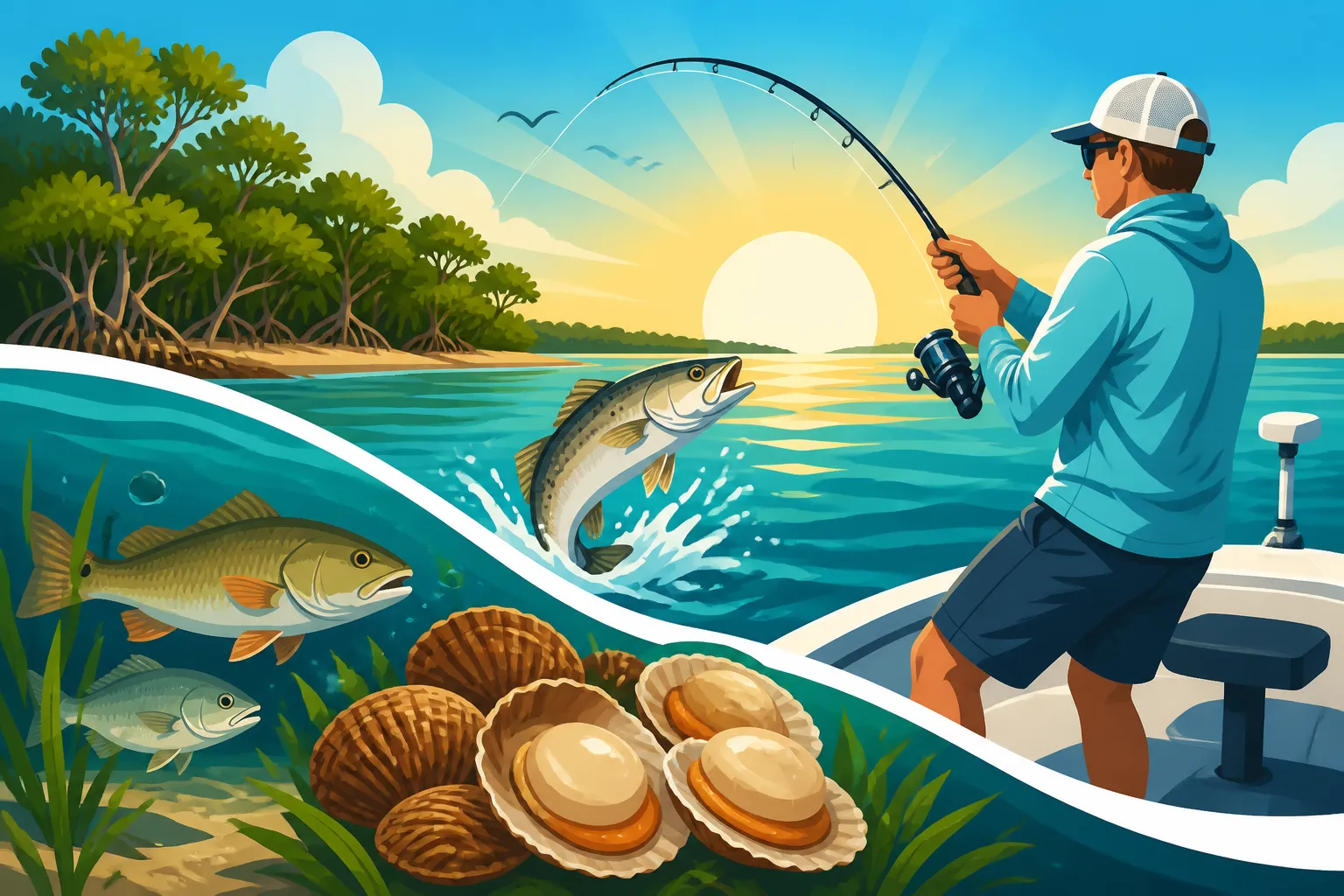
One of the greatest joys of visiting Steinhatchee is the opportunity to combine both scalloping and fishing into a single, unforgettable trip. It takes a bit of planning and understanding of the local conditions, but the reward of a fresh scallop and fish dinner makes it all worthwhile.
Timing Your Activities Perfectly
The key to a successful combo trip is often timing. Scalloping is primarily a daytime activity, best done on calm, sunny mornings when visibility is at its peak. This usually means starting your day early, hitting the scallop grounds first, especially if you want to beat the crowds or take advantage of a perfect tide.
- Morning Scalloping, Afternoon Fishing: Many experienced visitors will dedicate their mornings to scalloping. Once the scallop limit is reached (or a good portion of it), they'll transition to fishing. The afternoon can be excellent for inshore fishing as the sun starts to drop, cooling the water and stimulating fish activity. Alternatively, if you're venturing offshore, you might dedicate a significant portion of the day to that, but still fit in an hour or two of scalloping on the way back or on a different day. Keep an eye on the Best Time of Year to Fish in Florida to help plan your overall trip, as both activities are highly seasonal.
- Tidal Considerations: While high tide often provides better water depth for scalloping, an outgoing tide can be fantastic for fishing as it flushes bait from the creeks and flats. Learning to read the tide charts for Steinhatchee is an essential skill to optimize your day, allowing you to move from one productive area to another seamlessly.
Essential Gear and Preparedness
To effectively combine both activities, a few gear considerations and preparedness tips will go a long way in making your trip smoother and more enjoyable.
- Versatile Boat Setup: If you're bringing your own boat, a bay boat or shallow-draft center console is ideal. It needs to be capable of running a few miles offshore for fishing spots but also shallow enough to navigate the grass flats for scalloping. Ensure you have a reliable GPS/chartplotter, a good anchor for scalloping, and all necessary safety gear. Many charter captains offer combo trips, and booking one through a service like FishingBooker can provide you with all the necessary specialized equipment and local knowledge.
- Fishing and Scalloping Essentials: For scalloping, you'll need masks, snorkels, fins, and mesh bags (for collecting scallops). A dive flag is mandatory when people are in the water. For fishing, bring appropriate rods and reels for both inshore and offshore species, a variety of lures and Best Live Bait for Florida Inshore Fishing options, and a cooler with plenty of ice to keep both your scallops and fish fresh. Don't forget your valid Florida Saltwater Fishing License Rules! It's surprising how many people overlook this crucial step.
No matter if you're a seasoned local or a first-time visitor, Steinhatchee's unique blend of scalloping and fishing opportunities promises an enriching outdoor experience. By understanding the prime locations and planning your approach, you're set for a fantastic time on Florida's beautiful Big Bend coast.
Disclaimer
The information provided in this guide is for general informational purposes only and is subject to change. Always consult the most current regulations and guidelines from the Florida Fish and Wildlife Conservation Commission (FWC) before engaging in any fishing or scalloping activities. Local conditions, weather, and specific regulations can vary. Safety should always be your top priority on the water.