Florida Inshore Fishing Techniques
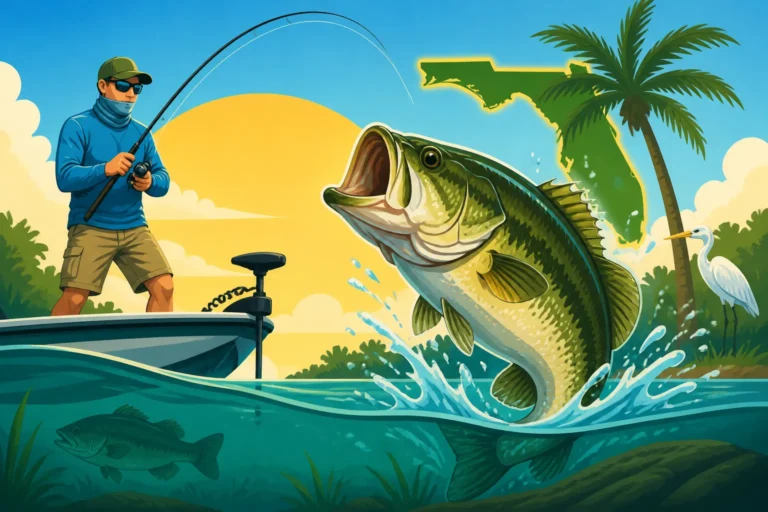
Many anglers, both seasoned and new, often feel a bit overwhelmed by the sheer diversity and dynamic nature of Florida's inshore fishing grounds. From the subtle nuances of glassy shallow flats to the turbulent currents of a busy inlet, figuring out the best approach to consistently catch fish can feel like a never-ending puzzle. This comprehensive guide is designed to cut through that complexity, providing you with a detailed breakdown of the most effective Florida inshore fishing techniques to help you confidently navigate these incredible waters and reel in more fish.
Understanding Florida's Diverse Inshore Ecosystems
Before you even think about casting a line, it's absolutely crucial to grasp the distinct characteristics of Florida's inshore environments. These unique habitats dictate where fish live, what they eat, and how they behave, directly influencing your choice of fishing technique. Trying to fish a mangrove shoreline like you would a wide-open grass flat is a recipe for frustration.
Shallow Flats and Grass Beds
Florida's expansive shallow flats, particularly in areas like the Indian River Lagoon or Tampa Bay, are iconic. These vast, often sun-drenched areas are characterized by depths ranging from mere inches to a few feet, covered extensively with seagrasses or dotted with sand pockets and oyster bars. These grass beds are like underwater cities, providing shelter, food, and breeding grounds for an incredible array of baitfish, crustaceans, and the sportfish that prey on them. Redfish, spotted seatrout, and juvenile snook are frequently found stalking these areas.
Fishing these flats requires a stealthy approach. The clear, shallow water means fish are highly aware of their surroundings, and a heavy-footed angler or a noisy boat can send them scattering in an instant. Poling a flats boat or navigating quietly in a kayak allows you to approach fish undetected. Learning to "read the water"—identifying subtle disturbances, nervous baitfish, or the tell-tale "push" of a cruising fish—is paramount here. Presentations need to be delicate; a long cast that lands softly is often more effective than a powerful splash. It's a game of patience and observation, where every detail matters.
Mangrove Shorelines and Estuaries
The dense, intricate root systems of mangrove trees are a defining feature of many Florida estuaries, especially in the southern half of the state. These tangled networks create an incredibly rich and protective habitat. The roots filter water, stabilize shorelines, and provide endless ambush points for predatory fish. Snook, in particular, are masters of hiding deep within these shadows, waiting for unsuspecting prey to drift by. Redfish, juvenile tarpon, and various snapper species also frequent these areas.
Fishing mangrove shorelines is all about precision casting. You need to get your bait or lure as close to the root systems as possible, often under low-hanging branches or into tight pockets. Accuracy is key, as a cast that's off by even a few feet might not get a bite. Once hooked, fish in the mangroves will immediately try to "चौक" you (wrap your line around roots), so strong tackle and quick reflexes are essential. It's an adrenaline-pumping environment where a successful hook-up often turns into a tug-of-war against the structure.
Inlets, Passes, and Bridges
Where Florida's vast inshore waters meet the open ocean, you'll find inlets and passes. These are high-traffic areas for both baitfish and predators, characterized by strong currents, deeper water, and often robust structures like jetties, rock piles, and bridge pilings. The constant flow of water brings in new food and congregates bait, making these hotbeds of activity. Snook, tarpon, jack crevalle, and various species of snapper and grouper (yes, even inshore!) can be found here. Bridges, often spanning these passes or connecting landmasses over estuaries, offer similar advantages with their pilings acting as current breaks and artificial reefs.
Fishing these areas often involves heavier tackle to combat strong currents and larger, stronger fish. Tactics range from anchoring upcurrent and letting live bait drift naturally, to casting jigs or swimbaits that can be worked along the bottom or through the water column. Understanding how fish position themselves in relation to the current and structure is vital. For instance, fish will often hold on the leeward side of a piling, out of the main current, waiting for food to wash past them. Night fishing around bridge lights can also be incredibly productive, as the lights attract baitfish, which in turn attract predators.
Essential Gear for Florida Inshore Fishing
Having the right tools for the job can make all the difference between a frustrating day and a fantastic one. Florida inshore fishing presents unique challenges, so your gear needs to be up to snuff. Don't skimp on quality, as the unforgiving saltwater environment can quickly degrade inferior equipment.
Rods, Reels, and Line Selection
For general Florida inshore fishing, a medium-light to medium-heavy spinning rod in the 7-foot to 7-foot 6-inch range is incredibly versatile. This length provides good casting distance while still allowing for accurate presentations in tighter spots. Look for a fast action tip, which helps with sensitivity for detecting subtle bites and provides the backbone needed to fight strong fish. Brands like St. Croix, Ugly Stik, and Shimano offer excellent options that can withstand the rigors of saltwater. Pair your rod with a reliable spinning reel in the 2500 to 4000 size range, capable of holding enough line and providing a smooth drag system. Shimano Stradic or Penn Battle are popular choices among inshore anglers for their durability and performance.
When it comes to line, braided line has become the standard for most inshore applications. Its lack of stretch provides incredible sensitivity, allowing you to feel even the lightest tap, and its superior strength-to-diameter ratio means you can use a lighter, thinner line while maintaining powerful breaking strength. Ten to twenty-pound test braid is a common choice. However, you'll always need a fluorocarbon leader. Florida's clear waters and wary fish necessitate a nearly invisible connection between your main line and lure or bait. Fluorocarbon leaders typically range from 20 to 40 pounds, depending on the target species and water clarity. Many anglers buy large spools of fluorocarbon leader material from online retailers like Amazon, ensuring they always have enough on hand.
Terminal Tackle and Rigs
Your terminal tackle is the business end of your fishing setup, and selecting the right components is critical. For general inshore fishing, you'll want an assortment of hooks, weights, and swivels. Circle hooks are mandatory in Florida for many species when using natural bait, as they significantly reduce gut-hooking, improving the chances of a successful release. Sizes 1/0 to 4/0 are versatile for live shrimp, pilchards, and cut bait. For artificial lures, strong, sharp jig heads ranging from 1/8 oz to 1/2 oz are essential for soft plastics. You might also want some weedless hooks for fishing heavily vegetated areas.
Leader material is non-negotiable, as mentioned before. A good selection of barrel swivels (size 7 to 10) can help prevent line twist, especially when casting or retrieving certain lures. When fishing with live bait around structures, a basic knocker rig or an unweighted setup is often preferred. For deeper areas or strong currents, a simple Carolina rig with an egg sinker (1/4 oz to 1 oz) and a swiveled leader can be very effective. Remember to always use stainless steel or corrosion-resistant components to stand up to the corrosive saltwater environment.
Kayaks, Paddleboards, and Shallow-Draft Boats
Accessing Florida's pristine, shallow inshore waters often requires more than just a standard V-hull boat. Kayaks and stand-up paddleboards (SUPs) have become incredibly popular for their ability to quietly glide into areas where larger boats can't go. Their stealth allows anglers to get incredibly close to wary fish on the flats or deep into mangrove creeks. When choosing a fishing kayak, look for stability, storage, and pedal-drive options for hands-free propulsion. Brands like Hobie and Old Town offer excellent fishing-specific models. Many anglers also find a quality cooler, like a YETI or RTIC, essential for keeping their catch fresh on longer excursions.
For those who prefer a motorized vessel, shallow-draft boats like flats boats or bay boats are indispensable. Flats boats are specifically designed to run and fish in extremely shallow water, often poling in just a few inches. Bay boats offer a slightly deeper draft but are still capable of navigating most inshore areas while also handling choppier bay waters when needed. These boats provide more space for gear, multiple anglers, and advanced electronics like shallow-water anchor systems (e.g., Power-Pole or Minn Kota Talon) which can quietly secure your boat without spooking fish. The ability to stop quickly and silently on a productive flat can significantly increase your success rate.
Mastering Live Bait Techniques
When it comes to Florida inshore fishing, live bait is often the ace up your sleeve. There's just something about a struggling, natural presentation that fish can't resist, especially when they're being finicky.
Catching and Keeping Live Bait
The first step to effective live bait fishing is, of course, acquiring the bait! While bait shops are convenient, catching your own fresh bait can be incredibly rewarding and often more effective. A good quality cast net is your best friend here. Sizes typically range from 8 to 12 feet, with a mesh size appropriate for the bait you're targeting (e.g., 3/8 inch for pilchards and sardines, 1/2 inch for mullet). Look for concentrations of baitfish schooling on grass flats, around docks, or near bridges. A good pair of polarized sunglasses is essential for spotting them.
Once caught, keeping your bait alive and healthy is paramount. A well-aerated livewell or a large bait bucket with a portable aerator is non-negotiable. Overcrowding your bait or letting the water get too warm will quickly lead to dead or sluggish bait, which won't attract fish. Regularly changing the water in your bait bucket or ensuring your livewell has a constant fresh flow will keep your bait lively and irresistible. For longer trips, a block of ice (not crushed, as it melts too fast) can help keep livewell water cool, especially during the sweltering Florida summers. This attention to detail is crucial for maximizing your chances on the water.
Rigging Live Shrimp, Pinfish, and Mullet
Different live baits require different rigging techniques to ensure they swim naturally and stay on the hook.
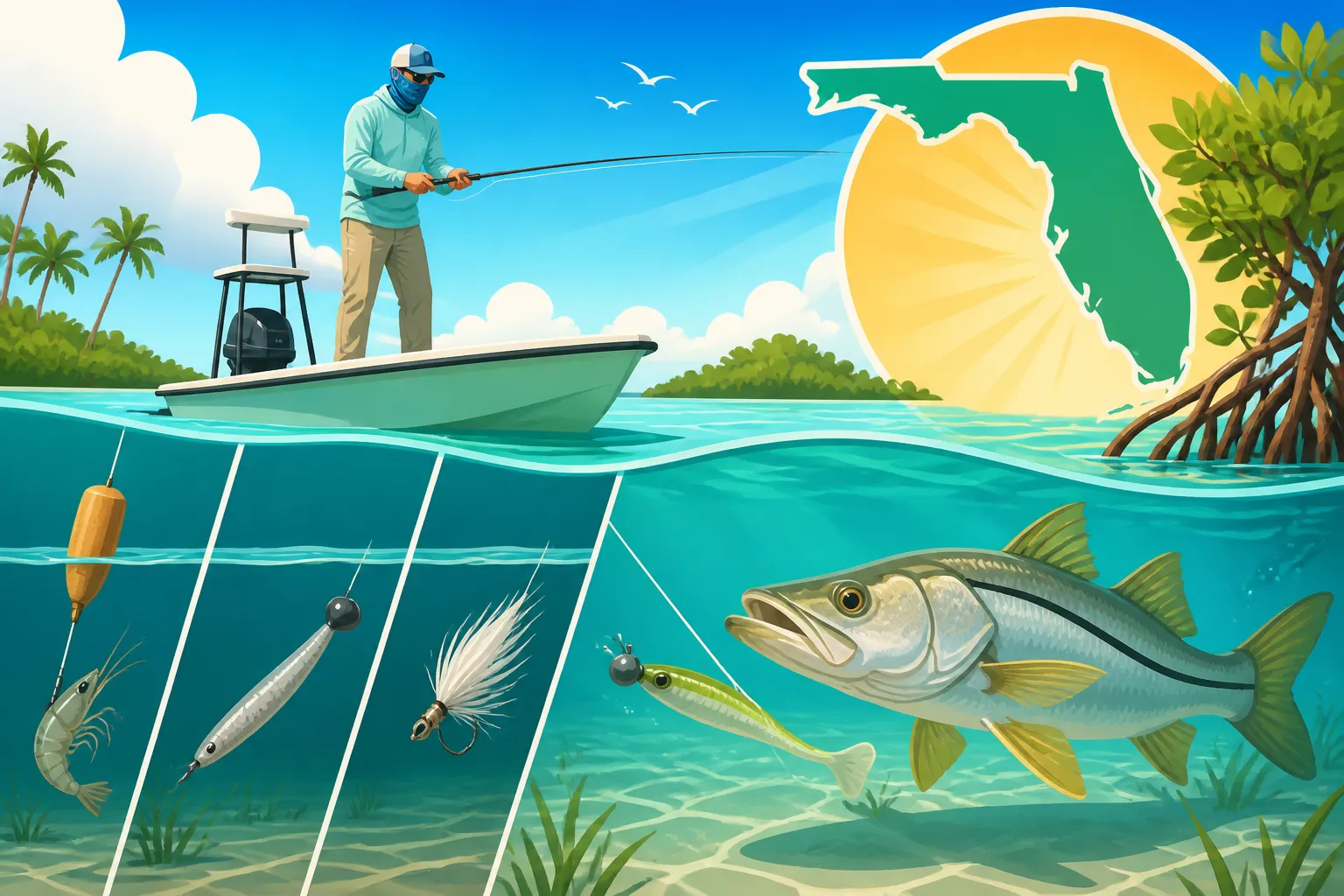
- Live Shrimp: These are universal candy for almost any inshore species. For a natural drift, hook a shrimp either through the horn on its head (avoiding the black spot, which is its brain) or through the tail (great for free-lining or jigging). When fishing around structure, a simple popping cork rig with a shrimp hooked through the horn is highly effective for trout and redfish. For deeper water, a light jig head (1/8 oz to 1/4 oz) with a tail-hooked shrimp allows for a controlled presentation near the bottom.
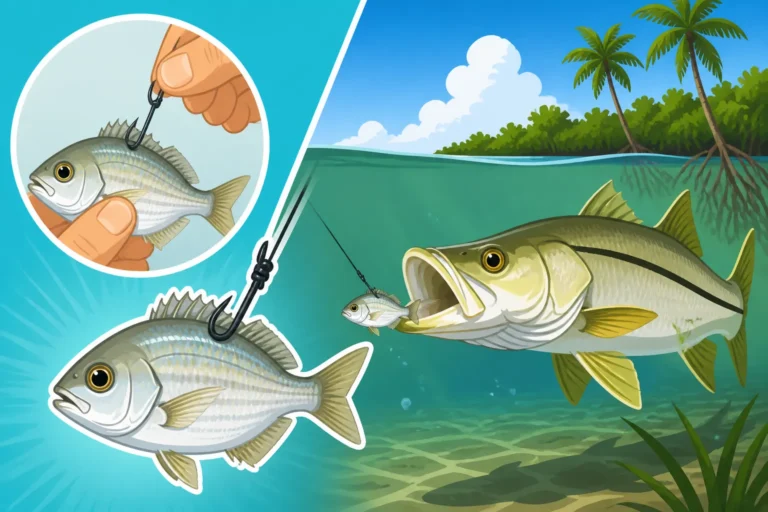
- Pinfish: These hardy baitfish are excellent for snook, redfish, and even smaller tarpon. They are best hooked through the lips, from the bottom up, or through the back just behind the dorsal fin. This allows them to swim naturally. When targeting snook in the mangroves, a free-lined pinfish with a strong fluorocarbon leader and circle hook can be irresistible. You can also fish them under a float or with a light weight to keep them near the bottom on a grass flat.
- Mullet: Larger mullet (3-6 inches) are prime bait for bigger snook and tarpon. Hook them through the lips for free-lining or slow-trolling. For extra appeal, some anglers will "lip-hook" them with a J-hook, but a circle hook is generally safer for the fish. When fishing passes or deeper channels, a large mullet fished on the bottom with a sliding sinker rig can entice trophy fish. Always consider the size of your target species when selecting your mullet bait. The Best Live Bait for Florida Inshore Fishing guide has more specific rigging tips.
Chumming for Inshore Success
Chumming is an art form in itself and can dramatically increase your hook-up rates, especially on stubborn fish. The idea is to create a scent trail and visual feeding frenzy that draws fish to your desired casting range. For inshore applications, chopped pilchards, sardines, or even pre-made chum blocks (available at most bait and tackle shops, sometimes even on Amazon) are excellent choices.
When chumming, consistency is key. Don't dump a huge amount at once; instead, throw out small handfuls or ladle out liquid chum frequently. This keeps the fish interested and coming back without satiating them. Pay attention to the current and wind, ensuring your chum drift leads fish towards you, not away. Common scenarios for chumming include anchoring upcurrent from an oyster bar or grass flat, or near a bridge piling. Watch for the baitfish to show up, then the predators often follow. Chumming can be particularly effective when targeting schooling species like Spanish mackerel or when trying to bring wary redfish out from under the mangroves. It's a strategic technique that requires patience and observation, but the results can be spectacular.
Effective Artificial Lure Strategies
While live bait certainly has its place, there's an immense satisfaction in fooling a Florida game fish with a well-presented artificial lure. Lure fishing offers a more active, dynamic experience and allows for covering a lot of water quickly.
Topwater and Surface Lures
There's nothing quite like the explosive strike of a snook or redfish on a topwater lure. These lures mimic injured baitfish struggling on the surface, creating a commotion that triggers aggressive feeding instincts. "Walk-the-dog" style baits like Heddon Super Spooks or MirrOlure MirrOdines, and poppers such as the Rebel Pop-R, are incredibly effective. The key is to impart a natural, rhythmic retrieve that makes the lure "dance" across the water. This usually involves a series of short twitches of the rod tip while reeling in slack.
Topwater lures are most effective during low light conditions, such as dawn, dusk, or on overcast days, as well as in calm waters where the fish can easily see the silhouette against the sky. They're particularly deadly over shallow grass flats, around oyster bars, or along mangrove edges. When a fish strikes, resist the urge to set the hook immediately. Wait until you feel the weight of the fish on the line, then set firmly. Premature hook sets often result in missed fish. The Topwater Lure Fishing for Snook article dives deeper into this exciting technique.
Soft Plastics and Jig Heads
Soft plastic lures paired with jig heads are arguably the most versatile and effective artificial baits for Florida inshore fishing. They come in an endless array of shapes, sizes, and colors, mimicking everything from shrimp and baitfish to crabs. Paddle tails (like those from Z-Man or Gulp!), jerk shads, and curly-tail grubs are all staples. The jig head provides the weight to cast and control the lure's depth, while the soft plastic provides the action and profile.
A common technique is the "bounce and retrieve." Cast your lure out and let it sink to the desired depth (often near the bottom). Then, retrieve it with a series of short twitches of the rod tip, allowing it to "bounce" along the bottom or through the water column, mimicking a fleeing baitfish or shrimp. This is highly effective for spotted seatrout over grass flats, redfish in potholes, and snook around deeper structures. Experiment with retrieve speed and jig head weight until you find what the fish prefer. On windy days, a heavier jig head helps maintain bottom contact, while a lighter one allows for a slower, more natural fall in calm conditions.
Hard Baits: Plugs and Spoons
Hard baits, including suspending plugs, diving plugs, and spoons, offer additional options for specific situations. Suspending plugs, like those from MirrOlure or Rapala, are excellent when fish are holding at a specific depth. They can be twitched and paused, staying in the strike zone longer than a sinking or floating lure. Diving plugs, with their lip or bill, are designed to get down to a certain depth quickly, making them useful for fishing deeper channels, inlets, or around bridge pilings. They often have a built-in wobble or rattle that attracts attention.
Spoons, like the Johnson Silver Minnow, are timeless classics. Their wobbling action imitates a wounded baitfish, and they cast like a bullet, covering vast distances. They are particularly effective for aggressive feeders like redfish, Spanish mackerel, and even jacks in open water or over sparse grass flats. The key with spoons is a steady retrieve, sometimes with intermittent pauses or twitches, to enhance their fluttering action. Hard baits are durable, can be cast a long way, and often draw reaction strikes from predatory fish.
Reading the Water and Tides
Understanding the dynamic environment you're fishing in is just as important as the lure you throw. Florida's inshore waters are heavily influenced by tides, currents, and seasonal changes, all of which dictate where and when fish will feed.
Understanding Tidal Flows and Currents
Tides are the lifeblood of Florida's inshore fisheries. They bring in fresh, oxygenated water, carry baitfish, and stir up the bottom, making food accessible. Generally, the last two hours of an incoming tide and the first two hours of an outgoing tide are considered prime fishing times. During incoming tides, fish often move onto shallow flats and into mangrove creeks to feed, following the bait. As the tide recedes, fish typically pull back to deeper channels, edges, and potholes, congregating in predictable ambush points. The Best Tides for Inshore Fishing in Florida guide provides an in-depth look at this critical aspect.
Currents, which are directly related to tidal flow, also play a huge role. Fish are inherently lazy; they will position themselves in current breaks – behind oyster bars, bridge pilings, or points of land – to expend less energy while waiting for food to be delivered to them. Learning to identify these current breaks and placing your bait or lure upstream from them, allowing it to drift naturally into the strike zone, can be incredibly productive. Strong currents can also concentrate baitfish, leading to feeding frenzies in predictable locations like inlets and passes. Always observe the water's movement before making your first cast.
Identifying Productive Structure and Cover
Beyond tides, recognizing key structures and forms of cover is paramount. Inshore fish rely heavily on these features for shelter, ambush points, and foraging areas.
- Oyster Bars: These jagged formations create intricate ecosystems, providing food and shelter for countless small organisms, which in turn attract larger predatory fish. Redfish and snook frequently patrol the edges of oyster bars, especially during higher tides.
- Potholes: On vast grass flats, deeper sand patches known as potholes serve as critical ambush points, especially during low tide when fish retreat from the surrounding shallows. Trout often congregate in these areas, and redfish will cruise their edges.
- Mangrove Edges and Overhangs: As discussed, the dense root systems and overhanging branches of mangroves are prime snook and juvenile tarpon habitat. The shade they provide also keeps water cooler, attracting fish on hot days.
- Docks and Pilings: Man-made structures like docks, piers, and bridge pilings act like artificial reefs, attracting baitfish and providing cover for predators. Snook love to hide under docks, especially at night, and often orient themselves against pilings in the current.
- Submerged Debris: Even seemingly random submerged logs, culverts, or rock piles can hold fish. These provide structure and current breaks that attract bait and predators. Always approach these areas with caution to avoid damaging your boat or tackle.
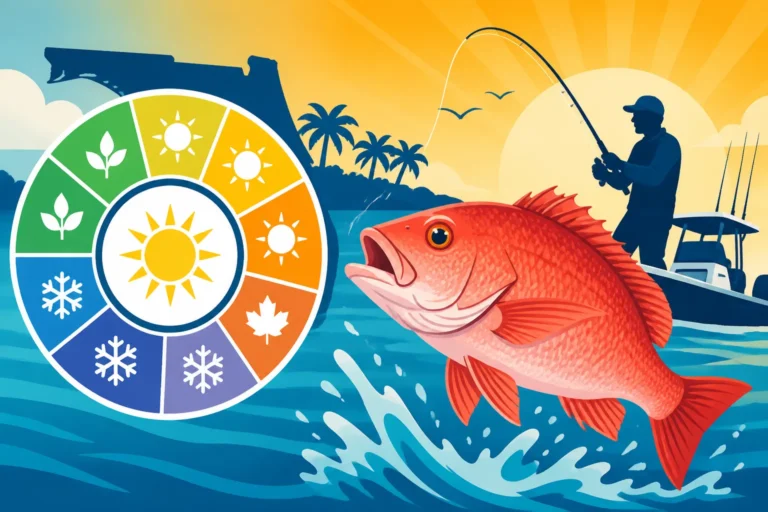
Seasonal Patterns and Weather Impacts
Florida's fishing doesn't stop, but it certainly changes with the seasons and weather. Understanding these patterns is key to year-round success.
- Spring: As waters warm up, baitfish return in droves, and many species become more active. Snook and tarpon start their migrations towards spawning grounds. Redfish are hungry after winter.
- Summer: The hottest months mean fish might move to deeper grass flats, shaded mangroves, or inlets where water is cooler and more oxygenated. Early mornings and late evenings are often the most productive. Afternoon thunderstorms are common, but often lead to good fishing after they pass.
- Fall: Often considered the "best" fishing season in Florida. Baitfish migrations (like the mullet run) ignite feeding frenzies. Snook and redfish are aggressively fattening up. Tarpon are still around.
- Winter: Cold fronts can significantly impact inshore fishing. Fish become sluggish and often move into deep pockets, canals, or warmer backwater areas. Look for dark, muddy bottoms that absorb sunlight, warming the water. Slow, deliberate presentations are usually required.
Weather, beyond just temperature, also plays a role. Strong winds can make fishing difficult, but they can also create current and push bait into certain areas. Heavy rain can temporarily muddy the water, but also wash terrestrial insects and bait into the water, triggering feeding. The Florida Fishing Seasons Explained guide offers a more detailed look at these annual changes, while articles like How Red Tide Affects Fishing in Florida address specific environmental challenges.
Targeting Key Inshore Species
Florida's inshore waters are a true angler's paradise, offering a diverse array of highly sought-after game fish. Each species has its preferred habitat, feeding patterns, and best techniques for success.
Snook and Redfish Tactics
Snook (>Centropomus undecimalis): The elusive "linesider" is famous for its powerful runs and acrobatic jumps. Snook thrive in warmer waters and are often found lurking in mangrove estuaries, around oyster bars, under docks, and in inlets.
- Mangrove Stealth: When targeting snook in mangroves, precision casting is paramount. Live bait (pinfish, pilchards, or shrimp) or artificial lures (soft plastics, suspending plugs, or topwaters) should be placed as close to the roots as possible. Often, a snook will hit immediately. Be ready to pull them away from the structure to prevent being "choked" off. Early mornings and late evenings are prime times, especially when the tide is moving.
- Inlet Ambushes: In inlets and passes, snook often stack up against current breaks. Large live baits (mullet, threadfin herring) free-lined or fished on a knocker rig are highly effective. At night, bridge lights are magnets for bait, and subsequently, snook. Large swimbaits or weighted soft plastics worked through the illuminated areas can produce explosive strikes. Remember, snook have strict size and bag limits, and seasons vary, so always check the latest FWC regulations. More details can be found in the Florida Snook Fishing Guide and Florida Snook Closed Season Dates articles.
Redfish (>Sciaenops ocellatus): Known for their bronze color and distinctive tail spot, redfish are powerful fighters found primarily on shallow grass flats, around oyster bars, and in mangrove creeks.
- Flat Finesse: On the flats, redfish are often found "tailing" (feeding with their tails out of the water) or cruising in potholes. Fly fishing or sight casting with weedless spoons, soft plastics, or topwaters can be incredibly exciting. Look for nervous water or subtle movements that indicate their presence. A soft landing of your lure or bait is essential to avoid spooking them.
- Oyster Bar Patrols: Redfish love to patrol the edges of oyster bars, especially when the tide is high enough to allow them to forage over the top. Live shrimp or cut bait (pinfish, mullet) fished on a simple knocker rig or with a popping cork are very effective. Artificials like weedless spoons or soft plastic paddle tails can also entice bites. Like snook, redfish also have strict slot limits and bag limits. The Florida Redfish Fishing Guide provides extensive information on these powerful fish.
Spotted Seatrout Strategies
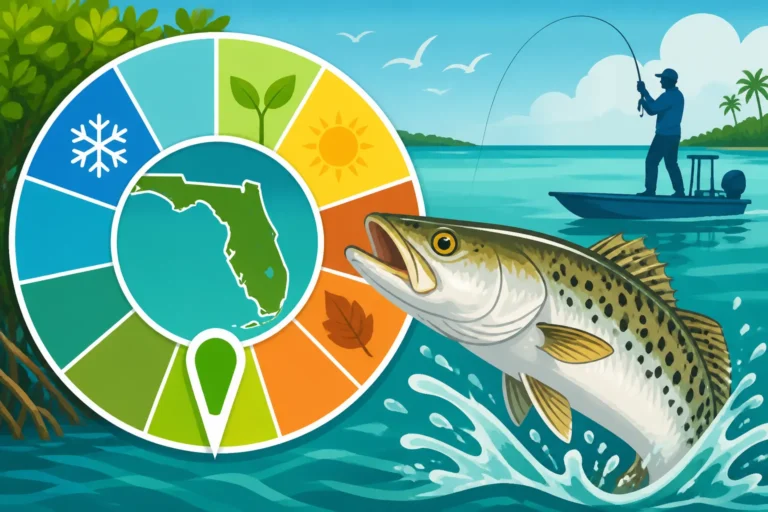
Spotted Seatrout (>Cynoscion nebulosus): These beautiful, iridescent fish are one of Florida's most accessible inshore species, making them a favorite for anglers of all skill levels. They prefer shallow grass flats, sandy potholes, and mangrove edges.
- Grass Flat Drifting: One of the most common and effective techniques for trout is drifting over expansive grass flats, particularly those with a mix of grass and sand potholes. Casting soft plastics on light jig heads, suspending twitchbaits, or live shrimp under a popping cork as you drift along allows you to cover a lot of water. Pay attention to areas where you get bites, as trout often school together.
- Popping Cork Perfection: The popping cork is almost synonymous with trout fishing. It creates a "pop" on the surface that mimics a feeding fish or shrimp, attracting attention. Rig a live shrimp, a small MirrOlure MirrOdine, or a soft plastic shrimp imitation a few feet below the cork. Cast it out, let it sit for a few seconds, give a sharp pop of the rod, and then let it sit again. The retrieve should be slow and methodical. This technique is particularly deadly in areas with sparse grass or around oyster bars.
- Night Fishing Under Lights: Trout are also highly susceptible to night fishing, especially under dock lights or bridge lights. The lights attract massive amounts of baitfish, and trout will position themselves in the shadows or at the edge of the light to ambush unsuspecting prey. Small jigs, soft plastics, or even tiny live shrimp freelined into the light line can be incredibly productive. The Florida Spotted Seatrout Fishing Guide has more details on these fun-to-catch fish.
Tarpon and Permit on the Flats
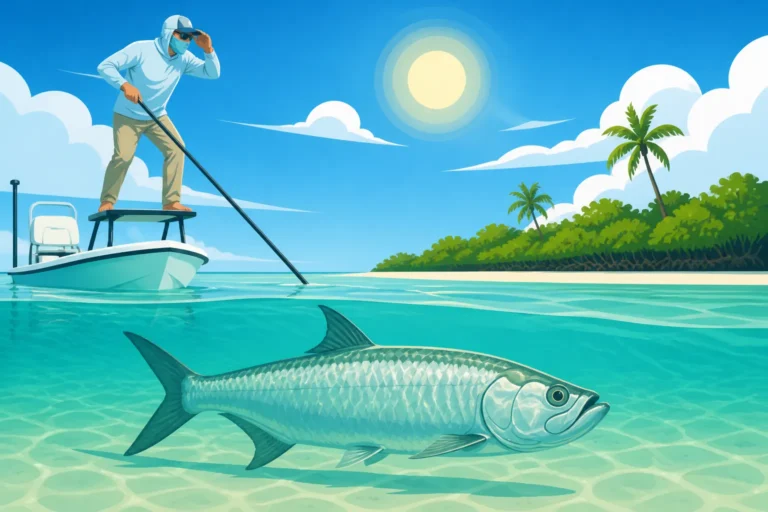
Tarpon (>Megalops atlanticus): The "Silver King" is legendary for its size, strength, and incredible aerial displays. While large migratory tarpon are often targeted in passes and nearshore, juvenile tarpon (20-60 lbs) are frequently found in shallow estuaries and mangrove creeks. Permit (>Trachinotus falcatus) are another highly prized, incredibly wary flat-dweller known for their intelligence and blistering runs. Both require a high degree of skill and patience.
- Tarpon Stealth: For juvenile tarpon in the backcountry, look for rolling fish or subtle pushes of water in shallow creeks, especially around creek mouths or mangrove points. Live mullet, pinfish, or large live shrimp are excellent choices. Artificials like large soft plastics, suspending twitchbaits, or even flies (dark patterns like black and purple or natural baitfish imitations) can work. A silent approach is crucial; these fish are easily spooked. When fishing for larger migratory tarpon in passes, live mullet, crabs, or even large flies are cast ahead of cruising schools. Landing these giants requires strong tackle and often a long fight. Florida's tarpon are primarily a catch-and-release fishery, and a special tarpon tag is required to keep one, although most anglers release them. The Florida Tarpon Fishing Season Guide covers this in depth.
- Permit Prowess: Permit are arguably the most challenging inshore species to catch. They are incredibly wary and have phenomenal eyesight. They primarily feed on crabs and crustaceans, so mimicking these creatures is key. Live crabs (fiddlers, pass crabs) are the gold standard, either free-lined or fished with minimal weight. Artificials like small crab fly patterns or highly realistic soft plastic crab imitations can be effective for fly or spin anglers. Permit are often found tailing on shallow flats, especially around structure like wrecks or rock piles. A long, accurate cast that doesn't spook the fish is essential, and you often only get one shot. Patience, presentation, and luck are all necessary ingredients for landing a Florida permit.
Conservation and Best Practices
As responsible anglers, it's our duty to protect Florida's incredible marine resources for future generations. Practicing ethical fishing techniques and understanding regulations are not just good ideas, they're essential.
Catch and Release Techniques
Many inshore species, especially snook, redfish, and tarpon, are highly valued sportfish that often have strict slot limits or are entirely catch-and-release. Mastering proper catch and release techniques significantly increases the fish's survival rate.
- Minimize Fight Time: Use appropriate tackle to land the fish as quickly as possible without over-stressing it.
- Keep Fish in the Water: Whenever possible, keep the fish in the water, especially larger specimens. If you must lift it for a photo, support its weight horizontally, ideally with two hands (one under the belly, one on the tail), or use a proper lip-gripping tool. Avoid holding fish vertically by the jaw, as this can damage internal organs.
- Handle with Care: Wet your hands before touching the fish to protect its slime coat, which is vital for disease prevention. Avoid putting fingers in gills or eyes.
- Quick Hook Removal: Use de-hooking tools (pliers, hemostats) to quickly remove hooks. If a fish is deeply hooked, especially in the gills or gut, cut the line as close to the hook as possible. Circle hooks greatly reduce this problem.
- Revive Properly: Hold the fish gently by the tail and head in the water, facing into the current. Move it back and forth gently to push water over its gills until it regains its strength and can swim away on its own. The Catch and Release Best Practices for Snook article offers detailed guidelines.
Understanding Bag and Size Limits
Florida has a comprehensive set of regulations designed to manage fish populations sustainably. These regulations include minimum and maximum size limits (often referred to as "slot limits"), daily bag limits (how many fish you can keep), and seasonal closures. These rules can vary by species, region (Gulf vs. Atlantic), and even by time of year.
It is your responsibility as an angler to know and follow these rules before you go fishing. The Florida Fish and Wildlife Conservation Commission (FWC) website and their free "Fish Rules" app are excellent resources for up-to-date regulations. Ignorance of the law is not an excuse, and violating regulations can result in hefty fines or even loss of fishing privileges. Always double-check before heading out, especially if you're targeting a regulated species like snook or redfish. You'll also need a valid Florida Fishing License Guide before you even start!
Protecting Sensitive Habitats
The health of Florida's inshore fisheries is directly tied to the health of its habitats. Mangroves, seagrass beds, and oyster reefs are vital nursery grounds and foraging areas.
- Avoid Prop Scarring: Operating boats in shallow water can cause "prop scars" by cutting through seagrass beds. These scars can take years to heal and disrupt the ecosystem. If you're in water too shallow for your motor, trim it up and pole or paddle.
- Respect No-Motor Zones: Some areas are designated as "no-motor zones" or "idle speed only" to protect sensitive habitats and wildlife. Always obey these posted signs.
- Dispose of Trash Properly: Never litter. Fishing line, plastic baits, and other debris can entangle and harm marine life. Pack out everything you pack in.
- Report Violations: If you witness someone violating fishing regulations or harming habitats, report it to the FWC. Protecting our waters is a collective effort.
By adhering to these best practices, we can all contribute to the long-term health and abundance of Florida's incredible inshore fishing opportunities.
Inshore Species and Preferred Techniques Quick Reference
Here's a handy table to quickly reference some popular Florida inshore species, their typical habitats, and the most effective techniques.
| Species | Preferred Habitat | Key Characteristics | Best Techniques | Recommended Bait/Lure |
|---|---|---|---|---|
| Snook | Mangroves, Docks, Inlets, Oyster Bars | Powerful fighter, "linesider," ambush predator | Pitching, Live Bait, Night Fishing, Sight Casting | Live Pinfish/Mullet/Shrimp, Soft Plastics, Topwater, Suspending Plugs |
| Redfish | Shallow Flats, Oyster Bars, Mangrove Creeks | Bronze color, tail spot, bottom feeder | Sight Casting, Drifting, Live Bait | Live Shrimp/Pinfish/Cut Bait, Weedless Spoons, Soft Plastics, Topwater |
| Spotted Seatrout | Grass Flats, Potholes, Shallow Channels | Common, accessible, often school | Drifting, Popping Cork, Night Fishing | Live Shrimp, Soft Plastics (paddle tails, grubs), Suspending Twitchbaits |
| Tarpon (Juvenile) | Mangrove Creeks, Backcountry Estuaries | Silver King, acrobatic jumps, migratory | Sight Casting, Live Bait, Fly Fishing | Live Mullet/Pinfish/Shrimp, Large Soft Plastics, Flies |
| Permit | Shallow Flats, Wrecks, Sand Bars | Extremely wary, strong runner, keen eyesight | Sight Casting (precision), Live Bait | Live Crabs, Crab Fly Patterns, Realistic Soft Plastic Crabs |
| Jack Crevalle | Inlets, Channels, Passes, Open Bays | Aggressive, hard fighter, schooling | Fast Retrieve, Topwater, Casting into Schools | Topwater Plugs, Spoons, Large Soft Plastics, Live Bait |
| Flounder | Sandy Bottoms, Edges of Channels, Oyster Bars | Flat, camouflaged, bottom dweller | Jigging, Drifting, Bottom Fishing | Live Shrimp, Mud Minnows, Soft Plastics (jerk shads) on Jig Heads |
Disclaimer
The information provided in this guide is for general informational purposes only and is not intended as legal advice. Fishing regulations in Florida, including bag limits, size limits, and seasons, are subject to change by the Florida Fish and Wildlife Conservation Commission (FWC). It is the sole responsibility of each angler to stay informed of and comply with all current fishing regulations before engaging in any fishing activity. Always consult the official FWC website or use their approved mobile application for the most up-to-date and accurate rules.