Fishing Florida’s Summer Thunderstorm Pattern
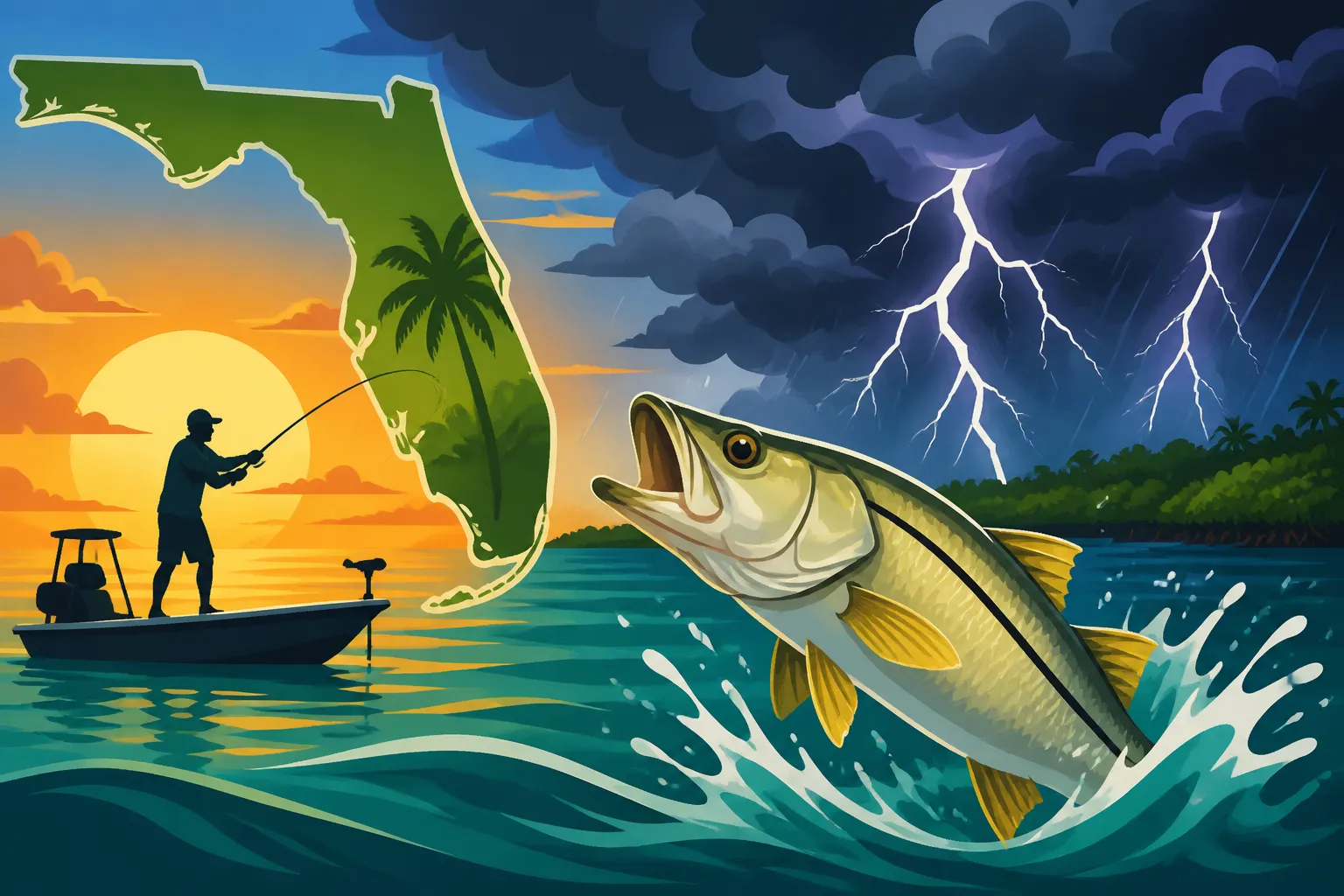
Ah, the Florida summer. It’s a beautiful time of year with those long, sun-drenched days perfect for being out on the water. But let’s be real, every Floridian angler knows that summer also brings a nearly daily dose of pop-up thunderstorms. These aren't just a nuisance; they can throw a real wrench in your fishing plans, making you wonder if it's even worth heading out. This guide is all about navigating that quintessential Florida summer weather pattern, helping you understand when to fish, how to fish, and most importantly, how to stay safe when those afternoon boomers roll in.
Understanding Florida's Summer Thunderstorms
Florida's summer thunderstorms aren't random; they follow a pretty predictable dance, and understanding this rhythm is the first step to successfully fishing around them. If you can learn to read the signs and anticipate their arrival, you can often turn what seems like a fishing deterrent into a prime opportunity.
The Daily Afternoon Pattern
If you’ve spent any time in Florida during the summer, you’ve witnessed it. The morning dawns clear and beautiful, the sun gets higher, and by late morning, those innocent-looking cumulus clouds start to bubble up. By early to mid-afternoon, some of them have blossomed into towering cumulonimbus clouds, unleashing heavy rain, lightning, and sometimes even hail. This daily cycle is largely driven by the sea breeze. As the sun heats the land, the air rises, and cooler, denser air from the ocean rushes in to replace it. Where these two air masses collide – the sea breeze fronts – moisture is pushed upward, forming those dramatic storm clouds.
For anglers, this means a few critical things. First, the most intense part of the storm, with the highest chance of lightning, usually occurs in the early afternoon, roughly between 2 PM and 6 PM, though it can vary. Second, these storms often dissipate as the sun sets and the heating effect lessens, leaving calmer, often clearer conditions for evening fishing. Knowing this typical timeframe allows you to plan your trips strategically, perhaps aiming for an early morning bite or a post-storm evening session rather than fighting Mother Nature head-on in the thick of it.
Reading the Sky and Radar
Being a successful summer angler in Florida means becoming a bit of a meteorologist yourself. You don't need fancy equipment, but a keen eye and a reliable weather app can make all the difference. Visually, start looking for those cumulus clouds building up shortly after sunrise. Watch how quickly they grow and if they start to develop darker bases or anvil-shaped tops – those are strong indicators of developing thunderstorms. Towering anvils, especially, mean serious business, often with lightning.
In addition to visual cues, technology is your friend. Before you even leave the dock, check your local weather radar. Many apps provide real-time radar, showing you exactly where the rain and lightning are forming and tracking their movement. This can help you decide if it’s safe to head out, if you need to cut your trip short, or if there's a window of opportunity opening up. For those fishing offshore or in expansive areas like the Everglades, a marine weather radio or satellite weather receiver can be invaluable, providing real-time updates that cellular service might not reliably offer. Knowing How Hot Weather Affects Summer Fishing in Florida and combining that with storm knowledge gives you a serious edge.
The Impact on Fish Behavior
It's not just humans who react to these storms; fish feel the changes too! The primary factors at play are barometric pressure, light levels, and water temperature. Before a storm hits, the barometric pressure often drops. Many experienced anglers swear by the "pre-front bite," believing that fish become more active and feed aggressively as the pressure falls. It's almost as if they know bad weather is coming and are trying to get a meal in while the getting is good.
During the storm itself, the sudden downpour can quickly cool surface waters, especially in shallower areas. The reduced light also changes conditions significantly. Fish might move into deeper pockets or seek cover under mangrove canopies or docks. After the storm, as the skies clear and the pressure stabilizes or rises, the bite can pick up again. The rain often washes nutrients and baitfish into the water from shorelines and estuaries, creating new feeding opportunities. This post-storm period, especially in the evening, can be incredibly productive, with cooler temperatures and active fish. Understanding these patterns is key to adjusting your approach, which we'll dive into next.
Strategic Fishing Before the Storm
The "calm before the storm" isn't always calm, but it's often the most exciting time to be on the water during a Florida summer day. Capitalizing on the fish's anticipation of changing weather can lead to some incredible action.
Timing Your Attack
The key to the pre-storm bite is getting out there early. Think dawn patrol. You want to be on your chosen fishing spot well before those thunderheads start building. As the sun climbs and the humidity really starts to set in, look for the first signs of cloud development. This is when the atmospheric pressure often starts its downward trend, triggering that "feeding frenzy" mode in many species. If you're targeting freshwater bass on Lake Okeechobee or Lake Toho, this might mean being on the water by 6 AM, working the grass lines and structure as the sun begins to warm things up. For saltwater anglers chasing snook or redfish, it means hitting those shallow flats and mangrove edges before the bright sun gets too high and the first clouds form.
Many anglers find that the bite is hottest in the couple of hours leading up to when the heavy rain and lightning typically begin. If the radar shows storms forming around 2 PM, you'll want to be wrapping up your session by 1 PM at the absolute latest, giving yourself ample time to safely return to shore. It's about maximizing that prime window when fish are active and conditions are still safe.
Targeting Active Fish
When that barometric pressure starts to drop, many predatory fish become more aggressive. This is a fantastic time to target species known for their power and willingness to strike. In saltwater, Florida Snook Fishing Guide and Florida Redfish Fishing Guide anglers will often find these species more willing to chase down a bait or lure. They might be holding closer to structure like mangrove roots, oyster beds, or even channel markers, ready to ambush prey. Tarpon can also become very active, rolling more frequently on the surface and smashing baits with incredible force.
For freshwater enthusiasts, largemouth bass are notorious for a strong pre-storm bite. They’ll often move out from deeper cover to feed in shallower areas, especially around hydrilla mats or lily pads. Even peacock bass in urban canals might ramp up their activity. Focus your efforts on known feeding grounds – points, creek mouths, edges of flats – where these active fish are likely to be lurking. The slightly darker, moodier skies can also encourage them to be more brazen.
Lure and Bait Choices
With fish in an aggressive mood, your bait and lure choices can lean towards triggering reaction strikes. Topwater lures are often phenomenal during this time, especially in low light conditions or when the pressure is dropping. The commotion they make on the surface can draw strikes from surprising distances. Think poppers, walk-the-dog style baits, or even noisy buzzbaits for bass. If the water is a bit murky from earlier rain or cloud cover, consider using lures with darker colors or strong contrasting patterns, as these can provide a better silhouette against the dim sky. You can find a great selection of these on platforms like Amazon, ensuring you have the right tools for the job.
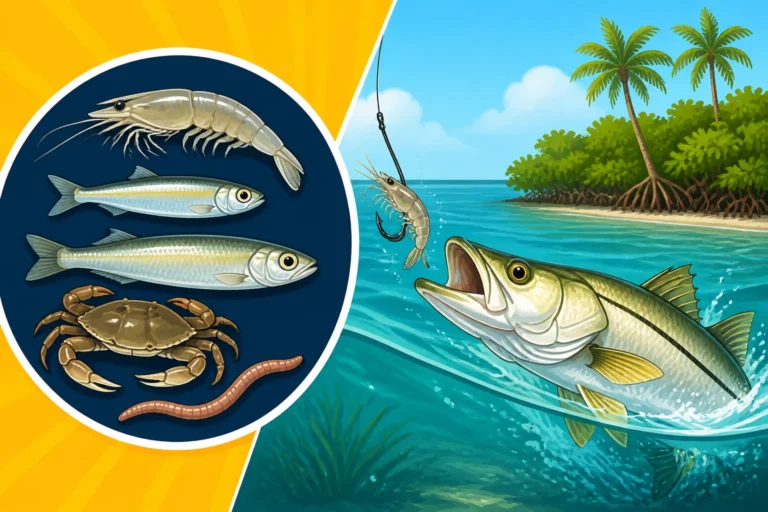
Live bait is almost always a surefire bet. Shrimp, mullet, pilchards, or pinfish are excellent choices for saltwater species. For bass, wild shiners or even large worms can entice a bite. Presenting these baits near structure or along current seams can be incredibly effective. Sometimes, with an approaching storm, fish are less picky, and a lively bait will get inhaled quickly. However, knowing the Best Bait for Snook Fishing in Florida or Best Bait for Redfish Fishing in Florida will still give you an advantage.
| Pre-Storm Fishing Strategy | Focus | Lure/Bait Type | Target Areas |
|---|---|---|---|
| Early Morning Blitz | Aggressive Feeders | Topwater lures, lively live bait | Flats, mangrove edges, grass lines, creek mouths |
| Mid-Morning Build-Up | Reaction Strikes | Darker soft plastics, noisy crankbaits | Structure, oyster bars, docks, lily pads |
Safe Fishing During and After the Storm
No matter how tempting the bite might be, safety must always be your absolute top priority. Florida thunderstorms are beautiful to behold from a distance, but they are incredibly dangerous up close, especially when you're out on the water.
Prioritizing Safety First
This cannot be stressed enough: lightning kills. When you see those towering clouds forming, hear distant thunder, or get a lightning alert on your phone, it’s time to get off the water immediately. Don't try to squeeze in "just one more cast." It's not worth it. If you're in a boat, head for the nearest safe harbor or a substantial land-based structure. Avoid seeking shelter under isolated trees, as they are lightning magnets. If you're caught far from shore and cannot make it back in time, drop anchor, get low in the boat, and avoid contact with metal components. Many experienced captains will also deploy their trolling motor in "spot lock" mode to hold position while they ride out a sudden squall if they cannot reach shore.
Always ensure your safety equipment is in good working order. That includes life jackets for everyone on board, a functional VHF radio (cell phones can be unreliable), and a first-aid kit. Before every trip, tell someone your float plan – where you’re going and when you expect to return. Being prepared and cautious is key when fishing during Florida's summer thunderstorm pattern.
The Post-Storm Bite
Once the thunder has rolled away and the sun peeks back out, a whole new fishing opportunity often presents itself. The air is typically cooler, the humidity might have dropped slightly, and the rain has done its work. The post-storm bite can be just as, if not more, productive than the pre-storm frenzy. The rain washes terrestrial insects, worms, and other food sources into the water, creating a buffet for fish. In saltwater, runoff from shorelines can push baitfish out, congregating them in predictable areas.
This period, often in the late afternoon or early evening, is when fish might feel safer coming out of deeper cover to feed. The water might be slightly stained, offering them more ambush opportunities. It's a fantastic time for a sunset bite, which can extend well into the twilight hours, offering some truly memorable fishing. If you're patient enough to wait out a storm, you might be rewarded handsomely.
Adapting Your Approach
After a storm, fish might be in different locations and react to different presentations. Instead of the wide-open flats, focus on areas where rainwater runoff is entering the main body of water – canals, culverts, spillways, or even just ditches draining into a lake or estuary. These areas will concentrate bait and therefore, game fish. The cooler, freshly oxygenated water can invigorate sluggish fish.
Lure choices might shift too. If the water is muddy or stained from runoff, consider lures that create more vibration and sound, or again, darker colors that provide a strong silhouette. Scented baits, like those from popular brands you can find on Amazon, can also be particularly effective in low-visibility conditions. A slow, methodical retrieve might be better than a fast one, as fish might still be a bit disoriented or simply cruising for easy meals. For freshwater, this could mean working soft plastics or jigs slowly along bottom structure. For saltwater, a live shrimp under a popping cork near a mangrove line can be deadly. Always adjust your retrieve and presentation until you find what the fish are reacting to. For more ideas on how different conditions affect the bite, check out How Rain Affects Inshore Fishing in Florida.
Essential Gear and Preparedness
Being prepared for Florida’s summer weather means having the right gear, not just for fishing, but for your safety and comfort. Don't let a pop-up shower ruin your day or, worse, put you in danger.
Weather Gear
Investing in good quality rain gear is a no-brainer for Florida summer fishing. Look for lightweight, breathable, and truly waterproof jackets and pants. Getting soaked to the bone in the middle of a downpour is miserable and can quickly chill you, even in warm weather. A good set of foul-weather gear can be found from various brands, often available on Amazon, and will save you countless headaches.
Beyond rain protection for yourself, think about your electronics and other valuables. Waterproof dry bags or cases are essential for your phone, keys, wallet, and any sensitive camera equipment. A good dry bag can be a real lifesaver, ensuring your essentials stay dry even if your boat takes on water or you get hit by a rogue wave during a squall.
Safety Equipment
No matter how short your trip, always have basic safety equipment. A fully charged marine battery for your boat, working navigation lights, and emergency flares are standard. But specifically for thunderstorms, a working VHF radio is critical. It allows you to receive weather alerts and, if necessary, call for help, even if your cell phone has no signal. A good first aid kit, readily accessible, is also a must for any fishing trip.
Consider carrying extra water, even if you think you’ll only be out for a couple of hours. Summer days in Florida are hot, and thunderstorms can be unpredictable, sometimes delaying your return to shore. Staying hydrated is paramount.
Planning and Communication
Before you even launch your boat or head to the pier, check the detailed weather forecast. Don't just look at the percentage chance of rain; read the hourly predictions and radar imagery. Communicate your plans to someone reliable on shore. Let them know where you are going, what time you expect to be back, and who is with you. If you don't check in by a certain time, they should know to initiate a search. This "float plan" is a simple but incredibly effective safety measure.
Also, be realistic about your capabilities and your vessel's limitations. If you're in a small skiff, trying to run offshore to beat a rapidly approaching storm is a recipe for disaster. Know your limits, and when in doubt, stay on shore. You can always go fishing another day. For those less experienced or unfamiliar with local waters, consider hiring a Florida Fishing Charter Guide who has the experience and equipment to navigate these conditions safely.
| Aspect | Before the Storm | After the Storm | Safety First |
|---|---|---|---|
| Timing | Early morning, late morning as clouds build | Late afternoon, early evening as skies clear | Immediately when thunder is heard or lightning seen |
| Fish Mood | Aggressive, pre-front feeding frenzy | Active, post-rain feeding on runoff/new bait | Seek shelter, avoid metal, get low |
| Location | Flats, structure, creek mouths, grass lines | Runoff areas, canal mouths, edges, current seams | Nearest safe harbor or sturdy structure |
| Lures/Bait | Topwaters, noisy lures, live bait, dark colors | Scented baits, vibrating lures, slow retrieves | Focus on getting home safely |
| Gear | Sunglasses, hat, sunscreen | Rain gear, dry bags, bug spray | VHF radio, life jackets, first aid kit, fully charged phone |
Disclaimer
This article is for general informational purposes only and does not constitute professional advice. Laws, prices and regulations vary by location and change over time. Consult a qualified professional for guidance on your specific situation.