Florida Pompano Fishing Guide
For many Florida anglers, catching pompano is like hitting the jackpot – a real triumph. These sleek, silvery fighters are notoriously elusive yet provide an incredible challenge and an even more incredible meal. If you've ever felt the frustration of spending hours on the beach without a single pompano bite, or if you're just starting and want to understand how to consistently put these prized fish in your cooler, this guide is for you. We're diving deep into everything you need to know to successfully target Florida pompano, from understanding their habits to mastering the techniques that get them on the hook.
Why Florida Pompano Are So Highly Prized by Anglers
When you mention "pompano" to a seasoned Florida angler, you'll often see a smile and a knowing nod. These fish aren't just another species; they represent a pinnacle of inshore fishing, revered for both their spirited fight and their exquisite taste. It's this combination that makes them such a sought-after quarry, driving anglers to brave the surf, piers, and flats in pursuit of the ultimate catch.
The Fight and the Fillet: A Dual Appeal
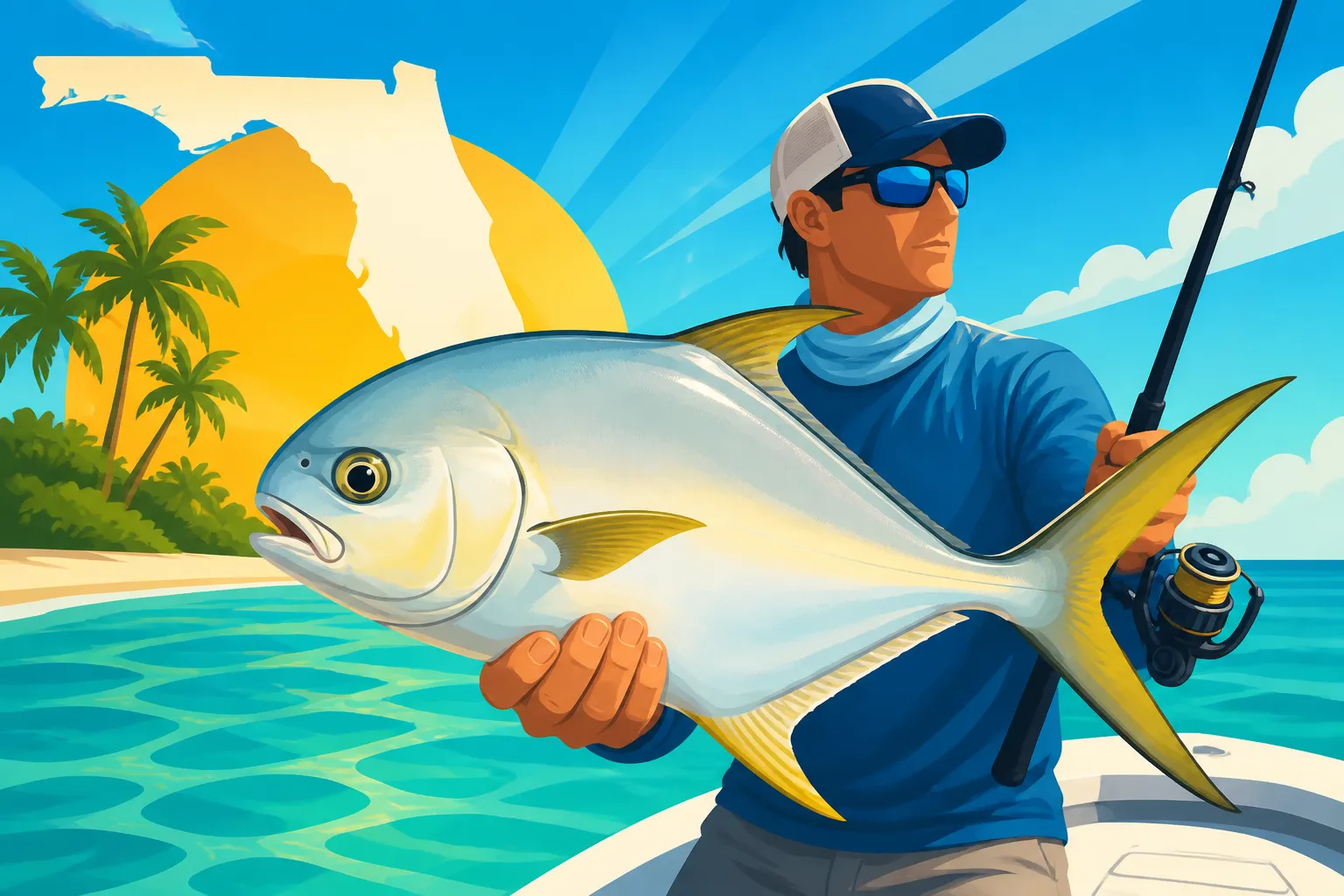
Pompano are absolute speedsters, especially for their size. When you hook one, be prepared for a quick, powerful run that will test your drag and keep you on your toes. They aren't massive fish, typically ranging from 1 to 3 pounds, but they use their flat, muscular bodies to their full advantage in the current, making them feel much larger. That initial burst of energy, followed by head shakes and nimble dodges, is what makes the fight so exhilarating. It's a quick, intense battle that often ends with the fish surfing a wave onto the sand, sparkling in the sun.
But let's be honest, the fight is only half the story. The true allure of pompano lies in their culinary appeal. Their firm, white, flaky meat is renowned for its delicate, sweet flavor. Many consider it among the finest-eating fish in Florida, if not the entire Gulf and Atlantic coasts. Whether baked, grilled, fried, or pan-seared, pompano delivers a gourmet experience that justifies every effort made to catch them. This dual appeal—an exciting fight paired with a delicious reward—solidifies their status as a top target for recreational anglers.
Understanding Their Habitat: From Surf to Flats
Pompano are true creatures of the coast, preferring clean, clear, and often turbulent waters. While they can be found in various environments, their most famous haunt is undoubtedly the surf zone. Here, they patrol the areas just beyond the breaking waves, feasting on sand fleas (mole crabs), small crustaceans, and tiny baitfish that get churned up in the current. If you're walking a Florida beach, looking for that slight discoloration in the water or the subtle ripple indicating a sandbar, you're looking for prime pompano territory.
Beyond the crashing waves, pompano also frequent passes, inlets, and even shallow grass flats, particularly during cooler months when they seek slightly warmer or more protected waters. In these areas, they'll often hold near structure or where bait congregates. Understanding these preferred habitats is crucial for successful targeting, as it dictates where and how you should approach your fishing strategy. For example, Florida Shoreline Fishing License Explained gives more details about fishing from these accessible areas.
The Best Seasons and Times to Target Florida Pompano
One of the keys to consistently catching pompano in Florida is understanding their seasonal movements and daily habits. They aren't always in the same place at the same time, and paying attention to the calendar and the clock can dramatically improve your success rate.
Seasonal Movements and Prime Windows
Florida pompano are migratory fish, and their presence in certain areas is heavily influenced by water temperature. Generally speaking, they prefer cooler water, making the late fall, winter, and early spring months the absolute prime time to target them, especially along Florida's Gulf Coast and northern Atlantic shores. As temperatures drop in the northern Gulf states, pompano migrate south, congregating along the Florida Panhandle and down the peninsula. The cooler water pushes them into the surf zones, making them more accessible to shore anglers.
Along the central and southern Atlantic coasts, they can often be found year-round, but their numbers tend to swell during the cooler seasons. During the hotter summer months, many pompano will move north again, or seek out deeper, cooler water in passes and inlets, making them a bit harder to find in the shallow surf. Therefore, planning your pompano trips during these peak cool-water windows will dramatically increase your chances of success. It's all about being there when they are.
Tides, Weather, and Daily Patterns
Just like many inshore species, pompano are highly influenced by tides and weather conditions. An incoming or outgoing tide, especially around the middle of the cycle when water is moving but not ripping, is often preferred. This moving water helps dislodge their primary food source, sand fleas, and other small critters from the sand, making it easier for pompano to feed. Understanding Best Tides for Inshore Fishing in Florida is vital for maximizing your chances.
Clear, clean water is almost always a prerequisite for good pompano fishing. They are sight feeders, and turbid water makes it difficult for them to locate bait. Calm days with light winds, or days with a gentle onshore breeze that creates a manageable surf, are generally more productive. Heavy chop or strong winds can muddy the water, scattering bait and making it tough for pompano to feed effectively. As for daily patterns, the early morning hours and late afternoon into dusk often provide the best bites, coinciding with lower light conditions and when fish are typically more active. Learning How to Read a Tide Chart for Fishing can give you a significant advantage in planning your trips.
Essential Gear for Successful Pompano Fishing
You don't need a boatload of expensive gear to catch pompano, but having the right tools for the job will make a world of difference. Pompano fishing often involves delicate presentations and sensitivity, so choosing your rod, reel, and terminal tackle carefully is paramount.
Rods, Reels, and Line: Matching the Challenge
For pompano, sensitivity and a good casting distance are key. Most anglers opt for a light to medium-light spinning rod, typically between 7 to 9 feet in length. The longer rod helps with casting distance, which is crucial for reaching those outer sandbars in the surf, and also provides better leverage when fighting a strong fish in the waves. A fast action tip is ideal, as it allows you to feel those subtle bites and quickly set the hook. Brands like St. Croix, Ugly Stik, or Penn offer great options for saltwater inshore rods that fit the bill perfectly.
Pair your rod with a lightweight spinning reel in the 2500 to 4000 size range. This size offers a good balance of line capacity, retrieve speed, and manageable weight for repetitive casting. Spool your reel with 10-15 pound braided line. Braid offers superior casting distance, incredible sensitivity to feel light bites, and thin diameter. To this, you'll want to add a 20-30 pound fluorocarbon leader, typically 3-5 feet long. Fluorocarbon is nearly invisible in the water, which is a huge advantage when targeting wary pompano, and it's also abrasion-resistant. For more general advice, check out Best Rod and Reel Setup for Florida Inshore Fishing.
Terminal Tackle: Rigs That Get the Bite
The Pompano Rig is practically synonymous with pompano fishing, and for good reason—it works! This rig is designed to present your bait just above the bottom where pompano are feeding, while allowing for easy bait changes and effective casting.
Here's a breakdown of common pompano rig components:
| Component | Description | Purpose |
|---|---|---|
| Main Line | 10-15 lb braided line from reel | Long casting, sensitive bite detection. |
| Leader | 20-30 lb fluorocarbon leader (3-5 ft) | Abrasion resistance, stealth (invisible in water). |
| Pompano Rig | Typically a 2-hook dropper rig with small, sharp hooks (e.g., #1 or #2 circle or J-hooks). Can be pre-tied or assembled. | Presents two baits simultaneously near the bottom. |
| Float | Small, brightly colored floats (often yellow, orange, chartreuse) on the dropper lines, just above the hook. | Lifts bait slightly off the bottom, adds visual attraction, prevents bait from burying in sand, helps fish locate bait. |
| Sinker | Pyramid, Sputnik, or "spider" sinker, ranging from 1-4 ounces depending on current and wave action. | Keeps bait anchored in the desired location, prevents rig from rolling in current. Sputnik/spider sinkers have wires that dig into the sand for better hold. |
| Swivel | Barrel or snap swivel to connect main line/leader to the top of the pompano rig. | Prevents line twist, allows for quick changing of rigs. |
You can find excellent pre-tied pompano rigs at most tackle shops or on Amazon, which saves you the hassle of tying them yourself, especially if you're just starting out. Just remember to use quality components, as a strong pompano in the surf can easily expose any weak links in your setup.
Mastering Pompano Baits and Lures
Pompano are opportunistic feeders, but they definitely have their preferences. Knowing what they like to eat and how to present it effectively is paramount to filling your cooler. Both natural baits and artificial lures have their place in a pompano angler's arsenal.
Natural Baits: The Irresistible Offerings
Without a doubt, the king of pompano baits is the sand flea, also known as a mole crab. These small crustaceans are naturally found in the surf zone, where pompano actively forage for them. When you're standing on the beach, you'll often see them burrowing into the sand as the waves recede. The freshest sand fleas are usually the most effective bait, and many serious pompano anglers catch their own using specialized sand flea rakes (which you can easily find on Amazon or at local tackle shops). Hooking a live sand flea through its underside, allowing it to wiggle naturally, is often all it takes to entice a hungry pompano.
Beyond sand fleas, other natural baits can be highly effective. Fresh, peeled shrimp, cut into small, bite-sized pieces, is another excellent option. The scent trail it leaves in the water can attract pompano from a distance. Small pieces of clam are also a proven choice, especially in areas where clams are part of the pompano's natural diet. The key with any natural bait is to keep it fresh and present it in a way that mimics their natural food source – small, easily digestible morsels presented just off the bottom.
Artificial Lures: When to Go Synthetic
While natural bait is often the first choice, artificial lures can be incredibly effective, especially when pompano are actively feeding or when you want to cover more ground quickly. The most popular artificial lures for pompano are small, brightly colored jigs, often referred to as "pompano jigs" or "goofy jigs." These typically weigh between 1/4 to 3/4 of an ounce and come in vibrant colors like pink, chartreuse, yellow, and orange, often with a small teaser or bucktail tail. Brands like Doc's Goofy Jigs, Gulf Stream Flash Jigs, or similar bucktail jigs are perennial favorites.
The retrieval technique for these jigs is crucial. A slow, steady retrieve with occasional subtle twitches is often effective. You want the jig to bounce and skip along the bottom, mimicking a sand flea or other small prey. Sometimes, a faster retrieve is needed to trigger a reactionary strike. Experiment with different colors and retrieve speeds until you find what the fish are responding to on a given day. Small metal spoons, retrieved quickly, can also draw strikes from aggressive pompano, especially if you're trying to emulate a fleeing baitfish. These artificials are particularly useful for anglers who prefer to actively cast and retrieve rather than soaking bait. You might find a great selection of these specialized jigs and spoons by searching for "pompano jigs" on Amazon.
Prime Locations and Techniques for Florida Pompano
Knowing where to fish for pompano is just as important as knowing what to use. Florida offers a variety of environments where pompano thrive, and each demands a slightly different approach.
Surf Fishing for Pompano: Reading the Beach
Surf fishing is arguably the most popular and productive way to target pompano in Florida. The key to success here lies in "reading the beach" – understanding the subtle contours of the ocean floor that create feeding zones. Look for areas where waves break, indicating a sandbar, and then look for deeper troughs between the sandbar and the shore, or between successive sandbars. These troughs are highways for pompano, as they offer slightly deeper, calmer water where sand fleas and other food items congregate. Runouts, where water rushes back out to sea, are also prime ambush points.
Once you've identified a promising spot, cast your pompano rig just beyond the wave break or into a trough. Let your sinker settle, and then gently tighten your line to feel for bites. Many anglers use multiple rods, spread out along the beach, to cover more water and increase their chances. Be patient, but also be prepared to move if you're not getting any action after 20-30 minutes. Pompano often move in schools, so if you catch one, there's a good chance more are around! Checking out Best Beaches for Surf Fishing in Florida will give you a head start on finding productive areas.
Pier and Jetty Fishing: Accessing Deeper Water
Piers and jetties offer a fantastic advantage: they allow anglers to access deeper water and areas with stronger currents without needing a boat. These structures often extend into prime migratory paths and provide excellent vantage points for spotting fish. When fishing from a pier or jetty, look for areas around the pilings, rock piles, or current breaks where baitfish might congregate or where the current brings food.
From a pier, you can use similar pompano rigs as in the surf, often with slightly heavier sinkers to combat the stronger currents. Casting out and letting your bait settle to the bottom is common, but don't overlook fishing vertically near the pilings if the current is strong. Small jigs can also be very effective when worked along the bottom near the structure. Always be mindful of other anglers and local pier rules regarding casting and bait. For specific locations, refer to Best Piers for Fishing Without a Boat.
Flats and Pass Fishing: Kayaks and Boats
While surf fishing is dominant, pompano also inhabit shallow grass flats and the deeper channels of passes and inlets. This is where anglers in kayaks, small skiffs, or bay boats can really shine. In passes, pompano often congregate during strong tidal flows, waiting to ambush bait. Jigging with small, heavy jigs in these current-swept areas can be incredibly productive. You'll often feel a sharp "thump" as they strike.
On the grass flats, particularly those with sandy potholes or adjacent to channels, pompano will cruise in search of small crabs and shrimp. This type of fishing often involves sight fishing, casting a small jig or a live shrimp to individual fish or small schools. Kayak anglers find this particularly rewarding, as they can quietly paddle into shallow areas that larger boats can't access. Remember, whether on the flats or in a pass, clean water is almost always a factor for success. Don't forget to check Best Shore Fishing Spots in Florida if you're looking for general access points that might include some of these deeper spots.
Common Mistakes to Avoid and Pro Tips for Pompano
Pompano fishing can be finicky, and it's easy to get discouraged. However, by understanding common pitfalls and adopting some seasoned angler strategies, you can turn a slow day into a successful one.
Overlooking the Details: Bait, Rigging, and Patience
One of the biggest mistakes novice pompano anglers make is neglecting the small details that make a huge difference. Using stale or improperly hooked bait is a prime example. Pompano are finicky eaters; they prefer fresh, lively sand fleas or clean-cut shrimp. If your bait looks tired or has been sitting out too long, you're significantly reducing your chances. Make sure your sand fleas are wiggling and your shrimp pieces are firm and fresh.
Another common error is in rigging. Ensure your hooks are sharp and appropriately sized (usually #1 or #2 circle or J-hooks are good), and that your floats are correctly positioned just above the hook to keep the bait visible and off the bottom. A poorly tied knot or a kinked leader can also lead to lost fish. Finally, patience is paramount. Pompano often move in schools, and there might be long lulls between bites. Resist the urge to reel in too frequently; let your bait soak, but be attentive to even the lightest tap. Sometimes, the bite is so subtle it feels like a piece of seaweed bumping your line.
Staying Mobile and Adapting to Conditions
The pompano angler who stays put is often the one who goes home empty-handed. Pompano are nomadic; they follow the bait and the favorable conditions. If you've been fishing a spot for a good 20-30 minutes without a bite, it's time to move. Walk down the beach, try a different trough, or shift your position on the pier. Even a small change in location can put you right in front of a school of fish.
Furthermore, be prepared to adapt to changing conditions. If the water suddenly gets murky, try a brighter colored jig or a stronger smelling bait. If the tide changes direction, adjust your casting angle or sinker weight to keep your bait in the strike zone. Sometimes, switching from natural bait to a jig, or vice-versa, can be the trick that unlocks the bite. Observing what successful anglers around you are doing (without disturbing their fishing, of course!) can also provide valuable clues. It’s all part of the learning curve for Beginner Tips for Saltwater Fishing in Florida.
Disclaimer
This article is for general informational purposes only and does not constitute professional advice. Laws, prices and regulations vary by location and change over time. Consult a qualified professional for guidance on your specific situation.