Best Fighting Fish in Florida Saltwater
There's nothing quite like that jolt, that sudden, electrifying pull on your line that signals you've hooked into something special. For many of us who love Florida fishing, it’s not just about what you catch, but the pure, unadulterated thrill of the fight itself. If you're chasing that adrenaline rush and looking for the ultimate saltwater adversaries, you've come to the right place. This guide is all about celebrating the true gladiators of Florida's inshore and offshore waters – the fish that push your gear, test your skills, and leave you with a story you'll be telling for years.
What Makes a Fish a "Good Fighter"?
When we talk about a "good fighting fish," we're not just discussing how big it is, though size certainly plays a role. It's about the entire experience from the moment the fish commits to your bait or lure until it's safely alongside the boat or released. It's an intricate dance of power, strategy, and pure will, both from you and the fish.
The Thrill of the Pull
That first strike can be a gentle tap or a rod-ripping explosion. What follows is what separates the casual catch from a truly memorable battle. Anglers crave fish that make long, screaming runs, peeling line off your reel with a sound that’s music to an angler's ears. We love the ones that jump and thrash, throwing spray and putting on an acrobatic show that leaves you breathless. And, of course, there’s the sheer stamina—fish that don't give up easily, that fight all the way to the boat, making you earn every inch of retrieved line. It's about feeling connected to that wild energy, matching wits and strength with a creature perfectly adapted to its environment. The more determination a fish shows, the deeper the satisfaction when you finally bring it to hand. It's a testament to your angling prowess and the sheer power of nature.
Factors Influencing a Fish's Fight
While some species are inherently more powerful than others, several factors can influence just how much fight any given fish puts up. A huge part of it is the species itself; a juvenile grunt, for example, simply isn't built for the same kind of battle as a fully grown tarpon. However, even within a species, size matters immensely. A 10-pound snook will offer a significantly more grueling fight than a 2-pounder. The water temperature also plays a role; fish in cooler water tend to be more sluggish, while warmer water can make them incredibly energetic and aggressive.
Then there's the tackle you're using. Light tackle might make a smaller fish feel like a giant, increasing the perceived fight. Conversely, heavy gear can make a strong fish seem less challenging. The fish's physical condition, its age, and even how recently it has fed can all contribute to its fighting spirit. Lastly, the fish's natural environment influences its fighting tactics. A redfish caught on shallow flats might try to dig into the grass, while one caught in open water might make long, sweeping runs. Understanding these variables can help you appreciate each fight for its unique challenges.
Top Contenders: Florida's Saltwater Gladiators
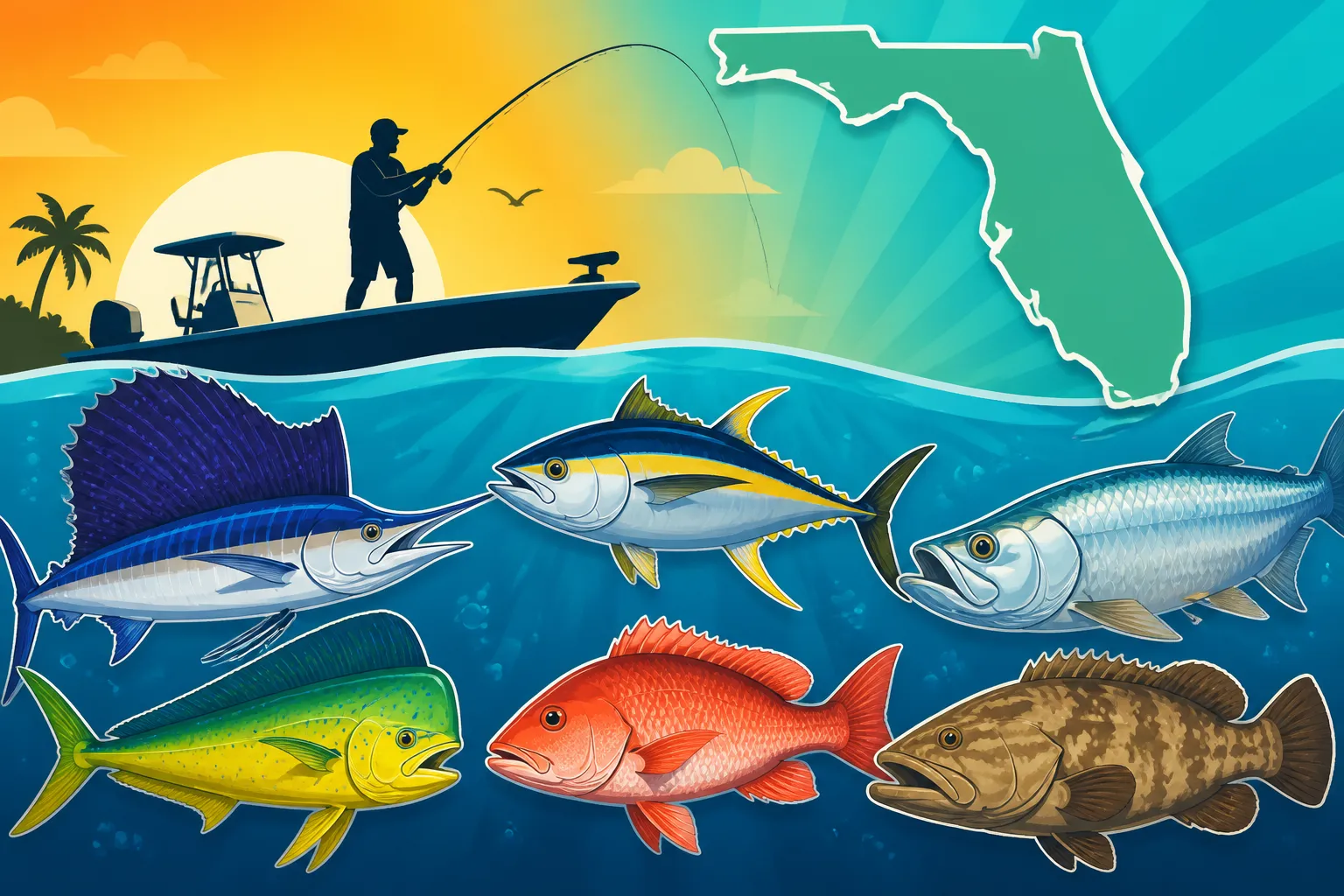
Florida's diverse coastal waters are home to an incredible array of fish, but a few stand out above the rest for their legendary fighting abilities. These are the species that inspire obsession, push tackle to its limits, and create lifelong memories for every angler lucky enough to hook into one.
The Silver King: Tarpon
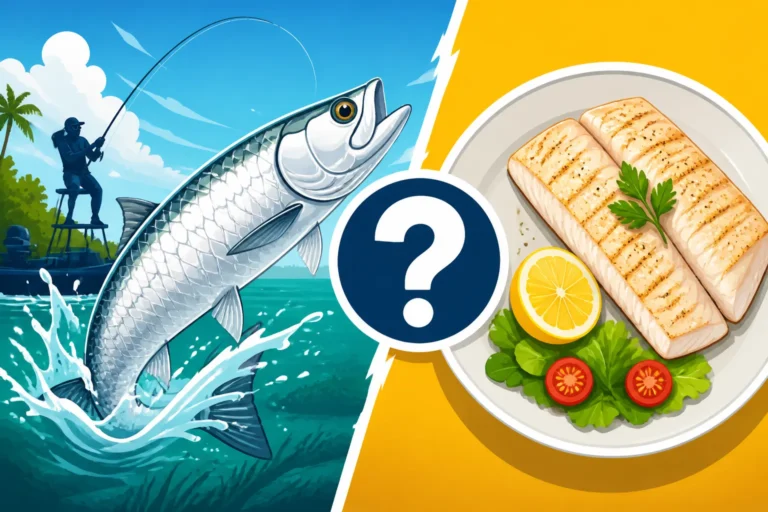
Ask almost any seasoned Florida angler about the ultimate fighting fish, and the tarpon, often called the "Silver King," will undoubtedly be at the top of their list. There's a reason for this reverence: tarpon are simply incredible athletes. When hooked, these magnificent fish explode from the water in a series of spectacular, head-shaking jumps that can send your heart into your throat. They'll peel line off your reel with blistering speed, making long, sustained runs that test your drag and your patience. Their sheer size, combined with their acrobatic nature and hard mouth, makes landing a tarpon an immense challenge. Many anglers pursue tarpon exclusively, dedicating entire seasons to this one species. Their fighting power is legendary, and successfully landing one is often considered the pinnacle of inshore angling. If you're heading to the Keys or Florida's Gulf Coast, you'll find them making their Florida Tarpon Migration Timing a prime target. For a truly unique experience, consider targeting them with a fly rod, as detailed in Fly Fishing for Florida Tarpon. For general information on chasing these magnificent fish, check out our Florida Tarpon Fishing Guide.
Line-Stripping Snook
Another undisputed champion of the Florida fighting fish scene is the snook. These sleek, powerful inshore predators are known for their explosive strikes and relentless battles. They are ambush predators, often hiding in mangrove roots, under docks, or near jetties. The moment they hit your lure or bait, they often make an initial, incredibly powerful run straight for the nearest cover, trying to break you off. This requires quick reflexes and strong-arming to turn them away from structure, which is easier said than done. Snook possess incredible strength and stamina, especially in their preferred warm waters. Their fighting style is characterized by short, powerful bursts, head shakes, and sometimes even jumps. Catching a large "linesider" on light tackle is an unforgettable experience. Knowing the Best Bait for Snook Fishing in Florida can significantly improve your chances of hooking into one of these beasts. You can learn more about these fascinating fish in our comprehensive Florida Snook Fishing Guide.
Redfish: Bullish Brawlers of the Flats
While perhaps not as acrobatic as a tarpon, redfish (especially the larger "bull" redfish) are true bulldog fighters that will test the strength of your tackle and your arms. Found predominantly in Florida's shallow inshore flats, estuaries, and around oyster bars, redfish are known for their strong, relentless, and dogged runs. When hooked, they tend to stay low and pull hard, often making sweeping, powerful runs that feel like you're trying to stop a freight train. They're not flashy jumpers, but their sheer pulling power and endurance make them incredibly exciting to catch. A 30-inch bull redfish in shallow water will give you a fight you won't soon forget, especially if you're sight fishing and watching the whole battle unfold. To maximize your chances, consider using some of the Best Bait for Redfish Fishing in Florida. Our Florida Redfish Fishing Guide has everything you need to know about targeting these awesome fish.
Offshore Powerhouses: Tuna, Mahi, and King Mackerel
Venturing into Florida's offshore waters opens up a whole new world of hard-fighting fish. Here, species like tuna, mahi-mahi (often called dolphin fish), and king mackerel reign supreme, offering sustained, brutal battles that are a test of endurance for both angler and gear.
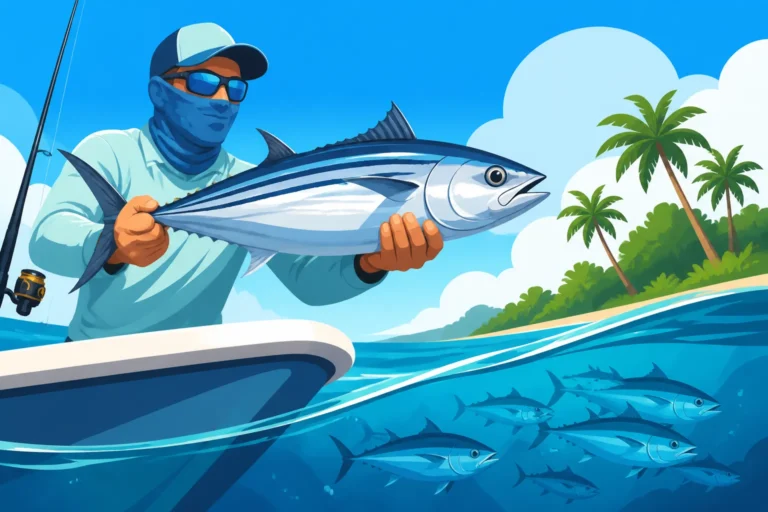
- Tuna: Various species of tuna inhabit Florida's offshore waters, from blackfin to yellowfin. They are built for speed and endurance, and when hooked, they make incredibly long, blistering runs, often deep into the water column. Fighting a powerful tuna is a grind, requiring sustained pressure and a strong back.
- Mahi-Mahi (Dolphin Fish): These vibrant, beautiful fish are not only prized for their meat but also for their fantastic fighting abilities. They hit lures and baits with ferocity and then launch into a series of acrobatic jumps and quick changes of direction, making for an exciting, unpredictable fight. Our Florida Mahi Mahi Fishing Guide covers everything about these colorful fighters.
- King Mackerel: Known for their blistering initial runs, king mackerel are incredibly fast and powerful. When a kingfish strikes a trolled bait, the reel can scream so loudly it's often mistaken for a boat engine problem! Their speed and strength make them a thrilling target, though their sharp teeth require careful handling and appropriate leaders. For more on these speedsters, check out our Florida King Mackerel Fishing Guide.
These pelagic species demand heavy-duty tackle and often require techniques like Trolling Technique for Offshore Fishing to entice a strike, but the reward is a fight that will leave your muscles burning and your adrenaline soaring.
Here's a quick comparison of some of Florida's top fighting saltwater species:
| Fish Species | Common Fight Style | Key Characteristics | Recommended Tackle (General) |
|---|---|---|---|
| Tarpon | Acrobatic jumps, long powerful runs, head shakes | Large, silver, strong mouth, amazing aerial displays | Heavy spinning/casting gear |
| Snook | Explosive strikes, powerful short runs to structure | Distinctive lateral line, aggressive, ambush predator | Medium-heavy spinning/casting |
| Redfish | Strong, bulldogging runs, deep head shakes | Copper-bronze color, tail spot, relentless pulling | Medium-heavy spinning/casting |
| King Mackerel | Blazing fast runs, high-speed battles | Streamlined body, sharp teeth, strong initial burst | Heavy trolling/spinning gear |
| Mahi-Mahi (Dolphin) | Fast runs, aerial displays, unpredictable changes | Vibrant colors, aggressive, hard fighters | Medium-heavy offshore gear |
| Blackfin Tuna | Deep, sustained powerful runs, relentless pulling | Torpedo-shaped, built for speed and endurance | Medium-heavy to heavy offshore gear |
Understanding the Fight: Tactics and Tackle
Successfully battling a powerful fish requires more than just luck. It demands the right equipment, proper technique, and a good dose of patience. When you're dealing with Florida's hard-fighting saltwater species, cutting corners on your gear or technique can lead to disappointment and lost fish.
Matching Your Gear to the Goliath
Having the right rod, reel, line, and leader is absolutely crucial when you're targeting fish known for their fighting prowess. Imagine trying to land a 100-pound tarpon with a trout rod – it just won't happen! For species like snook and redfish inshore, a medium-heavy spinning or baitcasting setup with 20-30 pound braided line and a strong fluorocarbon leader is often ideal. This setup gives you enough backbone to turn a fish away from structure and absorb powerful runs, but is still light enough to cast accurately. For the offshore giants like tuna and king mackerel, you'll need much heavier gear, often conventional reels spooled with 50-80 pound braided line, paired with robust rods designed for deep-sea battles.
It’s always a good idea to invest in quality equipment. Durable reels with smooth, powerful drags are non-negotiable, as a sticky drag can instantly snap your line when a fish makes a powerful run. Rods should have the right action and power to match the fish you're targeting. You can find a vast selection of reliable rods, reels, and lines for both inshore and offshore fishing on Amazon, making it easy to gear up for your next big battle. For specific recommendations, our guides on Best Rod and Reel Setup for Florida Inshore Fishing and Best Rod and Reel Setup for Florida Offshore Fishing offer detailed insights.
The Art of the Battle: Techniques for Landing a Fighter
Once you've hooked a strong fish, the real work begins. It's a delicate balance of applying pressure and allowing the fish to make its runs.
- Set the Drag Correctly: This is paramount. Your drag should be set tight enough to apply pressure but loose enough to allow line to peel off when the fish makes a strong run. A common rule of thumb is to set your drag to about one-third of your line's breaking strength.
- Pump and Reel: This is the most effective way to gain line on a powerful fish. Lift your rod tip smoothly, then lower it quickly while reeling down to take up slack. Repeat this motion, using the rod to do the heavy lifting and the reel to gather line.
- Maintain Pressure: Never give a fighting fish slack line. Slack allows them to shake the hook more easily or turn their head in a way that creates leverage to throw the hook. Keep your rod tip pointed towards the fish, maintaining a steady bend in the rod.
- Fight with Your Body: Use your core strength, not just your arms. Bracing the rod against your body or using a fighting belt can save your arms during prolonged battles with large offshore species.
- Patience is a Virtue: Some fights can last a long time, especially with big fish. Don't try to horse the fish in too quickly; you'll likely pull the hook or break your line. Let the fish make its runs, tire itself out, and then slowly gain line.
Having a knowledgeable guide, especially one familiar with specific species and local conditions, can make a huge difference. They can offer real-time advice on fighting techniques and even provide specialized tackle. Many guides carry high-quality gear that you can test out, and if you find something you love, you can always search for it on Amazon later.
Ethical Angling for Fierce Fighters
The thrill of catching these incredible fish also comes with a responsibility to protect them and their habitats. Ethical angling practices ensure that Florida's amazing fisheries remain healthy and vibrant for future generations to enjoy. It's about respecting the resource and understanding that every fish you encounter is a part of a larger ecosystem.
Catch and Release Best Practices
Many of Florida's top fighting fish, like tarpon and snook, are often caught and released. This is vital for sustaining their populations. To give released fish the best chance of survival, follow these guidelines:
- Minimize Fight Time: While a long fight is exhilarating, it can exhaust a fish. Use appropriate tackle to land the fish as quickly as possible without overstressing it.
- Handle with Care: Keep the fish in the water as much as possible. If you must remove it for a quick photo, do so gently, supporting its body horizontally. Avoid touching the gills or eyes.
- Use the Right Tools: Carry de-hookers or needle-nose pliers to quickly remove hooks. Circle hooks are often preferred, especially when fishing with natural bait, as they tend to hook the fish in the corner of the mouth, reducing gut-hooking. You can find a variety of de-hookers and other release tools on Amazon.
- Revive the Fish: For exhausted fish, especially large ones, cradle them gently in the water, facing into the current. Move them slowly back and forth to help water flow over their gills until they regain strength and can swim away under their own power.
Understanding specific handling techniques, such as Catch and Release Best Practices for Snook and How to Handle a Redfish for Release, is crucial for the survival of these magnificent creatures.
Respecting Seasons and Limits
Florida's saltwater fisheries are carefully managed to ensure sustainability. This includes establishing specific fishing seasons, size limits, and bag limits for various species. These regulations are not arbitrary; they are based on scientific data to protect spawning populations and allow fish to reach maturity.
- Know Before You Go: Always check the latest Florida Fishing Regulations and Bag Limits before heading out. Regulations can change, and ignorance is not an excuse for violations.
- Understand Seasons: Many popular fighting fish, like snook, have closed seasons. Knowing the Florida Snook Season Guide and other species-specific season dates is essential. Catching a fish during a closed season, even if you intend to release it, can sometimes lead to penalties.
- Adhere to Size and Bag Limits: Only keep fish that meet the minimum and maximum size requirements, and never exceed the daily bag limit. If you plan to keep fish for dinner, consider bringing a measuring device—many anglers purchase inexpensive, roll-up measuring tapes or decals from places like Amazon that stick right to their cooler or boat.
By practicing responsible angling, we ensure that the thrill of battling Florida's best fighting fish remains a cherished experience for generations to come. It’s a small price to pay for the incredible joy these fish bring us.
Disclaimer
This article is for general informational purposes only and does not constitute professional advice. Laws, prices and regulations vary by location and change over time. Consult a qualified professional for guidance on your specific situation.