Crystal River Fishing Guide in Florida
Feeling overwhelmed by the sheer size and diversity of Florida's fishing landscape? You're not alone. Many anglers dream of finding a truly special spot that offers both incredible action and a unique natural backdrop, but knowing where to start can be tough. This comprehensive guide will take you deep into the heart of Crystal River, Florida, revealing its secrets, top species, best techniques, and how to make the most of your angling adventure in this one-of-a-kind destination.
Why Crystal River is a Unique Fishing Paradise
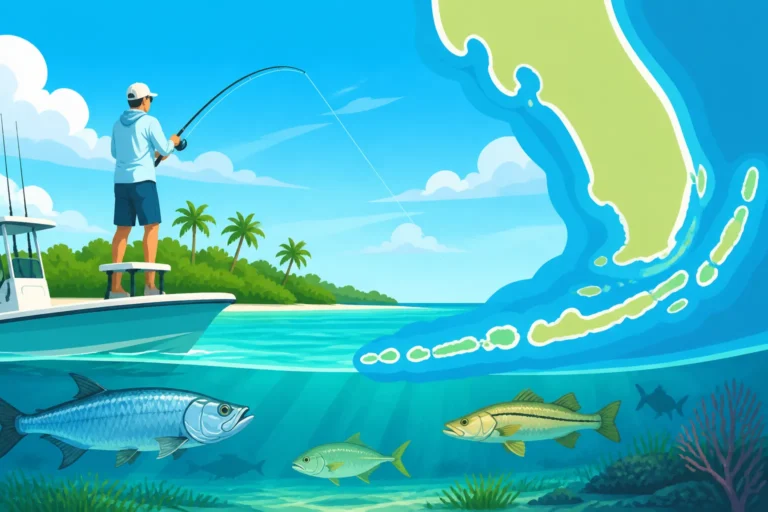
Crystal River stands out as a jewel on Florida's Gulf Coast, offering an angling experience unlike many other places. It’s not just a fishing spot; it’s an entire ecosystem where the freshwater springs meet the expansive saltwater flats of the Gulf of Mexico, creating a truly dynamic and fertile environment for a vast array of fish species. This convergence of fresh and salt, coupled with its natural beauty, makes it a prime destination for both seasoned anglers and those just starting their fishing journey.
The Allure of Spring-Fed Waters and Gulf Access
What truly sets Crystal River apart is its intricate network of spring-fed rivers flowing directly into the Gulf of Mexico. These crystal-clear springs maintain a consistent warm temperature year-round, which is famously attractive to manatees, but also plays a crucial role in the fishing ecosystem. This constant influx of clean, fresh water creates a unique brackish environment where freshwater and saltwater species can coexist and thrive, or where some species transition between the two. The clear water visibility also opens up fantastic opportunities for sight fishing, allowing anglers to spot their quarry before making a cast, a rare treat in many coastal areas.
Beyond the springs, Crystal River offers direct access to the vast, shallow grass flats of the Gulf. These expansive flats are nurseries for baitfish and shrimp, creating a rich food source that attracts larger predatory species. The protected nature of the bay and the myriad of oyster bars, potholes, and channels provide endless hiding and feeding grounds. It's this unique combination—the clear, calm spring-fed rivers leading to the nutrient-rich, sprawling Gulf flats—that creates such a robust and varied fishery, ensuring that no two fishing trips ever feel quite the same. The dynamic environment means you might be fishing in slightly tannic water one moment and pure Gulf salinity the next, demanding versatility but rewarding it with incredible catches.
A Haven for Diverse Marine Life
Crystal River isn't just about fish; it's a vibrant tapestry of marine life that contributes to its rich fishery. The warm, clear waters are renowned for their manatee populations, particularly in the cooler months, reminding anglers of the area's protected status and the importance of responsible boating. But beneath the surface, a complex food web supports an astonishing diversity of fish. From the smallest baitfish darting through seagrass beds to the largest apex predators patrolling the deeper channels, every creature plays a role. These healthy populations of baitfish, such as mullet, pilchards, and threadfin herring, form the base of the food chain, drawing in the larger sportfish that anglers eagerly pursue.
The robust ecosystem also extends to invertebrates like shrimp and crabs, which are crucial food sources for many inshore species. The presence of healthy seagrass beds and oyster reefs acts as natural filters and nurseries, bolstering the populations of juvenile fish and further enhancing the overall health of the fishery. This rich biodiversity means that anglers don't just catch fish; they experience a thriving marine environment, often witnessing dolphins, various bird species, and, of course, the gentle giants of the sea. Understanding and respecting this ecosystem is key to enjoying all that Crystal River has to offer, making every cast part of a larger, beautiful natural experience.
Top Fish Species to Target in Crystal River
When you cast a line in Crystal River, you're entering a realm where a multitude of desirable species call home. Depending on where you choose to fish – whether it's the skinny water of the flats or the deeper Gulf waters – you'll find different angling opportunities and target species. Knowing what to look for and where to find them is half the battle, and Crystal River truly offers something for everyone, from the casual weekend angler to the dedicated trophy hunter.
Inshore Favorites: Snook, Redfish, and Trout
Crystal River's shallow, expansive grass flats and mangrove-lined shorelines are a dream come true for inshore anglers. The "Big Three" of Florida inshore fishing—snook, redfish, and spotted seatrout—are abundant here and provide thrilling action. These species thrive in the brackish and saltwater environments found throughout the Crystal River system and into the nearshore Gulf.
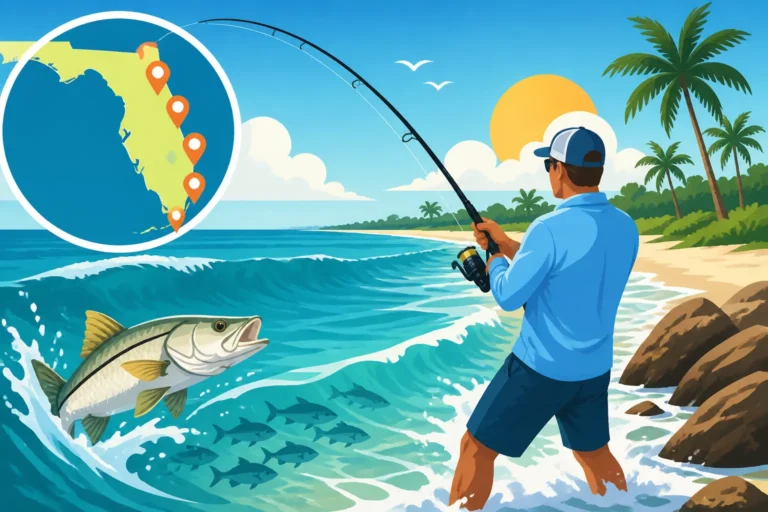
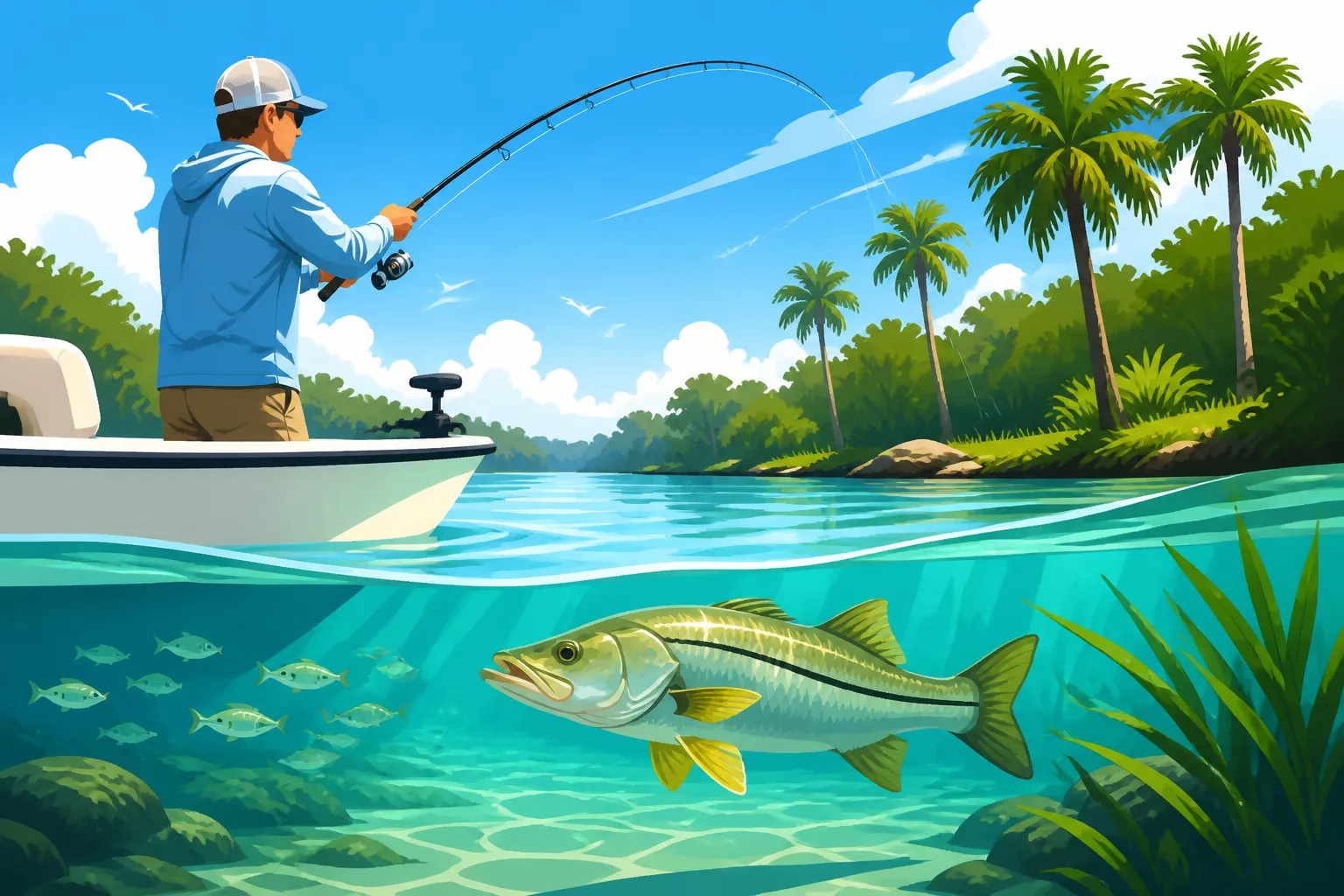
- Snook: Known for their explosive strikes and powerful fights, snook are a prized catch in Crystal River. They love to ambush baitfish around structure like oyster bars, mangrove roots, and potholes on the flats. You'll often find them lurking in the deeper edges of the seagrass beds, especially during warmer months. During cooler periods, snook tend to congregate in the warmer spring-fed creeks and rivers, offering unique fishing opportunities. Anglers often target them with live bait such as pilchards or threadfin herring, or artificials like topwater plugs and soft plastic jerkbaits. For more detailed information, check out our Florida Snook Fishing Guide.
- Redfish: These bronze beauties are a staple of Crystal River's inshore fishery, known for their strong runs and tailing behavior in shallow water. Redfish are often found cruising the grass flats, rooting around for crabs and shrimp, or hiding along the edges of oyster bars. The clear waters of Crystal River make them prime targets for sight fishing, especially during higher tides when they venture further onto the flats. Popular baits include live shrimp, cut mullet, or artificial lures like gold spoons and scented soft plastics. You can learn more about these fantastic fish in our Florida Redfish Fishing Guide.
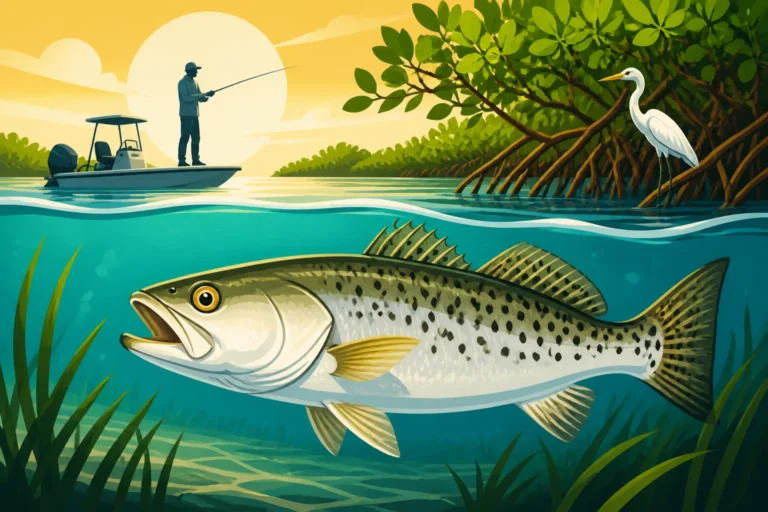
- Spotted Seatrout: While perhaps not as flashy as snook or redfish, spotted seatrout are incredibly fun to catch and make for excellent table fare. They are widespread across the Crystal River flats, often schooling in potholes and along the edges of grass beds. Trout are less skittish than snook or redfish, making them a great target for beginners. They readily strike live shrimp, artificial jerkbaits, or topwater lures, especially at dawn and dusk. For specific tactics and details on these plentiful fish, our Florida Spotted Seatrout Fishing Guide offers a deep dive.
Nearshore and Offshore Opportunities: Grouper, Snapper, and More
While inshore fishing is a major draw, Crystal River also offers fantastic opportunities once you venture a bit further out into the Gulf. The nearshore reefs and offshore ledges become playgrounds for a different set of hard-fighting species, providing a thrilling experience for those looking to bottom fish or troll.
- Grouper: Crystal River is famous for its grouper fishing, particularly for gag grouper (when in season) and red grouper. These powerful bottom dwellers inhabit the limestone ledges, rock piles, and artificial reefs found a few miles offshore. Anglers often employ heavy tackle and live baits like pinfish, grunts, or even frozen sardines to entice these fish from their rocky hideouts. The fight is intense, requiring quick reactions to pull them away from structure before they "rock you up." For specific season dates and regulations, it's always wise to consult resources like the Florida Grouper Fishing Guide.
- Snapper: A variety of snapper species, including mangrove snapper, lane snapper, and occasionally red snapper (during very specific open seasons), can be found in the nearshore and offshore waters of Crystal River. These fish congregate around structure and are often caught while targeting grouper. Mangrove snapper are particularly prevalent and offer a challenging fight on lighter tackle, often biting on cut bait, live shrimp, or small pinfish. Anglers will typically use a knocker rig or a simple bottom rig to present bait effectively.
- Other Offshore Species: Depending on the time of year and how far offshore you're willing to venture, you might also encounter king mackerel, Spanish mackerel, cobia, or even permit. King mackerel are often found chasing bait schools further offshore, making them targets for trolling or live baiting. Spanish mackerel are more common closer to shore and can be caught by casting small spoons or Gotcha Plugs. Cobia are known to cruise around channel markers, buoys, and larger offshore structures, always a welcome sight for anglers. The diversity means you never quite know what might grab your line, adding an exciting element of surprise to every offshore trip from Crystal River.
Essential Fishing Techniques for Crystal River
Crystal River's diverse ecosystem demands a versatile approach to fishing. The techniques you'll employ will largely depend on whether you're stalking the shallow inshore flats or exploring the deeper Gulf waters. Mastering these methods will significantly increase your chances of a successful and rewarding day on the water, allowing you to adapt to changing conditions and target the most productive areas.
Mastering Inshore Techniques: Flats and Estuary Strategies
Inshore fishing in Crystal River is often a game of stealth, observation, and precise casting. The clear waters and abundant seagrass beds offer prime habitat but also require a thoughtful approach to avoid spooking fish.
- Sight Fishing the Flats: This is perhaps the most exhilarating way to fish the Crystal River flats. With the clear water, especially on calm days, you can often spot redfish and snook cruising or tailing in just inches of water. The key is to pole silently or use a trolling motor, scanning the water for movement, shadows, or "nervous water" (small ripples caused by fish). Once spotted, a quiet, accurate cast is paramount. Live baits like pilchards or shrimp are highly effective, but artificial lures such as soft plastic jerkbaits (like those from Z-Man or Gulp!) or weedless spoons can also trigger strikes. Presentation is crucial; aim to land your bait or lure gently a few feet ahead of the fish to avoid startling it and allow it to approach naturally. Patience and keen eyesight are your best friends here.
- Fishing Mangrove Edges and Oyster Bars: These structures are natural magnets for predator fish. Snook and redfish love to hide in the shadows of mangrove roots, ambushing passing bait. Similarly, oyster bars provide both cover and a buffet of crustaceans. When fishing these areas, precise casting is essential to get your bait or lure as close to the structure as possible without getting hung up. Live shrimp, finger mullet, or artificial lures that mimic these baits (e.g., shrimp imitations or small crankbaits) are highly effective. A popping cork rig can also be excellent for presenting live shrimp over oyster beds, creating a sound that attracts fish. Remember that these areas can be snaggy, so be prepared to lose some tackle, but the rewards are often worth it. For more insights on how to effectively fish these productive zones, explore our guide on Florida Inshore Fishing Techniques.
- Pothole and Channel Fishing: The flats of Crystal River are dotted with deeper potholes and crisscrossed by channels. These areas provide refuge and feeding grounds, especially during lower tides or when the sun is high and fish seek cooler, deeper water. Drifting over these areas with live bait or casting jig heads with soft plastics into the depressions can be very productive. Look for abrupt depth changes, current lines, or areas where different types of bottom merge. Sometimes, fish will stack up in these depressions, making them easy targets once located. Vary your retrieve speed and lure action to see what the fish prefer on any given day.
Successful Nearshore and Offshore Tactics
Once you leave the tranquility of the inshore flats and head out into the Gulf, different techniques come into play to target the deeper water species. These methods often involve heavier tackle and more robust presentation to reach the fish holding near reefs and ledges.
- Bottom Fishing for Grouper and Snapper: This is a classic and highly effective method for targeting these reef dwellers. The goal is to get your bait directly to the bottom where grouper and snapper lurk. A heavy-duty conventional or spinning reel with braided line, paired with a stout rod, is essential. For rigs, a simple knocker rig (a sliding egg sinker directly above the hook) or a chicken rig (multiple hooks above a sinker) are popular choices. Live baits like pinfish, grunts, or squid are irresistible, as are cut baits. When you feel a bite, you need to reel hard and fast to pull the fish away from structure before it can dive into the rocks and cut your line. Knowing the local structure and using a good fish finder (sonar) can significantly improve your success.
- Trolling for Pelagic Species: While not as prevalent as bottom fishing, trolling can be productive for species like king mackerel and Spanish mackerel, especially when they are actively feeding on bait schools. Using planers or downriggers to get lures or rigged baits to specific depths is key. Spoons, diving plugs, and rigged dead baits (like ballyhoo) are common choices. Look for signs of baitfish, diving birds, or changes in water color. Trolling often involves covering a lot of ground, so a keen eye on your electronics and the water around you is important.
- Live Baiting Over Structure: For both nearshore and offshore, using copious amounts of live bait can be a game-changer. Whether you're targeting grouper with large pinfish or cobia with lively eels, presenting a healthy, natural bait is often the most effective way to entice a strike. Many anglers will spend time catching their own bait using cast nets or sabiki rigs before heading to their fishing spots. Anchoring up current from a known reef or ledge and deploying various live baits at different depths can attract a wide range of species. Sometimes, slow-trolling live bait or bump-trolling (using the engine in and out of gear) can also be productive when fish are scattered. For advice on sourcing and using the best options, our Best Live Bait for Florida Inshore Fishing post is a valuable resource.
Navigating Crystal River's Fishing Seasons
Understanding the seasonal changes in Crystal River is paramount to a successful fishing trip. The unique confluence of fresh and saltwater, combined with Florida's weather patterns, dictates the movement and availability of different fish species throughout the year. Being aware of these cycles allows anglers to tailor their plans, target specific fish, and maximize their chances of a great catch. Remember, regulations for many species are tied to specific seasons, so always double-check the current rules before heading out.
Seasonal Hot Spots and Target Species
Crystal River offers year-round fishing, but the prime targets shift with the seasons, influenced heavily by water temperature and spawning cycles.
- Spring (March – May): As water temperatures begin to rise, the inshore bite explodes. Redfish become very active on the flats, tailing aggressively as they feed on crabs and shrimp. Snook move out of their winter hideouts in the rivers and creeks and start feeding heavily on the flats and around mangrove shorelines. Spotted seatrout are plentiful and hungry. This is also a fantastic time for nearshore species, as migratory fish start to pass through. You might even find cobia cruising the channel markers or around large stingrays. Offshore, gag grouper season often opens in spring, making it a prime target.
- Summer (June – August): The heat of summer brings incredibly consistent action, especially in the early mornings and late evenings. Inshore, snook and redfish will be found in deeper potholes and shady spots during the hottest parts of the day, but still actively feeding. Topwater action for snook can be phenomenal at dawn. Tarpon also make their appearance, offering incredible sight-fishing opportunities on the flats and along the deeper channels as they migrate. Offshore, the waters truly come alive with red grouper, various snapper species, and king mackerel offering great action. This is a popular time for offshore charters.
- Fall (September – November): Many consider fall to be the absolute prime time for fishing in Crystal River. The famous "fall run" sees large schools of baitfish moving along the coast, attracting hungry predators. Huge schools of redfish can be found on the flats, often referred to as "bull reds." Snook are aggressively feeding before the cooler weather sets in. This is also when many of the larger migratory species like king mackerel are plentiful nearshore. The weather is often pleasant, and the fishing is hot across the board.
- Winter (December – February): While cooler, winter still offers excellent fishing in Crystal River, particularly for trout and sheepshead. Snook and redfish will move into warmer, spring-fed rivers and creeks, making them accessible in specific areas. Anglers often switch to slower presentations, using live shrimp or small jigs. Sheepshead, known as "convict fish" for their stripes, gather around structures like docks, pilings, and oyster bars, offering a fun fight and excellent table fare. Offshore, red grouper continue to be a viable target, but gag grouper are typically closed. Understanding the Florida Fishing Seasons Explained can help you plan your trip to align with specific species.
Weather Considerations and Optimal Fishing Times
Florida's weather can be unpredictable, and Crystal River is no exception. Paying attention to forecasts, tides, and water conditions is crucial for a successful trip, no matter the season.
- Tides: Tides play a massive role in Crystal River, especially for inshore fishing. Moving water (incoming or outgoing tides) concentrates baitfish and triggers feeding behavior. An incoming tide often pushes bait onto the flats, while an outgoing tide can pull fish into channels and deeper pockets. Knowing how to read a tide chart and understanding how local tides affect specific spots is a skill developed over time but immensely helpful. For example, some shallow flats are only accessible and productive on higher tides.
- Temperature: Water temperature is a primary driver for fish behavior. During cold snaps in winter, fish like snook will seek out the warmer spring-fed waters, becoming lethargic in colder, exposed areas. Conversely, in summer's extreme heat, fish might feed primarily during the cooler parts of the day (early morning, late evening) or move to deeper water for comfort. Sudden temperature drops or spikes can shut down a bite temporarily.
- Wind: Wind can be a blessing or a curse. A light chop can break up the water's surface, making it harder for fish to spot you, and can stimulate feeding. However, strong winds can make boating difficult, obscure visibility for sight fishing, and churn up the water, making it murky. On very windy days, fishing in protected creeks or canals might be a more viable option than braving the open flats or Gulf.
- Optimal Times: Generally, dawn and dusk are prime feeding times across all seasons in Crystal River, especially for inshore species. The lower light conditions provide an advantage for predators. On sunny days, fishing around cloud cover or structure that provides shade can also be productive. For offshore, many species bite well throughout the day, but the bite often picks up during tide changes or when specific current patterns are present. Always remember that a beautiful day isn't always the best fishing day, and a little overcast or choppy weather can sometimes lead to incredible catches. For a broader overview, take a look at our Best Time of Year to Fish in Florida guide.
Chartering a Crystal River Fishing Experience
For many, especially those unfamiliar with the intricate waters of Crystal River, hiring a professional fishing charter is the best way to experience its incredible angling opportunities. A local guide brings invaluable knowledge, equipment, and expertise, turning what could be a frustrating day into an unforgettable adventure. Whether you're a seasoned pro looking for a trophy or a family hoping to catch some dinner, a good charter can tailor the experience to your needs.
Choosing the Right Guide for Your Adventure
Selecting the perfect fishing guide in Crystal River is key to a successful trip. It's not just about finding someone with a boat; it's about finding the right personality, expertise, and style that matches your expectations. There are many fantastic captains, each with their own specialties.
- Consider Your Target Species and Style: Do you want to sight fish for redfish on the shallow flats with artificial lures, or are you hoping to battle big grouper offshore with live bait? Some guides specialize exclusively in fly fishing for tarpon, while others are masters of light tackle inshore trips for snook and trout. Be upfront about your goals, as not all guides excel at everything. A good guide will tell you what's realistic for the conditions and season. You can often find guides specializing in Florida Flats Fishing Guide Rates or Florida Offshore Fishing Charter Guide for more specific trips.
- Experience and Reputation: Look for guides with a long-standing presence in Crystal River. Local knowledge is irreplaceable; they know the secret spots, the current bite patterns, and how the fish react to different conditions. Online reviews on platforms like FishingBooker or Google are great resources, but also ask for recommendations from local tackle shops or marinas. A reputable guide will have a U.S. Coast Guard (USCG) license and proper insurance.
- Boat and Equipment: Ensure the guide's boat is suitable for the type of fishing you want to do. For shallow inshore fishing, a flats boat or bay boat is ideal. For offshore, you'll need a larger, more stable center console. Most reputable charters provide all necessary fishing gear, including rods, reels, tackle, and bait. They should also have safety equipment, including life jackets, first aid, and communication devices. Don't hesitate to ask about the condition of their gear.
- Communication and Personality: A good guide is also a good communicator. They should be able to clearly explain techniques, what to expect, and answer your questions. Personality matters too; you'll be spending several hours with this person, so find someone you'll enjoy being on the water with. Many guides are excellent with families and kids, making the experience educational and fun for all ages. Platforms like FishingBooker allow you to filter by guide specialties and read detailed reviews about their communication style.
What to Expect and How to Prepare for Your Trip
Once you've booked your Crystal River fishing charter, a little preparation goes a long way to ensure a smooth and enjoyable day on the water.
- What's Included: Most Crystal River fishing charters include your fishing license, all necessary tackle, bait (live and/or artificial), and a cooler with ice for your drinks and snacks. Many will also clean and bag your catch at the end of the trip. However, it's always wise to confirm these details when booking. For instance, Do You Need Your Own License for a Florida Charter? is a common question, and generally, the answer is no, the charter covers it.
- What to Bring:
- Sun Protection: Florida sun is intense! Bring a wide-brimmed hat, polarized sunglasses, long-sleeved UPF clothing, and plenty of reef-safe sunscreen.
- Food and Drinks: While some charters provide water, always bring your preferred snacks and beverages.
- Appropriate Footwear: Wear comfortable, non-marking shoes with good grip. Sandals or boat shoes are usually fine; avoid black-soled shoes that can leave scuffs.
- Rain Gear: Florida summer afternoons often bring pop-up thunderstorms, so a lightweight rain jacket is a smart addition.
- Camera: To capture those memorable catches!
- Cooler (Optional): If you plan on taking your catch home, a separate cooler in your car to transport your filleted fish is a good idea.
- Gratuity: Tipping your captain and mate (if applicable) is customary and appreciated. A standard tip is 15-20% of the charter cost, depending on the service.
- Safety Briefing: A good captain will provide a safety briefing before leaving the dock, covering emergency procedures, life jacket locations, and boat rules. Listen carefully, as your safety is paramount.
- Go with an Open Mind: While you might have specific species in mind, fishing is unpredictable. Be flexible and trust your captain's expertise. They'll know where the best bite is on any given day, and sometimes that means changing plans. The goal is to have fun and make memories, and a professional guide found through resources like FishingBooker will certainly help facilitate that. For a broader perspective on what to consider when booking, refer to our Florida Fishing Charter Guide.
| Target Species | Primary Season | Preferred Habitat | Common Baits/Lures |
|---|---|---|---|
| Snook | Spring, Summer, Fall | Mangrove edges, potholes, grass flats | Live pilchards, topwater plugs, soft plastics |
| Redfish | Year-round (best in Fall) | Shallow grass flats, oyster bars | Live shrimp, cut mullet, gold spoons |
| Spotted Seatrout | Year-round (best in Spring, Fall) | Grass flats, sandy potholes | Live shrimp, soft plastics under popping cork |
| Gag Grouper | Spring, Fall (seasonal) | Offshore rockpiles, ledges | Live pinfish, grunts, large jigs |
| Red Grouper | Year-round (cooler months excellent) | Offshore rockpiles, ledges | Live pinfish, squid, cut bait |
| Sheepshead | Winter | Docks, pilings, oyster bars | Live shrimp, fiddler crabs |
| Tarpon | Summer (migratory) | Deep channels, open flats | Live mullet, crabs, large flies |
| Cobia | Spring, Fall | Channel markers, buoys, offshore structure | Live eels, bucktail jigs |
Disclaimer
Fishing regulations, seasons, and bag limits are subject to change by the Florida Fish and Wildlife Conservation Commission (FWC). Always consult the latest FWC guidelines before any fishing trip to ensure compliance. This guide is for informational purposes only and does not constitute legal advice or an official statement of regulations.