Best Spots for Kayak Fishing Near Tampa
There’s nothing quite like the peace and challenge of exploring Florida’s incredible waters from the seat of a kayak. But if you’ve ever tried to figure out where to launch and what to expect near a sprawling metropolitan area like Tampa, it can feel overwhelming. This guide is here to cut through the confusion, revealing the absolute best spots for kayak fishing near Tampa, ensuring your next paddle is filled with tranquility and tight lines.
Why Kayak Fishing in the Tampa Area is Unbeatable
When you think of fishing around Tampa Bay, big boats and busy marinas might come to mind. But for those of us who crave a more intimate connection with the water and its inhabitants, kayak fishing offers an unparalleled experience. It’s not just about saving on fuel or avoiding boat ramp crowds; it’s about stealth, access, and a whole different kind of thrill.
The Allure of Quiet Waters and Stealth
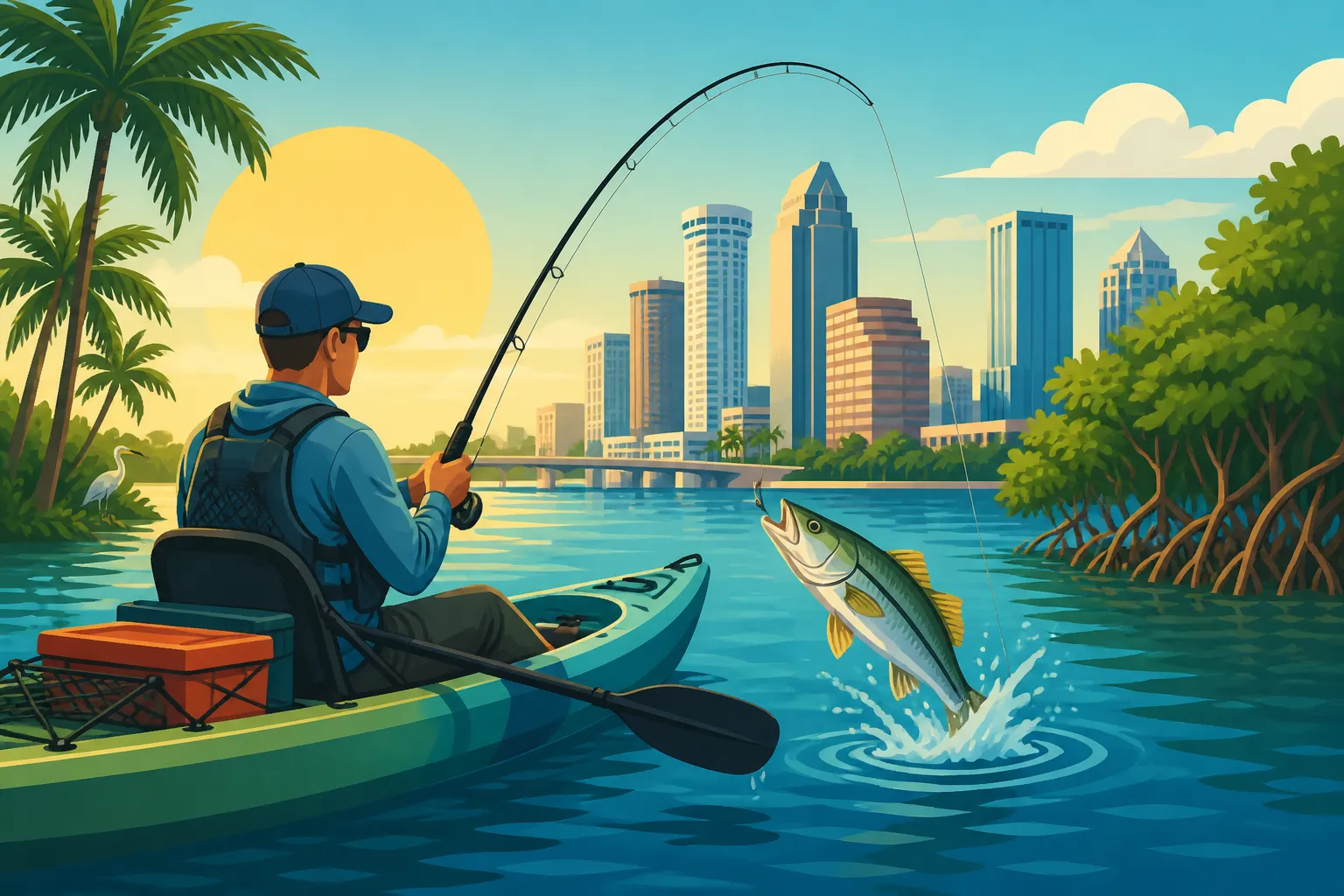
One of the biggest advantages of a kayak is its silent nature. You glide through the water with minimal disturbance, allowing you to approach wary fish without spooking them. This stealth factor is a game-changer, especially in shallow flats and mangrove estuaries where fish are easily alarmed by engine noise or even the slap of a hull. Imagine paddling right up to a redfish tailing in a foot of water, or slipping into a narrow creek that a powerboat could never dream of reaching. That's the magic of kayak fishing. You become a part of the environment, not just an observer. This quiet approach often leads to more bites and a deeper appreciation for the delicate ecosystems you're exploring. The lack of engine fumes and the gentle rhythm of your paddle also add to the serenity, making it a fantastic way to destress and truly escape.
Targeting Specific Species from a Kayak
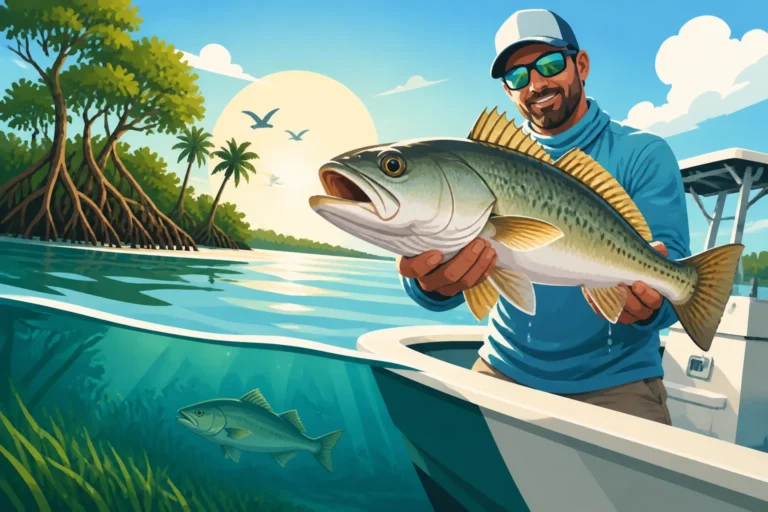
Tampa Bay and its surrounding areas are teeming with a diverse array of fish, and a kayak gives you the perfect platform to target many of them effectively. In the shallow inshore waters, you can pursue prized sportfish like snook, redfish, and spotted seatrout. Your ability to navigate skinny water and dense mangroves puts you right in their feeding grounds. For instance, snook love to ambush prey from beneath overhanging mangrove roots, and a kayak allows you to place your lure or bait right in their strike zone with precision. Similarly, redfish often cruise oyster bars and seagrass flats, areas that are easily accessed by kayak.
Beyond the inshore species, you can even venture into slightly deeper waters for species like flounder, snapper, or even small sharks, especially in protected bays and near structures. Many kayak anglers also target species like tarpon during their migrations, using the kayak's maneuverability to stay with these powerful fish. If you're looking for an unforgettable fight, consider targeting these giants from your 'yak! Knowing the nuances of the local Florida Tarpon Fishing Season Guide can greatly improve your chances of success during migration. The versatility of a kayak opens up a world of possibilities, allowing you to adapt your fishing strategy to the specific habitats and behaviors of your target species.
Top Kayak Fishing Hotspots Near Tampa
The Tampa Bay region is blessed with an abundance of diverse waterways, offering everything from pristine flats to intricate mangrove tunnels. Finding the right spot is key to a successful and enjoyable kayak fishing trip. Here are some of the absolute best places to drop your 'yak and cast a line.
Fort De Soto Park: A Multi-Species Haven
Located at the mouth of Tampa Bay, Fort De Soto Park consistently ranks as one of Florida's premier outdoor destinations, and for good reason. For kayak anglers, it's a paradise. The park offers an incredible mix of environments, including expansive seagrass flats, oyster bars, mangrove shorelines, and access to deeper channels and fishing piers. This variety means you can target a wide range of species all in one general area.
Many anglers launch from the numerous accessible spots within the park and paddle towards the North Beach or around the various islands. The flats here are excellent for stalking redfish and Florida Spotted Seatrout Fishing Guide, especially during higher tides when they push into shallower water. The mangrove lines are prime territory for snook, particularly around the calmer coves and points. You'll find plenty of baitfish schooling in these areas, indicating active predators. Be mindful of boat traffic, especially on weekends, but once you paddle into the quieter backwaters, the crowds tend to thin out, leaving you with pristine fishing grounds. The ample parking and facilities also make it a very convenient choice.
Cockroach Bay Aquatic Preserve: Untouched Beauty and Abundance
If you’re looking for a truly wild and less-developed kayak fishing experience, Cockroach Bay Aquatic Preserve, just south of Apollo Beach, is an absolute gem. This preserve encompasses over 4,800 acres of protected seagrass beds, mangrove islands, and tidal creeks, offering a labyrinth of prime fishing grounds. The name might not sound appealing, but trust me, the fishing is fantastic.
Access here is often via designated kayak launches or even from the roadside where safe. Once you’re in, it’s easy to get lost in the maze of waterways, so bringing a GPS or a reliable mapping app is highly recommended. The shallow, clear waters make it perfect for sight-fishing, allowing you to spot redfish, snook, and even tarpon cruising the flats. The dense mangroves provide excellent cover for juvenile fish and larger predators alike. It’s a fantastic place to cast topwater lures early in the morning or soft plastics rigged weedless along the mangrove edges. The sheer untouched nature of Cockroach Bay means you'll often have stretches of water all to yourself, making for a truly immersive experience.
Weedon Island Preserve: Mangroves, Mudflats, and More
On the St. Petersburg side of Tampa Bay, Weedon Island Preserve offers another incredible network of waterways ideal for kayak fishing. This ecological treasure is known for its extensive mangrove forests, mudflats, and a series of paddling trails that guide you through some of the most productive fishing areas. The preserve's sheltered waters make it a great option even on slightly windier days.
You can launch from the main canoe/kayak launch and explore the various marked trails. These trails weave through intricate mangrove tunnels, opening up into expansive mudflats and shallow bays. Target areas where the current flows around points or through narrow channels, as these are often ambush points for snook and redfish. You might also find good numbers of Florida Redfish Fishing Guide and seatrout over the deeper seagrass beds. Weedon Island is also home to a diverse array of birdlife, so even if the fish aren't biting, the scenery and wildlife viewing are spectacular. This preserve truly offers a full sensory experience for any nature-loving angler.
Terra Ceia Aquatic Preserve: Serenity and Structure
South of the Sunshine Skyway Bridge, Terra Ceia Aquatic Preserve provides yet another excellent option for kayak anglers seeking both serenity and productive fishing. This preserve is a mosaic of seagrass beds, oyster bars, and intricate mangrove estuaries, bordered by the Manatee River and Terra Ceia Bay. It offers a slightly different feel than some of the other spots, often feeling a bit more remote.
Access points include ramps near Snead Island and other public launches. Once on the water, you’ll find expansive flats where you can target large schools of mullet, which often indicate the presence of larger predators. The numerous oyster bars are excellent for redfish and sheepshead, while the deeper channels and cuts leading into the bay can hold snook and even some juvenile Florida Grouper Fishing Guide. The area is also popular for catching bait with a cast net, which is a key part of successful fishing. Knowing Best Baits for Snook Fishing in Florida and other local species can make a huge difference in these waters. The undisturbed nature of Terra Ceia means fish often feed more naturally, making your stealthy kayak approach even more effective.
Lake Tarpon: Freshwater Kayak Action
While most of the focus near Tampa is on saltwater, don't overlook the fantastic freshwater opportunities. Lake Tarpon, located in Pinellas County, is one of Florida's premier largemouth bass fisheries, and it’s perfectly suited for kayak anglers. This large lake offers extensive hydrilla beds, cypress trees, and submerged structures that hold plenty of fish.
Kayak launches are available at Anderson Park and other public access points. Once on the water, you can explore the quieter coves and shallow pockets where larger boats might struggle to navigate. Focus your efforts around the edges of the hydrilla mats, casting plastic worms, swimbaits, or topwater frogs. Early mornings and late evenings are typically the most productive times for bass, especially during the warmer months. You’ll also find panfish like bluegill and crappie in the calmer sections of the lake. It's a great alternative when you're craving some Florida Largemouth Bass Fishing Guide action and want a break from the salty air.
Essential Gear and Safety Tips for Tampa Bay Kayak Anglers
Kayak fishing, while incredibly rewarding, does require a bit more planning and specialized gear than simply casting from a dock. Being prepared ensures both your safety and your success on the water.
Must-Have Kayak Fishing Gear
Beyond your kayak, paddle, and PFD (Personal Flotation Device – absolutely non-negotiable!), there are a few items that will significantly enhance your experience. A good paddle leash is crucial; losing your paddle miles from shore is not a fun situation. An anchor trolley system is invaluable, allowing you to deploy a small anchor from any point on your kayak, which is especially helpful when fighting wind or holding a specific position on a flat. Many kayak anglers also invest in a quality fish finder, like those from Garmin or Lowrance, which can be easily mounted and powered by a small battery. These help locate structure and bait schools, giving you a huge advantage.
Don't forget a waterproof dry bag for your keys, phone, and wallet, and a cooler or insulated fish bag to keep your catch fresh. A pair of pliers for hook removal, a net for landing fish, and a measuring device to ensure your catches meet legal Florida Fishing Regulations and Bag Limits are also indispensable. For those longer paddles, a comfortable seat cushion can make a world of difference! Many local tackle shops like Strike-Zone Fishing or even larger retailers like West Marine offer specialized kayak fishing gear designed to make your time on the water more efficient and enjoyable.
Navigating the Waters Safely
Safety is paramount when kayak fishing, especially in areas with potential boat traffic or rapidly changing weather. Always check the marine forecast before you head out. Tampa Bay can get choppy quickly, and paddling against strong winds or tides is exhausting and potentially dangerous. Inform someone of your float plan – where you're going and when you expect to return. This is critical in case of an emergency.
Carry plenty of water, sunscreen, and a wide-brimmed hat, as the Florida sun is intense. A first-aid kit, a whistle, and a signaling device (like a mirror or bright flag) are also smart additions. If you’re venturing into open water or channels, consider adding a kayak flag to increase your visibility to other boaters. Understanding the local tides and currents is also vital; always try to plan your trip so you're paddling with the current on your way back. If you're new to the area or kayak fishing, consider taking a guided trip first. You can often find experienced kayak fishing guides on platforms like FishingBooker who can teach you the ropes and ensure a safe, productive outing.
Maximizing Your Kayak Fishing Success in Tampa Bay
Kayak fishing in Tampa Bay is an art form, combining intimate knowledge of the environment with effective angling techniques. To consistently find fish and enjoy your time on the water, understanding the nuances of the local ecosystem is crucial.
Understanding Tides and Weather
The ebb and flow of the tides are the lifeblood of inshore fishing in Tampa Bay. Understanding how they influence fish behavior is perhaps the single most important factor for success. Generally, moving water is good water. Fish are more active, feeding, and less lethargic. An outgoing tide will often pull baitfish out of the mangroves and marsh grass, concentrating them in channels and along points, making it a prime time for ambush predators like snook and redfish. Conversely, an incoming tide pushes bait into these same areas, allowing fish to move into shallower feeding grounds.
Always check a local tide chart before your trip. Focus your efforts around the "stages" of the tide: the periods just before and after the peak high or low tide, when the water is moving most vigorously. Calm, slack tides often mean slower fishing. Weather also plays a significant role. Stable weather patterns usually mean more consistent fishing. Cold fronts can shut down the bite, especially for temperature-sensitive species like snook, sending them into deeper, warmer pockets. Knowing when Florida Fishing License Renewal and Expiration occurs and ensuring your license is current is also part of being prepared for any fishing trip, no matter the weather. Overcast days can sometimes offer fantastic fishing as fish feel bolder, while bright, sunny days might push them deeper or into shaded cover.
Best Baits and Lures for Tampa Bay Species
The beauty of kayak fishing is that you can effectively use both live bait and artificial lures, depending on your preference and the conditions. For live bait, free-lined pilchards, scaled sardines, or live shrimp are perennial favorites for snook, redfish, and trout. Cast netting for these baits on grass flats or near docks is a rewarding part of the experience, and a skill that many Tampa Bay anglers pride themselves on. Learning How to Cast Net for Live Bait is a valuable skill that will pay dividends.
When it comes to artificials, there's a vast array that works well. Soft plastic paddletails or jerkbaits, often rigged on a weedless hook or a light jig head, are incredibly versatile for all three major inshore species. Topwater plugs, especially at dawn or dusk, can elicit explosive strikes from snook and redfish. For deeper water or around structures, bucktail jigs or heavier soft plastic jigs are effective. Always carry a variety of colors and sizes, as fish preferences can change throughout the day. Consider darker colors on overcast days or in murky water, and more natural colors in clear conditions. Many experienced kayak guides, often found through services like FishingBooker, specialize in these local techniques and can offer invaluable insights into what's currently biting and on what.
Here's a quick look at some of the top kayak fishing spots near Tampa:
| Fishing Spot | Primary Species | Key Features | Best For | Access/Launch Points |
|---|---|---|---|---|
| Fort De Soto Park | Snook, Redfish, Trout | Seagrass flats, mangroves, piers, channels | Multi-species exploration, varied environments | Multiple kayak launches throughout the park |
| Cockroach Bay Aquatic Preserve | Redfish, Snook, Tarpon | Pristine mangroves, shallow flats | Sight-fishing, solitude, wilderness experience | Designated kayak launches, roadside pull-offs |
| Weedon Island Preserve | Snook, Redfish, Trout | Mangrove tunnels, mudflats, paddling trails | Mangrove fishing, birdwatching, sheltered water | Main canoe/kayak launch at the preserve |
| Terra Ceia Aquatic Preserve | Redfish, Snook, Sheepshead | Oyster bars, seagrass, tidal creeks | Oyster bar fishing, bait catching | Ramps near Snead Island, public launches |
| Lake Tarpon | Largemouth Bass, Panfish | Hydrilla beds, cypress trees, structures | Freshwater bass fishing | Anderson Park, various public ramps |
Remember that local knowledge is key, so don't be shy about asking fellow kayak anglers at the launch for tips, or checking out online fishing forums before you go. The Tampa Bay kayak fishing community is generally very welcoming and happy to share insights. You might even consider hiring a local guide through platforms like FishingBooker for your first outing to learn the best spots and techniques directly.
Disclaimer
Fishing conditions and regulations in Florida can change frequently. Always consult the latest Florida Fish and Wildlife Conservation Commission (FWC) guidelines before heading out on your fishing trip to ensure you are compliant with all current rules, bag limits, and licensing requirements. Be aware of weather conditions and prioritize your safety on the water.