Best Spots Near Fort Lauderdale for Offshore Fishing
Trying to navigate the vast expanse of the Atlantic Ocean to find those truly productive offshore fishing grounds near Fort Lauderdale can feel like searching for a needle in a haystack, especially if you're not intimately familiar with the local currents and submerged structures. It’s a common frustration for both seasoned anglers and newcomers alike, wondering where to drop a line for that trophy mahi-mahi or a respectable snapper. This comprehensive guide will cut through the guesswork, pinpointing the best offshore spots, detailing what you can expect to catch, and offering actionable advice to ensure your deep-sea adventure out of Fort Lauderdale is a resounding success.
Understanding Fort Lauderdale's Offshore Landscape
Fort Lauderdale is uniquely positioned to offer incredible offshore fishing opportunities, primarily thanks to its proximity to a geological marvel and a powerful ocean current. Unlike many other coastal areas, the continental shelf drops off dramatically just a few miles offshore here, creating immediate access to deep water and a vibrant ecosystem. This rapid descent is often referred to by local anglers as "The Wall," and it's the gateway to some truly epic fishing.
The Deepwater Phenomenon: "The Wall" and the Gulf Stream
Imagine driving your boat just a few miles offshore and watching your depth sounder plunge from 100 feet to over 1,000 feet in a very short distance. That's "The Wall" of Fort Lauderdale. This steep continental slope acts like an underwater highway, guiding baitfish, predators, and everything in between. It creates a natural barrier and congregation point for marine life, making it a prime target for offshore anglers. The dramatic change in depth also influences water temperature and currents, creating upwellings that bring nutrient-rich water to the surface, which in turn attracts bait.
Crucially, "The Wall" runs parallel to the powerful Gulf Stream current. The Gulf Stream, a warm, fast-moving ocean current originating in the Gulf of Mexico, flows northward just offshore of Fort Lauderdale, typically within a few miles of the coast. This current is a game-changer for offshore fishing. It carries warm, clear, blue water, along with a constant supply of pelagic baitfish and their predators. Species like mahi-mahi, wahoo, tuna, and sailfish ride this current, making it their primary hunting ground. Understanding the edge of the Gulf Stream and its varying speeds is fundamental to successful offshore fishing in this region. Many experienced captains will advise you to look for temperature breaks, current seams, and color changes in the water – these are often indicators of where the Gulf Stream is strongest and where the fish are likely to be concentrated.
Key Depth Contours and Reef Systems
Beyond the dramatic drop-off, Fort Lauderdale’s offshore waters are dotted with a series of natural and artificial reef systems, wrecks, and ledges. These submerged structures provide essential habitat, shelter, and feeding grounds for a vast array of bottom-dwelling and pelagic species. While "The Wall" handles the big pelagic migrators, these structures are magnets for snapper, grouper, amberjack, and more.
There are three distinct natural reef lines that run parallel to the coast, offering varied depths and structures. The first reef line is relatively shallow, starting in depths of 15-25 feet, while the second reef is typically found in 40-70 feet of water. The third reef line, the deepest natural formation, can be found in depths ranging from 90 to 120 feet. Each of these lines has its own distinct ecosystem, attracting different species. In addition to these natural formations, Broward County has been actively involved in deploying artificial reefs for decades, enhancing marine habitats. These artificial reefs are often sunken ships, bridge rubble, or specially designed concrete modules. These wrecks and artificial structures become encrusted with corals and sponges, attracting a diverse food chain, from small baitfish to large predatory species. Knowing the general location and characteristics of these reefs and wrecks is vital for targeting specific fish, whether you're looking for dinner or a serious fight. Always consult up-to-date NOAA charts or a local fishing guide for precise coordinates, as these spots can be very specific.
Prime Fishing Grounds Near Fort Lauderdale
Fort Lauderdale's offshore fishing is truly world-class, offering diverse opportunities from thrilling encounters with high-speed pelagics to the challenge of deep-dropping for powerful bottom fish. The versatility of the local waters means anglers can tailor their trips to target specific species, making every outing a unique adventure.
Targeting Pelagic Species: Sailfish Alley and Beyond
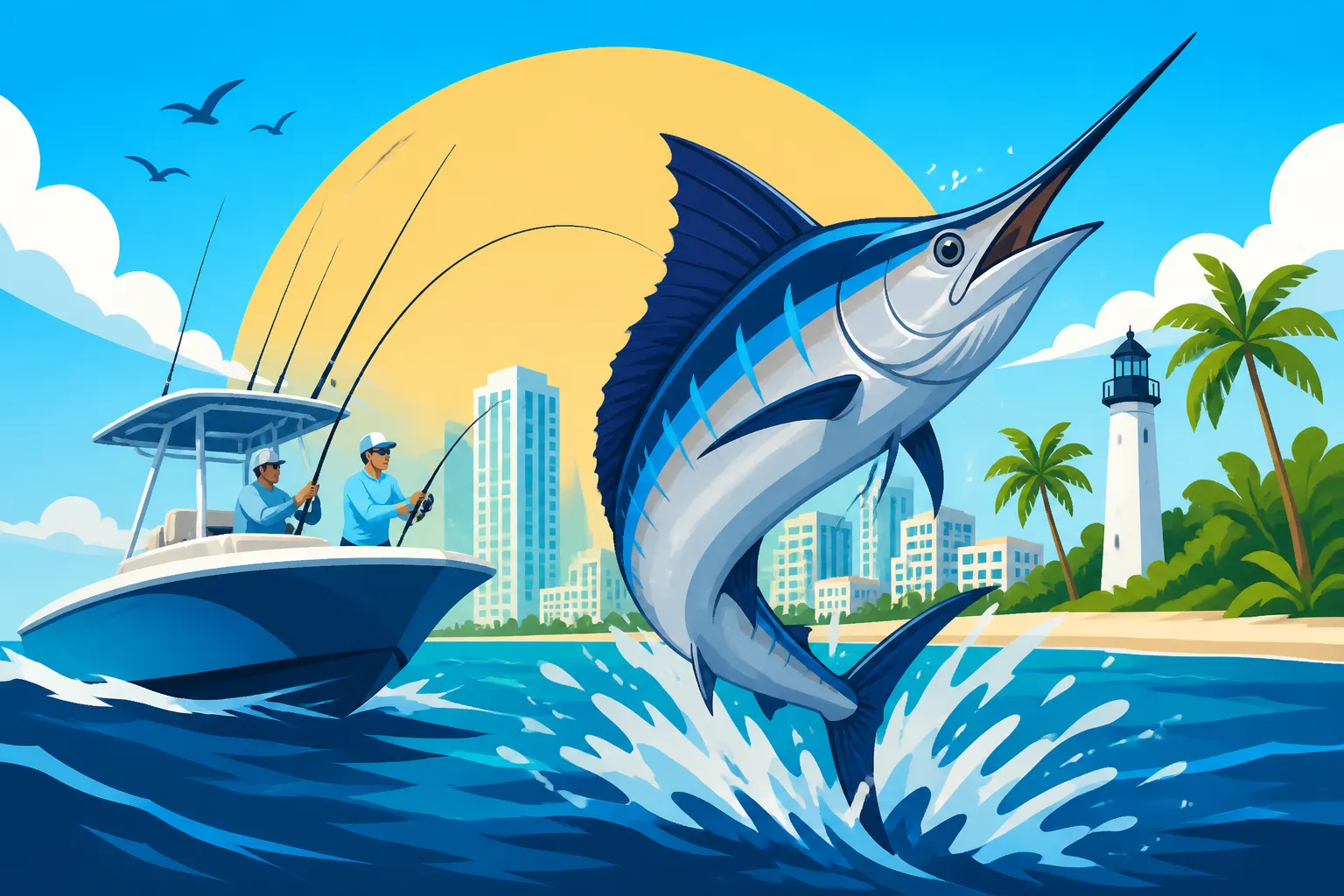
When it comes to pelagic fishing near Fort Lauderdale, one area stands out above the rest: Sailfish Alley. This isn't a single spot, but rather a zone of prime sailfish habitat that runs parallel to the coast, generally in depths ranging from 90 to 250 feet. It's particularly productive during the cooler months from November to May when sailfish migrate south and congregate in these waters. The close proximity of the Gulf Stream to the coast here means sailfish are often within a short boat ride from the inlet, making them accessible even for half-day trips. Anglers here typically employ kite fishing or slow-trolling live baits like goggle-eyes, threadfin herring, or pilchards to entice these acrobatic billfish. The excitement of a sailfish skyrocketing out of the water is an unforgettable experience, solidifying Fort Lauderdale's reputation as a premier sailfish destination. For more detailed insights, check out our Florida Sailfish Fishing Guide.
Beyond sailfish, the open waters offshore of Fort Lauderdale, especially along the edge of the Gulf Stream, are fantastic for a variety of other pelagic species.
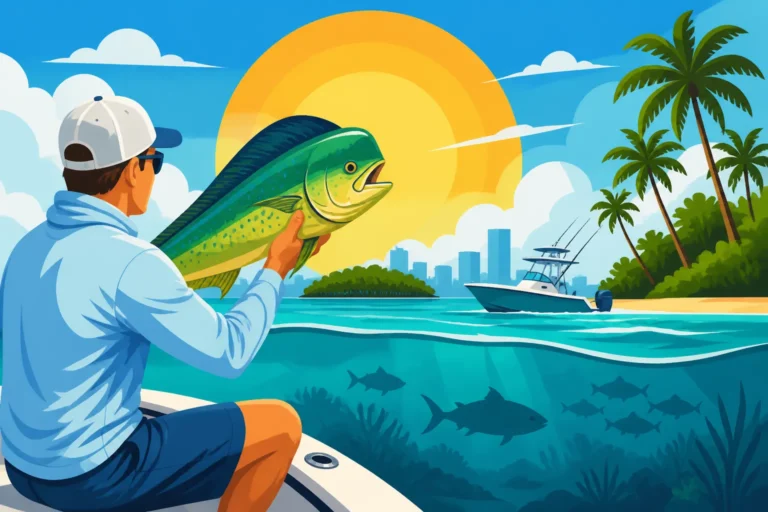
- Mahi-Mahi (Dolphin): These colorful, hard-fighting fish are a year-round target, though they become particularly abundant in spring and summer. Look for weed lines, floating debris, and current rips, often in depths ranging from 100 feet out to thousands. Mahi are aggressive feeders and will readily strike trolled ballyhoo, artificial lures, or live pilchards. The Florida Mahi Mahi Fishing Guide offers excellent tips for finding these elusive fish.
- Wahoo: Known for their incredible speed and razor-sharp teeth, wahoo are often found lurking around temperature breaks, color changes, or beneath floating debris, especially during the cooler months (late fall through early spring). High-speed trolling with dark-colored lures or rigged ballyhoo is the most effective method for targeting these elusive speedsters.
- Tuna: While not as consistent as the Keys for large schooling tuna, blackfin tuna are a common catch in Fort Lauderdale, particularly at dawn and dusk. They can be found working bait schools along the edge of the Gulf Stream or around offshore humps and wrecks. Trolling small feathers, casting poppers, or live baiting with pilchards can be very effective. Larger yellowfin tuna are less common but can be found further offshore, especially during specific migrations.
- King Mackerel (Kingfish): These powerful, toothy predators are abundant along the reef lines and around bait schools, especially in the 60-150 foot range. They are a staple of Fort Lauderdale's offshore fishing scene, particularly in the fall and spring. Trolling with rigged dead ballyhoo, spoons, or slow-trolling live pilchards or threadfin herring are popular methods.
Bottom Fishing Hotspots: Reefs, Wrecks, and Ledges
While pelagics get a lot of glory, the bottom fishing opportunities near Fort Lauderdale are equally impressive, offering consistent action and delicious table fare. The numerous natural reefs and artificial structures provide ideal habitats for a wide range of species.
- Snapper Species: Fort Lauderdale is a fantastic spot for various snapper.
- Yellowtail Snapper: Often found on the shallower reefs (30-90 feet), these are popular for their delicate flavor and spirited fight on light tackle. Chumming is key to bringing them up from the structure, then using small hooks with cut bait like squid or small pilchards.
- Mutton Snapper: These larger, more elusive snapper prefer deeper reefs and wrecks, typically in 60-150 feet of water. They're wary and require a stealthy approach, often falling for live pilchards, pinfish, or Gulp! shrimp on a knocker rig.
- Mangrove Snapper (Gray Snapper): Abundant on all three reef lines and around wrecks, especially in areas with good current. They can be caught day or night using cut bait, live shrimp, or small pinfish. For more on these delicious fish, check out our Florida Mangrove Snapper Fishing Guide.
- Lane Snapper: Smaller but plentiful, these are often caught incidentally while targeting other snapper species on the reefs.
- Grouper Species: The deeper reefs, wrecks, and ledges off Fort Lauderdale are prime hunting grounds for various grouper, though their seasons can be quite specific.
- Gag Grouper: A popular target, often found in depths from 60-250 feet, particularly on rocky bottoms and wrecks. They are aggressive feeders, hitting live baits like pinfish or grunts, and large jigs. Learn more about their limits and seasons in our Gag Grouper Size and Bag Limits article.
- Black Grouper: These powerful fish also inhabit wrecks and deep reefs, offering a formidable fight.
- Red Grouper: While more common on the west coast, red grouper can also be found on the deeper, rocky bottoms off Fort Lauderdale.
- Remember to always check the latest Florida fishing regulations and bag limits before targeting grouper, as seasons can change frequently to ensure sustainability.
- Amberjack (AJs): These hard-fighting fish are found on almost any deep wreck or artificial reef. They are absolute brutes and will test your tackle to its limits. Vertical jigging with heavy metal jigs or dropping live baits like blue runners or bonitos are highly effective for these "reef donkeys." They put up an incredible fight, making them a favorite for anglers seeking a powerful adversary.
- Other Bottom Fish: You can also encounter triggerfish, hogfish (especially around rocky areas), and various types of porgy while bottom fishing, adding diversity to your cooler.
Here's a quick reference table for some key Fort Lauderdale offshore targets:
| Species | Primary Location/Depth | Best Season | Common Technique | Notable Characteristics |
|---|---|---|---|---|
| Sailfish | Sailfish Alley (90-250 ft) | Nov – May (Peak: Jan – March) | Kite Fishing, Live Bait Trolling | Acrobatic leaps, incredible fight |
| Mahi-Mahi | Gulf Stream edge, Weed lines (100-2000+ ft) | Year-round (Peak: Spring/Summer) | Trolling, Live Baiting | Colorful, fast, great table fare |
| Wahoo | Gulf Stream, temperature breaks (100-500 ft) | Fall – Spring | High-Speed Trolling | Extremely fast, sharp teeth, elusive |
| Blackfin Tuna | Gulf Stream edge, offshore humps (150-500 ft) | Year-round (Peak: Winter/Spring) | Trolling, Live Baiting, Jigging | Excellent eating, strong fighters |
| King Mackerel | Reef lines, bait schools (60-150 ft) | Year-round (Peak: Fall/Spring) | Trolling, Live Baiting | Fast runs, sharp teeth, good sport |
| Yellowtail Snapper | Shallow to mid-reefs (30-90 ft) | Year-round | Chumming, Light Tackle | Delicate flavor, good numbers |
| Mutton Snapper | Deeper reefs, wrecks (60-150 ft) | Year-round | Live Baiting, Stealthy | Large, wary, highly prized |
| Grouper (Gag/Black) | Wrecks, deep reefs, ledges (60-250+ ft) | Seasonal, check FWC regulations | Live Baiting, Jigging | Powerful, reef dwellers, hard pull |
| Amberjack | Deep wrecks, artificial reefs (100-400+ ft) | Year-round (Peak: Cooler Months) | Vertical Jigging, Live Baiting | "Reef Donkey," incredible strength |
Strategies for a Successful Offshore Trip from Fort Lauderdale
Embarking on an offshore fishing trip out of Fort Lauderdale requires more than just a boat and a rod. Success often hinges on meticulous planning, understanding the local conditions, and having the right equipment. Whether you're a seasoned angler with your own vessel or looking to book a charter, these strategies will significantly improve your chances of a memorable catch.
Choosing the Right Time and Conditions
Timing is paramount in offshore fishing, and Fort Lauderdale is no exception. While many species are present year-round, certain seasons offer peak opportunities for specific fish.
- Seasonal Peaks: As mentioned, sailfish are most active from November through May, making winter and early spring prime time for billfish. Mahi-mahi numbers surge in the warmer spring and summer months, especially after a good rain that washes debris into the ocean, creating fish-attracting weed lines. Wahoo are often targeted during the cooler months, especially around full and new moons. King mackerel are consistent year-round, with peaks in spring and fall. For grouper and snapper, consistent action can be found throughout the year, but always remember to check FWC regulations for open seasons and bag limits, as they can vary. Our Best Time of Year to Fish in Florida guide provides a more general overview, but local Fort Lauderdale conditions are heavily influenced by the Gulf Stream.
- Weather and Ocean Conditions: Offshore fishing is highly dependent on favorable weather. Calm seas are not only safer but also make for more comfortable fishing and easier detection of subtle signs like birds working bait. High winds can make it nearly impossible to fish effectively, especially with techniques like kite fishing. Pay close attention to marine forecasts, specifically wave height, wind speed and direction, and sea surface temperatures. A slight temperature break can be a golden ticket to finding pelagic fish. Also, strong currents from the Gulf Stream can make bottom fishing challenging, requiring heavier weights to hold your bait down.
- Tides and Moon Phases: While less critical for deep offshore pelagics than inshore species, tides still play a role, particularly for fish holding closer to the reef lines. Moving water generally means feeding fish. Stronger currents associated with certain tides can push bait closer to structures, triggering feeding frenzies. For species like wahoo, the days around the full and new moon are often considered productive due to increased current and feeding activity.
Essential Gear and Bait for Fort Lauderdale Offshore
Having the right tackle and bait is non-negotiable for offshore success. The powerful fish in these waters demand robust equipment.
- Rods and Reels: For general offshore trolling and live baiting, medium-heavy to heavy conventional rods paired with reels spooled with 30-50 lb monofilament or braid are a good starting point. For sailfish, lighter conventional setups or even heavy spinning gear (30 lb braid) are often preferred to maximize the fight. For bottom fishing, stout conventional rods with reels capable of handling 50-80 lb braid are essential to pull fish away from structure. If you're targeting truly monstrous amberjack or deep-dropping for snowy grouper, even heavier gear might be needed. Our guide on the Best Rod and Reel Setup for Florida Offshore Fishing offers more specific recommendations.
- Terminal Tackle: A variety of leader materials, hooks, and weights are necessary.
- Leaders: Fluorocarbon leaders from 40-80 lb test are common for stealth when targeting wary fish like sailfish and snapper. For toothy critters like king mackerel and wahoo, a wire leader (single strand or multi-strand) is absolutely essential to prevent cut-offs.
- Hooks: Sizes will vary widely depending on the bait and target species, from small circle hooks (2/0-4/0) for yellowtail snapper to large J-hooks (7/0-10/0) for grouper or tarpon. Circle hooks are generally preferred for conservation and better hookups.
- Weights: Egg sinkers, pyramid sinkers, and even specialized deep-drop weights are needed to get your baits down to the desired depths. The amount of weight will depend heavily on current speed and depth.
- Bait: Live bait is king in Fort Lauderdale offshore fishing.
- Live Baits: Goggle-eyes, pilchards, threadfin herring, cigar minnows, and blue runners are excellent for a wide range of pelagic and bottom species. These can often be caught with a cast net or sabiki rigs over shallow reefs or around bait schools. If you’re heading out with a Fort Lauderdale fishing charter, they'll often have live wells brimming with fresh bait.
- Dead Baits: Rigged ballyhoo is a classic for trolling for mahi-mahi, wahoo, and king mackerel. Sardines, squid, and bonita strips are also effective for various bottom fish.
- Artificial Lures: Trolling lures (e.g., skirts, plugs), vertical jigs (Butterfly jigs, speed jigs) for amberjack and grouper, and soft plastics for snapper can all be very productive. For specific techniques, consider reviewing our Trolling Technique for Offshore Fishing or Jigging Technique for Grouper articles.
Navigating Charters and Conservation
For many, the easiest and most effective way to experience Fort Lauderdale's offshore fishing is through a reputable charter service. These professionals have the knowledge, equipment, and permits to put you on the fish, but choosing the right one and understanding your role in conservation are critical.
Finding a Reputable Charter
Fort Lauderdale boasts a vibrant charter fishing fleet, offering everything from shared party boat trips to luxurious private excursions. The sheer number of options can be overwhelming, but a little research goes a long way.
- Research and Reviews: Start by looking for charters with strong online reviews and a good reputation. Websites like FishingBooker are excellent resources for finding local captains, comparing their services, and reading authentic feedback from previous clients. Pay attention to reviews that mention the captain's knowledge of local spots, their equipment, and their overall professionalism.
- Specialties: Some charters specialize in certain types of fishing (e.g., light tackle, kite fishing for sailfish, deep dropping for grouper). If you have a specific target in mind, look for a captain with expertise in that area. Don't hesitate to call and discuss your expectations.
- What's Included: Clarify what's included in the charter price. Most reputable charters will provide all necessary fishing gear, bait, and a fishing license for everyone on board. Some might also include drinks, snacks, or fish cleaning services. Confirming these details upfront prevents any surprises. Our What's Included in a Florida Fishing Charter Price guide offers a detailed breakdown.
- Captain's Experience: Ask about the captain's experience fishing specifically out of Fort Lauderdale. Local knowledge of current conditions, recent bite patterns, and hidden spots is invaluable.
- Safety and Licenses: Ensure the charter is properly licensed by the U.S. Coast Guard (USCG) and that the vessel carries all required safety equipment. Reputable captains will always prioritize safety.
Using platforms like FishingBooker allows you to easily compare options, check availability, and book your ideal trip with confidence. Many Fort Lauderdale captains list their services there, providing detailed descriptions of their boats, trips, and target species.
Responsible Angling and Regulations
As a veteran lifestyle blogger, I can't stress enough the importance of responsible angling. Florida's fisheries are a precious resource, and it's up to all of us to ensure their sustainability for future generations.
- Know the Regulations: Before you even leave the dock, familiarize yourself with the latest Florida fishing regulations and bag limits for all species you plan to target. These rules are put in place by the Florida Fish and Wildlife Conservation Commission (FWC) and are subject to change. Regulations cover minimum and maximum sizes (slot limits), daily bag limits, and open/closed seasons. Ignorance of the law is not an excuse, and penalties for violations can be severe, including hefty fines and confiscation of gear. Our Florida Fishing Regulations and Bag Limits article is a great starting point, but always verify directly with FWC.
- Catch and Release Best Practices: For species like sailfish, tarpon, and many sharks, catch and release is either mandatory or highly encouraged. Even for species you plan to keep, practicing proper catch and release techniques for undersized fish or those outside the slot limit is vital.
- Minimize Fight Time: Bring the fish to the boat as quickly as possible to reduce stress.
- Handle with Care: Avoid touching the fish's gills or eyes. Use wet hands or a wet towel when handling.
- Use Proper Tools: Have de-hooking tools ready. Pliers, hook removers, and even bolt cutters (for deeply hooked fish) are essential.
- Revive If Necessary: For exhausted fish, hold them gently in the water, facing into the current, until they regain strength and can swim away on their own.
- Respect the Environment: Never litter. Keep your trash on board and dispose of it properly on shore. Be mindful of marine wildlife, giving dolphins, manatees, and sea turtles plenty of space. Avoid anchoring on live coral reefs; use designated mooring buoys or anchor in sand.
- Support Conservation: The fees from your fishing license (which is typically included when you book through a service like FishingBooker) directly contribute to Florida's conservation efforts, funding habitat restoration, research, and enforcement. Understanding How Florida Fishing License Fees Fund Conservation can highlight the importance of these purchases.
By adhering to these principles, you not only ensure the longevity of Florida's incredible fishing but also enhance the quality of your own fishing experience, knowing you're contributing to a healthier ocean.
Disclaimer
Please note that fishing conditions, regulations, and fish behavior can change rapidly. Always consult the latest Florida Fish and Wildlife Conservation Commission (FWC) regulations before heading out. Information provided in this guide is for general informational purposes only and should not be considered legal advice. It is the angler's responsibility to know and follow all applicable laws.