Florida Fly Fishing Guide
Stepping onto the flats or casting into a tranquil freshwater lake in Florida with a fly rod in hand is an experience many anglers dream of, but it can also be incredibly daunting. The Sunshine State's diverse fisheries, from the crystal-clear saltwater flats to the tannin-stained freshwater rivers, present unique challenges that can frustrate even seasoned fly casters. This comprehensive guide will unravel the mysteries of Florida fly fishing, helping you prepare, cast, and connect with some of the most sought-after game fish on the planet.
Understanding Florida's Unique Fly Fishing Landscape
Florida isn't just one type of fishing; it's a kaleidoscope of ecosystems, each offering a distinct fly fishing adventure. The sheer variety can be overwhelming, making it tough to know where to even begin. Are you looking for the thrill of a drag-screaming saltwater run, or the quiet solitude of a freshwater bass fight? Florida has it all, but you need to understand the nuances.
Saltwater vs. Freshwater Fly Fishing in Florida
The first crucial distinction when considering fly fishing in Florida is whether you'll be chasing saltwater or freshwater species. This isn't just a matter of location; it dictates everything from your gear to your technique.
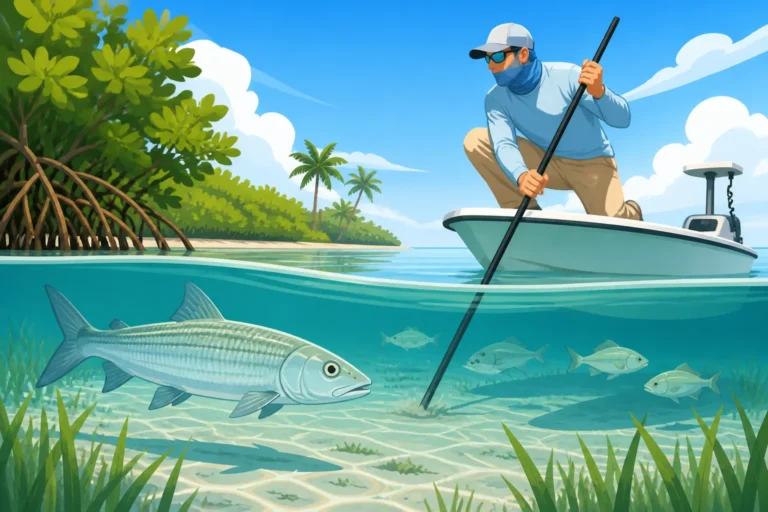
Saltwater fly fishing in Florida is what often captures the imagination. Picture yourself poling silently across a shallow flat in the Florida Keys or the vast estuaries of the Gulf Coast, stalking a wary bonefish or a cruising redfish. The challenges are immense: the relentless sun, the ever-present wind, and the incredibly sharp senses of the fish. These environments demand powerful casts, accurate presentations, and quick reflexes. The fish here are often larger, stronger, and more aggressive than their freshwater counterparts, putting your tackle and skill to the ultimate test. You're typically targeting species like snook, redfish, permit, tarpon, and various jacks, all of which require a different approach and a specific set of fly patterns. It's an environment where the stakes feel higher, and every successful hook-up feels like a major victory. The tides play a monumental role here, influencing everything from fish feeding patterns to accessibility of fishing grounds.
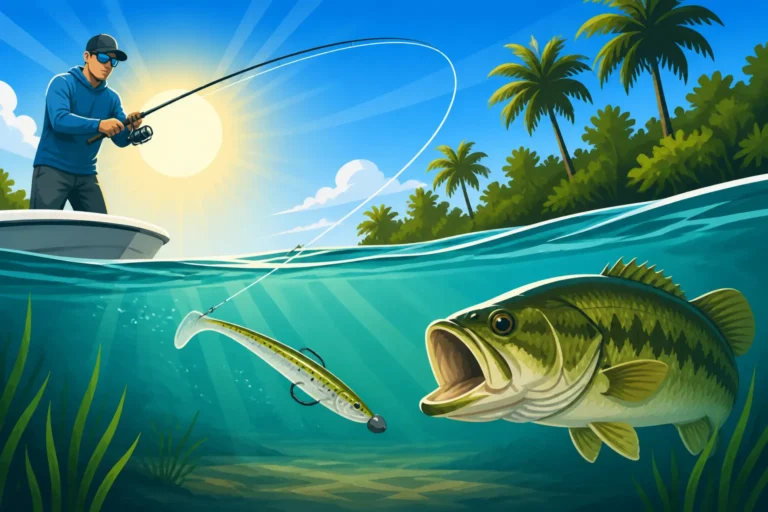
On the flip side, freshwater fly fishing offers a different kind of charm and challenge. Florida's interior is dotted with thousands of lakes, ponds, and slow-moving rivers, including the mighty St. Johns River. These waters are primarily home to largemouth bass, but also panfish like bluegill and crappie, and even exotic species like peacock bass in the urban canals of South Florida. Freshwater fly fishing often requires a more delicate touch, especially when targeting finicky bass in clear waters or tiny panfish with small dries. While the fish might not always pull as hard as a saltwater behemoth, the technicality of casting into tight cover, accurately placing a popper next to a lily pad, or teasing a bass out from under a submerged log is a skill in itself. The serene beauty of these inland waters provides a peaceful escape, far from the bustling coastlines.
Key Regions and Their Fly Fishing Appeal
Florida's geography carves out several distinct regions, each renowned for specific fly fishing opportunities. Knowing these areas can help you narrow down your destination and prepare for the unique challenges they present.
The Florida Keys are perhaps the most iconic fly fishing destination in the world, famous for the "Big Three" of saltwater flats fishing: tarpon, bonefish, and permit. Anglers from around the globe flock here to experience the thrill of sight fishing for these elusive species on crystal-clear shallow flats. The demands are high, requiring precise casting, stealth, and a keen eye to spot fish before they spot you. Places like Islamorada and Marathon are considered meccas for flats anglers, offering endless opportunities across expansive grass flats and marl bottoms. The challenge lies in the fish's wariness and the prevailing wind, which can make long, accurate casts incredibly difficult.
Moving north along the Gulf Coast, areas like Charlotte Harbor and the Ten Thousand Islands offer incredible opportunities for snook, redfish, and tarpon in a maze of mangrove-lined estuaries and shallow bays. This region, encompassing places like Everglades City and Naples, is characterized by its labyrinthine waterways and vast backcountry. Fly fishing here often involves poling deep into the mangroves, casting to fish hiding in shaded pockets or patrolling oyster bars. The waters can be a mix of clear and tannin-stained, adding another layer of challenge to sight fishing. It's wild, rugged fishing that feels truly adventurous.
On the Atlantic side, the Indian River Lagoon system, particularly Mosquito Lagoon, is legendary for its massive redfish. This nutrient-rich estuary offers expansive shallow flats where redfish often "tail" as they feed, providing thrilling sight fishing opportunities. Snook and large trout are also common targets. The challenge here is often finding the fish in the vastness of the lagoon and dealing with boat traffic from other anglers, especially during peak seasons. The water can range from clear to turbid, changing the approach needed for success.
For freshwater enthusiasts, Lake Okeechobee in South Central Florida is a mecca for trophy largemouth bass. While typically fished with conventional tackle, fly anglers can have a field day with poppers, streamers, and big flies worked along the expansive hydrilla and bulrush lines. Other notable freshwater spots include the St. Johns River system, which winds its way through much of Northeast Florida, offering excellent bass and panfish opportunities, and the interconnected urban canals of Miami and Fort Lauderdale, which hold the exotic and hard-fighting peacock bass. These unique environments provide a stark contrast to the saltwater flats, focusing on different casting challenges and fish behaviors.
Knowing these distinct regions and their primary species is the first step in planning your unforgettable Florida Fishing Charter Guide or a DIY adventure.
Essential Gear for Florida Fly Fishing
If you're new to Florida fly fishing, the sheer amount of specialized gear can feel like a foreign language. But understanding the specific demands of Florida's diverse fisheries will save you a lot of heartache (and broken rods!). From battling aggressive tarpon to delicate presentations for wary bass, having the right setup is paramount.
Rods, Reels, and Lines for Saltwater Adventures
Saltwater fly fishing demands robust gear that can withstand corrosive saltwater, powerful fish, and constant casting in often windy conditions. This isn't your grandma's trout rod.
For most inshore saltwater species like redfish, snook, and medium-sized jacks, an 8-weight or 9-weight fly rod is a fantastic all-around choice. These rods have enough backbone to cast larger flies and handle decent wind, yet still offer sensitivity for delicate presentations. If you're specifically targeting bigger snook or redfish, especially in heavy cover or on blustery days, a 9-weight can provide that extra bit of power. When chasing the "Silver King," the mighty tarpon, or powerful permit, you'll want to step up to a 10-weight or even an 11-weight rod. These rods are designed to punch through strong winds and turn the heads of truly massive fish. A good quality rod from brands like Sage, Orvis, or Scott will offer the performance and durability you need. You can find a wide range of options, including excellent starter combos, on Amazon.
Your reel is just as important, if not more so, in saltwater. It needs a smooth, powerful drag system and a large arbor for quick line retrieval. Saltwater fly reels are specifically designed to resist corrosion, often made from machined aluminum and sealed to protect internal components. A quality drag system is essential for battling fish that can make blistering runs, preventing break-offs and tiring the fish efficiently. Brands like Hatch, Abel, and Tibor are highly regarded, but there are also more budget-friendly yet capable options available from companies like Orvis or Redington. Don't skimp on backing either; you'll want at least 200 yards of 30-pound braided backing, as some of Florida's game fish will test the limits of your spool.
As for lines, a weight-forward floating line is the workhorse for most shallow water sight fishing. It allows for quick, accurate casts and good presentation. For deeper channels or when fish are holding slightly lower in the water column, an intermediate sinking line (which sinks slowly, a few inches per second) can be invaluable. This is particularly useful when targeting snook in deeper pockets or when fishing strong currents. Always choose a line specifically designed for saltwater, as these have a harder coating to resist heat and abrasions, and a stiffer core to prevent wilting in the Florida heat. Make sure your line weight matches your rod weight for optimal casting performance.
Freshwater Fly Fishing Tackle Essentials
While perhaps less strenuous than saltwater, freshwater fly fishing in Florida still requires thoughtful gear selection, especially when dealing with aggressive bass or delicate panfish.
For general freshwater angling, a 5-weight or 6-weight fly rod is incredibly versatile. A 5-weight is perfect for bluegill, crappie, and smaller bass, offering a delicate presentation with enough power for decent fish. For targeting larger largemouth bass, especially with bigger poppers or streamers, a 6-weight or even a 7-weight rod will provide the necessary muscle to cast those flies and fight the fish out of heavy cover. These rods are typically lighter and more forgiving than their saltwater counterparts, making for a more relaxed casting experience.
Freshwater reels don't require the same heavy-duty, sealed drag systems as saltwater reels, as the fish rarely make the kind of sustained, blistering runs that strip hundreds of yards of line. A reliable large arbor reel that balances well with your rod is generally sufficient. The primary function of a freshwater reel is to store line and balance the rod, with the drag serving more as a backup than a primary fighting tool, as most freshwater fish are hand-lined.
Again, a weight-forward floating line is the go-to for almost all freshwater scenarios. For throwing big, bushy bass bugs and poppers, a "bass bug taper" or "pike/musky taper" line can help turn over those wind-resistant flies more easily. For subsurface fishing with streamers, a sink-tip or even a full-sinking line can be beneficial, especially in deeper lakes or rivers.
Leaders, Tippet, and Flies for Florida Species
Choosing the right leader and tippet is just as critical as your rod and reel, as this is the connection between you and the fish. And, of course, the fly itself is what tempts the strike!
In saltwater, your leader setup will depend heavily on the target species. For redfish and snook, a 9-12 foot tapered leader with a 15-20 lb test butt section and a 30-40 lb test fluorocarbon bite tippet is standard. Fluorocarbon is less visible in water and more abrasion-resistant, crucial when fishing around oyster shells or mangrove roots. For toothy species like barracuda or if you're targeting large jacks, you might need a short section of wire tippet to prevent cut-offs, though this can deter some fish. For tarpon and permit, a much heavier butt section (60-80 lb) tapering down to a 40-60 lb shock tippet is common, often with specific IGFA regulations for tournament fishing. You can purchase pre-made tapered leaders or tie your own using blood knots. Don't forget a spool of good quality fluorocarbon tippet (from 15lb to 60lb test) to re-tie as needed.
Freshwater leader setups are generally simpler. A 7.5 to 9-foot tapered leader in 0X to 3X (about 10-6 lb test) is ideal for bass, while lighter 3X to 5X (6-4 lb test) leaders are perfect for panfish. For those exotic peacock bass, a 20-30 lb fluorocarbon leader is recommended due to their aggressive strikes and powerful jaws.
Now, for the fun part: the flies! Florida's diverse ecosystem calls for a vast array of patterns.
- Saltwater Flies: For redfish and snook, shrimp patterns like the Enrico Puglisi (EP) Shrimp, Kwan, or a standard Gotcha are incredibly effective. Crab patterns such as the Merkin Crab or Avalon Fly are deadly for permit. For tarpon, baitfish imitations like the Tarpon Toad, Black Death, or various mullet and pilchard patterns are popular. Don't forget poppers and gurglers for aggressive topwater action, especially for snook in low light.
- Freshwater Flies: Largemouth bass love big, noisy poppers, Dahlberg Divers, and various deer hair bugs that imitate frogs or mice. Streamers like the Clouser Minnow (yes, it works in freshwater too!), Woolly Buggers, or game changer patterns imitate baitfish. For panfish, small poppers, sponge spiders, or tiny nymphs like a Prince Nymph or Copper John are irresistible.
Having a diverse fly box is key. Consider picking up a variety of flies on Amazon before your trip to ensure you're ready for whatever Florida throws your way. Remember to tie good knots – a poorly tied knot is often the weakest link in your system! For more on specific species, check out our Florida Saltwater Fishing License Rules or Florida Freshwater Fishing License Rules guides, as knowing the regulations is as important as having the right gear.
Mastering Florida Fly Casting Techniques
Fly fishing in Florida isn't just about having the right gear; it's about knowing how to use it. The unique conditions, especially the omnipresent wind and the incredibly spooky nature of many game fish, demand casting techniques that go beyond the basics. If you've only ever cast for trout on gentle streams, you're in for a different ballgame.
Dealing with Wind: The Florida Angler's Nemesis
The wind is arguably the biggest challenge for fly anglers in Florida, particularly on the expansive saltwater flats. It's often relentless, blowing from various directions, and can turn a perfect cast into a tangled mess in an instant. This isn't just annoying; it directly impacts your ability to present a fly accurately and effectively. Many anglers get frustrated when they can't reach distant fish or keep their line straight.
One of the most crucial techniques for combating the wind is the double haul. This advanced casting stroke involves pulling on the fly line with your free hand on both the backcast and forward cast, significantly increasing line speed. Increased line speed means more energy in your loop, allowing you to punch through the wind and achieve greater distance. Practicing the double haul until it becomes second nature is non-negotiable for serious Florida fly anglers. It transforms your ability to cast into a headwind or crosswind, giving you a fighting chance against Mother Nature.
Another essential technique is the sidearm cast. Instead of casting overhead, dropping your rod tip to a more horizontal plane can keep your loop tight and low to the water, reducing the surface area exposed to the wind. This is particularly effective in a headwind or when casting across a strong crosswind. It also has the added benefit of keeping your line lower, making you less visible to wary fish. A variation of this is the "Belgian cast" or "oval cast," which is a continuous motion that keeps the line moving in an oval, again minimizing wind interference. Learning to adapt your casting angle and power based on wind direction and intensity is a skill that takes time and practice but is invaluable in Florida.
Accuracy and Presentation for Spooky Fish
Florida's prized game fish are not only powerful but also incredibly wary. Bonefish and permit, in particular, are notorious for their keen eyesight and ability to spook at the slightest disturbance. A sloppy cast, a splashy fly, or a line landing too heavily can send them rocketing away, leaving you with nothing but a lingering sense of disappointment. This is where accuracy and delicate presentation become paramount.
Accuracy means putting your fly exactly where it needs to be – often within inches of the fish's nose, especially on the flats. This requires not only good casting mechanics but also the ability to quickly adjust for wind, current, and the fish's movement. Imagine poling silently towards a tailing redfish in the Mosquito Lagoon; your guide whispers "1 o'clock, 40 feet!" You need to deliver that fly with pinpoint precision, gently laying it down without causing a ripple. Many anglers practice casting at specific targets in their yard to hone this skill, simulating real-world scenarios.
Presentation refers to how the fly lands on the water and how it behaves immediately afterward. A delicate presentation means the fly lands softly, mimicking natural prey. For bonefish, a fly that lands too heavily can send them flying. For tarpon, the fly needs to be "delivered" to them, not "cast at" them, meaning it lands a few feet ahead and to the side, allowing you to strip it into their path. This often involves a soft landing, achieved by allowing the leader to fully extend and gently settle on the water. Avoiding excessive slack in your line upon landing is also crucial for immediate control of the fly. Mastering these nuances means the difference between a frustrating refusal and an exhilarating hook-up.
Stripping and Hooksetting for Different Species
Once your fly is in the water, the battle isn't over – in fact, it's just beginning. How you retrieve your fly (stripping) and how you set the hook are critical factors that vary widely depending on the species you're targeting. Many freshwater anglers make the mistake of using a "trout set" in saltwater, leading to missed opportunities.
For most saltwater species like snook, redfish, bonefish, and permit, a strip-strike is essential. When a fish eats your fly, resist the urge to lift your rod tip like you would for a trout. Instead, continue stripping the line firmly and smoothly, pulling the fly deeper into the fish's mouth and setting the hook with the line hand. Only after the line is tight and the fish is moving away should you raise the rod tip to apply additional pressure. This method ensures a solid hookset and prevents the fly from being pulled out of the fish's mouth too early. The speed and rhythm of your retrieve, or "strip," also matter. Sometimes a fast, erratic strip is best; other times, a slow, deliberate retrieve is more effective. You might need to change up your retrieve based on the fish's reaction, adding small twitches or pauses.
For tarpon, the strip-strike is even more pronounced. Their hard, bony mouths make hooksets notoriously difficult. When a tarpon takes the fly, you must strip-strike with immense force, often multiple times, to drive the hook home. It's a violent, deliberate motion. Once hooked, remember to "bow to the king" when they jump, dropping your rod tip to give slack and prevent the hook from pulling free during their acrobatic leaps.
In freshwater, particularly for largemouth bass, a strip-strike is often still the most effective method, especially with poppers or streamers. When a bass slurps down a popper, continue stripping until you feel solid resistance, then set the hook by raising the rod. For panfish, a gentle lift of the rod tip is usually sufficient, much like a traditional trout set, due to their softer mouths.
Understanding and practicing these different stripping and hooksetting techniques can dramatically improve your success rate in Florida. It's a continuous learning curve, but the rewards of a perfectly executed cast, strip, and hookset are unparalleled. And don't forget, a quick retrieve of your fly line when the fish runs can mean the difference between landing a fish and losing it – something a good large arbor reel really helps with.
Targeting Florida's Prized Fly Rod Species
Florida is a fly angler's paradise because of the sheer diversity and fighting spirit of its fish. Whether you dream of a shimmering "silver king" or a feisty freshwater bruiser, the Sunshine State has a species to challenge every skill level. But each fish demands a specific approach, from the flies you choose to how you fight them.
The Big Three: Tarpon, Bonefish, and Permit
These three species are the holy grail of saltwater fly fishing in Florida, particularly in the Keys. They are known for their incredible power, speed, and intelligence, often pushing anglers to their absolute limits.
Tarpon, often called the "Silver King," are perhaps the most iconic fly rod fish in Florida. These massive, acrobatic fish migrate through Florida's waters, especially from April through July, presenting an unparalleled challenge. Targeting tarpon often involves sight fishing in shallow backcountry channels, on ocean-side flats, or around passes. They can range from 20-pound juveniles to over 200-pound monsters.
- Habitat and Behavior: Tarpon are found in both shallow and deeper waters. They roll on the surface to gulp air, making them visible, but can also cruise silently on the flats. They're often found in schools, or sometimes singly, near mangrove edges, channels, and bridges. Their notoriously hard mouths make hook-setting extremely difficult.
- Preferred Flies: Large baitfish patterns like the Tarpon Toad, Black Death, or various mullet and pilchard imitations in sizes 1/0 to 4/0 are common. Color choices often depend on water clarity and light conditions, with black and purple, chartreuse, or natural baitfish colors being popular.
- Optimal Fishing Conditions: Calm, clear water is ideal for sight fishing. Incoming and outgoing tides around passes can be very productive. Overcast days can make them less spooky. For more detailed information, check out our Florida Tarpon Fishing Season Guide.
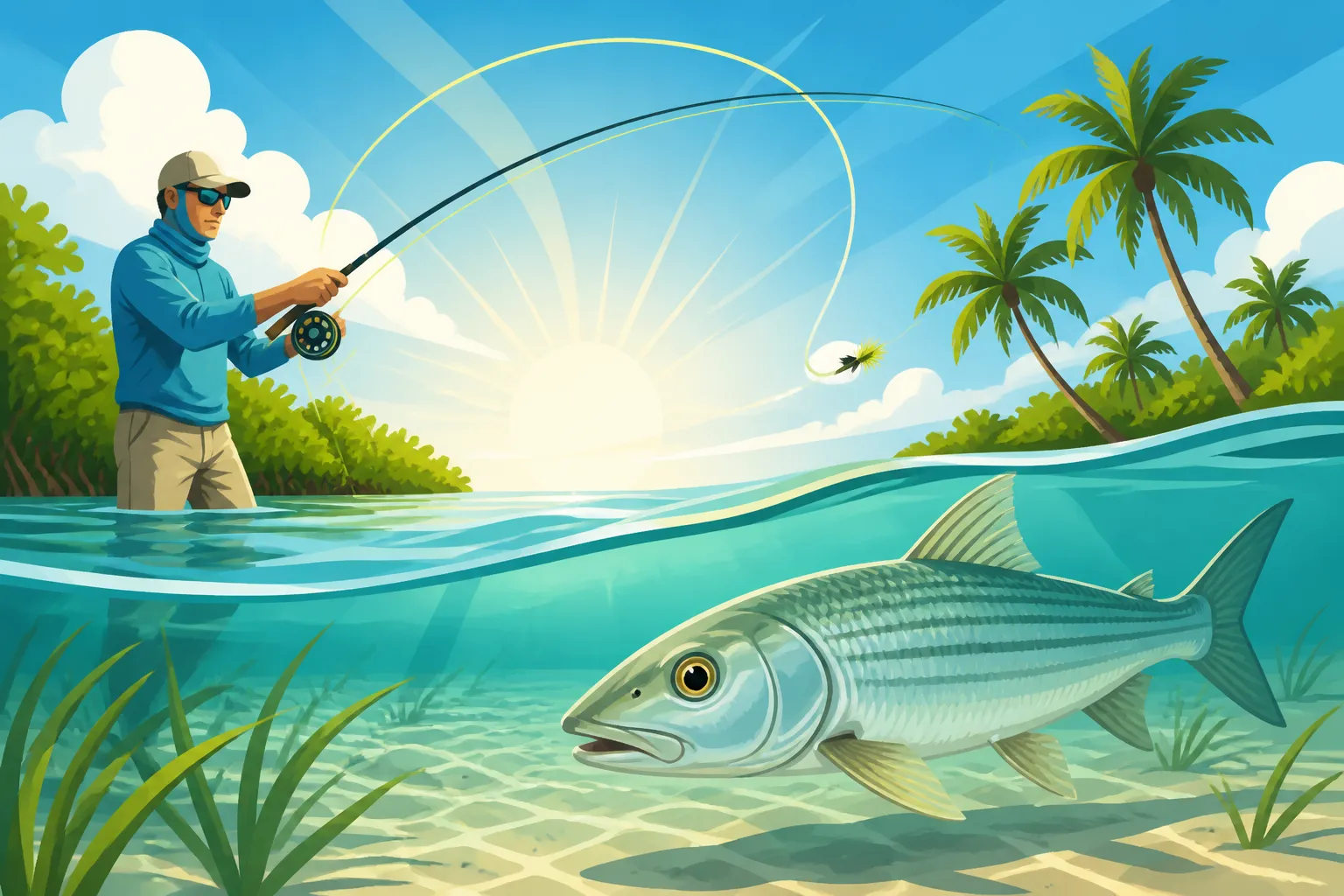
Bonefish, the "Grey Ghost of the Flats," are renowned for their incredible speed and stealth. Hooking a bonefish often means watching your backing disappear at an alarming rate. They typically weigh between 3 to 10 pounds in Florida, but their fight far exceeds their size.
- Habitat and Behavior: Bonefish inhabit shallow, clear flats, often "tailing" as they root for crabs and shrimp in the grass or sandy bottom. They are incredibly wary, spooking easily from boat noise, shadows, or a poorly presented fly.
- Preferred Flies: Small, subtle shrimp and crab patterns in sizes #2 to #8 are key. Patterns like the Gotcha, Crazy Charlie, Squimp, or various bonefish bitters in tan, pink, or natural colors are effective. Presentation is everything, as the fly needs to land softly and sink quickly but naturally.
- Optimal Fishing Conditions: Clear, sunny days with light winds are best for sight fishing. Rising tides often push bonefish onto the shallower flats to feed.
Permit are perhaps the most challenging and frustrating of the Big Three. These powerful members of the jack family can grow quite large (20-40+ pounds) and possess incredible eyesight and an uncanny ability to refuse flies. Landing one on a fly rod is considered one of the highest achievements in flats fishing.
- Habitat and Behavior: Permit typically cruise deeper flats, channels, and around wrecks and reefs. Like bonefish, they tail when feeding, but often in slightly deeper water. They are incredibly finicky eaters and will often inspect a fly before turning away.
- Preferred Flies: Crab patterns are almost exclusively used for permit. Merkin Crabs, Avalon Flies, or Peterson's Spawning Shrimp in sizes #2 to #1/0 are common, with different weights to match the depth.
- Optimal Fishing Conditions: Clear, sunny days with light winds are paramount for spotting these elusive fish. They are often found on rising tides pushing onto the flats.
Inshore Game: Snook, Redfish, and Seatrout
Beyond the Big Three, Florida's inshore waters teem with other fantastic fly rod targets that are more accessible and equally thrilling, particularly on the Gulf and Atlantic coasts.
Snook are a favorite among Florida fly anglers. Known for their explosive strikes and dirty fighting tactics (often trying to cut you off on mangrove roots or pilings), snook are powerful and acrobatic. They can be found in both saltwater and brackish environments, growing to impressive sizes.
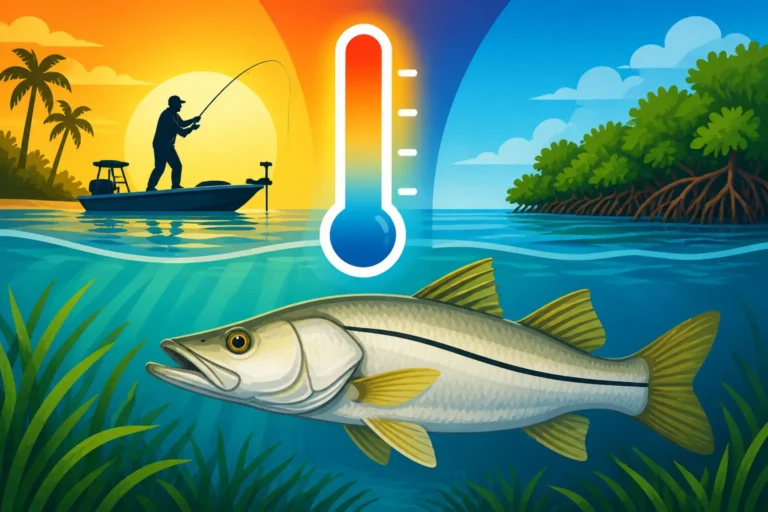
- Habitat and Behavior: Snook love structure: mangroves, docks, bridges, culverts, and oyster bars. They are ambush predators, often holding tight to cover, waiting for bait to swim by. They are sensitive to cold, so their location can change dramatically with water temperature.
- Preferred Flies: Baitfish patterns like Clouser Minnows, Deceivers, and EP Baitfish in white, chartreuse, olive, or black (for night fishing) are excellent. Poppers and gurglers can elicit explosive topwater strikes, especially during low light or when fish are actively feeding. Sizes #2 to 2/0 are common.
- Optimal Fishing Conditions: Moving water (incoming or outgoing tide) is best, as it concentrates baitfish. Low light (dawn, dusk, or night) can produce aggressive feeding. For specific season details, check out our Florida Snook Fishing Guide.
Redfish, or red drum, are another extremely popular inshore species, especially famous in the vast grass flats of the Indian River Lagoon and along the Gulf Coast. They are known for their distinct tailing behavior and powerful, bulldog-like fight.
- Habitat and Behavior: Redfish primarily inhabit shallow grass flats, oyster bars, and mangrove shorelines. They "tail" when feeding head-down in the grass, making them easy targets for sight fishing. They are less spooky than bonefish but still require a good presentation.
- Preferred Flies: Shrimp and crab patterns are top choices, such as the Kwan, EP Shrimp, or various Gurgler-style flies. Spoon flies and small baitfish patterns like Clouser Minnows also work well. Colors often include natural tones, chartreuse, or black. Sizes #4 to 1/0 are typical.
- Optimal Fishing Conditions: Tailing redfish are best targeted on high, incoming tides over grass flats. Lower tides can concentrate them in potholes and along deeper edges. Calm conditions aid in spotting them. Our Florida Redfish Fishing Guide has more in-depth info.
Spotted Seatrout, often just called "trout" in Florida, are abundant and readily available throughout the state's inshore waters. While not as powerful as snook or redfish, they offer consistent action and are excellent practice targets for beginners. Larger "gator" trout can be a real thrill on light tackle.
- Habitat and Behavior: Trout prefer grass flats, sandy potholes, and oyster bars. They often congregate in specific areas, especially during cooler months, and will readily strike flies.
- Preferred Flies: Small baitfish patterns like Clouser Minnows (chartreuse/white, olive/white), small Deceivers, and shrimp patterns work wonders. Small poppers and gurglers are also effective for topwater action. Sizes #6 to #2.
- Optimal Fishing Conditions: Moving tides are generally best. They can be caught year-round, but the cooler months often produce larger fish in shallower waters. Learn more about them in our Florida Spotted Seatrout Fishing Guide.
Freshwater Fighters: Largemouth and Peacock Bass
Florida's freshwater systems offer their own unique fly fishing opportunities, most notably for largemouth bass and the colorful peacock bass.
Largemouth Bass are abundant in virtually every lake, pond, and river system across Florida. While often overlooked by fly anglers in favor of saltwater species, Florida's bass can grow to trophy sizes and offer fantastic fly rod action, especially with topwater bugs.
- Habitat and Behavior: Largemouth bass relate to structure: lily pads, hydrilla mats, submerged logs, docks, and drop-offs. They are ambush predators and will readily strike flies mimicking baitfish, frogs, or insects.
- Preferred Flies: Big, noisy poppers (Gartside Gurgler, Dahlberg Diver), deer hair bugs, and streamers like the Woolly Bugger, Clouser Minnow, or Sex Dungeon are highly effective. For deeper water, weighted streamers or even small crayfish patterns can work. Sizes #4 to 2/0.
- Optimal Fishing Conditions: Early morning and late evening are prime, especially for topwater action. Overcast days can extend the topwater bite. Check out our Florida Largemouth Bass Fishing Guide for more insights.
Peacock Bass are a non-native, exotic species introduced into South Florida's urban canal systems. They are strikingly beautiful fish with vibrant colors and an incredibly aggressive, powerful fight. They typically range from 1 to 5 pounds but can exceed 10 pounds.
- Habitat and Behavior: Peacock bass thrive in the warm, clear canals of Miami-Dade and Broward counties. They are highly territorial and will aggressively strike anything that invades their space. They are often found around bridge pilings, culverts, seawalls, and fallen trees.
- Preferred Flies: Bright, flashy streamers that imitate baitfish (shiners, cichlids) are key. Clouser Minnows, Deceivers, and various EP Baitfish patterns in chartreuse, orange, red, or white are effective. Poppers can also elicit violent strikes. Sizes #2 to 1/0.
- Optimal Fishing Conditions: Warm, sunny days are best, as they are a tropical species. Midday is often prime for peacock bass, unlike many other species. Learn more in our Florida Peacock Bass Fishing Guide.
Choosing your target species is a huge part of the Florida fly fishing experience. With the right knowledge and gear, you'll be well on your way to battling these incredible fish on the fly.
Best Seasons and Conditions for Florida Fly Fishing
Florida's angling opportunities aren't just limited by what species you want to chase, but also when you want to chase them. The state's climate, distinct seasons, and environmental factors like tides and water temperature play a massive role in fish behavior and, consequently, your fly fishing success. Ignoring these elements can lead to frustrating days on the water.
Seasonal Opportunities Across the State
Florida effectively has four fishing seasons, though they don't always align perfectly with the calendar's traditional spring, summer, fall, and winter. Each brings unique opportunities and challenges for the fly angler.
Winter (December – February): For many saltwater species, winter can be challenging due to cold fronts, but it also presents some fantastic opportunities.
- Saltwater: Snook and redfish often push deep into brackish creeks, canals, and residential dock systems seeking warmer water. When a cold front passes, these fish can become lethargic, but sunny days afterward can warm the shallow flats, drawing them out to feed aggressively. This is an excellent time for sight fishing on clear, calm flats for redfish that are often grouped up. Tarpon are scarce in most areas, but resident fish might be found in very specific, deep channels or power plant outflows. Bonefish and permit fishing in the Keys can be excellent on warm, sunny days.
- Freshwater: Largemouth bass can be found in a prespawn pattern, congregating in shallower areas before their spawning period. This is often when some of the biggest bass are caught on flies, especially during warmer spells. Panfish are less active. Peacock bass in South Florida remain active thanks to the warmer climate.
- Frustration Point: The biggest frustration for winter fly fishing is the unpredictability of cold fronts. A sudden drop in temperature can shut down a bite completely, turning prime spots into barren waters.
Spring (March – May): This is arguably the most dynamic and productive fly fishing season in Florida.
- Saltwater: This is peak tarpon season, especially in the Florida Keys and along the Gulf Coast. Tarpon begin their migratory patterns, offering incredible sight fishing opportunities. Snook and redfish become very active and aggressive, moving out of their winter haunts and onto the open flats and into mangrove estuaries. Trout fishing is also excellent. Permit fishing in the Keys remains strong.
- Freshwater: Largemouth bass are in full spawning mode or post-spawn, leading to aggressive topwater action as they protect nests or feed heavily after spawning. Panfish also become very active.
- Opportunity: If you dream of a giant tarpon on fly, this is your prime window. The weather is generally pleasant, and the fishing is hot across the board. Dive deeper into the best times with our Best Time of Year to Fish in Florida guide.
Summer (June – August): Hot, humid, and prone to afternoon thunderstorms, summer can still be incredibly productive.
- Saltwater: Tarpon remain in good numbers through early summer before dispersing. Snook fishing is outstanding, especially at night around dock lights or during the cooler parts of the day. Redfish are abundant, often found pushing bait in schools. Offshore species like mahi-mahi and king mackerel become prime targets, though this requires heavier fly tackle and offshore charters.
- Freshwater: Largemouth bass fishing requires early morning or late evening efforts, as the midday heat can push them deep. Topwater action can still be explosive at dawn and dusk. Peacock bass thrive in the heat.
- Challenge: The afternoon thunderstorms are a common frustration, often cutting trips short or making conditions unpredictable. Intense heat and humidity also demand proper hydration and sun protection.
Fall (September – November): A transition period, often offering some of the year's best fishing as temperatures cool and fish become more active.
- Saltwater: The "fall run" of baitfish triggers aggressive feeding from snook, redfish, and various migratory species. This is an excellent time for topwater action. Smaller tarpon can still be found in the backcountry. Fishing for speckled seatrout really picks up.
- Freshwater: Largemouth bass become very active as water temperatures cool, feeding aggressively to bulk up for winter. Fall can produce some great topwater and streamer fishing for bass.
- Consideration: This is also hurricane season, so always keep an eye on weather forecasts.
To truly maximize your experience, having a good understanding of the Florida Fishing Seasons Explained can make a huge difference in planning your trip.
Tides, Weather, and Water Conditions
Beyond the seasons, daily conditions dictate whether you'll have an epic day or a frustrating skunking. For saltwater fly fishing, understanding tides is non-negotiable.
Tides: The ebb and flow of the ocean dictate fish behavior, feeding patterns, and where fish will be found.
- Moving Tides: Almost universally, moving water is better than slack tide. Incoming tides often push baitfish into estuaries and onto the flats, drawing game fish with them. Outgoing tides can concentrate bait in specific channels or near points, making them vulnerable. Learning to read a tide chart and understanding how local currents affect different areas is a skill developed over time, or by hiring a local guide.
- Water Levels: High tides can flood mangrove roots, giving snook and redfish access to new feeding grounds but also spreading them out. Low tides concentrate fish in deeper channels or potholes, making them easier to target.
- Frustration Point: Fishing a slack tide can be incredibly frustrating. The water becomes still, bait disperses, and fish activity often grinds to a halt.
Weather:
- Wind: As discussed, wind is the fly angler's nemesis. It makes casting difficult and can stir up the water, reducing visibility. Light winds are generally preferred for sight fishing.
- Sun: Sunny, clear days are ideal for sight fishing on the flats, allowing you to spot fish from a distance. However, too much sun can make fish spooky. Overcast conditions can make fish less wary, but harder to spot.
- Rain: Light rain can sometimes improve freshwater bass fishing, as it washes insects and nutrients into the water. In saltwater, light rain can make fish less spooky, but heavy rain can make water turbid and shut down the bite.
- Temperature: Water temperature is a critical factor, especially for tropical species like snook and peacock bass. Cold water slows them down significantly, while optimal temperatures increase their activity.
Water Conditions:
- Clarity: Clear water is paramount for sight fishing, allowing you to spot fish before they see you. Turbid or "dirty" water makes sight fishing impossible, forcing you to blind cast or rely on sound/structure.
- Current: Strong currents can make casting difficult but often concentrate baitfish and predatory species.
- Grass Flats & Structure: Healthy grass flats provide crucial habitat for baitfish and game fish. Oyster bars, mangrove shorelines, and sunken logs are all key holding areas.
Navigating Challenges: Red Tide and Cold Snaps
Florida's natural beauty comes with its own set of environmental challenges that can significantly impact fly fishing. Being aware of these and knowing how to respond is crucial for both success and safety.
Red Tide: These harmful algal blooms (HABs) occur naturally, primarily on Florida's Gulf Coast, but can also affect the Atlantic side. Red tide is caused by an overgrowth of Karenia brevis algae, which produces toxins harmful to marine life and humans.
- Impact on Fishing: Red tides can cause massive fish kills, leading to barren waters and forcing fish out of affected areas. Fishing during a red tide event is usually futile and often unhealthy. The toxins can cause respiratory irritation in humans, making being on the water uncomfortable or even dangerous.
- Response: If a red tide is present in your chosen fishing area, it's best to avoid it entirely. The Florida Fish and Wildlife Conservation Commission (FWC) and local news outlets provide up-to-date information on red tide locations and severity. You might need to change your plans and fish a different part of the state or postpone your trip. The frustration of arriving at a prime spot only to find it devastated by red tide is immense, making proactive checking essential.
Cold Snaps: While Florida is the "Sunshine State," it does experience cold snaps, especially in winter. These sudden drops in air and water temperature can have a profound impact on fishing.
- Impact on Fishing: Cold-blooded fish like snook, tarpon, and even largemouth and peacock bass become lethargic and seek refuge in deeper, warmer waters or protected canals and residential areas. Their metabolism slows down, and they feed much less aggressively, if at all. Severe cold snaps can lead to large fish kills, particularly for snook, which are sensitive to temperatures below 50°F.
- Response: After a cold snap, look for areas where the sun has had a chance to warm the shallow water, or target fish in deep, protected holes and residential canals. These areas often hold concentrations of cold-stressed fish. Flies should be presented slowly, often with minimal movement, to tempt lethargic fish. It’s a completely different approach than an active bite.
Being flexible and informed about these environmental factors can save you a lot of disappointment and help you make the most of your Florida fly fishing adventure.
Planning Your Florida Fly Fishing Trip
So, you're ready to tackle Florida with a fly rod! Planning is key, especially if you're coming from out of state or are new to the local waters. You've got options: hire a seasoned pro, or venture out on your own. Both have their merits and require different levels of preparation.
Choosing a Florida Fly Fishing Guide or Charter
For many, especially those targeting the elusive "Big Three" or looking for a stress-free experience, hiring a professional guide is money well spent. A good guide isn't just a captain; they're an educator, a scout, and your best chance at success.
Benefits of a Guide:
- Local Knowledge: This is paramount. Guides spend hundreds of days a year on the water and know exactly where the fish are, what they're eating, and how they're behaving based on the current conditions, tide, and season. They eliminate the guesswork.
- Specialized Gear: A reputable guide will provide all the necessary high-quality fly rods, reels, lines, and a vast selection of flies perfectly suited for the day's conditions. This saves you from having to invest in specialized gear for a one-time trip.
- Casting Instruction and Coaching: Many guides are excellent teachers. They can help you refine your casting technique, especially for accuracy and presentation in windy conditions, and provide real-time coaching when a fish is in sight.
- Safety and Navigation: Florida's waters can be tricky, with shallow flats, submerged obstacles, and rapidly changing weather. Guides ensure your safety and navigate expertly.
- Increased Success Rate: Quite simply, you're far more likely to catch your target species with a guide than on your own, especially for challenging fish like permit or tarpon.
- Convenience: All you need to do is show up. The boat is ready, bait (if needed for chumming or backup) is typically prepped, and the fishing plan is set.
What to Look For in a Guide:
- Experience and Reputation: Seek out guides with years of experience in the specific fishery you're targeting. Read reviews, ask for references, and look at their online presence. A guide from a company like Saltwater Experience or one listed on the Florida Guides Association will likely be reputable.
- Specialization: Some guides specialize in specific species (e.g., tarpon-only guides) or types of fishing (e.g., flats fishing, Everglades backcountry). Match their expertise to your goals.
- Communication: A good guide will communicate clearly before, during, and after the trip. They should discuss your expectations and manage them realistically.
- Patience and Teaching Style: If you're a beginner, look for a guide known for their patience and ability to teach.
- Boat and Equipment: Ensure their boat is well-maintained, clean, and appropriate for the fishery (e.g., a technical skiff for flats fishing).
- Licensing: All Florida fishing guides must be licensed by the U.S. Coast Guard (USCG). Don't hesitate to ask for their license.
The cost of a Florida fly fishing charter can vary widely based on location, duration (half-day vs. full-day), and the guide's reputation. Expect to pay anywhere from $600 to $1000+ for a full day of private guided fly fishing. While this might seem steep, it's an investment in a potentially once-in-a-lifetime experience. For a more detailed breakdown, our Florida Fishing Charter Guide and How to Choose a Florida Fishing Guide are excellent resources.
DIY Fly Fishing: Access Points and Strategy
For the independent angler who enjoys the challenge of figuring things out, Florida offers ample DIY opportunities, especially for freshwater species and some accessible saltwater areas. This route requires more research and self-sufficiency but can be incredibly rewarding.
Access Points:
- Public Beaches and Piers: Many public beaches allow surf fishing, and while fly casting into the surf is challenging, it's possible to catch species like pompano, whiting, or even small jacks. Some public fishing piers (check local regulations) are great for blind casting with heavier outfits for various species, though fly fishing from a crowded pier can be tricky.
- State Parks and Wildlife Management Areas: Florida's state parks often have designated fishing areas, and many wildlife management areas offer access to lakes, ponds, and rivers that hold excellent freshwater species.
- Public Boat Ramps and Kayak Launches: If you have your own shallow-draft boat or a kayak, public ramps provide access to vast expanses of inshore saltwater flats, estuaries, and freshwater lakes. Kayak fishing is an increasingly popular way to access skinny water stealthily.
- Canals and Retention Ponds: Urban canals in South Florida are prime DIY spots for peacock bass and largemouth bass. Many retention ponds (check signage for public access) also hold bass and panfish.
- Shoreline Wade Fishing: In certain areas with firm bottoms and clear water, you can wade fish the flats for redfish and trout. Always wear appropriate footwear to protect against oyster shells, stingrays, and sharp objects.
DIY Strategy:
- Research, Research, Research: Before you go, use online maps, satellite imagery, and fishing forums to identify potential access points, fishy-looking structure, and current reports.
- Tide Charts are Your Bible (Saltwater): Study local tide charts meticulously. Plan your arrival and departure around optimal tidal movements.
- Stealth is Key: Whether wading or kayaking, move slowly and quietly. Fish in shallow water are easily spooked.
- Weather Awareness: Always check the weather forecast, especially for thunderstorms in summer or sudden cold fronts in winter.
- Safety First: Inform someone of your plans, carry a fully charged phone, plenty of water, sunscreen, and a first-aid kit. If wading, a sturdy wading staff can be invaluable.
- Learn Local Regulations: Ensure you have the correct Florida Fishing License Guide for the waters you'll be fishing and understand bag limits and size restrictions for your target species. Remember that Florida Free Fishing Days are limited.
Essential Accessories and Safety Tips
Regardless of whether you go guided or DIY, having the right accessories and adhering to safety practices will make your Florida fly fishing trip more enjoyable and secure.
Essential Accessories:
- Sun Protection: Florida sun is intense. Pack a wide-brimmed hat, polarized sunglasses (critical for spotting fish!), long-sleeved UPF-rated shirts, face buffs, and plenty of high-SPF sunscreen.
- Hydration: Bring more water than you think you'll need. Dehydration can creep up quickly in the heat. A good cooler stocked with drinks is a must.
- Footwear: For saltwater wading, sturdy wading boots with good ankle support are essential to protect against oyster shells, sharp objects, and stingrays (do the "stingray shuffle"). For boat fishing, non-skid deck shoes are best.
- Rain Gear: Florida weather can change on a dime. Lightweight, packable rain gear is a smart addition, even on sunny days.
- Tools: Pliers (saltwater specific with cutters), line nippers, and a hook sharpener are indispensable.
- Bug Spray: Especially in freshwater or near mangroves, mosquitoes and no-see-ums can be relentless.
- Camera: To capture those epic moments! Just make sure it's waterproof or in a dry bag.
- Small Dry Bag: For your phone, wallet, and other essentials.
- Amazon is a great place to find all these essential accessories, from polarized sunglasses to waterproof dry bags.
Safety Tips:
- Stingray Shuffle: If wading in saltwater, shuffle your feet to scare off stingrays, preventing a painful barb strike.
- Watch for Alligators: In freshwater, be acutely aware of your surroundings and avoid wading or swimming in areas known for alligators.
- Thunderstorms: Florida experiences frequent afternoon thunderstorms, especially in summer. If you see lightning or hear thunder, get off the water immediately. Don't be the tallest object in a thunderstorm.
- Heat Exhaustion/Stroke: Recognize the symptoms (dizziness, nausea, excessive sweating, confusion) and take immediate action: seek shade, hydrate, and cool down.
- Marine Life: Be aware of venomous creatures like stonefish or lionfish in certain areas. Always know how to handle your catch safely.
- Communication: Always tell someone where you're going and when you expect to return, especially if fishing solo.
By meticulously planning your trip, choosing wisely between guided and DIY experiences, and prioritizing safety, you'll be well-prepared for an incredible fly fishing adventure in Florida.
| Florida Fly Rod Species | Ideal Rod Weight (Saltwater) | Ideal Rod Weight (Freshwater) | Typical Fly Type (Example) | Common Fishing Spot |
|---|---|---|---|---|
| Tarpon | 10-12 weight | N/A | Tarpon Toad | Florida Keys, Gulf Passes |
| Bonefish | 7-8 weight | N/A | Gotcha Shrimp | Florida Keys Flats |
| Permit | 9-10 weight | N/A | Merkin Crab | Florida Keys, Deeper Flats |
| Snook | 8-10 weight | N/A | EP Baitfish | Mangrove Estuaries, Docks |
| Redfish | 7-9 weight | N/A | Kwan | Grass Flats, Oyster Bars |
| Spotted Seatrout | 6-8 weight | N/A | Clouser Minnow | Grass Flats, Potholes |
| Largemouth Bass | N/A | 6-8 weight | Dahlberg Diver (Popper) | Lakes, Rivers, Ponds |
| Peacock Bass | N/A | 7-8 weight | Flashy Streamer | South Florida Canals |
Disclaimer
The information provided in this guide is for general informational purposes only. Fishing regulations, seasons, and conditions in Florida can change frequently. Always consult the latest regulations from the Florida Fish and Wildlife Conservation Commission (FWC) before your trip. Fishing inherently involves risks, and safety precautions should always be observed.