Best Rod and Reel Setup for Florida Offshore Fishing
Stepping onto the boat for a Florida offshore fishing trip, it's easy to feel a little overwhelmed by the sheer amount of gear out there. Choosing the right rod and reel setup can feel like navigating a maze, especially with Florida's incredibly diverse offshore species, from feisty snapper on the reefs to powerful pelagics like mahi-mahi and sailfish far out in the Gulf Stream. This guide is all about helping you cut through the confusion and put together the perfect arsenal for your deep-sea adventures, ensuring you're ready for whatever bites.
Understanding Florida Offshore Fishing Environments
Before you even think about picking up a rod, it’s crucial to understand where you'll be fishing and what you'll be targeting. Florida's offshore waters are incredibly varied, offering distinct environments that demand different approaches and, naturally, different gear. What works for pulling grouper off a wreck might be entirely useless for trolling for wahoo.
Coastal Reefs and Wrecks
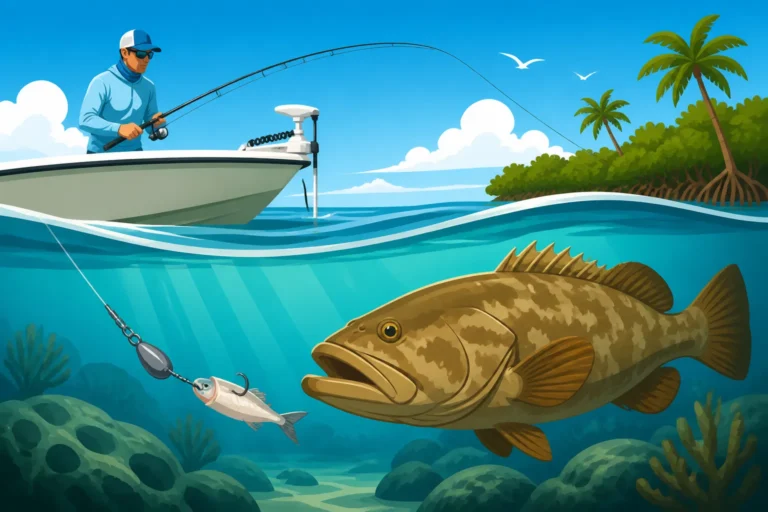
Imagine fishing over submerged structures like natural coral reefs, artificial wrecks, or even old bridge rubble. These spots, often found in depths ranging from 50 to 200 feet, are absolute havens for bottom-dwelling species. Here, you'll encounter species like gag grouper, red snapper, mangrove snapper, amberjack, and various types of sea bass. The fishing often involves dropping baits or jigs directly down to the structure, requiring a setup that can handle heavy weights, strong currents, and the brute force of a fish trying to pull you into the jagged wreck.
The challenge here isn't just the size of the fish, but their immediate instinct to "reef" you – to cut your line on the structure. This means you need gear with enough backbone to turn a fish away from cover quickly. Currents can also be a significant factor, requiring heavier sinkers to keep your bait in the strike zone, which in turn demands a more powerful rod and reel. The fights can be short, intense bursts of power. You're not casting long distances; rather, you're focused on precision drops and rapid retrieves to keep fish from burrowing into their homes.
Pelagic Open Waters
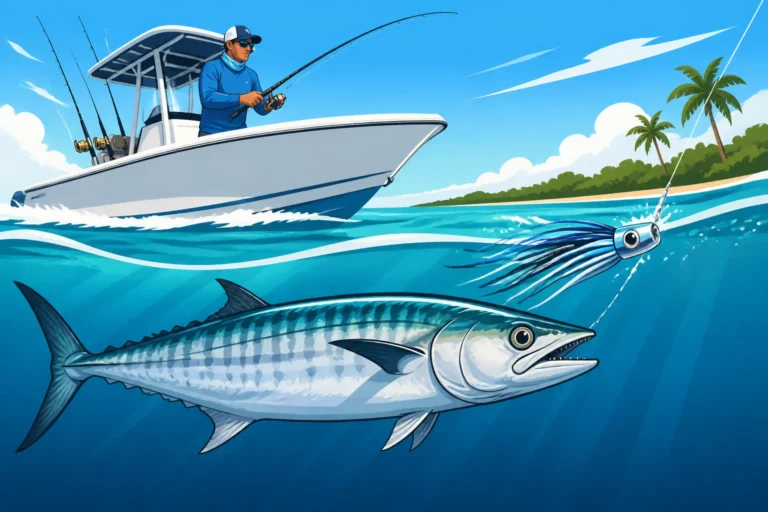
Venture further offshore, beyond the sight of land, and you enter the realm of pelagic species. These fish, like mahi-mahi (dolphin), wahoo, king mackerel, tuna, and billfish such as sailfish and marlin, are open-ocean wanderers. They follow baitfish, current lines, and temperature breaks, often found around floating Sargassum weed lines or along the edges of deep water. Fishing for these species typically involves trolling baits or lures at various speeds, or sometimes casting to schooling fish or those congregating under weed lines.
The dynamics here are completely different from reef fishing. You're covering vast distances, and the strike often comes out of nowhere at high speed. These fish are known for their incredible runs, acrobatic jumps, and sustained battles in open water. Your gear needs to handle long, blistering runs, absorb powerful head shakes, and provide the sensitivity to feel subtle bites while trolling. Casting distance can also be important if you're throwing a lure to a school of mahi-mahi busting on the surface. For these offshore pursuits, endurance, smooth drag, and line capacity are paramount. If you're looking for an excellent resource, check out our guide on Florida Offshore Fishing Techniques.
Deep Drop Zones
For the truly adventurous angler, Florida's deep drop zones offer a unique challenge. These are areas where the ocean floor plunges dramatically, often to depths of 600 feet or more, sometimes exceeding 1,500 feet. Here, specialized species like swordfish, snowy grouper, tilefish, and various deepwater snapper reside. Fishing these depths requires highly specialized, heavy-duty gear, often including electric reels to manage the immense weight of the line and sinkers, and to bring up fish from such profound depths.
The setup for deep dropping is a world apart. You're dealing with extreme pressure, long drop times, and the need for incredibly strong lines and robust terminal tackle. The bites can be subtle due to the distance, but the fish, once hooked, can be surprisingly powerful for their environment. While not for every angler, deep dropping offers the chance to catch some truly unique and often massive fish. The sheer physics of getting a bait to that depth and then fighting a fish back up requires an entirely different class of equipment compared to your standard offshore setup.
Key Considerations for Offshore Rod Selection
Selecting the right fishing rod for Florida offshore fishing isn't just about grabbing the longest or stiffest one you can find. It’s a nuanced decision that significantly impacts your ability to cast, fight fish, and ultimately enjoy your time on the water. You need a rod that can withstand immense pressure while offering the right amount of sensitivity and leverage.
Rod Power and Action
Understanding rod power and action is fundamental to matching your gear to the task at hand. "Power" refers to the rod's stiffness or lifting strength, while "action" describes where the rod bends when pressure is applied.
-
Rod Power: For offshore fishing in Florida, you'll typically be looking at medium-heavy to extra-heavy power rods.
- Medium-Heavy (MH): Excellent for lighter offshore trolling, live baiting for king mackerel or mahi-mahi, or bottom fishing for smaller snapper and grouper in moderate depths. It offers a good balance of backbone and sensitivity.
- Heavy (H): This is a workhorse power for much of Florida's offshore bottom fishing, jigging for amberjack, or trolling for larger mahi-mahi and wahoo. It provides significant lifting power to pull stubborn fish away from structure or control their powerful runs. If you're targeting specific species like those found in a Florida Grouper Fishing Guide, a heavy-power rod is often a minimum requirement.
- Extra-Heavy (XH): Reserved for big game pursuits like larger tuna, swordfish, or marlin. These rods have immense lifting power, often designed for fighting fish from a chair or with a stand-up harness, handling extremely heavy drags.
-
Rod Action:
- Fast Action: The rod bends mostly in the tip section. This provides excellent sensitivity for feeling subtle bites and quick hook sets, which is great for jigging or bottom fishing where you need to react fast. Many conventional bottom fishing rods will have a fast or extra-fast action.
- Moderate (or Medium) Action: The rod bends further down, into the middle section. This provides a more parabolic bend, distributing stress more evenly and offering more "give" during long fights, which is ideal for trolling or live baiting pelagic species that make long, sustained runs. The moderate action helps keep the hook pinned during head shakes and jumps.
Think about a snapper trying to bolt back into a wreck – you need a fast, heavy rod to stop them dead. But for a mahi-mahi ripping across the surface, a moderate action rod will absorb those violent head shakes and reduce the chance of pulling the hook.
Rod Length and Material
The length and material of your offshore rod are also crucial factors that influence its performance and your comfort.
-
Rod Length: Offshore rods typically range from 6 to 8 feet.
- Shorter Rods (6-7 feet): These are generally preferred for stand-up fishing and bottom fishing. They offer more leverage and power for muscling fish directly, are easier to handle in close quarters on a boat, and are better for heavy jigging. The shorter length means less flex, which translates to more direct lifting power. For example, if you're specifically using a Jigging Technique for Grouper, a shorter, powerful rod will give you the control you need.
- Longer Rods (7-8 feet): While less common for heavy offshore work, longer rods can be beneficial for specific applications like casting plugs to schooling fish or lighter trolling where you want to spread out your lines. They offer better casting distance and can sometimes provide a softer action for smaller pelagic species.
-
Rod Material: Modern offshore rods are primarily made from fiberglass, graphite, or a composite blend.
- Fiberglass: Known for its incredible durability, strength, and forgiving, moderate action. Fiberglass rods are less sensitive but excel at absorbing the shock of big fish runs and can take a beating. They are often heavier but virtually indestructible. Many conventional trolling rods are still fiberglass or composite for their robustness.
- Graphite (Carbon Fiber): Offers superior sensitivity and is much lighter than fiberglass. Graphite rods are excellent for feeling subtle bites and for techniques like vertical jigging where sensitivity is key. However, graphite is more brittle and can snap under extreme, sudden pressure if not handled correctly.
- Composite Blends: Many high-quality offshore rods use a blend of fiberglass and graphite to combine the best attributes of both – the strength and durability of fiberglass with some of the sensitivity and reduced weight of graphite. This is a popular choice for many versatile offshore rods. Reputable brands like Penn and Shimano often use advanced composite materials in their offshore series, which you can easily find on Amazon.
Gimbal and Butt Design
When you're fighting a really big fish, especially from a fighting chair or with a stand-up harness, the design of the rod's butt and its gimbal becomes critically important.
-
Gimbal: This is the metal cross-shaped fitting at the very end of the rod butt. It's designed to lock into the gimbal pin on a fighting chair or a stand-up fishing harness. Without a gimbal, fighting a large offshore fish would be incredibly difficult, if not impossible, as the rod would slip and rotate constantly under pressure. A quality gimbal is typically made from stainless steel or marine-grade aluminum to resist corrosion and provide maximum strength. It allows you to leverage your entire body against the fish, transferring the strain from your arms to your core.
-
Butt Design (Foregrips and Reargrips): The grips on your rod play a huge role in comfort and control.
- Foregrips: These are the grips above the reel seat. They need to be long enough and comfortable to hold onto, especially when pumping the rod to gain line. Materials like EVA foam or cork are common, offering good grip even when wet. For heavy offshore gear, a longer foregrip gives you more hand placement options and leverage.
- Reargrips (Butt Section): The part below the reel seat needs to be sturdy. Often made from slick, hard materials like aluminum or tough composites, especially on fighting-chair rods where you might not be holding it directly. For stand-up rods, a comfortable, often contoured grip section is vital. The length of the butt also impacts leverage; a longer butt can be tucked under your arm or into a harness more effectively. Without a well-designed butt section, fighting a powerful fish like a tuna or a large amberjack, discussed in our Florida Amberjack Fishing Guide, can quickly lead to fatigue and loss of control.
Choosing the Right Offshore Reel
The reel is arguably the most critical component of your offshore fishing setup. It's the engine that stores your line, manages the drag, and allows you to retrieve line and fight fish. For Florida offshore fishing, you'll primarily be choosing between spinning reels and conventional reels, with electric reels filling a specialized niche.
Spinning Reels for Offshore
While conventional reels dominate the heavy offshore game, spinning reels have carved out a significant role, particularly for lighter offshore tactics, casting to schooling fish, and even some medium-heavy bottom fishing.
-
When to Use Them: Spinning reels excel when you need to cast light lures or baits a long distance, or when you need a quick retrieve to keep up with fast-moving fish. They are fantastic for throwing jigs to mahi-mahi under weed lines, casting to busting king mackerel, or even for bottom fishing for smaller snapper in shallower waters. Their ease of use also makes them a popular choice for charter guests or less experienced offshore anglers. If you're targeting species like mahi-mahi, a strong spinning reel might be part of your Florida Mahi Mahi Fishing Guide setup.
-
Drag Systems: A smooth, powerful drag system is paramount in an offshore spinning reel. Look for reels with multiple drag washers (carbon fiber is preferred) that can deliver consistent pressure without sticking or jerking, even under heavy load. A drag system that delivers 25-50 lbs of max drag is common for serious offshore spinning reels. Brands like Shimano's Stella or Penn's Spinfisher VI series are popular choices for their robust drag systems.
-
Line Capacity: Offshore fish make long runs, so ample line capacity is crucial. Look for reels that can hold at least 300-400 yards of braided line in the 30-60 lb test range. Braided line is often preferred on offshore spinning reels because of its smaller diameter relative to its strength, allowing for more line capacity.
-
Construction: Offshore spinning reels need to be built tough. Look for full metal bodies, heavy-duty gearing, and sealed bearings to protect against saltwater corrosion. The demands of offshore fishing are brutal on equipment, so investing in a quality, robust reel is money well spent. Many anglers purchase their offshore spinning reels from retailers like Amazon for competitive pricing and a wide selection.
Conventional Reels
Conventional reels are the undisputed kings of heavy-duty offshore fishing, especially for bottom fishing, trolling, and battling truly large game fish. They are designed for brute strength, immense drag power, and excellent line capacity.
-
Lever Drag vs. Star Drag:
- Lever Drag: These reels feature a lever that allows you to smoothly adjust drag pressure from "free spool" to a "strike" setting (where the drag is pre-set to a specific pressure) and then to "full" (for maximum drag). This system is highly favored for big game trolling and live baiting because it allows for precise, on-the-fly drag adjustments during a fight. The drag system is typically housed on the side of the spool, offering larger, more robust drag washers. For targeting big game like sailfish, as detailed in our Florida Sailfish Fishing Guide, a lever drag reel is almost always the preferred choice.
- Star Drag: These reels have a star-shaped knob that tightens or loosens the drag washers, usually located next to the handle. While effective and often more affordable, they don't allow for the same precise, quick adjustments as a lever drag. Star drag reels are excellent for bottom fishing, light to medium trolling, and casting heavy baits. They are known for their simplicity and robustness.
-
Advantages for Different Offshore Techniques:
- Trolling: Lever drag conventional reels are ideal. They allow you to set your drag precisely for trolling, then easily move to "strike" when a fish hits, and then increase it to "full" during the fight. Their robust construction and large line capacities handle long, fast runs from pelagic species.
- Bottom Fishing: Both lever and star drag conventional reels work well. Star drags are often favored for their direct feel and ease of casting heavy sinkers and baits. Conventional reels provide the necessary power to winch fish up from deep water and turn them away from structure.
- Jigging: Smaller, high-speed conventional reels, often with a narrow spool design, are popular for vertical jigging. Their direct drive and cranking power make working heavy jigs and fighting strong fish much more efficient.
-
Gear Ratios: Gear ratio refers to how many times the spool rotates per turn of the handle.
- Low Gear Ratios (e.g., 3:1 or 4:1): Offer more torque and cranking power, ideal for slow, powerful retrieves when bottom fishing or fighting very large, stubborn fish.
- High Gear Ratios (e.g., 5:1 or 6:1): Allow for faster line retrieve, better for quickly taking up slack, working fast-moving lures, or keeping up with a fish swimming towards the boat. Many offshore conventional reels are "two-speed," meaning they have both a high and low gear, allowing anglers to switch during a fight for maximum versatility. When considering a reel, always look at our Best Reel for Offshore Fishing in Florida guide for detailed comparisons.
Electric Reels
Electric reels are a specialized tool primarily used for deep dropping in extreme depths or by anglers with physical limitations. They are essentially conventional reels with a powerful electric motor that assists in retrieving the line.
- Specialized Use: For fishing depths beyond 500 feet, especially 1,000 feet or more, manually cranking up heavy sinkers, baits, and fish can be incredibly exhausting and time-consuming. Electric reels make this process manageable, allowing anglers to target deepwater species like swordfish, tilefish, and deepwater grouper. They are also invaluable for those who might struggle with the physical demands of traditional offshore fishing due to age, injury, or disability.
- Deep Dropping: The primary use for electric reels is deep dropping. They allow anglers to send heavy rigs to the bottom quickly and retrieve them efficiently, even with the added weight of a fish. These reels often have programmable depth settings and auto-jigging features.
- Considerations: Electric reels are significantly more expensive than manual reels and require a 12V power source on the boat. They are also heavier and bulkier. While not for every angler, they open up an entirely new dimension of offshore fishing for those willing to invest. Brands like Daiwa and Shimano offer high-quality electric reels that are favorites among serious deep droppers.
Line Selection and Terminal Tackle
The line and terminal tackle you choose are the critical links between you and the fish. In the challenging offshore environment, these components must withstand immense strain, abrasion, and the corrosive effects of saltwater. Don't skimp here; a broken line often means a lost fish of a lifetime.
Monofilament vs. Braided Line
The choice between monofilament and braided line is one of the most fundamental decisions for offshore anglers. Each has distinct advantages and disadvantages.
-
Monofilament Line (Mono):
- Pros: It's more stretchy, which acts as a shock absorber during violent strikes and head shakes, helping to prevent hooks from pulling out. It's generally more abrasion-resistant than braid of the same diameter and less visible in the water. Mono is also more forgiving with knots and less expensive. Its buoyancy can also be an advantage in certain trolling or topwater applications.
- Cons: Mono has a larger diameter for its breaking strength, meaning less line capacity on your reel. Its stretch also reduces sensitivity, making it harder to feel subtle bites in deep water. It can absorb water and degrade over time from UV exposure.
- When to Use: Excellent for trolling, live baiting where some stretch is desirable, and bottom fishing in shallower waters or when using heavier mono leaders. Many anglers use mono as a top shot (a shorter section of mono tied to a longer braid main line) for its shock-absorbing qualities.
-
Braided Line (Braid):
- Pros: Extremely strong for its diameter, offering superior line capacity on reels. It has virtually no stretch, providing incredible sensitivity to feel even the slightest bite and excellent hook-setting power, especially in deep water. Its thin diameter also cuts through water and current better, allowing you to use lighter sinkers.
- Cons: Braid is less abrasion-resistant than mono when rubbed against sharp edges (like reef or fish teeth). It's more visible in the water, requiring a fluorocarbon or monofilament leader. It can also be harder on knots and expensive. Its lack of stretch can sometimes lead to pulled hooks if your drag isn't set perfectly.
- When to Use: Ideal for deep dropping, vertical jigging, and most forms of bottom fishing due to its sensitivity and strength. It's also fantastic as a main line for offshore spinning reels where maximum capacity and casting distance are desired. For specific target species, understanding What Pound Test Line for Grouper Fishing? or similar queries is key to making the right choice.
Most serious offshore anglers use braided main line with a monofilament or fluorocarbon leader, combining the benefits of both.
Leaders and Swivels
Your leader is arguably the most crucial piece of terminal tackle. It's the sacrificial link between your main line and your hook, designed to be strong, abrasion-resistant, and often low-visibility.
-
Fluorocarbon vs. Monofilament Leaders:
- Fluorocarbon: This is the top choice for many offshore applications. It's virtually invisible underwater due to its refractive index being similar to water, making it ideal for wary fish. It's also very abrasion-resistant and sinks faster than mono. It's more expensive but often worth the investment for its stealth and strength.
- Monofilament: A good, more economical alternative, especially for very heavy leaders (e.g., 100 lb test and up) where invisibility isn't as critical or for fish that aren't leader shy. Good quality mono leaders still offer excellent abrasion resistance and shock absorption.
- Breaking Strengths: Leader strength depends heavily on your target species. For snapper and smaller grouper, 40-80 lb fluorocarbon might suffice. For larger grouper, amberjack, or trolling for wahoo, you might need 100-200 lb mono or fluorocarbon. For toothy fish like king mackerel, a wire leader is essential, as covered in our guide, Do You Need Steel Leader for Florida Saltwater Fishing?.
-
Swivels: Swivels are used to connect your main line to your leader, or leaders to other components, reducing line twist and providing a strong connection point.
- Barrel Swivels: Basic, effective for preventing twist.
- Ball Bearing Swivels: Superior for preventing twist, especially with fast-spinning lures or when fighting acrobatic fish. They are more expensive but highly recommended for offshore.
- Snap Swivels: Allow for quick changes of lures or rigs but can be a weak point if not high quality. Choose heavy-duty versions for offshore.
- Breaking Strength: Always match the swivel's breaking strength to or above your main line and leader. Don't let a cheap swivel be the weak link in your setup.
Hooks and Weights
The right hooks and weights ensure your bait is presented effectively and that you can securely hook and land your target.
-
Hooks:
- Circle Hooks: Mandated by law for many bottom fishing species (like reef fish) in Florida, especially when using natural baits. They are designed to hook fish in the corner of the mouth, reducing gut-hooking and increasing survival rates for released fish. Ensure you use appropriately sized, strong, and sharp circle hooks.
- J-Hooks: Still used for artificial lures, live bait trolling, or when permitted by regulations. Choose strong, sharp J-hooks for aggressive hook sets.
- Sizing: Hook size depends on the bait and the target species. Generally, bigger fish require bigger, stronger hooks.
- Material: High-carbon steel or stainless steel hooks are common, with stainless being more corrosion-resistant but sometimes harder to sharpen.
-
Weights/Sinkers:
- Pyramid, Egg, or Bank Sinkers: Common for bottom fishing to hold bait on the bottom in current. Weights can range from 2 oz to over 32 oz (2 lbs) depending on depth and current.
- Jig Heads: Used for vertical jigging. The weight of the jig head needs to match the depth and current to ensure it gets to the strike zone quickly. Sizes can range from 1 oz to 16 oz or more.
- Trolling Weights: Specific weights (e.g., cigar weights, planer boards, downriggers) are used to get baits and lures down to specific depths while trolling.
- Importance: Using the correct weight is crucial for effective bait presentation. Too light, and your bait won't reach the fish; too heavy, and you lose sensitivity and might get snagged more often. A good tackle shop or the fishing section on Amazon can offer a wide array of options.
Tailoring Your Setup to Specific Florida Offshore Species
Florida's offshore waters are teeming with a diverse array of fish, and the "best" rod and reel setup often depends on exactly what you're trying to catch. What works for a small snapper might be entirely inadequate for a powerful blue marlin. Let's break down some common target species and their ideal gear.
Snapper and Grouper (Bottom Fishing)
When you're dropping bait down to reefs and wrecks for species like red snapper, gag grouper, or mangrove snapper, you need a setup that combines power, sensitivity, and durability. These fish live around structure and will try to get back into it the moment they feel a hook.
- Rod: Look for a heavy or medium-heavy conventional rod, typically 6 to 7 feet long. A fast or extra-fast action is preferred to feel subtle bites and deliver quick, powerful hook sets. The rod needs significant backbone to turn a fish away from structure before it can cut your line. Many anglers favor rods with solid fiberglass tips for durability and sensitivity.
- Reel: A conventional reel with a robust star drag or a lever drag system is ideal. You'll want a reel that can hold at least 300-400 yards of 50-80 lb braided line. Gear ratios around 4:1 to 5:1 offer a good balance of cranking power and retrieve speed. Popular choices include the Penn Fathom or Shimano Torium series. For more detailed insights, our Florida Red Snapper Fishing Guide and Bottom Fishing Technique for Snapper resources are invaluable.
- Line & Leader: 50-80 lb braided main line for sensitivity and strength. A 60-100 lb fluorocarbon or monofilament leader, 3-6 feet long, connected to the main line with a high-quality ball bearing swivel.
- Hooks & Weights: 4/0 to 8/0 circle hooks (depending on bait size and target species) are often required. Pyramid or bank sinkers ranging from 4 oz to 16 oz (or more in heavy current) are used to get bait to the bottom.
Mahi-Mahi and King Mackerel (Trolling/Casting)
Mahi-mahi (dolphin) and king mackerel are fast-moving pelagic species that provide exciting fights. Your setup for these fish needs to accommodate speed and long runs.
- Rod: A medium-heavy to heavy conventional or spinning rod, typically 7 to 8 feet long, with a moderate to fast action. For trolling, the moderate action helps keep hooks pinned during head shakes. For casting to schooling fish, a spinning rod with good casting distance is key.
- Reel:
- Spinning: A high-quality offshore spinning reel (size 8000-10000) with 25-35 lbs of smooth drag and excellent line capacity (300+ yards of 40-60 lb braid) is perfect for casting lures or live baits.
- Conventional: A lever drag conventional reel, holding 300-400 yards of 30-50 lb mono or braid, with a gear ratio around 5:1 for quick retrieves. The Avet MXJ/LX series or Shimano Talica are great examples. Our Trolling Technique for Offshore Fishing covers this in more detail.
- Line & Leader: 30-50 lb monofilament or braided main line. For mahi, 40-80 lb fluorocarbon leader is common. For king mackerel, due to their razor-sharp teeth, a short section of 40-60 lb single-strand wire or very heavy fluorocarbon (100lb+) leader is absolutely essential.
- Hooks & Lures: Small J-hooks for live bait, or flashy trolling lures (skirted baits, diving plugs). For casting, soft plastics, bucktail jigs, or topwater plugs work well.
Sailfish and Marlin (Big Game)
Targeting billfish in Florida's offshore waters is the pinnacle of sportfishing and requires heavy-duty, specialized gear designed for sustained, powerful battles.
- Rod: Extra-heavy conventional trolling rods, usually 6 to 7.5 feet, with a moderate action. These rods are designed to be fished from a fighting chair or with a stand-up harness, offering maximum leverage. Many have a curved butt to fit snugly into a fighting chair gimbal.
- Reel: Large, high-capacity lever drag conventional reels are mandatory. These reels will typically hold 600+ yards of 50-80 lb monofilament or braided line. Two-speed reels are highly advantageous for their ability to switch between high-speed retrieve and low-speed cranking power. Examples include the Shimano Tiagra or Penn International series.
- Line & Leader: 50-80 lb monofilament or braided main line. A very heavy monofilament or fluorocarbon leader (100-300 lb test, 10-25 feet long), often with a heavy shock leader (e.g., 400 lb test) directly above the lure or bait.
- Hooks & Lures: Large J-hooks (8/0 to 12/0) for rigged baits (ballyhoo, mullet) or large offshore trolling lures (skirted baits, chuggers).
Amberjack and Tuna (Stand-up Brawlers)
Amberjack (AJ) and various tuna species (blackfin, yellowfin) are renowned for their incredible power and stamina, making for brutal stand-up fights.
- Rod: Heavy to extra-heavy conventional jigging or stand-up rods, 5.5 to 7 feet, with a fast or extra-fast action. The rod needs immense lifting power to pull these fish up from the depths or turn them during their powerful runs. Solid glass or composite blanks are often preferred for their durability. Check out our Florida Amberjack Fishing Guide for more on targeting these tough fish.
- Reel: High-quality, high-capacity conventional reels with powerful lever drags are essential. Look for reels that can hold 300-500 yards of 60-100 lb braided line. A two-speed reel is a major advantage for managing the fight. The Daiwa Saltiga or Penn International series are prime examples.
- Line & Leader: 60-100 lb braided main line. 80-150 lb fluorocarbon leader, 6-10 feet long, is common for AJs and tuna, providing both abrasion resistance and stealth.
- Hooks & Lures: Heavy-duty jigs (vertical jigs, butterfly jigs) from 4 oz to 16 oz or more, equipped with strong assist hooks. For live bait, strong J-hooks or circle hooks in 7/0 to 10/0 sizes are used.
Maintenance and Storage of Offshore Gear
Investing in quality offshore fishing gear is a significant expense, but it's only truly an investment if you take care of it. Saltwater is relentlessly corrosive, and proper maintenance is not just about extending the life of your equipment; it's about ensuring it performs flawlessly when you hook that fish of a lifetime. Skipping maintenance is the quickest way to turn a fantastic setup into a rusty, seized mess.
Post-Trip Care
The moment you get back to the dock, your maintenance routine should begin. This immediate attention is critical to combating the damaging effects of saltwater.
- Rinsing: This is the absolute first step. Thoroughly rinse all your rods and reels with fresh, cool water. Do NOT use high-pressure sprayers directly on reels, as this can force saltwater deeper into seals and bearings. Instead, use a gentle stream or carefully dip your reels into a bucket of fresh water, turning the handle slowly a few times while submerged to flush out salt. Pay close attention to the reel seat, guides, and any crevices on the rod.
- Drying: After rinsing, allow your rods and reels to air dry completely in the shade. Don't leave them in direct sunlight, as UV rays can degrade line and rod finishes. You can gently wipe down reels with a clean towel.
- Lubrication: Once dry, give your reels a light spray with a marine-grade corrosion inhibitor, especially on exposed metal parts, the handle, and around the spool. Avoid spraying directly into the drag system unless it's specifically designed for that. For moving parts like the handle knob and line roller (on spinning reels), a drop of specialized reel oil is beneficial.
- Line Inspection: Unspool a good length of your main line and leader, inspecting it for nicks, abrasions, or kinks. Cut off any damaged sections, as these are weak points that can lead to heartbreak on your next trip. This is also a good time to re-tie any knots that might have seen some heavy action or prolonged exposure.
Long-Term Storage Tips
For periods when you won't be fishing regularly, proper storage becomes even more important to protect your gear from the elements and keep it ready for action.
- Rod Storage: Store rods vertically in a rod rack or horizontally on wall-mounted clips to prevent warping or damage to the blanks and guides. Keep them away from direct sunlight, extreme heat, or cold. Avoid leaning them against walls where tips can get bent or guides crushed. Rod covers or socks are excellent for protecting guides and preventing tangles if you have multiple rods.
- Reel Storage: Store reels separately from rods if possible, in a dedicated reel case or on a shelf in a climate-controlled area. Back off the drag completely when storing reels. This relieves pressure on the drag washers, preventing them from compressing and sticking, which can significantly shorten their lifespan and compromise performance.
- Environmental Control: Florida's humidity is no joke. If possible, store your gear in an air-conditioned room or in a tackle closet with a dehumidifier. High humidity promotes rust and mildew. Avoid storing gear in garages that get extremely hot and humid, unless they are climate-controlled.
- Line Management: Consider stripping off the top 50-100 yards of monofilament line annually, or more frequently if it sees heavy use, as mono degrades over time. Braided line is more durable but can still benefit from a fresh top shot or leader.
Routine Servicing
Even with diligent post-trip care, reels require periodic professional servicing to maintain peak performance and extend their lifespan.
- Professional Cleaning and Lubrication: Depending on how frequently you fish, consider having your reels professionally serviced every one to two years. A skilled technician can disassemble the reel, clean out old grease and salt deposits, inspect all internal components for wear, and re-lubricate everything properly. This goes far beyond what you can do at home and is crucial for maintaining the smooth operation of gears and bearings.
- Drag Checks: The drag system is the heart of your reel. It's essential to regularly check and test your drag settings to ensure they are smooth and consistent. Over time, drag washers can wear out or become contaminated. A professional service will replace worn washers and re-grease the system. A sticky or jerky drag can easily lead to lost fish, especially with hard-fighting species.
- Component Inspection: Regular inspections (either by you or a professional) can catch small problems before they become major failures. Look for corrosion on screws or housings, bent bail arms, worn gears, or loose handles. Addressing these issues early can save you money and headaches in the long run. Many local bait and tackle shops offer these services, and you can also find replacement parts or specialized cleaning kits on Amazon for DIY maintenance.
Comparing Offshore Rod and Reel Setups
To help visualize the differences in gear for various Florida offshore species and techniques, here's a quick comparison table:
| Target Species / Technique | Rod Power/Action | Rod Length | Reel Type | Line (Main) | Leader Strength | Key Feature |
|---|---|---|---|---|---|---|
| Snapper/Grouper | Heavy, Fast Action | 6-7 ft | Conventional (Star/Lever Drag) | 50-80 lb Braid | 60-100 lb Fluoro/Mono | Backbone for turning fish from structure |
| Mahi-Mahi (Casting) | MH-H, Fast Action | 7-8 ft | Offshore Spinning | 40-60 lb Braid | 60-80 lb Fluoro | Casting distance, smooth drag for runs |
| Mahi-Mahi (Trolling) | MH-H, Moderate Action | 7-7.5 ft | Lever Drag Conventional | 30-50 lb Mono/Braid | 60-100 lb Fluoro | Shock absorption, consistent drag |
| King Mackerel | MH-H, Moderate Action | 7-8 ft | Conventional/Spinning | 30-50 lb Mono/Braid | 40-60 lb Wire/Heavy Fluoro | Wire leader for sharp teeth |
| Amberjack/Tuna | H-XH, Fast Action | 5.5-7 ft | Lever Drag Conventional (2-speed) | 60-100 lb Braid | 80-150 lb Fluoro | Brute power, high max drag, 2-speed advantage |
| Sailfish/Marlin | XH, Moderate Action | 6-7.5 ft | Large Lever Drag Conventional (2-speed) | 50-80 lb Mono/Braid | 100-300 lb Mono (heavy shock leader) | Leverage for chair/harness, immense line capacity |
| Deep Drop (Swordfish) | XH, Slow Action | 5-6 ft | Electric Reel | 80-150 lb Braid | 200-400 lb Mono | Electric assist for extreme depths |
This table provides a general guideline, but remember that many setups can be versatile. For example, a good heavy conventional setup for grouper can often double for amberjack or lighter tuna. The key is to understand the demands of the fish and the environment, and then choose gear that can handle the specific challenges.
Disclaimer
The information provided in this guide is for general informational purposes only. Fishing regulations, seasons, and licensing requirements in Florida can change frequently. Always consult the latest rules and regulations from the Florida Fish and Wildlife Conservation Commission (FWC) before heading out on the water. Fishing can be dangerous; always prioritize safety and wear appropriate personal protective equipment.