Is Florida Snook Season Closed in Summer?
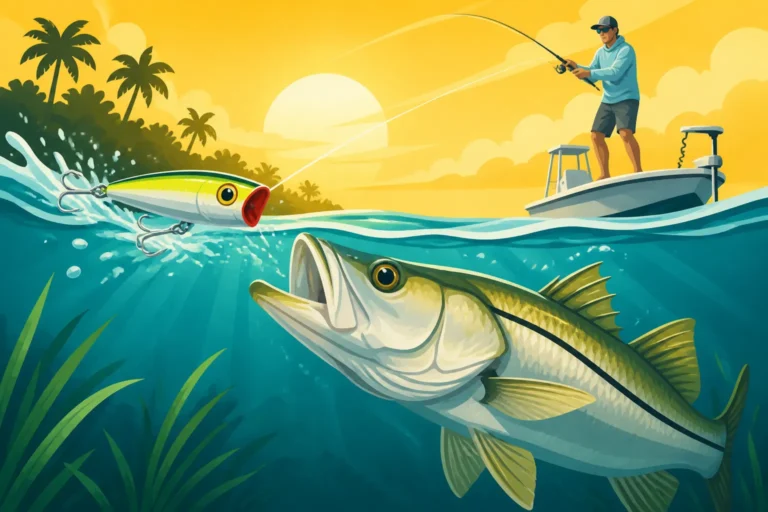
There’s nothing quite like the thrill of a snook smashing your topwater lure at dawn, or feeling that powerful head shake as you battle one of Florida’s most iconic inshore species. But if you're planning a summer fishing trip to the Sunshine State, a common question often pops up: is Florida snook season closed in summer? It’s a crucial detail that can make or break your plans, and understanding the nuances of these regulations is key to a legal and ethical fishing experience. This guide will walk you through the specific summer closures, why they're in place, and what you can do to still enjoy targeting these incredible fish responsibly.
Understanding Florida's Snook Regulations
Florida's snook population is a treasure, and keeping it healthy requires careful management. The Florida Fish and Wildlife Conservation Commission (FWC) works tirelessly to balance angler opportunities with conservation needs, and that’s where snook seasons, size limits, and bag limits come into play. It’s not just about stopping people from fishing; it’s about protecting the future of the species.
Why Snook Seasons Matter
Imagine a bustling city street, but instead of people, it's packed with snook, all focused on one thing: spawning. That's essentially what happens during peak breeding times. Snook seasons are strategically designed closures that aim to protect these fish when they are most vulnerable. During their spawning aggregations, snook gather in large numbers, often around passes, inlets, and nearshore reefs. This concentration makes them incredibly easy to target, leading to potential overfishing if left unchecked.
The FWC uses these closed seasons to give snook a much-needed break from fishing pressure, allowing them to reproduce successfully without the added stress of being caught and released repeatedly, or worse, harvested when their population is at its most delicate stage. Protecting these spawning periods ensures that there will be healthy numbers of snook for generations to come, much like how specific hunting seasons are implemented for deer or turkey to maintain a healthy population.
How Regulations Protect Snook
Beyond just seasonal closures, a comprehensive set of rules helps safeguard snook. These include strict size and slot limits, which dictate the minimum and maximum lengths of snook you can legally keep. For example, the current slot limit ensures that only snook of a certain size range can be harvested, protecting both the smaller, immature fish and the larger, more prolific breeders. You can dive deeper into these specifics in our detailed guide on Florida Snook Slot Limit Explained.
Additionally, there are bag limits, restricting the number of snook an angler can keep per day. These measures, combined with seasonal closures, create a multi-layered approach to conservation. The FWC continually monitors snook populations and adjusts these regulations as needed, using scientific data to make informed decisions. Sometimes, specific gear restrictions, such as encouraging circle hooks over treble hooks, are also recommended or mandated to reduce harm to fish, especially during catch-and-release efforts. All these rules, including those for other species, are thoroughly outlined in the general Florida Fishing Regulations and Bag Limits.
Is Snook Season Closed in Summer? The Short Answer
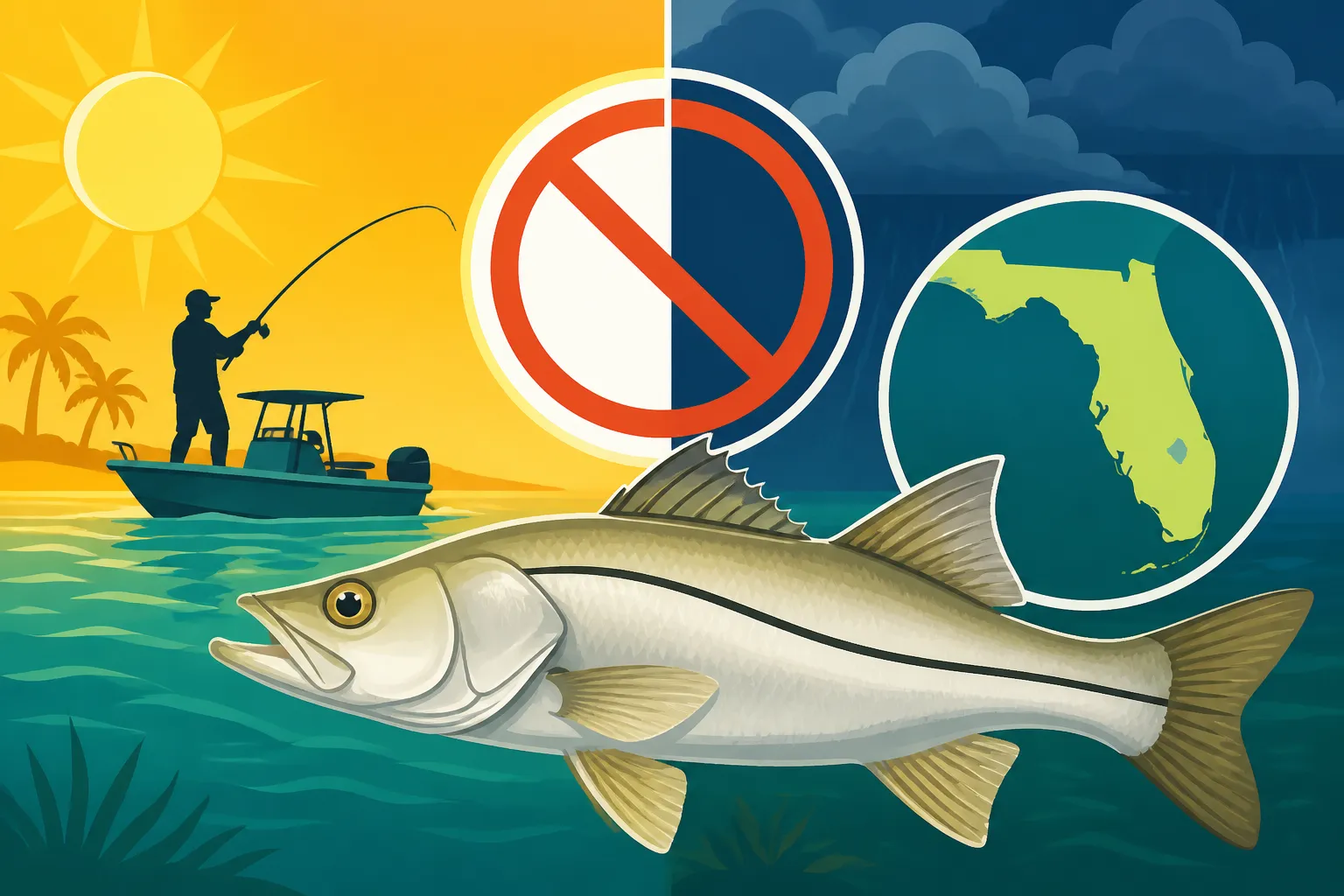
So, let's get right to it: yes, generally speaking, Florida snook season is indeed closed during parts of the summer months, but it's important to remember that these closures can differ between the Gulf Coast and the Atlantic Coast. It's not a statewide blanket closure for the entire summer, which can sometimes lead to confusion.
Regional Differences in Snook Seasons
Florida is a long state with varied marine environments, and snook behavior can differ slightly from one coast to the other. This is why the FWC has implemented regional management zones for snook. What applies to the Gulf of Mexico side might not be exactly the same for the Atlantic side. These regional rules are put in place because snook populations and spawning patterns can be influenced by local water temperatures, currents, and habitat availability. Understanding these geographical distinctions is vital for any angler, especially if you plan to fish across different parts of the state. For a more comprehensive look at these area-specific regulations, check out Florida Snook Season Closures by Region.
General Summer Closure Periods
On the Gulf Coast of Florida, which includes state waters from the Pasco-Hernando county line south to Gordon Pass in Collier County, the snook season is typically closed during May, June, July, and August. This means that for the heart of summer, from early May through the end of August, you cannot harvest snook in most of the Gulf.
On the Atlantic Coast, which covers state waters north of the Miami-Dade/Monroe county line, snook season is generally closed for a portion of the summer, specifically from June 1st through August 31st. This closure follows a spring opening that allows for some harvest before the peak summer spawning activity.
These closures are not arbitrary; they are timed to coincide with the peak spawning months for snook in each respective region, ensuring maximum protection when these fish are most vulnerable and concentrated.
Delving Deeper into Specific Summer Snook Season Closures
Understanding the precise dates is paramount, especially when planning a trip or heading out on the water. Even being off by a day can lead to serious fines and penalties if you're caught with a snook in possession during a closed season.
Atlantic Coast Summer Snook Closures
For those fishing the Atlantic side of Florida, including popular spots like Sebastian Inlet, the Indian River Lagoon, and areas stretching south to Miami-Dade County, the summer snook closure runs from June 1st through August 31st. This three-month period is a critical time for snook on this coast. During these months, snook move from their cooler winter hideouts in canals and rivers towards the warmer, saltier waters of inlets, beaches, and nearshore reefs to spawn. This means they are often found in large, active aggregations, making them relatively easy to catch.
The closure is specifically designed to protect these large, spawning fish from harvest. Imagine trying to catch a fish that’s actively trying to reproduce; not only are they easier to catch, but removing them has a much bigger impact on the overall population. So, if you're out on the Atlantic coast in June, July, or August, any snook you catch must be immediately released, unharmed.
Gulf Coast Summer Snook Closures
Anglers on Florida's Gulf Coast, from Tampa Bay down through Southwest Florida and the Everglades, face an even longer summer closure. The snook season here is closed from May 1st through August 31st. This four-month period covers the entire span of peak spawning activity for Gulf Coast snook. This includes renowned fishing areas like Charlotte Harbor, Boca Grande, and the Ten Thousand Islands.
The Gulf's extensive network of estuaries, flats, and passes provides prime spawning grounds for snook. During these summer months, large numbers of snook gather in these areas. The longer closure on the Gulf side reflects the specific environmental conditions and spawning dynamics of snook in this region. This protection is especially vital in areas heavily impacted by residential development and increased fishing pressure. It’s a commitment to ensuring that the Gulf’s snook fishery remains robust for years to come.
Important Exceptions and Zones
While the general rules for the Atlantic and Gulf coasts cover most of Florida, there are always a few specific exceptions or zones to be aware of. For instance, Everglades National Park has its own unique set of regulations, and sometimes these can differ slightly from statewide rules. Within the park, snook is often catch-and-release only at all times, regardless of the state's open seasons, or has very specific windows.
Another important point: If a severe cold snap or other environmental event, like a prolonged red tide bloom, significantly impacts snook populations, the FWC has the authority to implement emergency closures or modify seasons to protect the fish. This happened after severe cold weather events in the past, leading to extended closures to allow the population to recover. It's a testament to the FWC's adaptive management approach. Always double-check the very latest regulations on the FWC website or app before you head out, as these can change.
Why Summer Closures Are Crucial for Snook
Understanding why these closures are in place helps anglers appreciate their importance rather than seeing them as an inconvenience. It all boils down to the snook's life cycle and their vulnerability during reproduction.
Snook Spawning Behavior
Summer is prime time for snook reproduction. As water temperatures rise, snook migrate to coastal passes, inlets, and nearshore waters with higher salinity. This is where they form large spawning aggregations, sometimes numbering in the hundreds or even thousands of fish. During these aggregations, female snook can release millions of eggs over several spawning events. The males release milt to fertilize these eggs.
This process is incredibly energy-intensive for the fish. They are focused entirely on perpetuating their species, making them less cautious and more susceptible to capture. A snook caught repeatedly during this critical period expends vital energy fighting the hook, potentially impacting its ability to spawn effectively or even survive the stress. Protecting them during this time directly contributes to a successful spawn, which means more juvenile snook growing up to become future trophy catches. This is also Why Snook Are Protected During Cold Weather is so important in winter; snook are incredibly sensitive to temperature extremes.
Environmental Factors and Vulnerability
Beyond the biological process of spawning, summer in Florida brings its own set of environmental challenges for snook. The scorching summer sun heats the shallow inshore waters, pushing water temperatures into the high 80s and even 90s Fahrenheit. Warm water holds less dissolved oxygen, which means fish are already under more environmental stress.
When a snook is caught and fought in these elevated water temperatures, it experiences immense physical exertion. The combination of low oxygen and intense struggle can significantly increase the chances of post-release mortality, even if the fish swims away seemingly fine. The stress can lead to lactic acid buildup, organ damage, or make them more susceptible to disease and predators. The summer closures aim to reduce this anthropogenic stress during a time when the fish are already facing environmental pressures and are at their biological peak for reproduction.
What to Do During Summer Snook Closures (Catch and Release)
Just because you can't harvest snook during the summer doesn't mean you can't target them! Summer can be an incredible time for catch-and-release snook fishing, offering some of the most exciting battles you'll experience. It's an opportunity to hone your skills and appreciate these magnificent fish without the pressure of filling a cooler.
Embracing Catch and Release
Catch-and-release fishing for snook during the closed season is not just allowed; it's a popular and thrilling pursuit. Many anglers specifically target snook during these months for the sheer sport of it. The snook are often more active and aggressive in the warm water, providing incredible fights. It's a fantastic way to enjoy the fishery, practice your techniques, and contribute to conservation by ensuring the fish swim away healthy to spawn again. Consider it a way to 'pay it forward' for future seasons.
Best Practices for Handling Snook
When engaging in catch-and-release for snook, especially during their vulnerable spawning season or in warm water, employing best practices is absolutely essential to ensure their survival. Here’s how you can make a difference:
- Minimize Fight Time: Use appropriate tackle that can land the fish quickly. Dragging out the fight exhausts the fish and increases stress.
- Keep Them Wet: The golden rule! Try to keep the snook in the water as much as possible, especially if you’re taking a quick photo. Their gills need water to function, and exposure to air can be very damaging.
- Use Proper Landing Gear: A rubberized landing net (like those from Frabill or similar brands) or a quality lip-gripping device (available on Amazon and at most tackle shops) can help control the fish without harming its delicate slime coat or fins. Avoid gaffs or grabbing them by the eyes or gills.
- Careful Hook Removal: Use a dehooker tool (easily found on Amazon) to quickly and cleanly remove hooks. If the hook is deeply swallowed, cut the line as close to the hook as possible rather than tearing at the fish.
- Avoid Vertical Holds: Never hold a large snook by its lip vertically. This can dislocate its jaw and damage internal organs. If you must lift it for a photo, support its belly with one hand and hold the lip with the other, keeping the fish horizontal.
- Revive Properly: If the fish seems sluggish, gently hold it upright in the water, facing into the current (or move it back and forth if there's no current), allowing water to flow over its gills until it's strong enough to swim away on its own. Don't just toss it back if it's not ready.
Adhering to these guidelines is crucial for the health of the snook population, especially during the summer. For more in-depth advice on this, refer to Catch and Release Best Practices for Snook.
Alternative Summer Targets
While snook may be catch-and-release during summer, Florida’s waters are teeming with other exciting species that are open for harvest or offer fantastic sport! Here are a few popular alternatives:
- Redfish: Often found in the same inshore habitats as snook, redfish provide an excellent fight and are typically open for harvest during much of the summer, although specific bag and slot limits apply. Our Florida Redfish Fishing Guide offers great insights.
- Spotted Seatrout: Another inshore favorite, trout are abundant throughout Florida's grass flats. They're fun to catch on light tackle and make for excellent table fare. Learn more in the Florida Spotted Seatrout Fishing Guide.
- Tarpon: Known as the "Silver King," tarpon are migratory and their peak season often coincides with early summer, especially along the Gulf Coast and in the Florida Keys. While primarily a catch-and-release species (a tarpon tag is required for harvest), the fight they offer is legendary. See Best Time of Year to Catch Tarpon in Florida.
- Mangrove Snapper: These delicious fish are often found around docks, bridges, and mangrove shorelines, offering a great fight and superb eating. They are usually open year-round with generous limits.
- Offshore Species: If you're looking to head a bit further out, summer is prime time for species like Mahi Mahi (dolphin), king mackerel, and various snapper and grouper species (check specific seasons for these). Florida Mahi Mahi Fishing Guide and Florida Grouper Fishing Guide can help you plan your offshore adventure.
Florida offers a smorgasbord of fishing opportunities, so even with snook closures, your summer angling calendar can be packed with action!
Here's a quick summary of the summer snook closures:
| Coast | Closure Period | Notes |
|---|---|---|
| Atlantic Coast | June 1st – August 31st | Covers state waters north of the Miami-Dade/Monroe county line. |
| Gulf Coast | May 1st – August 31st | Covers state waters from the Pasco-Hernando county line south to Gordon Pass in Collier County (including Everglades). |
| Harvest Status | Catch-and-Release ONLY | No snook may be harvested or possessed during these periods. |
| Primary Reason | Protect spawning aggregations | Crucial for the reproductive success and long-term health of the snook population. |
Disclaimer
Fishing regulations, including seasons, bag limits, and size limits, are subject to change by the Florida Fish and Wildlife Conservation Commission (FWC). Always verify the most current regulations directly with the FWC before engaging in any fishing activity. This article is intended for informational purposes only and should not be considered a substitute for official FWC guidelines.