Best Bait for Redfish Fishing in Florida
There's nothing quite like the thrill of targeting redfish in Florida's diverse waters, but it can be incredibly frustrating when those copper-colored beauties seem to ignore everything you throw at them. You've spent money on bait, scouted what you think are prime locations, and still, nothing. This guide is here to cut through the confusion and help you understand the absolute best baits for redfish fishing in Florida, ensuring your next outing is a resounding success.
Understanding Redfish Feeding Habits
Before we even talk about specific baits, it's crucial to get inside the head of a redfish. These fish aren't just eating randomly; they're opportunistic predators with certain preferences that change based on their environment, the season, and even the time of day. Knowing what makes them tick is half the battle won, and it helps explain why certain baits outperform others in different scenarios.
What Do Redfish Naturally Eat?
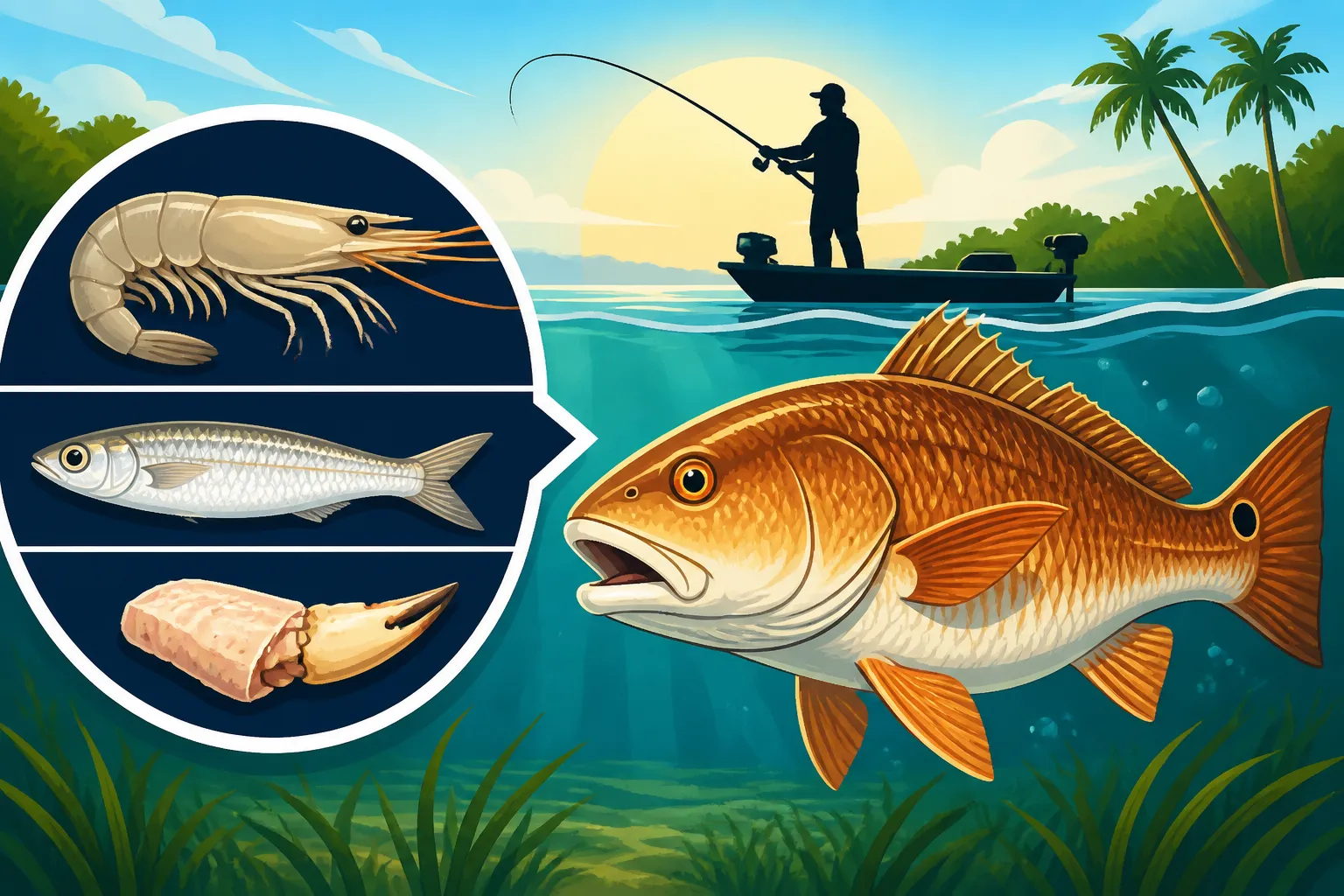
Redfish, also known as red drum, are primarily bottom feeders, and they spend a good chunk of their day rooting around in grass flats, oyster beds, and mangrove shorelines for their next meal. Their downward-pointing mouths are perfectly adapted for this lifestyle. So, what's on their natural menu? Crustaceans, like shrimp and crabs, are absolute favorites. They'll also readily slurp up a variety of small finfish such as mullet, pilchards, and pinfish. These are their staple foods, the things they encounter every single day in their natural habitat. If you're wondering What Do Redfish Eat? specifically in different environments, it really comes down to availability and ease of capture. This is why when you offer them something that mimics their natural diet, your chances of a hook-up skyrocket.
Seasonal and Environmental Influences on Diet
Just like us, redfish aren't always in the mood for the same thing. Their diet can shift significantly with the seasons and environmental conditions. For instance, during the cooler months, baitfish might be less abundant, making crustaceans an even more critical food source. Conversely, during the warmer parts of the year, particularly during their Florida Redfish Spawning Season, large schools of baitfish can be prevalent, and redfish will gorge themselves on them.
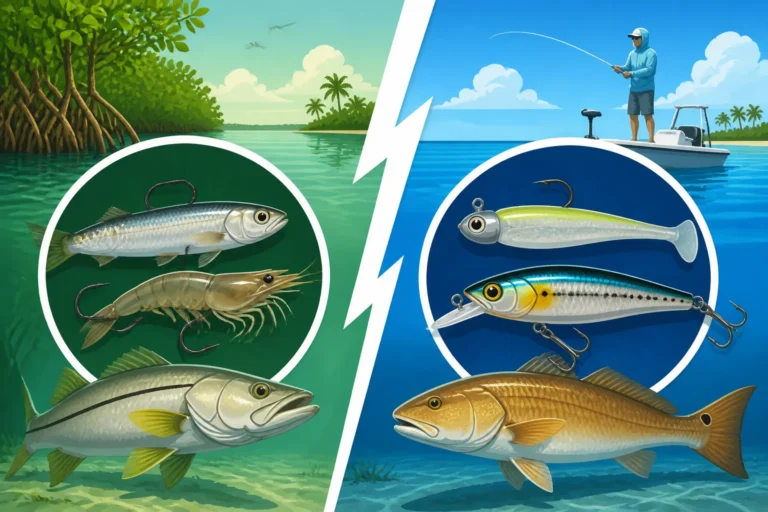
Water clarity also plays a huge role. In murky or stained water, a redfish relies heavily on its sense of smell and lateral line to find food. This is where baits with a strong scent or vibration become incredibly effective. In clear water, however, they're more visual hunters, and a realistic presentation, whether it's a live bait or a lifelike artificial, is key. Understanding these nuances will help you select the ideal bait for the conditions you're fishing.
Natural Baits That Redfish Can't Resist
When it comes to putting a bend in your rod, nothing beats the real thing for redfish. Live and cut baits leverage the redfish's natural instincts, appealing to their sight, smell, and even their lateral line. These are often the go-to choices for anglers who want consistent action.
Live Bait Powerhouses
Live bait is, hands down, one of the most effective ways to catch redfish. The natural movement and scent of a lively baitfish or crustacean are often irresistible.
- Live Shrimp: If there's a universal redfish candy, it's a live shrimp. These little guys are found in nearly every Florida estuary and are a primary food source for redfish. They're easy to rig and have a fluttering, struggling action that screams "easy meal." You can free-line them, fish them under a popping cork (which mimics the sound of feeding shrimp and fish), or even put them on a jig head. When fishing a popping cork, cast it near grass lines or oyster bars and give it a sharp pop every few seconds to create that enticing commotion. For rigging, a small circle hook (1/0 or 2/0) through the head (avoiding the vital organs) or through the tail will work wonders. Check out our guide on How to Rig a Live Shrimp for Trout – the principles apply perfectly to redfish too!
- Live Pilchards (Whitebait) & Greenbacks (Threadfin Herring): These small, oily baitfish are like crack for redfish. When redfish are actively feeding on schools of baitfish, a live pilchard or greenback is incredibly hard to beat. They cast well and, when free-lined, will swim naturally, often attracting an immediate strike. You'll typically need a cast net to catch these yourself, or you can purchase them from bait shops. A 1/0 to 3/0 circle hook through the nose or dorsal fin works best to keep them lively and swimming correctly.
- Live Pinfish & Finger Mullet: These are slightly larger, hardier baitfish that can stand up to bigger redfish. Pinfish are notorious bait stealers, but when presented live, their strong swimming action and natural appearance can trigger aggressive bites. Finger mullet, another prevalent baitfish in Florida, are also excellent choices, especially when redfish are keyed in on them. Rig them similarly to pilchards, through the nose or dorsal fin, to maximize their natural swimming motion. These baits are particularly effective in areas with stronger currents or when targeting larger, more aggressive redfish.
Cut Bait for Scent and Persistence
Sometimes, a redfish isn't actively chasing, or the water is so murky they're relying solely on scent. That's when cut bait shines. It allows a powerful scent plume to disperse, drawing in redfish from a distance.
- Cut Mullet: A classic for a reason. Mullet are plentiful, oily, and have a strong scent that redfish can't ignore. Cut them into steaks or strips, leaving some skin on to help keep it on the hook. This is a fantastic option for fishing on the bottom, especially in murky water, canals, or deeper channels. The scent trail it leaves can be incredibly effective at attracting sluggish fish. A chunk of fresh mullet on a fish-finder rig with a 3/0 to 5/0 circle hook is a deadly combination.
- Cut Ladyfish: Ladyfish, often considered a trash fish by some, are actually phenomenal bait. They're very oily, bloody, and emit a strong smell. Cut them into chunks or strips just like mullet. The tough skin helps them stay on the hook, making them a great choice for areas with strong currents or where you might have to leave the bait soaking for a while.
- Blue Crab Pieces: If you're targeting truly big redfish, especially around oyster bars or rocky areas, blue crab is a top-tier bait. Redfish absolutely love crabs. You don't need a whole crab; a half or even a quarter of a legal-sized blue crab, with the top shell removed, threaded onto a sturdy circle hook (4/0 to 6/0) will do the trick. The hard shell prevents smaller fish from pecking at it too quickly, leaving it available for a cruising bull red.
Here’s a quick comparison of some popular natural baits:
| Bait Type | Primary Appeal | Ideal Conditions | Rigging Tips | Pros | Cons |
|---|---|---|---|---|---|
| Live Shrimp | Movement, Scent | Clear/Murky Water, Flats, Docks | Popping cork, free-line, jig head | Highly effective, easy to use | Fragile, small fish can pick at it |
| Live Pilchards | Movement, Flash | Clear Water, Active Fish | Free-line, under a balloon | Extremely effective for active reds | Requires cast netting, can be delicate |
| Cut Mullet | Scent, Oil | Murky Water, Bottom Fishing | Fish-finder rig, Carolina rig | Attracts from distance, durable | Less visual appeal |
| Blue Crab (cut) | Scent, Texture | Structure, Large Redfish | Bottom rig, sturdy hook | Targets large fish, very appealing | Can be hard to source/prepare |
Top Artificial Lures for Florida Redfish
While natural bait is undeniably effective, there's a unique satisfaction in fooling a redfish with an artificial lure. Lures offer advantages like covering more water, staying on the hook longer, and appealing to the predatory instincts of redfish. Plus, once you've invested in them, they're always ready to go!
Soft Plastic Jigs and Swimbaits
Soft plastics are perhaps the most versatile and consistently productive artificial lures for redfish. They come in an endless array of shapes, sizes, and colors, allowing you to mimic virtually any baitfish or crustacean.
- Scented Shrimp Imitations (e.g., Berkley Gulp! Shrimp): These are absolute game-changers. Brands like Berkley Gulp! have created soft plastic shrimp that not only look the part but also release a powerful scent trail. Redfish often hit these with the same aggression they would a live shrimp. Rig them on a lightweight jig head (1/8 to 1/4 ounce is common for inshore) and work them slowly along the bottom, or twitch them under a popping cork. Colors like natural shrimp, white, and chartreuse are perennial favorites. You can find a huge selection of these on Amazon, making it easy to stock up before your next trip.
- Paddle Tail Swimbaits (e.g., Z-Man PaddlerZ): When redfish are chasing baitfish, a paddle tail swimbait is your best friend. The paddle tail creates a vibrant kicking action and vibration that redfish detect with their lateral line. Again, a light jig head is usually all you need. Cast them out and retrieve steadily, varying your speed to find what the fish prefer. Work them over grass flats, around oyster bars, or along mangrove edges. Natural baitfish colors like silver, white, or greenish-brown are excellent. Many anglers will also explore the wide range of soft plastic options available on Amazon to find their perfect match.
- Jerk Shads (e.g., Saltwater Assassin Sea Shad): These slender, unweighted or lightly weighted soft plastics are fantastic for mimicking wounded baitfish. Rig them on a weedless hook, or a light jig head, and twitch them erratically. The darting, erratic action often draws aggressive strikes from redfish holding tight to structure or in shallow water. They excel in sight-fishing scenarios on clear flats. Our guide on Florida Inshore Fishing Techniques offers more detailed tips on how to work these effectively.
Spoons and Spinnerbaits
Sometimes you need a little flash and vibration to get a redfish's attention, especially in stained water or when covering a lot of ground.
- Spoons (e.g., Johnson Silver Minnow): Spoons have been catching fish for generations, and for good reason. Their wobbling, flashing action perfectly imitates a wounded baitfish. They cast a mile and are surprisingly weedless, making them ideal for covering expansive grass flats. A classic gold or silver spoon in a 1/4 to 1/2 ounce size is incredibly effective. Simply cast and retrieve at a moderate speed. Redfish will often ambush them from below.
- Spinnerbaits (e.g., H&H Spinnerbait): While more commonly associated with bass fishing, saltwater spinnerbaits with their thumping blade and pulsating skirt can be deadly for redfish, particularly in murky water or around heavy cover. The blade creates a significant vibration and flash, while the skirt provides a lifelike profile. Work them slowly along the bottom or through grass beds. They are exceptionally weedless, allowing you to probe areas where other lures would snag.
Topwater Lures for Explosive Strikes
For pure excitement, nothing beats a topwater strike. When a redfish explodes on a lure fished on the surface, it's an unforgettable experience.
- "Walk-the-Dog" Lures (e.g., Heddon Super Spook, MirrOlure Top Dog): These lures require a specific retrieve technique to make them "walk" side-to-side across the surface. This erratic, wounded baitfish action drives redfish absolutely wild. They are best used during low light conditions (dawn, dusk) or on overcast days when fish are more likely to look up for food. The key is a rhythmic twitch-twitch-pause retrieve. Bone, chrome, and natural baitfish colors are popular. Many seasoned anglers will tell you that the adrenaline rush of a redfish smashing a topwater lure, readily available from retailers or on Amazon, is unmatched.
- Poppers (e.g., Rapala Skitter Pop): Poppers create a "chugging" sound and splash as you retrieve them, mimicking a struggling baitfish or a feeding event. While not as subtle as a walk-the-dog lure, the commotion can be extremely effective at calling fish up from deeper water or drawing attention in slightly choppier conditions. Vary your retrieve, sometimes a single pop and a long pause, other times a series of rapid pops.
Matching Your Bait to the Conditions
Choosing the right bait isn't just about what redfish eat; it's about matching that offering to the specific conditions you're facing on the water. A perfect bait in the wrong situation can be completely ineffective, leading to those frustrating, fishless trips.
Reading the Water and Habitat
The environment dictates what bait will be most visible, natural, and appealing to a redfish.
- Clear Water, Shallow Flats: When you can see the fish or easily spot structure, a subtle presentation is often best. Live shrimp, small pilchards, or realistic soft plastic shrimp and jerk shads are excellent choices. This is where sight fishing thrives, and your ability to accurately present the bait without spooking the fish is paramount. Check out our guide on Sight Fishing Technique for Shallow Flats for more in-depth advice. On clear days, the sun penetration can make a flashy spoon or a walk-the-dog lure too intense, leading to refusals.
- Murky or Stained Water: When visibility is low, redfish rely heavily on their lateral line and sense of smell. This is the prime time for scented soft plastics, cut bait, or lures with strong vibration like paddle tail swimbaits and spinnerbaits. The scent plume of cut mullet or a Gulp! shrimp can draw fish in from a distance, while the thumping action of a spinnerbait helps them pinpoint your offering even if they can't see it clearly.
- Heavy Structure (Mangroves, Docks, Oyster Bars): Redfish often hold tight to structure for ambush opportunities or protection. In these areas, weedless presentations are crucial. Weedless soft plastics rigged on weighted hooks or unweighted, and even spinnerbaits, allow you to work deep into the cover where the fish are hiding. Live shrimp can also be effective here, especially when free-lined close to the structure. You'll want a strong Best Rod for Inshore Fishing in Florida and a capable reel to pull fish out of these snaggy spots.
Presentation is Everything
It's not just what you use, but how you use it. A perfect bait presented poorly will yield no results.
- Mimic Natural Movement: Whether it's a live bait or an artificial lure, try to make it move like the real thing. A live shrimp should flutter and kick, not spin wildly. A soft plastic paddle tail should swim with a natural wobble, not just get reeled in straight. Study how baitfish and crabs move in the water and try to replicate that with your lure retrieve. If you’re struggling with this, consider reviewing various Florida Inshore Fishing Techniques to hone your skills.
- Slow Down and Be Patient: Redfish are not always aggressive. Often, a slow, deliberate retrieve or a subtle twitch is what it takes to trigger a strike. Don't be afraid to let your bait or lure sit for a few seconds. Many times, a redfish will pick it up on the pause. This is particularly true with cut bait; give it time to disperse its scent.
- Match the Hatch: This old adage holds true. If you see redfish busting on small baitfish, throw a small paddle tail swimbait. If you observe them tailing in shallow water, likely grubbing for crabs or shrimp, then a scented shrimp imitation or a piece of blue crab is probably your best bet. Observing what the redfish are actually feeding on in your specific location will drastically improve your success. This also goes for understanding the specific nuances of the Best Tides for Inshore Fishing in Florida, as redfish feeding patterns are highly influenced by tidal movements.
Catching redfish is one of the ultimate Florida fishing experiences, and with the right bait and presentation, you'll be well on your way to consistent success. Remember, part of the fun is experimenting and discovering what works best on any given day. And when you do land that trophy, make sure you know How to Handle a Redfish for Release to ensure future generations of anglers can enjoy these magnificent fish.
Disclaimer
Fishing conditions and regulations in Florida can change frequently. Always consult the latest Florida Fish and Wildlife Conservation Commission (FWC) guidelines before heading out on the water. This article is for informational purposes only and does not constitute official legal or safety advice.