Flamingo Everglades Fishing Guide
The vast, enigmatic expanse of the Everglades, particularly the remote outpost of Flamingo, presents a fishing experience unlike any other in Florida. Many anglers, new and seasoned, feel overwhelmed by its sheer size, diverse ecosystem, and the unique challenges it poses, often wondering where to even begin. This comprehensive guide is designed to demystify fishing in the Flamingo Everglades, offering practical advice and insider tips to help you navigate its waters and find success.
Understanding the Flamingo Everglades Environment
Fishing in Flamingo isn't just about casting a line; it's about immersing yourself in one of the most unique and protected ecosystems on the planet. This area, nestled within Everglades National Park, is where the freshwater flow from the Everglades meets the saltwater tides of Florida Bay and the Gulf of Mexico, creating a rich, brackish environment teeming with life.
The Unique Ecosystem of Florida Bay
Florida Bay is the heart of the Flamingo fishing experience. It's a vast, shallow estuary characterized by expansive grass flats, intricate mangrove shorelines, and numerous small islands known as "keys" or "points." This unique blend of habitats provides an incredible nursery ground and feeding area for a wide array of marine species. What makes it particularly special – and sometimes challenging – is its shallowness. Much of Florida Bay is only a few feet deep, making sight fishing a primary tactic and requiring careful navigation. The water clarity can vary significantly, from gin-clear on calm days to murky after strong winds or rain, directly impacting fishing conditions. This dynamic environment means you need to be adaptable, always observing the subtle changes in the water and landscape.
Navigating Florida Bay demands respect for its fragile ecosystem. The seagrass beds are vital, providing food and shelter for countless species. Prop scarring from careless boating can cause long-term damage, so understanding how to operate in shallow water is paramount. Always be aware of no-motor zones and idle speed areas, which are strictly enforced to protect these habitats. The sheer remoteness here means that any environmental impact can have far-reaching consequences, making conservation an integral part of every fishing trip.
Freshwater vs. Saltwater Influence
The Everglades is a "river of grass" flowing south, and while Flamingo is predominantly a saltwater destination, the freshwater influx plays a crucial role. This mix creates a brackish zone that many species thrive in, particularly those like snook and redfish, which are incredibly tolerant of varying salinities. You might find saltwater species pushing far up into the creeks and rivers that feed into the bay, especially during periods of lower salinity, or freshwater species making their way closer to the bay during high freshwater flows.
Understanding this dynamic is key to locating fish. For example, after a heavy rain, the freshwater runoff might push fish out of certain areas of the creeks and into the slightly more saline bay, or vice versa. Conversely, during dry spells, higher salinity might draw more traditional saltwater species further inland. This blending of waters means you often encounter a wider variety of fish than you would in a purely freshwater or saltwater environment. It’s a constant dance between the two, influencing everything from water temperature to the type of baitfish present, ultimately dictating where your target species will be found.
Navigational Challenges and Considerations
Flamingo's waters are beautiful but can be incredibly tricky to navigate. Shallow water is the norm, and unmarked obstacles like oyster bars, rock formations, and even fallen mangrove branches lurk just beneath the surface. A good GPS unit with up-to-date charts is absolutely essential, but even then, local knowledge and a sharp eye are invaluable. Many areas are inaccessible to larger boats, making shallow-draft vessels like skiffs, kayaks, or canoes the preferred modes of transport. Running aground is not just an inconvenience; it can be dangerous in remote areas and severely damage the delicate seagrass beds.
The tides, while not as dramatic as in some other coastal areas, still have a significant impact on water levels and fish movement, especially in the shallower sections. Strong winds can quickly turn calm flats into choppy, difficult-to-traverse waters, making long runs uncomfortable and even unsafe for smaller boats. Always check the marine forecast before heading out, and be prepared for sudden changes in weather. Cell service can be spotty or non-existent in many parts of the park, so a satellite communication device or a VHF radio is a wise safety precaution. This unique blend of remoteness and ecological sensitivity means preparation and respect for the environment are paramount.
Prime Fish Species to Target in Flamingo
Flamingo is renowned for its incredible inshore fishing, offering anglers the chance to target some of Florida's most iconic and sought-after species. The diverse habitats of Florida Bay provide a perfect home for a thriving fishery.
Snook and Redfish: The Inshore Stars
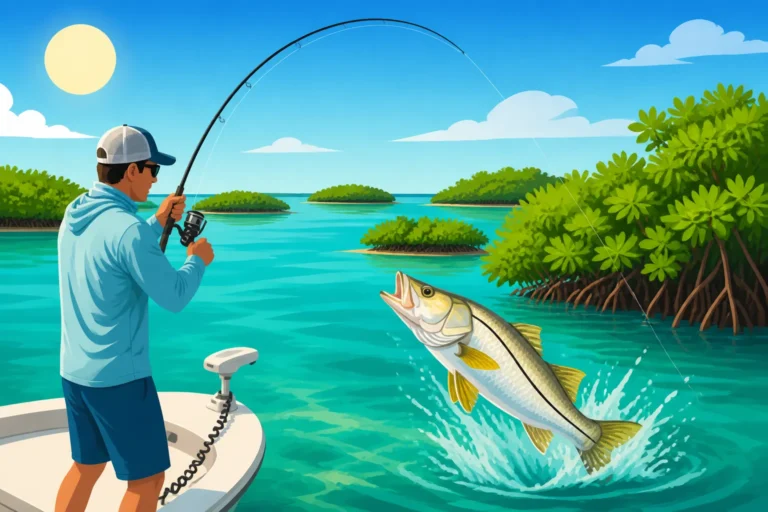
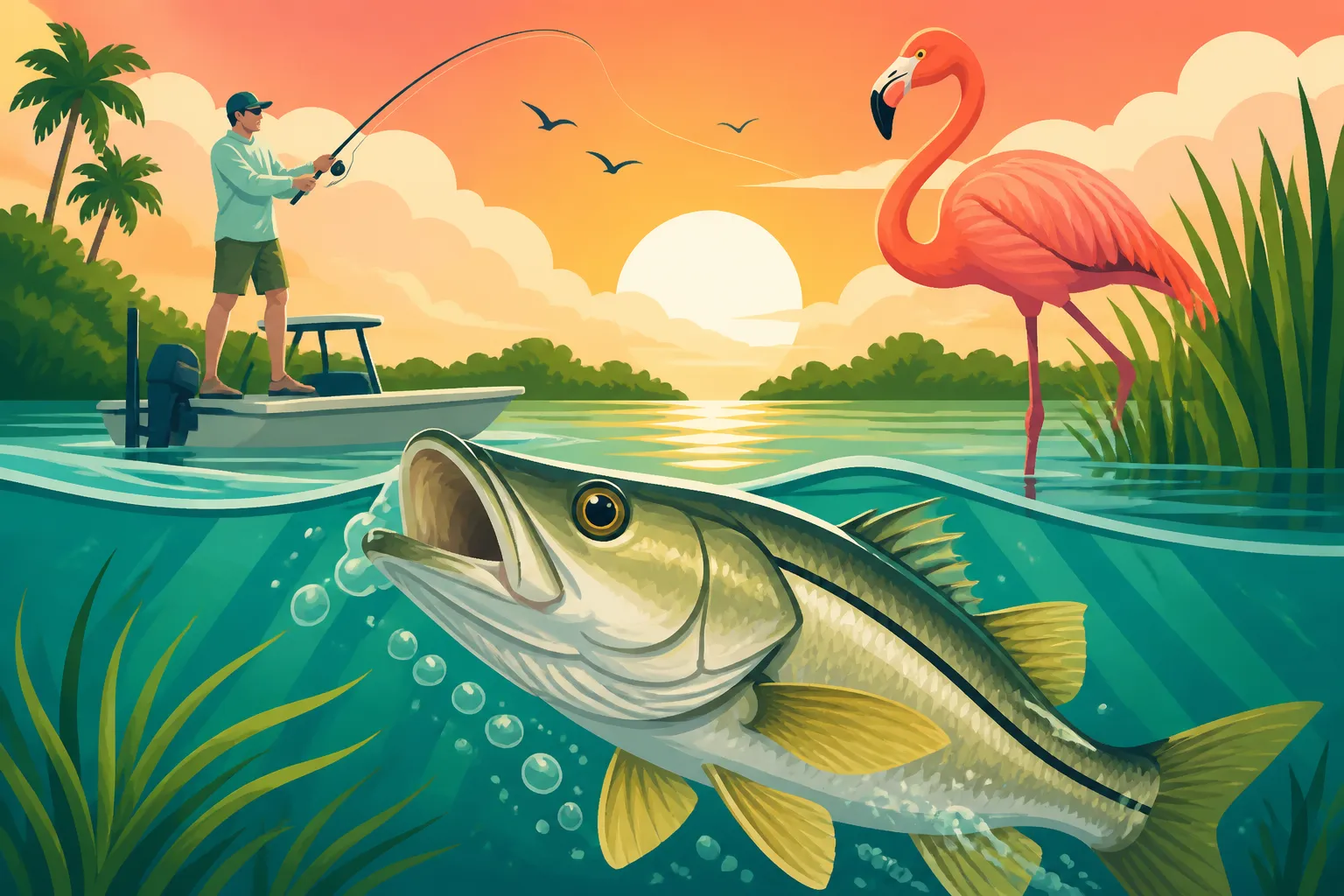
When you talk about fishing in Flamingo, snook and redfish are often the first species that come to mind. These two are the undisputed inshore stars, revered for their aggressive strikes, powerful fights, and stunning beauty. Snook, identifiable by their prominent black lateral line, are ambush predators that love to hide along mangrove shorelines, fallen trees, and oyster bars, waiting for unsuspecting baitfish. Their fighting spirit is legendary, often resulting in acrobatic jumps and strong runs into cover. Targeting snook requires precision casting and an understanding of their ambush points. During cooler months, they might move into deeper channels, while in warmer times, they're often right up against the mangroves. Remember to check the Florida Snook Season Guide for current regulations.
Redfish, with their distinctive tail spots, are equally popular. They are often found tailing in shallow water as they root through grass flats for crabs and shrimp, making them a prime target for sight fishing. Schools of redfish can be found patrolling the edges of grass beds, around islands, and in the mouths of creeks. They hit hard and fight with strong, bulldogging runs, often trying to rub their faces on the bottom to dislodge the hook. Both snook and redfish are incredibly sensitive to water temperature and salinity, so understanding the prevailing conditions is key to locating them. Many anglers find the challenge of catching a "Everglades slam" – a snook, redfish, and seatrout in one day – to be the ultimate goal in these waters. For more detailed information, consider reading our Florida Redfish Fishing Guide.
Tarpon: The Silver King's Domain
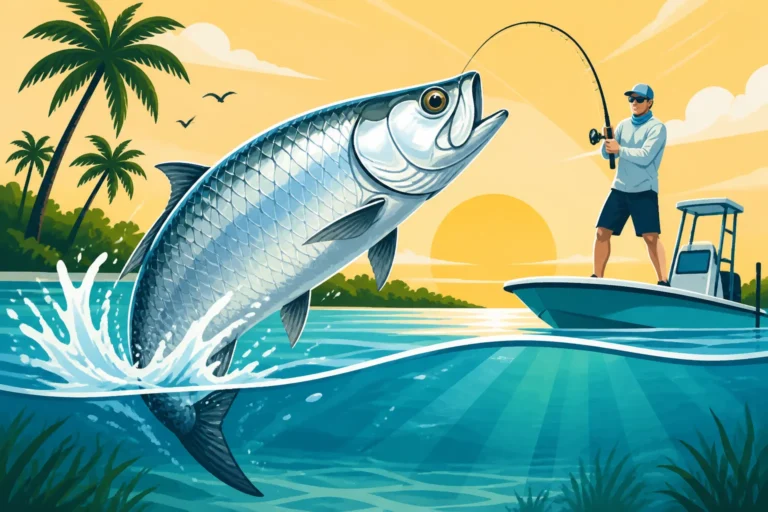
While snook and redfish dominate the shallow flats, tarpon, the magnificent "Silver King," are also a major draw to the Flamingo region, especially during their migratory periods. These impressive game fish are known for their incredible size, spectacular aerial displays when hooked, and unwavering power. Juvenile tarpon can be found year-round in the deeper creeks and channels of the Everglades, often rolling on the surface to gulp air. However, the true spectacle occurs during the spring and summer months when larger, migratory tarpon move into Florida Bay and the surrounding areas, following baitfish and seeking warmer waters.
Targeting tarpon is a commitment. It often involves long hours of searching, sight casting to individual fish or small schools, and then enduring an epic battle once hooked. They demand heavy tackle and strong leaders, as their abrasive mouths and powerful runs can quickly chafe through lighter lines. Fly anglers particularly cherish the opportunity to present a fly to a cruising tarpon on the flats, a true test of skill and patience. While challenging, the reward of landing, or even just hooking, one of these prehistoric giants in the wild setting of the Everglades is an unforgettable experience. Be sure to consult the Florida Tarpon Fishing Season Guide to understand the best times and regulations for pursuing these magnificent fish.
Seatrout and Other Bay Favorites
Beyond the big three, Florida Bay around Flamingo is home to a robust population of spotted seatrout, a beloved species for their consistent action and delicious table fare. Seatrout are typically found over seagrass beds, especially those with sandy potholes, where they ambush small baitfish and shrimp. They are often caught using a variety of methods, from popping corks with live shrimp to soft plastic jigs retrieved slowly across the bottom. While not as flashy fighters as snook or tarpon, they provide steady entertainment and are an excellent target for anglers of all skill levels. They also make for a fantastic dinner!
In addition to seatrout, you can encounter other fascinating species that round out the Flamingo fishing experience. Black drum, often mistaken for redfish due to their similar body shape, are common around oyster bars and deeper channels, especially those with muddy bottoms. Sheepshead, with their distinctive human-like teeth, are notorious bait stealers but offer a fun challenge around pilings, rocks, and oyster beds. Mangrove snapper are also abundant, found in the shade of mangrove roots and around structure, offering a feisty fight on light tackle. These diverse species ensure there's always something biting, adding variety and excitement to every trip.
Essential Gear and Tackle for Flamingo Fishing
Having the right gear is paramount for a successful and enjoyable fishing trip in the Flamingo Everglades. The environment is demanding, and your tackle needs to be up to the task of battling strong fish in often challenging conditions.
Rods, Reels, and Line Choices
For most inshore fishing in Flamingo, a medium-heavy spinning rod between 7 to 7.5 feet is a versatile choice. This length provides excellent casting distance for reaching distant mangroves or wary fish on the flats, while still offering enough leverage to steer a strong snook away from cover. Pair this with a 3000-4000 series saltwater spinning reel, known for its smooth drag and sufficient line capacity. Brands like Shimano, Daiwa, and Penn offer reliable options that can withstand the corrosive saltwater environment. For line, 10-15 lb braided line is generally preferred for its strength, sensitivity, and minimal stretch, allowing for better hook sets and feel for subtle bites. The lack of stretch is particularly useful when fishing near heavy cover.
However, the real secret weapon in Florida Bay is a fluorocarbon leader. A 20-30 lb fluorocarbon leader, typically 2-3 feet long, should be tied to your main braided line. Fluorocarbon is nearly invisible underwater, making it less detectable to wary fish, and it's also highly abrasion-resistant, crucial when fish try to rub you off on mangrove roots or oyster shells. For targeting larger tarpon, you'll want to step up to a heavier setup – a beefier 7-foot heavy spinning or casting rod, a 5000-6000 series reel, 30-50 lb braid, and a 60-80 lb fluorocarbon leader. For fly anglers, 8-10 weight rods are standard for snook and redfish, while a 10-12 weight is necessary for tarpon. The right combination ensures you're prepared for whatever bites.
Baits and Lures for Success
When it comes to baits and lures in Flamingo, versatility is your friend. Live bait is often the most effective, especially for finicky fish. Live shrimp, readily available at many bait shops before you enter the park (there are none in Flamingo itself), are a universal go-to bait for almost any inshore species. They can be fished under a popping cork or free-lined. Pilchards, mullet, and pinfish, if you can net them yourself or buy them, are also excellent choices for larger snook, redfish, and tarpon. A good baitwell is crucial to keep your live bait fresh throughout the day.
For artificial lures, a variety of options will cover most situations. Soft plastic jerkbaits, such as those made by Z-Man or Berkley Gulp!, rigged on a weighted jig head (1/8 to 1/4 ounce), are incredibly effective for mimicking fleeing baitfish or shrimp. Colors like white, chartreuse, and natural baitfish patterns are popular. Topwater lures, like Heddon Super Spooks or MirrOlure MirrOProps, create enticing commotion on the surface and are deadly for snook and redfish, especially during low light conditions. Suspending or shallow-diving twitchbaits (e.g., MirrOlure MirrOdine) are also excellent for probing mangrove edges or grass flats. When it comes to presentation, remember that often, a slower, more deliberate retrieve works best, allowing the fish time to locate and strike your offering. Our guide on Best Live Bait for Florida Inshore Fishing offers more helpful tips.
Kayaks, Skiffs, and Boat Considerations
The shallow nature of Florida Bay means that traditional deep-V boats are often impractical and can cause significant environmental damage. The ideal vessel for Flamingo fishing is a shallow-draft skiff or a technical poling skiff. These boats are designed to operate in mere inches of water, allowing anglers to access remote flats and mangrove creeks where larger boats simply cannot go. They are usually powered by small outboard motors, often with jack plates for propeller height adjustment, and are equipped with trolling motors for silent approach once in prime fishing areas. For serious sight fishing, a poling platform on the stern allows the captain to spot fish from a higher vantage point.
For the adventurous angler, kayaks and canoes are exceptional tools for exploring the Everglades. Their stealth, ability to navigate extremely shallow water, and minimal environmental impact make them perfect for penetrating deep into mangrove tunnels and isolated ponds. A paddle kayak or pedal-driven kayak can get you into spots where even the shallowest skiffs can't reach, offering an unparalleled sense of solitude and connection with nature. Just be sure to bring plenty of water, sun protection, and a reliable way to communicate for safety, as you'll be venturing into truly wild country.
Best Fishing Techniques and Strategies for Flamingo
Fishing in the Flamingo Everglades is less about brute force and more about finesse, observation, and understanding the subtle cues of this unique environment. Adapting your techniques to the conditions is key to success.
Sight Fishing the Shallow Flats
Sight fishing is arguably the most exciting and rewarding technique in Flamingo, particularly on the vast, clear shallow flats of Florida Bay. This method involves spotting fish before you cast to them, allowing for a more precise presentation and increasing your chances of a strike. It requires patience, a keen eye, and polarized sunglasses to cut through the glare on the water's surface. Anglers typically stand on a poling platform or the bow of a shallow-draft skiff, scanning the water for telltale signs of fish: a dark "shadow" moving across the light bottom, a "tailing" redfish with its tail sticking out of the water as it feeds, or the subtle flash of a snook hiding near a mangrove root.
Once a fish is spotted, a precise, quiet cast is critical. The goal is to present your lure or bait a few feet in front of the fish's path, allowing it to swim into the strike zone naturally without being spooked. Long, accurate casts are essential. Many anglers practice casting drills to improve their accuracy and reduce false casts, which can alarm wary fish. The beauty of sight fishing is the direct interaction: you see the fish, make your move, and often witness the strike unfold before your eyes. It's an active, engaging form of fishing that truly connects you to the environment and its inhabitants.
Mangrove Edge Tactics
The dense, intricate network of mangrove shorelines is a defining feature of the Flamingo landscape and a primary habitat for snook, redfish, and mangrove snapper. These twisted root systems provide excellent ambush points, shade from the intense Florida sun, and protection from predators. Fishing the mangrove edges effectively requires accurate casting to place your lure or bait as close to the cover as possible, without getting tangled in the roots. Many experienced anglers will talk about "skipping" lures under low-hanging branches, a technique that allows for maximum penetration into the fish's hiding spots.
The best approach often involves slowly working your way along a mangrove line, making multiple casts to each promising section. Look for areas with deeper pockets, points, or fallen trees, as these often hold the most fish. On an incoming tide, fish might push right up into the roots, while on an outgoing tide, they may position themselves at the mouths of small creeks or along current breaks to ambush bait being flushed out. Live bait, like a free-lined shrimp, can be incredibly effective when drifted naturally along these edges. Artificial lures, such as soft plastic paddletails or suspending twitchbaits, are also excellent for working these tight quarters. The key is to be persistent and precise, knowing that a monster snook could be lurking in any shadowed crevice.
Tides, Weather, and Time of Day
Understanding how tides, weather, and time of day influence fish behavior is paramount in Flamingo. While Florida Bay's tides aren't as strong as in some other coastal areas, they still create critical current flows that move bait and position fish. An incoming tide often pushes baitfish and shrimp onto the flats and into mangrove creeks, making fish more active as they feed. An outgoing tide can concentrate bait and fish at pinch points, creek mouths, or deeper channels as the water recedes. Knowing how to Read a Tide Chart for Fishing will give you a significant advantage.
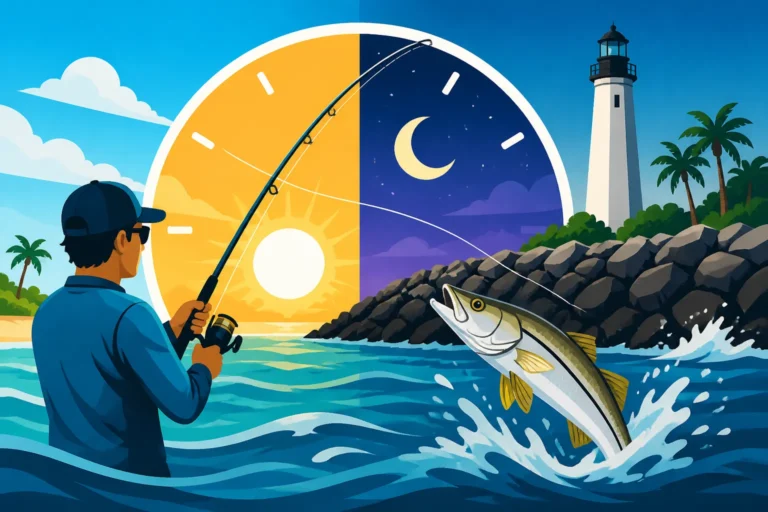
Weather conditions also play a huge role. Calm, sunny days are perfect for sight fishing, but bright sun can also make fish wary and push them into deeper water or heavier cover during midday. Overcast skies can improve fishing throughout the day, as fish feel more comfortable moving around the flats. Wind can be a blessing and a curse; a light breeze can ripple the water's surface, making it harder for fish to spot you, but strong winds can make casting difficult and churn up the shallow water, reducing visibility. As for time of day, early morning and late afternoon are often the most productive, offering cooler temperatures and lower light, which many species prefer for active feeding. Fishing during a full moon or new moon can also influence tides and fish activity, sometimes leading to epic bites. Our comprehensive guide on the Best Time of Year to Fish in Florida provides more insights.
Navigating Regulations and Conservation in Everglades National Park
Fishing in Flamingo isn't just a recreational activity; it's a privilege within a protected national park. Adhering to regulations and practicing responsible conservation is not only legally required but essential for preserving this unique ecosystem for future generations.
Licenses and Permits Required
Even within the boundaries of Everglades National Park, all anglers are required to possess a valid Florida fishing license. Given that Flamingo is primarily a saltwater fishing destination, you will specifically need a Florida Saltwater Fishing License Rules unless you fall under specific exemption categories. It's crucial to understand that even if you're on a charter boat, while the vessel might have a blanket license, individual anglers often need their own, so always clarify with your captain. There are no special permits required specifically for fishing within Everglades National Park beyond the standard Florida fishing licenses, but you will need to pay the park entrance fee to access the Flamingo area.
Purchasing your license is straightforward and can be done online through the Florida Fish and Wildlife Conservation Commission (FWC) website, over the phone, or in person at various retailers like tackle shops and Walmart. It's highly recommended to obtain your license before arriving at Flamingo, as facilities there are limited, and cell service for online purchases can be unreliable. Always carry proof of your license, either a physical copy or a digital one on your phone, as park rangers and FWC officers do conduct checks. Failing to have a proper license can result in significant fines and legal trouble, so ensure you're fully compliant before casting a line. You can find more information in our Florida Fishing License Guide.
Bag Limits and Size Restrictions
Florida has strict bag limits and size restrictions for various species, designed to protect fish populations and ensure sustainable fishing. These regulations apply fully within Everglades National Park. For popular species like snook, redfish, and spotted seatrout, there are specific "slot limits" – meaning fish must fall within a minimum and maximum length to be legally harvested. For example, snook often have a slot limit, and exceeding or falling below it means the fish must be immediately released. Redfish also have similar slot limits and daily bag limits, which can sometimes vary by region.
It is absolutely vital to know and understand these rules before you start fishing. Regulations can change seasonally or in response to biological data, so always check the latest FWC guidelines. Having a measuring device on your boat and being able to quickly and accurately measure your catch is essential. Ignorance of the law is not an excuse. FWC officers regularly patrol the waters around Flamingo, and they take violations seriously. The consequences for violating bag and size limits can include hefty fines, confiscation of gear, and even criminal charges, so always err on the side of caution. Our Florida Fishing Regulations and Bag Limits provides a comprehensive overview.
Catch and Release Best Practices
Due to its status as a national park and the importance of conservation, much of the fishing in Flamingo, especially for trophy fish or species currently out of season or slot, is practiced on a catch-and-release basis. Even when within legal limits, many anglers choose to release their catch to help maintain healthy fish populations. Practicing proper catch and release techniques is critical to ensuring the survival of the fish after it's released.
Here are some key practices:
- Minimize Fight Time: Land the fish as quickly as possible to reduce stress.
- Handle with Care: Support the fish horizontally, especially larger ones, to avoid damaging internal organs. Avoid holding fish by the gills or vertically by the jaw.
- Wet Hands: Always wet your hands before touching a fish to protect its protective slime coat.
- Dehooking Tools: Use pliers or a dehooking tool to quickly remove hooks. Barbless hooks can make this process even easier.
- Revive If Necessary: If a fish is lethargic, hold it gently in the water, facing into the current, until it regains strength and can swim away on its own.
- Avoid the Camera Delay: While everyone loves a photo, prioritize the fish's health. Get your shot quickly and release the fish promptly.
These practices, especially for sensitive species like snook and tarpon, significantly increase their chances of survival. Being a responsible angler contributes directly to the long-term health of the Everglades fishery. For more information, check out our guide on Catch and Release Best Practices for Snook.
| Species | Primary Habitat | Best Baits / Lures | Typical Size Range (Catch & Release Focus) |
|---|---|---|---|
| Snook | Mangrove edges, fallen trees, current breaks | Live shrimp, pilchards, soft plastic jerkbaits, topwater | 20-40 inches |
| Redfish | Shallow grass flats, oyster bars, creek mouths | Live shrimp, crabs, soft plastic paddletails, spoons | 18-30 inches |
| Tarpon | Deeper channels, creeks, open bay (migratory) | Live mullet, pinfish, large flies, artificial swimbaits | 40-80+ inches |
| Spotted Seatrout | Seagrass beds, sandy potholes, open bay | Live shrimp under popping cork, soft plastic jigs | 12-25 inches |
| Mangrove Snapper | Mangrove roots, structure, deeper channels | Live shrimp, small pieces of cut bait, small jigs | 10-18 inches |
| Black Drum | Muddy bottoms, oyster bars, deeper channels | Live shrimp, pieces of blue crab, cut bait | 15-30 inches |
Planning Your Flamingo Fishing Trip
A trip to Flamingo isn't your average fishing excursion; it requires a bit more planning due to its remote location and protected status within Everglades National Park. But with a little preparation, you can ensure a smooth and memorable experience.
Hiring a Local Guide
For many anglers, especially those visiting Flamingo for the first time, hiring a local fishing guide is highly recommended. The Everglades system is vast and complex, and its nuances—from subtle changes in water depth to the movements of specific fish species—are best understood by those who navigate it daily. A skilled Florida Fishing Charter Guide not only knows where the fish are but also understands the ever-changing conditions, the best techniques for the day, and how to safely navigate the challenging waters. They often provide all the necessary tackle, bait, and most importantly, a boat specifically designed for shallow-water access.
A good guide will enhance your experience by teaching you about the ecosystem, spotting fish you might miss, and improving your casting and retrieval techniques. They also ensure you're fishing within all park and FWC regulations, taking the guesswork out of compliance. When choosing a guide, look for those with extensive experience specifically in the Flamingo area. Online platforms like FishingBooker can be a great resource to find reputable guides with good reviews and a track record of success in Everglades National Park. Discuss your expectations with the guide beforehand, whether you're focused on sight fishing, targeting specific species, or simply enjoying the unique environment.
Lodging and Facilities at Flamingo
Flamingo is a very remote outpost within Everglades National Park, meaning facilities are limited but have seen some recent improvements. For lodging, options include the Flamingo Lodge and Marina, which offers eco-friendly rooms and cottages, or camping at the Flamingo Campground, which provides both developed and primitive sites. The Lodge is a great option for those seeking comfort after a long day on the water, while camping offers a more immersive, rustic experience with nature. Both offer access to the marina store for basic supplies, fuel, and last-minute tackle needs. It's crucial to book accommodations well in advance, especially during peak fishing seasons, as availability can be scarce.
Beyond lodging, the Flamingo marina offers boat ramp access, fuel, and a small shop with snacks, drinks, and some fishing essentials. However, don't expect a full-service tackle shop or grocery store. It's always best to bring the majority of your food, drinks, and any specialized fishing gear from Homestead or Florida City before entering the park. Basic services are available, but convenience store prices apply. Remember, you are in a national park, so services are designed to be minimal to preserve the natural setting. Being prepared with your own supplies will ensure you don't face any unexpected shortages.
Safety Tips and Wildlife Encounters
Safety is paramount when fishing in the Flamingo Everglades. This is a wild, remote area, and preparedness is key. Always file a float plan with someone reliable, letting them know where you're going and when you expect to return. Ensure your boat is in good working order, with all required safety gear including life jackets for everyone on board, a first-aid kit, and signaling devices. As mentioned earlier, cell service is unreliable, so a VHF radio or satellite messenger is a crucial safety tool. Bring plenty of water, sunscreen, bug spray (the mosquitoes can be legendary, especially in warmer months!), and adequate sun protection like hats and long-sleeved shirts.
Wildlife encounters are a certainty, and part of the magic of the Everglades. You will likely see alligators and crocodiles (the only place they coexist in the wild!), various wading birds, manatees, and perhaps even a Florida panther or black bear on land. Always maintain a respectful distance from wildlife. Never feed alligators or other animals, as this can make them accustomed to humans and dangerous. Be mindful of snakes and other potentially venomous creatures, especially when walking in tall grass or near dense vegetation. The Everglades is a beautiful but untamed wilderness, and appreciating it safely means respecting its inhabitants and its challenges.
Disclaimer
Please remember that fishing regulations, including license requirements, bag limits, and size restrictions, are subject to change by the Florida Fish and Wildlife Conservation Commission (FWC) and Everglades National Park. Always consult the latest official FWC regulations and park guidelines before your trip to ensure compliance. This guide is for informational purposes only and does not constitute legal advice.