Best Spots to Fish From a Kayak in Florida
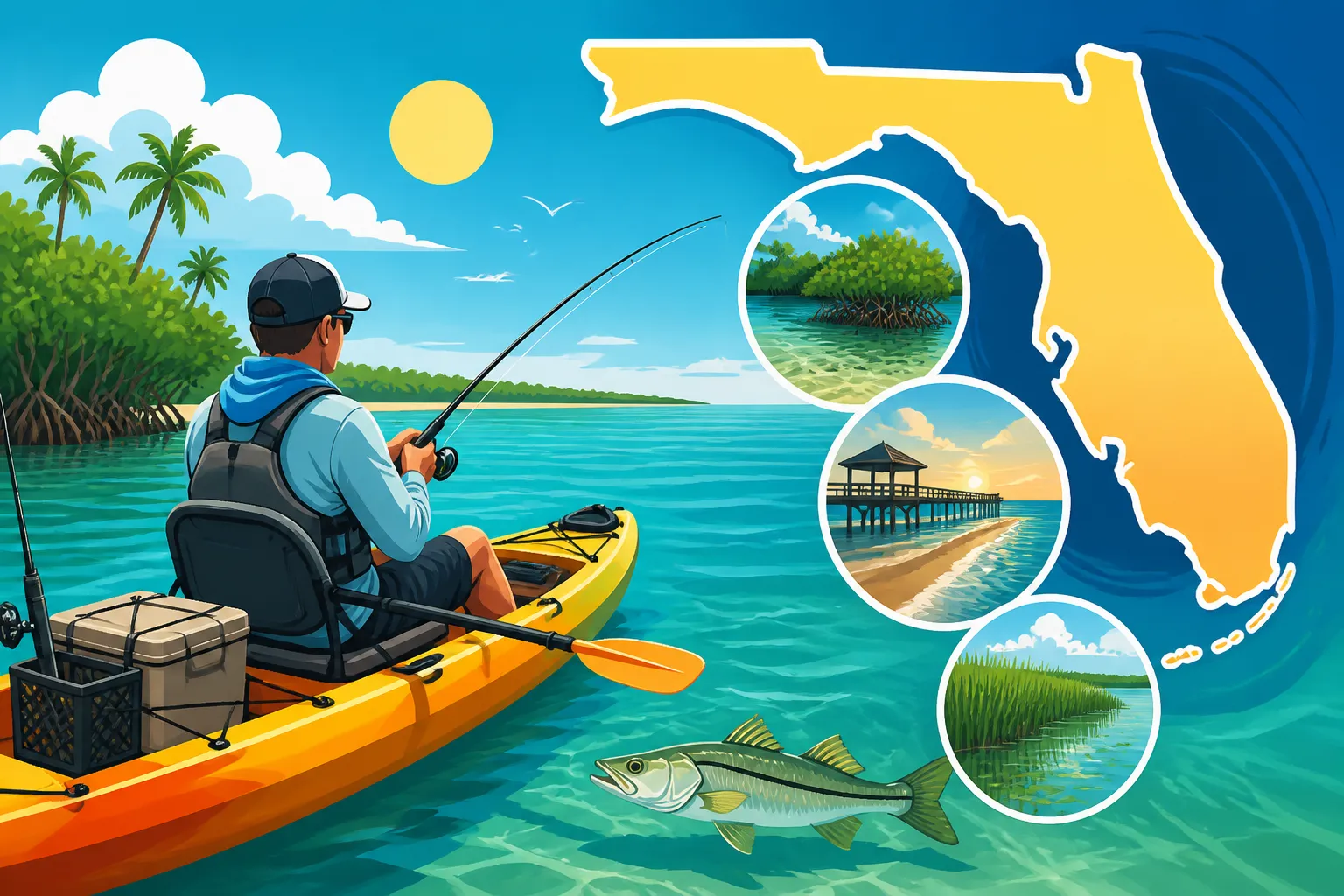
For anyone who dreams of silently gliding through crystal-clear flats or paddling through serene freshwater lakes, kayak fishing in Florida offers an unparalleled experience. However, the sheer vastness and variety of Florida's waterways can feel utterly overwhelming when you're trying to figure out where to even begin. You want to avoid wasting precious time and effort in unproductive areas or, worse, putting yourself in a tricky situation due to strong currents or boat traffic. This comprehensive guide is designed to cut through that confusion, meticulously detailing some of the best kayak fishing spots across the Sunshine State, providing insights into their unique characteristics, target species, and practical tips to maximize your angling success from the seat of your paddlecraft.
The Allure of Kayak Fishing in Florida's Waters
There's something uniquely satisfying about launching a kayak into a glassy flat at sunrise, the paddle barely disturbing the water, knowing you're about to access spots that larger boats simply can't reach. Florida, with its intricate network of estuaries, shallow bays, meandering rivers, and expansive lakes, is practically custom-built for kayak anglers. It's a connection to the environment that's hard to replicate with a noisy outboard motor, offering a tranquility and challenge that keeps us coming back for more.
Why Kayaks are Perfect for Florida's Diverse Ecosystems
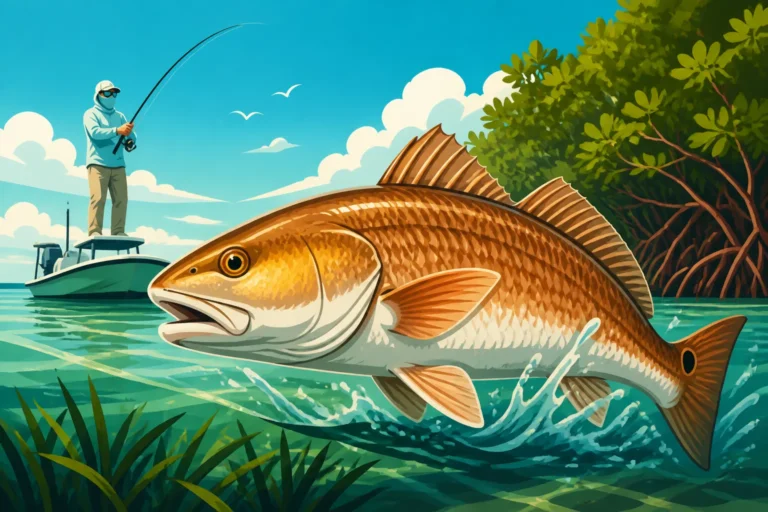
Florida's unique geography, characterized by extensive shallow water habitats like mangrove tunnels, grass flats, and countless freshwater hydrilla beds, is what makes kayak fishing here so incredibly effective. These areas, often too shallow or inaccessible for traditional powerboats, become your personal fishing grounds. The quiet stealth of a kayak allows you to approach wary fish like snook, redfish, and even schooling tarpon without spooking them, often getting you within casting distance of a trophy. Imagine paddling into a secluded cove, hearing only the birds, and then spotting a tailing redfish in water barely deep enough to cover its back – that's the magic of kayak fishing in Florida.
Beyond the stealth, kayaks also offer a low-impact way to enjoy fishing. You're not burning fuel, creating excessive wakes, or contributing to noise pollution. This makes it an environmentally friendly choice, especially in sensitive ecosystems like the Indian River Lagoon or the Everglades. It’s also incredibly cost-effective compared to owning and maintaining a powerboat, making world-class fishing accessible to a wider range of enthusiasts. Plus, the physical activity is a bonus, turning a fishing trip into a full-body workout.
Understanding Florida's Kayak Fishing Culture
Florida boasts a vibrant and passionate kayak fishing community. From organized tournaments to online forums and local meetups, there's a strong culture of sharing knowledge, tactics, and even secret spots. Many anglers find immense joy in the independent exploration that kayak fishing offers, meticulously studying charts, tides, and weather patterns to plan their next adventure. It's a hands-on approach that cultivates a deep understanding of the local environment and fish behavior.
This culture thrives on accessibility and a pioneering spirit. Many of us started with simple recreational kayaks, gradually upgrading to specialized fishing kayaks with pedal drives, sonar, and even micro-power poles as our passion grew. Companies like Hobie and Old Town have really leaned into this culture, designing boats specifically for anglers. Whether you're a solo adventurer seeking solitude or part of a group sharing tips and camaraderie, the Florida kayak fishing scene welcomes all. There's a strong emphasis on self-reliance and respecting the fragile ecosystems we explore, often promoting catch and release, especially for sensitive species.
Prime Inshore Saltwater Kayak Fishing Havens
When most people think of Florida fishing, their minds probably conjure images of vast saltwater expanses, and for good reason. Florida's coastlines offer some of the most diverse and productive inshore kayak fishing opportunities anywhere, from the crystal-clear waters of the Keys to the nutrient-rich estuaries of the Gulf and Atlantic. These areas are tailor-made for stealthy kayak approaches, allowing you to target some of the most sought-after species.
The Labyrinthine Backwaters of the Florida Keys
The Florida Keys are legendary for their fishing, and kayak anglers get to experience a truly unique side of it. While offshore charters dominate much of the Keys' fishing scene, the shallow, intricate backcountry areas are where kayak fishing truly shines. We're talking about endless flats, winding mangrove channels, and tiny islands that only a kayak can navigate. Imagine poling silently across a flat, spotting bonefish or permit tailing in inches of water, or slipping into a quiet channel to ambush a cruising tarpon. The sheer beauty of the environment alone is worth the trip, but the fishing can be absolutely world-class.
Specific areas like the flats around Islamorada or the backcountry near Key West are phenomenal. In these locations, you can find elusive species like bonefish and permit, often referred to as "ghosts of the flats," requiring incredibly precise casts and stealth. Tarpon, especially during their spring migration, frequently move through these channels and can be targeted from a kayak, offering an epic fight. Snook and redfish also inhabit the mangrove shorelines and deeper cuts. While the scenery is stunning, be aware of strong currents that can develop, especially around passes, and plan your trips around the Best Tides for Inshore Fishing in Florida to ensure safe navigation and optimal fishing. It’s a challenging but incredibly rewarding experience, truly immersing you in the heart of the Florida Keys fishing guide experience.
The Productive Grass Flats and Mangroves of Tampa Bay
Moving up the Gulf Coast, Tampa Bay stands out as one of Florida's largest and most productive estuaries, offering an abundance of opportunities for kayak anglers. The bay is characterized by vast expanses of seagrass flats, intricate mangrove shorelines, and numerous oyster bars, all teeming with baitfish and, consequently, hungry predators. It's a much different landscape than the Keys, often with murkier water, but no less exciting. The accessibility is also a huge plus, with numerous public launches around cities like St. Petersburg and Tampa.
Popular kayak fishing spots within Tampa Bay include the extensive grass flats and mangrove islands around Fort De Soto Park and Weedon Island Preserve. Here, you'll primarily target the "Big Three" inshore species: redfish, snook, and spotted seatrout. Redfish can often be found tailing in shallow water, especially on incoming tides, while snook lurk along mangrove edges and around oyster bars. Trout often congregate on the deeper grass flats. These areas are incredibly fertile, providing consistent action throughout much of the year, though you'll want to pay attention to seasonal patterns for the Florida Redfish Fishing Guide and Florida Snook Fishing Guide. The relatively protected waters of the bay also make it a great spot for beginners to hone their kayak fishing skills before venturing into more challenging environments.
The Expansive Indian River and Mosquito Lagoons
On Florida's Atlantic coast, the Indian River Lagoon system, including the Mosquito Lagoon, is often lauded as the "Redfish Capital of the World." This massive, interconnected estuary stretches for hundreds of miles, boasting expansive shallow flats, dense seagrass beds, and mangrove islands that create ideal habitat for enormous redfish and gator trout. What makes these lagoons so special for kayak anglers is the consistent presence of truly trophy-sized fish in remarkably clear, shallow water. It’s truly a sight-fishing paradise.
Specific hotspots include the waters within the Merritt Island National Wildlife Refuge and around the Blackpoint Wildlife Drive, where motorized boats are often restricted or limited, giving kayak anglers an edge. Here, you'll spend your time quietly paddling or poling, eyes peeled for the tell-tale "push" of a redfish or the subtle flash of a feeding trout. Besides the giants, snook are also prevalent, especially around creek mouths and deeper channels. While the fishing can be incredible, the lagoons have faced environmental challenges, including algae blooms and red tide events, so it’s always wise to check local conditions before planning your trip. Understanding How Red Tide Affects Fishing in Florida can help you plan your outing responsibly. Kayak anglers, in particular, can help minimize disturbance in these sensitive areas, ensuring their longevity for future generations.
Freshwater Kayak Fishing Gems Across the State
While Florida's saltwater reputation is undeniable, it would be a mistake to overlook the incredible freshwater kayak fishing opportunities it offers. From world-famous bass lakes to serene rivers, the state's interior provides a completely different, yet equally thrilling, experience for the paddle-powered angler. If you're looking to escape the saltwater spray and chase some green fish, Florida's freshwater systems are calling your name.
Central Florida's Trophy Bass Lakes
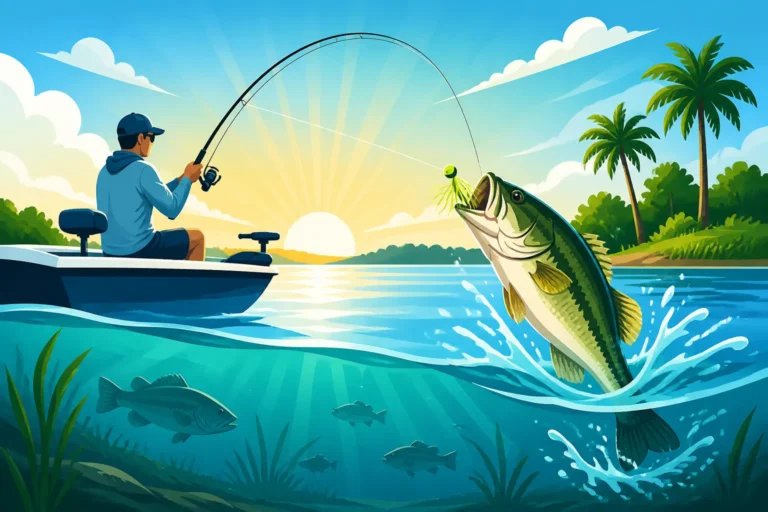
Central Florida is synonymous with trophy largemouth bass, and its interconnected chain of lakes offers unparalleled kayak fishing. These are not just any bass lakes; many of them consistently produce fish in the double digits, making them a dream destination for any dedicated bass angler. The advantage of a kayak here is the ability to navigate through dense vegetation, shallow coves, and timber-strewn areas that bass love to inhabit but are often difficult to access with larger bass boats.
Lakes like Toho, Kissimmee, and the Butler Chain of Lakes near Orlando are prime examples. On Lake Toho, for instance, you can launch your kayak and immediately find yourself amidst vast hydrilla and lily pad fields, perfect for flipping jigs or throwing topwater frogs. Understanding Florida Largemouth Bass Fishing Guide techniques will be key here. Kayaks also allow for precise presentations along sparse grass lines or into tight pockets in the vegetation, often where the biggest bass are hiding. The quiet approach of a kayak drastically increases your chances of surprising these wary giants. Many local guides, some listed on platforms like FishingBooker, also offer kayak-specific bass trips, catering to anglers who prefer this silent approach. The challenge of navigating these larger lakes in a kayak is balanced by the potential for a truly memorable catch.
The Scenic Rivers of North Florida
Further north, Florida's rivers offer a different flavor of freshwater kayak fishing, combining beautiful scenery with excellent angling. These waterways, often less developed and more wild than the central lakes, provide a sense of adventure as you paddle through lush cypress swamps and along sandy banks. The currents in these rivers can add an extra dimension to your fishing, requiring different techniques and a good understanding of riverine environments.
The upper basin of the St. Johns River, particularly sections accessible from places like Palatka or Sanford, offers fantastic opportunities for bass, sunfish (bream), and catfish. Kayak anglers can explore feeder creeks and oxbows, drifting silently with the current while casting for various species. The Suwannee River, famous for its dark, tannic water and ancient cypress trees, is another incredible destination. Here, you'll find largemouth bass, but also channel catfish, bluegill, and even striped bass in certain sections. The solitude and natural beauty of these rivers, combined with diverse fishing, make them a truly special experience for kayak anglers. Always be mindful of currents and potential submerged obstacles in these wilder waters.
Unique & Challenging Kayak Fishing Adventures
Florida's kayak fishing isn't just about serene flats or peaceful lakes; it also offers opportunities for truly unique and challenging adventures that push the boundaries of what's possible from a paddlecraft. These are the trips that create lasting memories, testing your skills and rewarding you with unparalleled experiences in some of Florida's most iconic and demanding environments.
The Untamed Wilderness of the Everglades
Fishing the Everglades from a kayak is less a trip and more an expedition into a primal, untamed wilderness. This vast "River of Grass" offers an incredible mix of freshwater and saltwater opportunities, often in the same outing, creating a truly unique angling proposition. The sheer scale and wildness of the Everglades can be intimidating, but a kayak allows you to penetrate its hidden corners, where fish often see very little pressure.
Areas like Flamingo, located in Everglades National Park, serve as excellent launching points for exploring the Ten Thousand Islands and the myriad of freshwater canals. In the brackish waters, you can target snook, redfish, and even tarpon that move between the estuaries and the Gulf. Deeper into the freshwater canals, you’ll find largemouth bass and even the exotic peacock bass near urban fringes. The challenges are significant: intense heat, mosquitoes, powerful alligators, and the sheer remoteness of the area. However, the rewards are equally great – the chance to catch multiple species in a single day, surrounded by breathtaking wildlife, far from the crowds. For those interested in this wild experience, checking out Fishing Flamingo in Everglades National Park can provide more specific insights into navigating and fishing this incredible ecosystem. Many seasoned kayak anglers consider it the pinnacle of Florida's paddle-powered fishing.
Nearshore Reefs and Piers in the Gulf and Atlantic
While kayaks are generally associated with inshore and freshwater fishing, a growing number of adventurous anglers are using them to access nearshore reefs, wrecks, and even fish near public piers in both the Gulf and Atlantic. This requires a higher level of skill, caution, and specialized gear, as you're venturing into waters with potential boat traffic and more dynamic conditions. However, the opportunity to target species normally reserved for larger boats makes the challenge worthwhile.
The trick to nearshore kayak fishing is selecting appropriate launch points and weather windows. Many anglers launch directly from beaches on calm days, paddling out to artificial reefs, rock piles, or ledges that hold snapper, small grouper, king mackerel, and cobia. Fishing near public piers, like the Pensacola Beach Pier or the Sunshine Skyway Fishing Pier, can also be incredibly productive. While fishing directly from the pier might not require a license thanks to the pier's blanket license, launching your kayak nearby and fishing off the pier's immediate structure still requires your own Florida Fishing License Guide. It's crucial to understand basic safety, including how to launch and land safely through small surf, and always be aware of boat traffic. This style of fishing combines the stealth of a kayak with the excitement of targeting powerful offshore species, making for an adrenaline-fueled experience that seasoned kayak anglers often seek.
Essential Gear and Safety for Florida Kayak Anglers
Kayak fishing in Florida is incredibly rewarding, but it's vital to be well-prepared, both in terms of your equipment and your understanding of safety protocols. The Florida environment, while beautiful, can also be unpredictable, with sudden weather changes, strong sun, and various marine life. Having the right gear and knowing how to use it safely can make the difference between a fantastic day on the water and a potentially dangerous situation.
Must-Have Kayak Fishing Equipment
Equipping your kayak properly is paramount for both comfort and safety, especially when you plan to spend hours on the water. First and foremost, a quality fishing kayak is a game-changer. While basic sit-on-tops are fine for casual paddling, dedicated fishing kayaks, often with pedal drives (like those from Hobie or Old Town) or electric motors, offer superior stability, storage, and hands-free propulsion, allowing you to focus on fishing. You’ll want a comfortable seat, as you’ll be in it for a while.
Beyond the kayak itself, a Type III PFD (Personal Flotation Device) is non-negotiable and legally required. Even if you're a strong swimmer, unexpected situations can happen. A sturdy paddle, often a spare if you have a pedal drive, is also essential. Other critical items include an anchor system (like a small grapnel or a stick anchor for shallow water), a safety whistle, and bright navigation lights if you'll be out at dawn, dusk, or night. For fishing, your Best Rod and Reel Setup for Florida Inshore Fishing will typically include a medium-light to medium-heavy spinning outfit, a tackle box with a variety of lures and hooks, a net or a lip gripper for landing fish, and a cooler for your catch and drinks. Don't forget polarized sunglasses for spotting fish and a wide-brimmed hat for sun protection. Many anglers also add a small fish finder (sonar) to locate structure and fish, making your trips much more productive.
Navigating Florida's Waters Safely
Safety on the water should always be your top priority. Florida’s weather can be notoriously fickle, with afternoon thunderstorms popping up quickly, especially in summer. Always check the marine weather forecast before you launch, and be prepared to cut your trip short if conditions deteriorate. Understanding a tide chart is also crucial for saltwater anglers, not just for fishing productivity but also for safely navigating shallow areas or strong currents.
Beyond weather, always file a float plan with someone on shore, letting them know where you're going and when you expect to return. This simple step can be a lifesaver if you encounter trouble. Carry a fully charged cell phone in a waterproof bag, and consider a handheld marine radio for emergencies, as cell service can be spotty in remote areas. Sun protection is critical: apply sunscreen frequently, wear UPF clothing, and stay hydrated by bringing plenty of water. Be aware of boat traffic, especially in busy channels, and always give larger vessels a wide berth. Finally, respect wildlife; Florida has its share of alligators, sharks, and other creatures. Giving them space and not feeding them is essential for both your safety and theirs. Companies like FishingBooker often provide safety tips for anglers booking charters, but these fundamentals apply universally to independent kayak outings too.
Planning Your Florida Kayak Fishing Trip
A successful kayak fishing trip in Florida is often the result of careful planning. It's not just about showing up with a rod and reel; it's about understanding the nuances of the environment, respecting regulations, and choosing the right time and place. A little foresight can greatly enhance your enjoyment and your chances of a memorable catch.
Best Seasons and Times to Hit the Water
Florida's fishing seasons can vary dramatically depending on the species and the region you're targeting. Generally, the spring and fall offer some of the most comfortable weather and productive fishing, as temperatures are mild and many species are actively feeding or migrating. For instance, Florida Tarpon Fishing Season Guide highlights late spring and early summer as prime for these powerful migratory fish, especially in the Keys and along the Gulf Coast. Winter can be fantastic for targeting redfish and trout in shallow, clear water, particularly after a cold front pushes them into deeper channels, while summer brings opportunities for snook and offshore species, though it also means contending with heat and afternoon thunderstorms.
Beyond the general season, the time of day and tide also play a huge role, especially in saltwater. Early mornings and late evenings often provide cooler temperatures and more active fish, particularly for topwater action. For inshore saltwater, understanding the tidal movements is paramount. Moving water concentrates bait and triggers predatory instincts in fish, so planning your trip around incoming or outgoing tides, especially around choke points like creek mouths or passes, can significantly improve your chances. For freshwater bass, low light conditions around dawn and dusk are often most productive, though overcast days can provide all-day action. For a more general overview, consult a Best Time of Year to Fish in Florida guide to align your trip with peak activity.
Access Points, Launches, and Permits
Finding convenient and safe access points is crucial for kayak anglers. Florida offers a plethora of public boat ramps, state parks, and wildlife management areas (WMAs) that provide excellent launch facilities, often with parking, restrooms, and sometimes even rinse stations. Websites like the Florida Fish and Wildlife Conservation Commission (FWC) or apps like GoOutdoors Florida can help you locate official launch sites. When planning your trip, consider the distance you'll need to paddle and whether the launch site is suitable for your kayak type.
Remember that while kayak fishing offers unparalleled access, you're not exempt from regulations. You'll need a valid Florida Fishing License Guide for both freshwater and saltwater, unless you qualify for one of the specific Florida Fishing License Exemptions. Additionally, some target species, like snook or lobster, require special permits, so be sure to check the Florida Snook Permit Requirements if you plan to keep one. Always carry a copy of your license, either physical or digital, and be aware of bag and size limits for all species you intend to harvest. Many state parks also have specific rules regarding fishing and launching, so it's always a good idea to check their individual websites before heading out.
| Kayak Fishing Spot | Primary Target Species | Best Season | Accessibility & Challenges | Key Features |
|---|---|---|---|---|
| Florida Keys Backcountry | Bonefish, Permit, Tarpon, Snook, Redfish | Spring, Fall | Access via small marinas or designated kayak launches. Strong currents, navigation can be tricky. | Crystal-clear flats, intricate mangrove tunnels, remote beauty, sight-fishing paradise. |
| Tampa Bay Flats | Redfish, Snook, Spotted Seatrout | Year-round (peak Spring/Fall) | Numerous public ramps (Fort De Soto, Weedon Island). Can be busy, watch for boat traffic. | Expansive seagrass beds, oyster bars, mangrove shorelines, consistent action. |
| Mosquito Lagoon | Giant Redfish, Spotted Seatrout, Snook | Fall, Winter, Spring | Restricted access in some areas (Merritt Island NWR). Requires stealth, prone to wind. | Shallow, clear water, huge redfish, sight-fishing opportunities, minimal boat traffic in some zones. |
| Lake Toho | Largemouth Bass, Crappie, Panfish | Spring, Fall, Winter | Public boat ramps available. Can be windy, dense vegetation requires specific techniques. | World-famous trophy bass lake, vast hydrilla beds, lily pads, structure. |
| Everglades (Flamingo) | Snook, Tarpon, Redfish, Largemouth Bass | Fall, Winter, Spring | Remote access, long drives. Intense heat, mosquitoes, alligators. Requires preparedness and experience. | Pristine wilderness, diverse species mix (fresh/salt), unique ecosystem, unparalleled solitude. |
| Nearshore Reefs | Snapper, Grouper, Mackerel, Cobia | Summer, Fall | Beach launches on calm days. Requires strong paddling, awareness of boat traffic and currents. | Access to reef species without a large boat, exciting fights, can be physically demanding. |
Disclaimer
The information provided in this guide is for general informational purposes only and does not constitute professional advice. Fishing regulations, conditions, and accessibility can change rapidly. Always consult the latest rules and regulations from the Florida Fish and Wildlife Conservation Commission (FWC) and local authorities before planning any fishing trip. Safety should always be your top priority; assess conditions, wear appropriate safety gear, and ensure you have the necessary skills and experience for your chosen fishing location.