Best Piers in Central Florida for Fishing
For many of us who love to fish in Central Florida, the idea of getting out on the water can feel out of reach if you don't own a boat or a kayak. It's a common frustration to stare at all that beautiful water and wonder how you can get your line in without investing in a vessel. The good news is, Central Florida is blessed with an abundance of fantastic fishing piers, both coastal and sometimes even inland, that offer incredible angling opportunities for everyone. This guide will help you discover the best piers in the region, what you can expect to catch, and how to make the most of your pier fishing adventures.
Why Pier Fishing in Central Florida is a Game Changer
Pier fishing offers a unique blend of accessibility, convenience, and surprisingly diverse fishing opportunities that many anglers, especially those without boats, absolutely love. It eliminates many of the common hurdles that keep people from enjoying Florida's world-class fisheries.
Accessibility and Convenience for Every Angler
Think about it: no boat ramps to navigate, no costly fuel-ups, no cleaning a hull after a long day. Pier fishing strips away all that complexity and gets you straight to the action. For families, individuals with mobility challenges, or just those who appreciate simplicity, piers are a godsend. You can often drive right up, park, and walk a short distance to your favorite spot. Most piers offer restrooms, bait shops, and even restaurants right on site, making a day of fishing incredibly comfortable. This ease of access means more time with your line in the water and less time worrying about logistics. It’s also a fantastic way to introduce new anglers, especially kids, to the joy of fishing without a huge upfront investment in gear or boat expenses. Plus, many larger piers have ample space, so you're not usually fighting for elbow room, even on busier days.
Variety of Species You Can Catch From Piers
You might think pier fishing is just for small baitfish, but that couldn't be further from the truth in Florida. Depending on whether you're on a saltwater or freshwater pier, you can target an astonishing array of species. Along the coastlines, saltwater piers often extend far enough into deeper waters or over productive habitats like grass flats and reefs, putting you within casting distance of some serious game fish. You could be reeling in anything from aggressive Spanish mackerel, swift king mackerel, and hard-fighting snook to tasty pompano, flounder, and various snapper and grouper species. On the freshwater side, smaller docks or lake piers can yield impressive largemouth bass, feisty crappie, and abundant bream. It truly is a testament to Florida's rich aquatic ecosystems that such a variety can be accessed from a stationary structure. It’s always a good idea to check the current Florida Fishing Regulations and Bag Limits for the specific species you're targeting to ensure you're compliant.
Top Public Piers for Fishing in Central Florida
Central Florida boasts a remarkable selection of fishing piers, each with its own charm and angling prospects. From the Atlantic coast to the Gulf and even some notable inland freshwater spots, there's a pier waiting for you.
Coastal Gems: East Coast Piers
The Atlantic side of Central Florida offers some truly iconic piers that are magnets for a wide range of saltwater species. These structures often stretch hundreds of feet into the ocean, allowing anglers to cast into different depths and current flows.
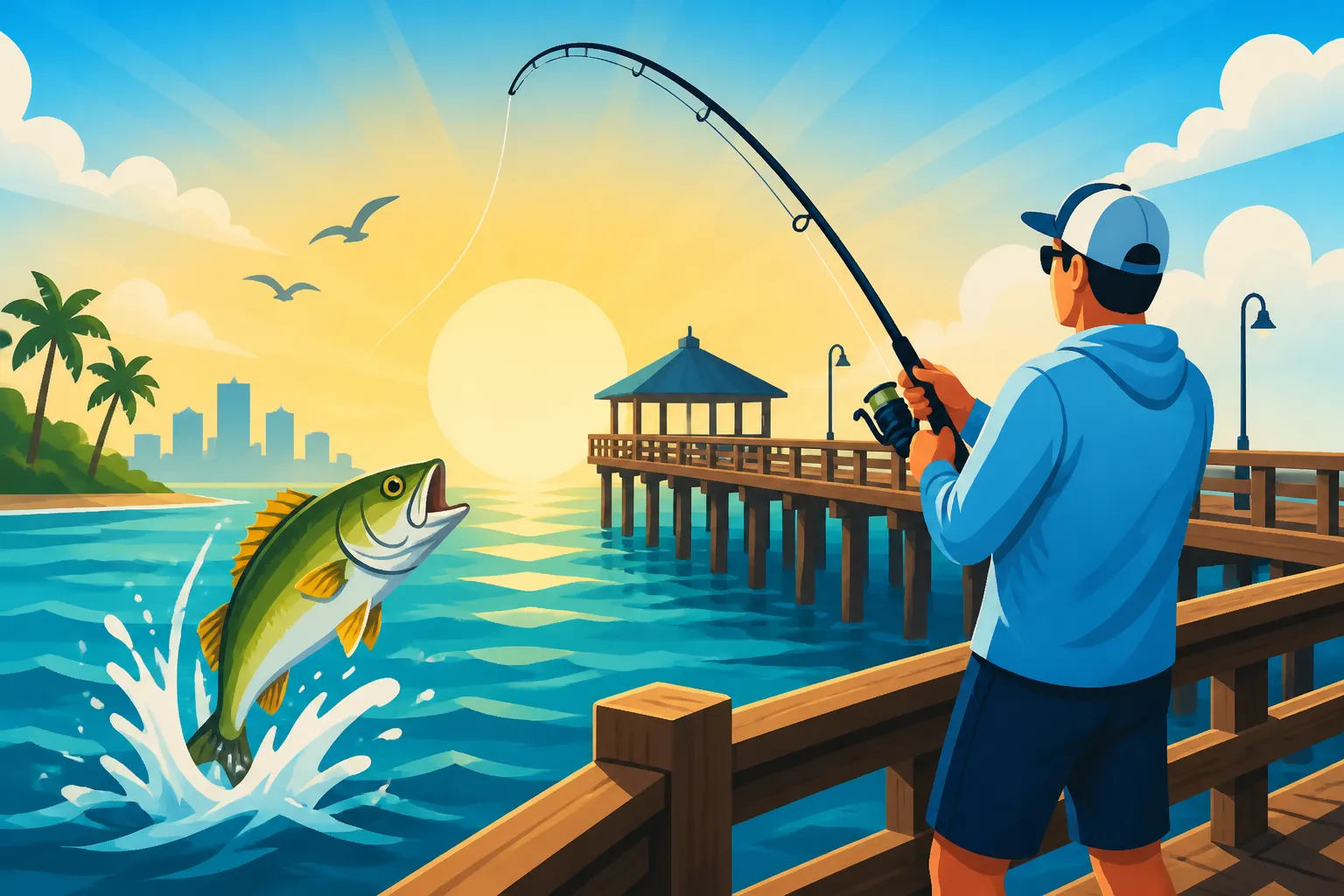
One of the most famous is Cocoa Beach Pier. This historic pier extends 800 feet into the Atlantic, offering fantastic opportunities for surf fishing species like pompano, whiting, and Spanish mackerel close to shore, and larger migratory species like king mackerel, cobia, and even tarpon further out, especially during their seasonal runs. The pier itself is a hub of activity with restaurants, bars, and gift shops, making it a great destination for the whole family, even for non-anglers. You'll find bait and tackle shops right on the pier, which is incredibly convenient if you run out of supplies. Always be mindful of the currents and tides here, as they can be strong.
Further north, in Daytona Beach, the Sunglow Pier is another local favorite. It’s a bit less commercialized than Cocoa Beach but still offers excellent fishing. Anglers here regularly pull in whiting, pompano, flounder, and a variety of bottom fish. During cooler months, bluefish and Spanish mackerel become common targets. It’s known for its friendly atmosphere and often has plenty of local knowledge to share among anglers. Just like most coastal piers, pay attention to the Best Time of Year to Fish in Florida for particular species if you have a target in mind. The pier often charges a small entry fee, but it's well worth it for the access it provides to productive waters.
For those looking for a slightly different coastal experience, the Port Canaveral Jetty Park Pier offers access to the jetties and the inlet itself. While not a traditional "pier" in the same vein as Cocoa Beach, it provides a unique setup for land-based anglers. You can target species like redfish, snook, and trout, especially on outgoing tides when baitfish are flushing out of the port. Occasionally, even larger species like sharks and tarpon can be hooked here. It's a fantastic spot for those who enjoy fishing strong currents and deeper water, and the surrounding park offers additional amenities like camping and beach access.
Hidden Treasures: West Coast & Inland Piers
While the Atlantic coast gets a lot of attention, Central Florida's Gulf Coast and even some inland freshwater lakes offer equally compelling pier fishing experiences. These spots often have different target species and unique environments.
On the Gulf side, the Clearwater Beach Pier 60 is a major attraction. Extending over 1,000 feet into the Gulf of Mexico, it's famous for its daily sunset festival, but it's also a superb fishing spot. Anglers frequently catch Spanish mackerel, pompano, snook, redfish, seatrout, and various types of snapper and grunt. The pier's length means you can reach deeper waters and often find schools of baitfish, which in turn attract larger predators. There's a bait and tackle shop on site, and the surrounding Clearwater Beach area offers plenty of dining and entertainment. Fishing from Pier 60 requires a small fee, but like other major piers, it includes the required Florida Saltwater Fishing License Rules for fishing from the pier itself.
Moving slightly south, the St. Pete Pier is a more modern, expansive structure offering multiple fishing platforms and unparalleled views of Tampa Bay. It's designed with anglers in mind, featuring shaded fishing spots and plenty of space. Here, you can expect to encounter redfish, snook, spotted seatrout, snapper, and even small sharks. The bait shop is well-stocked, and the entire pier district is a vibrant place to spend the day. While it's a bit further south than what some might strictly define as "Central Florida," its accessibility from the Tampa Bay area makes it a prime destination for many Central Florida residents seeking Gulf Coast action. For anglers targeting specific species, understanding the Florida Snook Fishing Guide or the Florida Redfish Fishing Guide can significantly improve your chances here.
For those seeking freshwater angling, Central Florida's myriad lakes also offer fantastic pier and dock fishing, though they might be shorter structures than their coastal counterparts. Large lakes like Lake Tohopekaliga (Lake Toho) in Kissimmee or Lake Kissimmee feature numerous public docks and small fishing piers within their parks. These spots are renowned for trophy largemouth bass, black crappie, and various panfish like bluegill and shellcracker. Fishing these freshwater areas often doesn't require the same robust gear as saltwater piers, and a basic Florida Freshwater Fishing License Rules is typically all you need. While not as grand as the ocean piers, these inland spots provide serene settings and excellent sport for those who prefer the quiet of a lake.
What to Expect: Facilities and Fees
When planning your pier fishing trip in Central Florida, it's smart to know what kind of facilities to expect and if there will be any fees. Most major coastal piers operate on a pay-to-fish model, meaning you’ll typically pay a small daily fee, usually ranging from $5 to $15 for adults, with discounts for seniors and children. The great thing about these fees is that they often cover your fishing license requirements for that specific pier, meaning you don't need a separate state license if you're only fishing from that pier. This is a huge convenience, especially for visitors or those who only fish occasionally.
These piers are generally well-equipped. You’ll commonly find:
- Restrooms: Always a welcome sight, especially for a full day of fishing.
- Bait & Tackle Shops: Most large piers have a shop right on-site, offering live and frozen bait, hooks, weights, and even rod rentals. This is incredibly helpful if you run out of supplies or forget something. Brands like FishingBooker often list details about these amenities when showcasing pier fishing opportunities or nearby charter options for a more guided experience.
- Cleaning Stations: Many piers provide designated areas with water hoses and sinks for cleaning your catch, which is a major perk.
- Restaurants & Concessions: Don't be surprised to find snack bars, full-service restaurants, or even bars on or adjacent to popular piers. This means you can easily grab a bite or a cold drink without having to leave your fishing spot.
- Shaded Areas: Some piers have covered sections, providing much-needed relief from the intense Florida sun.
- Parking: While parking is usually available, it might be paid parking, especially at popular coastal spots. Arriving early is always a good strategy to secure a spot.
For smaller, municipal freshwater docks or piers on lakes, you might find fewer amenities. These often have free access, but you will need your own valid Florida Fishing License Guide as the pier typically doesn't cover it. Facilities might be limited to restrooms and perhaps a picnic area in an adjacent park. Always research your chosen pier beforehand to manage expectations and ensure you bring everything you need.
Here’s a quick overview of some popular Central Florida piers:
| Pier Name | Location (Coast/Inland) | Typical Target Species | Daily Fishing Fee (Approx.) | Key Amenities |
|---|---|---|---|---|
| Cocoa Beach Pier | Atlantic | Pompano, Whiting, Spanish/King Mackerel, Snook, Tarpon | $7 – $10 | Bait & tackle, restaurants, restrooms, parking |
| Sunglow Pier | Atlantic | Whiting, Pompano, Flounder, Spanish Mackerel, Bluefish | $5 – $8 | Bait & tackle, restaurant, restrooms, parking |
| Port Canaveral Jetty Park | Atlantic (Inlet) | Redfish, Snook, Seatrout, Black Drum, Sharks, Tarpon | Park entry fee ($5-$15 per vehicle) | Restrooms, picnic areas, campground |
| Clearwater Beach Pier 60 | Gulf | Spanish Mackerel, Pompano, Snook, Redfish, Seatrout, Snapper | $8 – $12 | Bait & tackle, concessions, restrooms, shaded areas |
| St. Pete Pier | Gulf | Redfish, Snook, Seatrout, Snapper, Grunts, Small Sharks | Free (but requires state license) | Bait & tackle, multiple restaurants, extensive facilities |
| Lake Tohopekaliga Docks | Inland (Freshwater) | Largemouth Bass, Crappie, Bluegill, Catfish | Free (requires state license) | Restrooms, picnic areas (within parks) |
Note: Fees are approximate and subject to change. Always check the pier's official website or call ahead for the most current information.
Essential Gear and Tips for Central Florida Pier Anglers
Even though pier fishing is accessible, having the right gear and knowing a few key techniques can drastically improve your success and enjoyment. You don't need a boatload of specialized equipment, but a thoughtful approach to your tackle box will pay off.
Rod and Reel Setups for Diverse Catches
When you’re fishing from a pier, versatility is your friend. You’ll want a setup that can handle a range of species, from smaller panfish to potentially larger game fish.
For saltwater piers, a medium to medium-heavy spinning rod, around 7 to 9 feet long, paired with a 4000 to 6000 series spinning reel, is an excellent all-around choice. This combo provides enough backbone to cast heavier baits or lures a good distance, handle strong currents, and subdue larger fish like Spanish mackerel or decent-sized redfish. Load your reel with 15 to 30 lb braided line, which offers sensitivity and casting distance, and top it with a fluorocarbon leader (20-50 lb test, depending on your target and the presence of toothy critters). Many seasoned pier anglers also bring a secondary, lighter setup—perhaps a 7-foot medium-light rod with a 2500-3000 series reel and 10-15 lb braid—for targeting smaller species like whiting, pompano, or seatrout, or for casting artificial lures for hours without fatigue. If you're looking for guidance on what works best, checking out a Best Rod for Inshore Fishing in Florida guide can offer more specific recommendations that translate well to pier fishing.
For freshwater piers or docks, a medium-action spinning rod, 6 to 7 feet long, with a 2500-3000 series reel spooled with 8-12 lb monofilament or braided line, will cover most situations. This lighter setup is perfect for casting soft plastics, spinnerbaits, or live bait for bass, crappie, and panfish. The key is to match your gear to the size of the fish you realistically expect to catch and the type of bait or lure you'll be throwing.
Bait, Lures, and Terminal Tackle You'll Need
Having the right bait and tackle is paramount to success on any pier. Local bait shops on or near the pier are your best friend here, as they often stock what's currently working.
Saltwater Pier Essentials:
- Live Bait: Shrimp are king for nearly everything that swims in Florida's saltwater. Pinfish, mullet, and pilchards are also excellent for larger predators. A small cast net can provide fresh bait if allowed and you're skilled, otherwise, buy it.
- Frozen Bait: Squid, dead shrimp, and cut bait (like mullet or ladyfish) are effective for bottom fish, snapper, and even sharks.
- Artificial Lures: Spoons (like Clarkspoons) are deadly for Spanish mackerel. Jigs (Gotcha Plugs, bucktail jigs) work for a variety of species. Soft plastics on jig heads are great for trout and redfish. Topwater plugs can entice snook and redfish. For specifics, look into a Best Bait for Snook Fishing in Florida or Best Bait for Redfish Fishing in Florida guide.
- Terminal Tackle: A variety of hooks (circle hooks are great for conservation and often required), sinkers (pyramid, egg, or knocker styles), swivels, and pre-tied leaders are essential. Bring extra, as snags are common. Don't forget a net or a pier gaff for landing larger fish safely.
Freshwater Pier Essentials:
- Live Bait: Live worms (nightcrawlers, red wigglers), crickets, and live shiners are phenomenal for bass, crappie, and panfish.
- Artificial Lures: Soft plastic worms, crankbaits, spinnerbaits, and small jigs are effective for bass. Tiny jigs and micro-spoons work wonders for crappie and bream.
- Terminal Tackle: Small hooks (size 4-8), split shot weights, bobbers, and small swivels.
Always carry a pair of pliers (long-nose or de-hookers), a knife, sunscreen, a hat, polarized sunglasses (to see fish and structure), and a cooler with ice for your catch and drinks. A small rolling cart or wagon can be incredibly helpful for transporting your gear from the car to your spot on a long pier.
Pier Fishing Techniques for Success
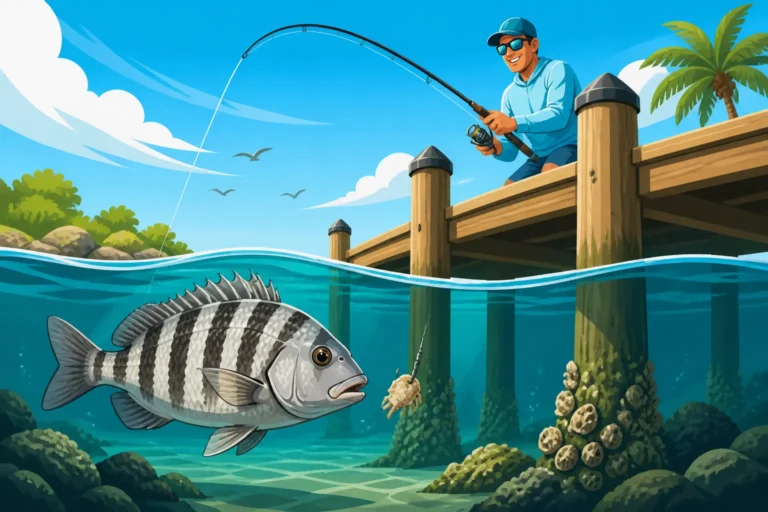
Maximizing your catch from a pier involves understanding a few fundamental techniques and adapting to the conditions. One of the most common and effective techniques on saltwater piers is bottom fishing. This involves using a weighted rig (often a Pompano Rig or a simple Fish Finder Rig) with bait to target species like whiting, pompano, flounder, and snapper. Cast out and let your bait settle on the bottom, watching for gentle tugs.
For active, predatory fish like Spanish mackerel, casting and retrieving artificial lures is often best. Use fast, erratic retrieves with spoons or Gotcha Plugs to mimic fleeing baitfish. Keep an eye out for schools of bait being chased by predators on the surface—that's where you want to cast! Pay close attention to the What Tide Is Best for Snook Fishing for specific species, as moving water often brings feeding fish closer to the pier.
Freeline fishing with live bait is another deadly technique, especially for snook, redfish, and tarpon. Attach a single hook to a fluorocarbon leader, bait it with a lively shrimp or small baitfish, and cast it out without any weight, allowing the bait to swim naturally. This is particularly effective near structure like pilings or underneath the pier.
On freshwater piers, fishing under a bobber with live bait (worms, crickets) is a classic for panfish. For bass, try casting soft plastics along weed lines or near submerged structures, slowly retrieving them to entice a strike. Early mornings and late evenings are often the most productive times for both fresh and saltwater pier fishing. Learning How to Read a Tide Chart for Fishing can provide a significant advantage when planning your coastal pier trips.
Maximizing Your Pier Fishing Experience
Beyond just the gear and techniques, there are several important factors that contribute to a successful and enjoyable pier fishing trip in Central Florida.
Safety First and Pier Etiquette
Safety should always be your top priority, even on a seemingly benign pier. Piers can be exposed to the elements, so be mindful of weather conditions. Sunscreen, hats, and plenty of water are essential to avoid heatstroke and dehydration, especially during Florida's intense summers. If lightning is in the area, pack up immediately – standing on a metal structure extending into the water is not the place to be during a storm. Watch for slippery surfaces, especially after rain or if someone has been cleaning fish. Always handle hooks and knives with care, and if you're bringing children, keep a close eye on them, especially near railings.
Pier etiquette is equally important for a pleasant experience for everyone.
- Respect fellow anglers: Don't cast over someone else's line. If lines get tangled, work together calmly to untangle them.
- Mind your space: Don't spread your gear out excessively, especially on crowded days.
- Clean up after yourself: Leave no trash behind. Use designated trash receptacles or take your waste with you. This includes bait remnants, line scraps, and food wrappers.
- Be courteous with fish cleaning: If there's a cleaning station, use it and clean up any scales or guts. Don't simply dump fish carcasses off the side where other people are fishing.
- Know local rules: Some piers have specific rules about cast netting, shark fishing, or using multiple rods. Always check signage or ask at the bait shop.
A little common courtesy goes a long way in ensuring everyone has a great time out on the pier.
When and Where to Go: Tides and Time of Day
Timing is everything in fishing, and pier fishing is no exception. For saltwater piers, understanding the tides is crucial. Generally, moving water (incoming or outgoing tides) is better than slack tide (the period of little to no current between tides). Moving water stirs up baitfish, carries food, and activates predatory fish. Many experienced anglers find the hour leading up to and the hour following a tide change to be particularly productive. Look up tide charts for your specific pier location and plan your trip accordingly.
As for the time of day, early morning (dawn) and late evening (dusk) are almost universally the best times to fish, whether you're on a coastal or freshwater pier. Fish are often more active during these cooler periods with lower light levels. Night fishing can also be incredibly productive on lighted piers, as the lights attract baitfish, which in turn attract larger game fish like snook and trout. During the heat of the day, fish often seek deeper, cooler water or shaded areas under the pier, making them harder to reach.
When considering "where to go" on the pier, observe other anglers. Are they catching fish? What are they using? Look for areas with structure, such as barnacle-encrusted pilings, ledges, or where the pier intersects with grass flats or sandbars. These spots often hold bait and predatory fish. If the pier has a deeper end, that's often where you'll find larger, offshore-migrating species.
Leveraging Local Knowledge and Resources
One of the greatest resources for successful pier fishing is local knowledge. Don't be shy about striking up conversations with other anglers on the pier, especially those who look like regulars. Most fishermen are happy to share tips on what's biting, what bait they're using, and which spots are most productive. You'd be surprised how much valuable information you can gain just by asking politely.
Local bait and tackle shops, both on the piers and nearby, are also invaluable. The staff often knows exactly what's working and can guide you on the best baits, lures, and techniques for the current conditions. They might even have current reports on specific species movements.
In today's digital age, online resources are also plentiful. Websites, social media groups dedicated to Florida fishing, and even platforms like FishingBooker can provide insights into recent catches, recommended gear, and local guides who might occasionally run special trips near the piers. While you're focusing on pier fishing, understanding local patterns by checking what guides are targeting on FishingBooker can give you clues about fish activity even from land. Furthermore, for a deeper dive into species behavior, resources like the Florida Spotted Seatrout Fishing Guide or the Florida Largemouth Bass Fishing Guide can help you understand the nuances of targeting those specific fish from a pier. Remember, the more information you gather, the better prepared you'll be to reel in a great catch from Central Florida's fantastic fishing piers!
Disclaimer
The information provided in this guide is for general informational purposes only and is subject to change. Fishing regulations, license requirements, and pier operating hours or fees can vary and may be updated by the Florida Fish and Wildlife Conservation Commission (FWC) or individual pier authorities. Always consult the most current FWC regulations and contact specific piers directly before planning your trip to ensure you have the most up-to-date and accurate information. Fishing involves inherent risks; always prioritize safety and adhere to all local laws and guidelines.