Best Water Temperature for Snook Fishing
One of the biggest frustrations for Florida anglers is heading out to a favorite snook spot, only to find the fish are nowhere to be seen. Often, the culprit isn't your bait, your technique, or even the tide – it's the water temperature. This comprehensive guide will dive deep into how water temperature dictates snook behavior, helping you understand their ideal comfort zones and predict where these elusive fish will be hiding, no matter the season.
Understanding Snook and Their Temperature Sensitivity
Snook are truly iconic in Florida, known for their aggressive strikes and powerful fights. But what many anglers don't fully grasp is just how intimately tied these fish are to the mercury in the water. They are a tropical species, and unlike us warm-blooded folks, their internal body temperature is directly regulated by their environment. This fundamental biological fact drives almost every aspect of their lives, from where they live to what they eat.
Why Temperature Matters So Much for Snook
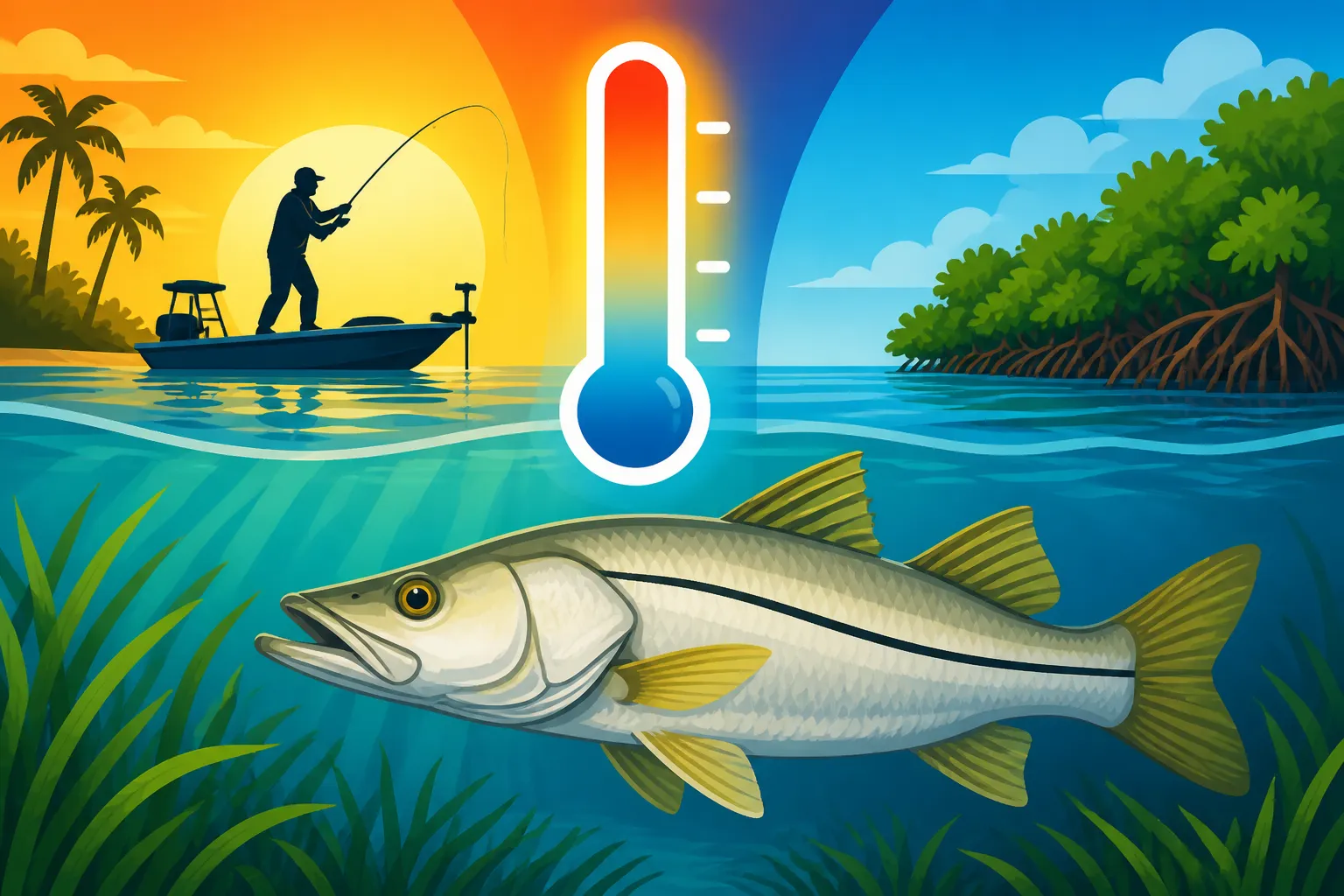
Imagine stepping outside on a freezing winter day in a t-shirt; you wouldn't be very active, would you? Snook experience something similar when the water gets too cold. Their metabolism slows down dramatically. This means they digest food slower, move sluggishly, and are far less likely to chase down a meal. On the flip side, when the water is just right, they're like athletes, full of energy and ready to strike. Understanding this metabolic connection is key to unlocking consistent snook catches. It's not just about comfort; it's about survival and energy efficiency for these magnificent fish. For a broader look at targeting these fish, check out our Florida Snook Fishing Guide.
The Ideal Range: What Snook Really Love
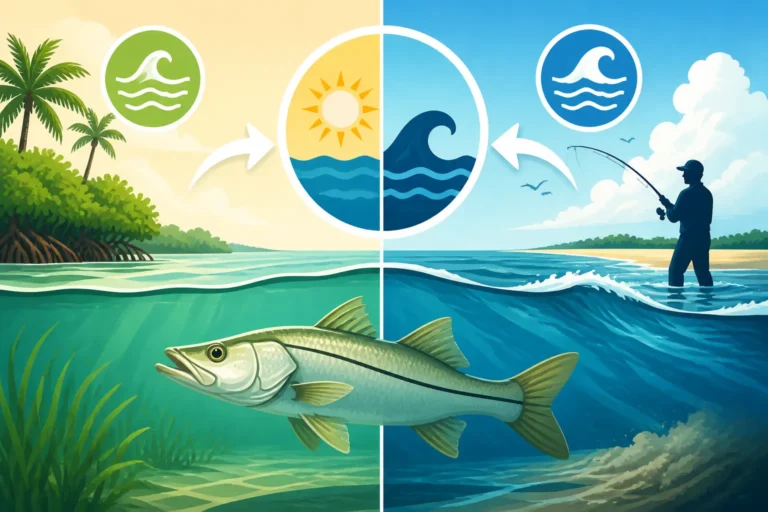
So, what's the sweet spot? Generally speaking, snook are happiest and most active when water temperatures are between 70°F and 80°F (21°C to 27°C). Within this range, their metabolism is humming, they're feeding aggressively, and they'll be found in a variety of habitats, from shallow flats to mangrove shorelines. This is when you'll see them crushing topwater lures at dawn or hitting live bait with gusto throughout the day. When the water is consistently in this ideal zone, snook spread out, following baitfish and occupying prime ambush points. If you're using live bait, matching your presentation to their activity level in these temperatures is crucial. For tips on bait, explore our guide on the Best Bait for Snook Fishing in Florida.
What Happens When Temperatures Fluctuate?
Florida weather, bless its heart, can be a bit unpredictable, especially outside of the peak summer months. We get those glorious warm spells, but also those sudden cold fronts that can send a shiver down the spine of both anglers and snook alike. These fluctuations are critical because snook, while adaptable within their comfort zone, can be extremely vulnerable to extremes.
Cold Snaps and Their Devastating Impact
When water temperatures drop significantly, particularly below 60°F (15.5°C), snook enter what's known as a "cold stun" state. Their muscles become sluggish, their movements uncoordinated, and they lose the ability to flee predators or even swim properly. Prolonged exposure to these low temperatures, especially below 50°F (10°C), can unfortunately be fatal. This is why you'll often hear about extensive snook protections during winter months, and it’s critical that anglers understand Why Snook Are Protected During Cold Weather.
During a cold snap, snook will actively seek out any available thermal refuge. This means deeper canals, warm water discharges from power plants, dark-bottomed creeks that absorb more sunlight, or even simply the deeper pockets within a bay. They'll stack up in these areas, often becoming lethargic and less inclined to feed. If you find snook in these conditions, it's often best to leave them undisturbed, as fighting them can add additional, sometimes fatal, stress to their already compromised state. Carrying a reliable water thermometer, like those readily available on Amazon, can be a game-changer for avoiding these vulnerable fish and ensuring responsible angling. If you're fishing during these times, our guide on Fishing After a Cold Snap in Florida can provide more insights.
Overheating: When Water Gets Too Warm
While snook love warmth, there's such a thing as too much of a good thing. When water temperatures soar above 88-90°F (31-32°C) for extended periods, usually in the peak of summer, snook can become stressed. High water temperatures lead to lower dissolved oxygen levels, which makes it harder for fish to "breathe" through their gills. This can cause them to become lethargic, less active, and unwilling to chase baits, similar to cold-stunned fish, but for different reasons.
In extremely hot conditions, snook will often seek out areas with more current or deeper, slightly cooler water, or even the shade of mangroves or docks during the brightest parts of the day. They might feed more actively during the cooler dawn or dusk hours when surface temperatures temporarily drop. Anglers need to be mindful of these conditions, as fighting a snook in overheated water can also put undue stress on the fish, making proper catch-and-release practices even more vital. Understanding the Best Time of Year to Fish in Florida and How Hot Weather Affects Summer Fishing in Florida will help you plan your trips effectively.
Locating Snook Based on Water Temperature
Knowing the ideal temperature ranges is one thing, but translating that knowledge into successful fishing trips means understanding where snook will go to find those temperatures throughout the year. It's a constant game of hide-and-seek, and temperature is your best clue.
Finding Thermal Refuges in Winter
When those cold fronts roll through, snook don't just disappear; they move to specific locations that offer warmer water. Canals are a prime example. The deep, often sheltered waters of residential canals, particularly those with dark, muddy bottoms that absorb solar radiation, can be several degrees warmer than open flats. Snook will push deep into these canal systems, sometimes right up against seawalls or under docks, seeking that precious warmth. Power plant outfalls, where warmer water is discharged, are also magnets for snook and other species looking for a thermal boost.
Another hot spot (pun intended) during cooler months can be deeper river bends or protected backcountry creeks, especially those with good tidal flow. The sun beating down on exposed mud flats during low tide, only for the tide to slowly bring in slightly warmer water, can create inviting pockets for snook. When targeting these winter havens, focus on slow, deliberate presentations, as the fish will be less inclined to chase. For more specific spots, check out our guide on the Best Canals for Fishing in South Florida.
Where Snook Go When the Water Warms Up
As spring progresses and water temperatures climb back into the ideal 70-80°F range, snook begin to disperse from their winter sanctuaries. They become far more active and widespread. You'll find them venturing out onto expansive grass flats, patrolling mangrove shorelines, lurking around oyster bars, and staging near inlets and passes. These areas offer abundant baitfish and optimal ambush points.
In the height of summer, when waters can get very warm, snook will still be present in these areas but might modify their behavior. They'll often seek the slightly cooler, more oxygenated water found in stronger currents near inlets or passes, or the shade provided by overhanging mangroves and deep-water docks during the hottest parts of the day. Early morning and late evening bites often become paramount as surface water temperatures cool off. A good understanding of Where Do Snook Live in Florida? will give you a better grasp of their seasonal movements. Using a fish finder that provides real-time water temperature readings can be an invaluable tool to identify these subtle temperature variations and locate active fish, and you can find many excellent models on Amazon.
Practical Tips for Anglers
Having the knowledge about water temperature is one thing, but putting it into practice on the water requires a bit of preparation and flexibility. It’s about being observant and adjusting your approach to what the snook are telling you through their environment.
Essential Gear for Temperature-Smart Angling
To really dial in your snook fishing based on temperature, a few pieces of gear are incredibly helpful. First and foremost, a reliable water thermometer is a must-have. Don't just guess the temperature; know it. You can find simple, inexpensive models that clip onto your boat or line, or more advanced digital ones. Many popular fishing and outdoor retailers, including Amazon, offer a wide range of water thermometers that can give you precise readings in real-time. Secondly, if you have a boat, consider a fish finder with a built-in temperature sensor. These units provide continuous readings, allowing you to easily identify warmer or cooler pockets as you move.
Beyond temperature-sensing gear, having the right rod and reel setup, as detailed in our Best Rod for Inshore Fishing in Florida guide, ensures you can handle these powerful fish once you locate them. Also, remember that if the water is cold, the air might be too, so appropriate clothing for varying Florida temperatures, often found on Amazon, will keep you comfortable so you can focus on fishing.
Reading the Conditions Beyond the Thermometer
Water temperature is a huge piece of the puzzle, but it's not the only piece. Several other environmental factors interact with temperature to influence snook behavior. Things like sun exposure versus cloud cover can cause surface temperatures to fluctuate throughout the day, especially in shallow water. Wind can either cool or warm surface water and create current. Tides, particularly strong incoming or outgoing tides, can bring in cooler or warmer water masses and concentrate baitfish.
Pay attention to recent weather patterns. A prolonged cold front will have a much more significant and lasting impact than a brief dip in temperature. Likewise, a week of intense summer heat will stress snook more than just a single hot afternoon. Learn to interpret these broader conditions alongside your temperature readings. For instance, knowing How to Read a Tide Chart for Fishing can help you predict where the warmest or coolest water might be, relative to the movement of water.
Adjusting Your Strategy
Once you have a good handle on the water temperature and other conditions, you can fine-tune your fishing strategy. In colder water (below 68°F/20°C), snook are sluggish. This means you should slow down your retrieve, use smaller baits, and present them directly to the fish's face. Think slow-rolling soft plastics or slowly retrieved live shrimp near the bottom of deep canals. They're unlikely to chase, so precision is key.
In the ideal temperature range (70-80°F/21-27°C), snook are active and aggressive. This is when you can get away with faster retrieves, topwater lures, and more aggressive bait presentations. They'll chase down a fleeing baitfish or a popping cork with enthusiasm. As temperatures approach the upper end of the optimal range, or even get too hot, consider fishing during the cooler parts of the day, such as early morning or late evening. This is also a good time to focus on areas with stronger currents or deeper water. For more details on planning your trip, consult our Best Time of Day to Fish in Florida article.
Remember, snook are opportunistic feeders, but they are also creatures of comfort. By understanding their relationship with water temperature, you gain a significant advantage in finding them and getting them to bite, ensuring your Florida fishing adventures are as rewarding as possible.
| Water Temperature Range (Approx.) | Snook Activity Level | Typical Behavior / Location | Angling Strategy |
|---|---|---|---|
| Below 50°F (10°C) | Severely Stressed | Cold stun, mortality risk. Seek deep, stable water; minimal movement. | Avoid targeting. If accidentally caught, release immediately with care. |
| 50-59°F (10-15°C) | Very Lethargic | Seek thermal refuges (deep canals, power plant outfalls, dark bottoms). Minimal feeding. | Slow, precise presentations in deep, sheltered areas. Light tackle. Catch & Release with extreme care. |
| 60-69°F (15.5-20.5°C) | Sluggish to Moderate | Still seeking warmth, but may feed intermittently, especially on sunny days. | Slow retrieves, smaller baits, focus on sun-exposed dark bottoms, canals, protected areas. |
| 70-80°F (21-27°C) | Active & Aggressive | Widespread in flats, mangroves, inlets. Actively feeding. | Variety of techniques: topwater, lures, live bait. Focus on current, structure, baitfish schools. |
| 81-87°F (27.5-30.5°C) | Active to Moderate | May slow down during hottest part of day. Seek shade, current, deeper water. | Target early morning/late evening, shaded areas, strong current. Moderate retrieves. |
| Above 88°F (31°C) | Stressed | Reduced oxygen. Seek deeper, cooler water or strong current. Lethargic. | Fish early/late. Focus on deep water, inlets with strong flow. Use caution with catch and release. |
Disclaimer
This article is for general informational purposes only and does not constitute professional advice. Laws, prices and regulations vary by location and change over time. Consult a qualified professional for guidance on your specific situation.