How to Fish a New Spot You’ve Never Tried
There's a special kind of thrill that comes with exploring a brand new fishing spot, isn't there? But let's be honest, it can also feel a little daunting. You pull up, look at the water, and wonder, "Where do I even start?" The fear of wasting precious fishing time or, worse, not catching a single thing is real. This guide is designed to help you conquer that uncertainty, providing a roadmap for confidently approaching and successfully fishing any new spot you encounter in Florida.
The Initial Reconnaissance: What to Look for Before You Cast
Before you even think about rigging up your rod, a little detective work goes a long way. Understanding your new environment is the first step to turning a potential bust into a fantastic fishing adventure. It's about gathering clues and formulating a plan, rather than just blindly casting.
Online Scouting and Local Wisdom
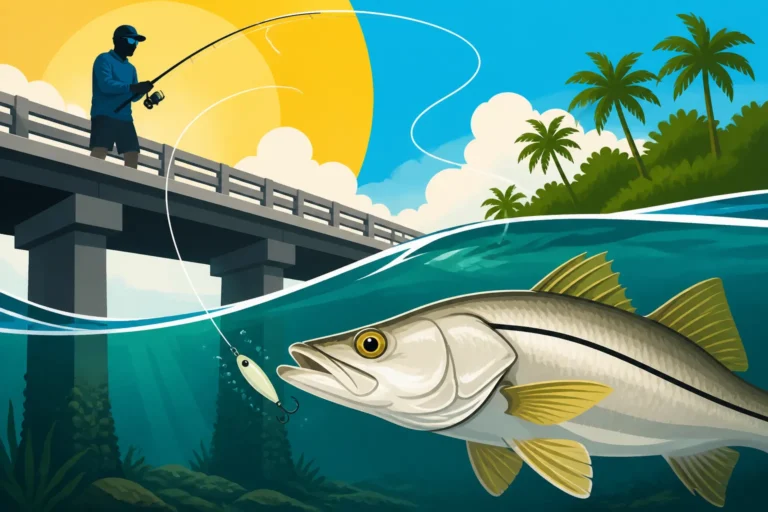
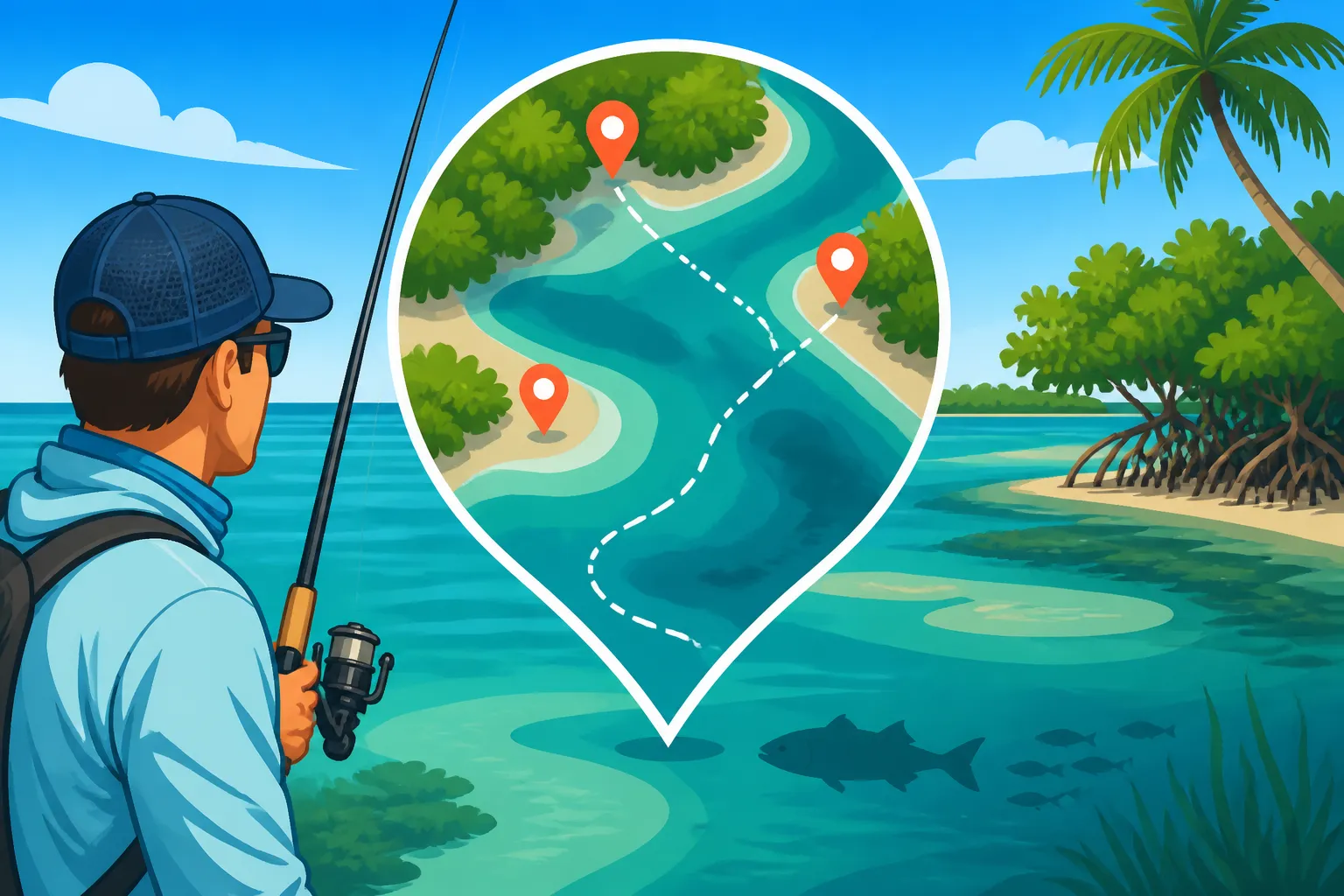
In this digital age, you have an incredible wealth of information at your fingertips, even before you leave the house. Start by pulling up satellite maps of the area. Look for obvious features like cuts, channels, deeper holes, bridges, docks, oyster bars, and submerged vegetation. Are there any visible tidal creeks or river mouths flowing into the main body of water? These are all potential fish highways and ambush points. You can often spot darker areas that indicate grass flats or deeper drop-offs, which are prime habitat.
Beyond maps, don't underestimate the power of local fishing forums, social media groups, and even old-fashioned bait and tackle shops. While nobody is going to give away their secret honey hole, asking general questions about common species, prevalent baits, or typical fishing conditions for a specific area can provide invaluable insights. Sometimes, just hearing what not to do is as helpful as knowing what to do. You might learn that a certain area is notoriously shallow at low tide, or that a particular bridge gets hammered by current, making it tough to fish without heavy tackle. Remember to also brush up on Florida Fishing Regulations and Bag Limits for the specific region you'll be visiting, as rules can vary.
Reading the Water: Tides, Currents, and Structures
Once you're physically at the new spot, it's time for some serious observation. Look at the water itself. What's the tide doing? Is it incoming or outgoing? Is the current strong, or is the water relatively still? In Florida's coastal environments, tides are often the single most important factor determining fish activity. An incoming tide might push baitfish into shallow flats, while an outgoing tide could pull them out of creeks and through choke points, making for easy ambushes by predatory fish. You can find detailed information on this in our guide to Best Tides for Inshore Fishing in Florida.
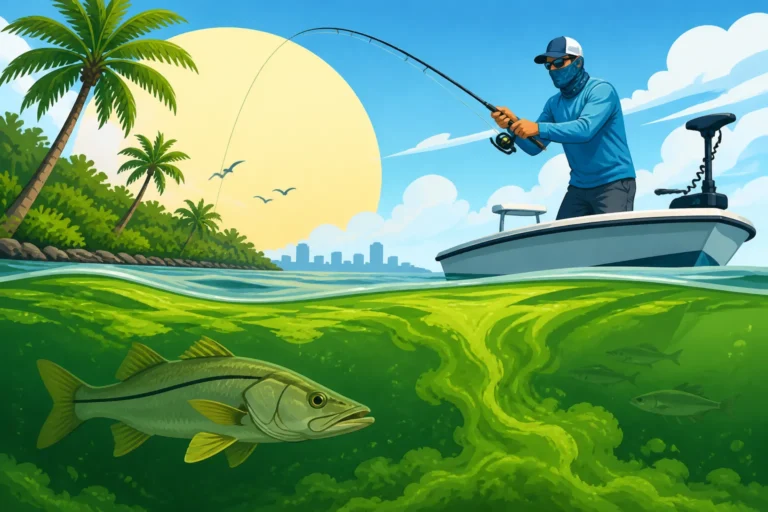
Beyond tides, observe the water's color and clarity. Is it clear and clean, or murky and stained? This will influence your lure and bait choices. Look for any visible structure – natural or man-made. Mangrove shorelines, fallen trees, rock piles, bridge pilings, channel markers, and even subtle changes in bottom composition can hold fish. These structures provide cover, food sources, and current breaks where fish can rest and ambush prey. Even if you can't see the bottom, look for surface disturbances: baitfish schooling, birds diving, or subtle ripples that could indicate feeding activity. Don't forget to consult a guide on How to Read a Tide Chart for Fishing before you head out, as understanding the local tidal swings is crucial.
Understanding the Environment: Flora and Fauna Clues
The natural environment around your new fishing spot offers a wealth of clues. Look at the types of vegetation in and around the water. Are there vast expanses of seagrass? Mangrove roots? These ecosystems are nurseries for baitfish and shrimp, which in turn attract larger game fish. If you see abundant healthy grass flats, you know there's likely a food chain thriving there.
Pay attention to the local wildlife. Are there pelicans diving? Egrets wading? Osprey perched high, watching the water? These birds are excellent indicators of baitfish presence. If they're actively feeding, chances are the game fish aren't far behind. Even the bugs can tell a story; if you're getting swarmed by mosquitoes, it might indicate stagnant water, which isn't always ideal for active fish, but if you see dragonflies, it's a sign of healthy freshwater ecosystems. Understanding these subtle environmental cues helps you paint a bigger picture of the fishing conditions and what species might be present.
Here's a quick scouting checklist to get you started:
| Scouting Element | What to Look For | Why It Matters |
|---|---|---|
| Online Maps | Channels, drop-offs, grass flats, oyster bars, bridges | Identifies potential fish habitat and ambush points. |
| Local Info | Common species, bait, local regulations, known hazards | Taps into collective experience, avoids common mistakes. |
| Tide & Current | Incoming/outgoing, strong/weak flow, rips, eddies | Dictates fish movement, feeding patterns, and casting. |
| Water Clarity | Clear, murky, stained, tannin-colored | Influences lure color, bait choice, and fish visibility. |
| Visible Structure | Mangroves, docks, pilings, rock piles, submerged logs | Provides cover, food, and current breaks for fish. |
| Baitfish/Bird Activity | Schools of baitfish, diving birds, wading birds | Strong indicator of active predatory fish nearby. |
| Bottom Composition | Sand, mud, grass, shell (if visible) | Different species prefer different bottom types. |
Gearing Up for the Unknown: Choosing the Right Tackle and Bait
Once you've done your homework and scoped out the spot, it's time to think about what you'll be using. When fishing a new area, versatility is your best friend. You don't know exactly what you'll encounter, so having options is key.
Versatility is Key: Rods, Reels, and Lines
For a new Florida fishing spot, especially if you're targeting inshore or light to medium freshwater species, I always recommend a versatile spinning setup. A 7-foot medium-heavy fast-action spinning rod paired with a 3000-4000 series reel spooled with 15-20 lb braided line is a fantastic all-around choice. This setup gives you enough backbone to fight a decent snook or redfish in the mangroves, but it's still sensitive enough to feel a subtle bite from a trout or bass. The braided line offers superior casting distance and sensitivity, and you can always add a fluorocarbon leader of varying strengths depending on your target species and water clarity. Best Rod and Reel Setup for Florida Inshore Fishing is a great resource if you're looking for more specific recommendations.
If you're unsure if you'll be in fresh or saltwater, or if you might encounter larger fish, consider bringing two setups if feasible. A slightly heavier setup for potential bigger fish or tougher cover, and a lighter one for more finesse fishing. Don't forget a good pair of pliers and a sharp knife – you can find excellent, rust-resistant options on Amazon that are crucial for cutting line, removing hooks, and general utility.
Bait and Lure Selection: Covering Your Bases
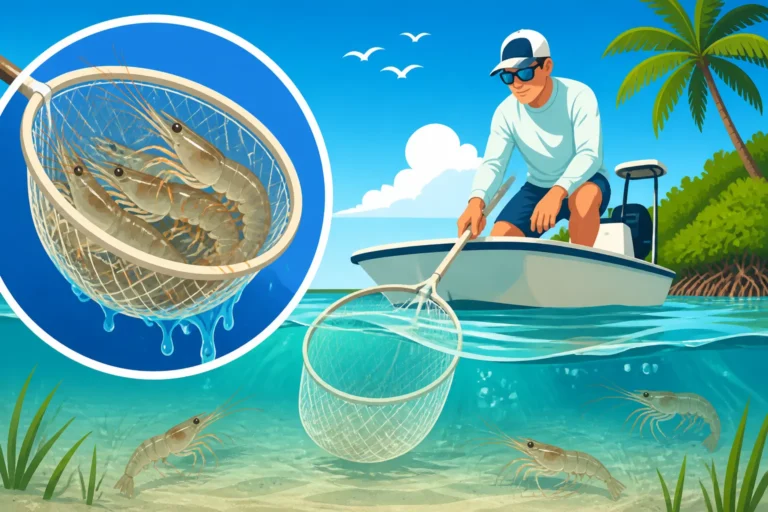
This is where the "unknown" can really trip people up. You don't know what the fish are eating! My advice? Bring a variety. For live bait, if permitted and available, live shrimp are almost universally effective in both fresh and saltwater in Florida, attracting everything from snook and redfish to seatrout and even freshwater panfish. Pinfish or small mullet can be great for larger predatory species if you know they're around. Our article on Best Bait for Snook Fishing in Florida gives more specific advice for that popular species.
For artificials, pack a diverse tackle box. Start with some topwater lures for early mornings or calm evenings, especially around grass flats or calm pockets. Next, include soft plastic paddle tails or jerk shads on jig heads – these are incredibly versatile and can be fished shallow or deep. Vary your jig head weights (1/8 oz to 1/2 oz) to adapt to current and depth. Spoons and diving plugs are also great to have, covering different water columns. If the water is murky, don't forget to try some lures with strong vibrations or brighter colors; you can find a wide range of options on Amazon. For instance, sometimes a chartreuse or hot pink lure can make all the difference in off-color water. Check out Best Lure Color for Murky Water in Florida for more tips.
Essential Tools for Exploration
Beyond your rod and reel, a few key items will make your exploration safer and more productive:
- Sun Protection: Florida sun is no joke! Hat, polarized sunglasses, and plenty of sunscreen are non-negotiable.
- Waterproof Bag: For your phone, wallet, and other essentials. A dry bag from Amazon is a small investment that offers huge peace of mind.
- Wading Boots or Shoes: If you plan on wading, protecting your feet from oyster shells, sharp rocks, and stingrays is crucial.
- Landing Net or Lip Grippers: To safely handle your catch, especially if you plan on practicing Catch and Release Best Practices for Snook.
- Cast Net (if legal and you know how to use one): For catching fresh bait on the spot, if the conditions allow.
- First-Aid Kit: Small cuts and scrapes happen.
- Navigation Device: Whether it's a dedicated GPS or a reliable app on your phone, knowing where you are and how to get back is important.
- Cooler with Ice: To keep your drinks cold and your keepers fresh.
On the Water Strategy: How to Approach and Fish a New Area
You've scouted, you're geared up, now it's time to actually fish. This is where patience, observation, and a willingness to experiment truly pay off.
Making Your First Casts: Systematic Exploration
When you first arrive, don't just bomb out the longest cast you can. Start by making shorter, more controlled casts, systematically covering the water closest to you and gradually working your way further out. This helps you "feel" the bottom composition – is it sandy, muddy, or full of grass? Is there a drop-off you didn't see on the map?
If you're fishing from shore or a kayak, pick a section of water and fish it thoroughly, casting at different angles and trying different retrieves. If you're on a boat, slowly motor or pole through the area, looking for signs of life. Focus your initial efforts on prominent features you identified during your scouting – edges of grass flats, channels, points, and current breaks. Think about where a fish would logically ambush prey or seek refuge. For example, when fishing a new canal, I'll always start by targeting the shady side, especially where there's a culvert or a bend in the canal.
Don't be afraid to switch up your baits or lures frequently during this initial exploration phase. If one isn't working after 15-20 casts in a productive-looking area, try something else. Vary your retrieve speed, depth, and presentation. Sometimes, a subtle change is all it takes to trigger a bite.
Observing and Adapting: Learning from Every Bite (or Lack Thereof)
Fishing a new spot is as much about learning as it is about catching. Every cast, every retrieve, every subtle bump (or complete lack of action) provides valuable information. If you get a bite on a certain type of lure or bait, stick with it! You've found something that works. Pay attention to where you got the bite – was it near a specific structure? In a certain depth? On a particular retrieve? These details are golden.
Conversely, if you're not getting any action, don't get stuck doing the same thing. Re-evaluate your plan. Are the fish not here? Or are they just not interested in what you're offering? Try moving to a different type of structure, changing your depth, or radically altering your bait presentation. Sometimes, simply slowing down your retrieve or speeding it up makes all the difference. Remember, fish behavior changes with the time of day, weather, and tides. What worked an hour ago might not work now. Our Best Time of Day to Fish in Florida guide offers more insights into these patterns.
If you have a fish finder, this is the time to really pay attention to what it's telling you. Are you seeing baitfish schools? Are there larger arches near the bottom? How to Use a Fish Finder for Inshore Fishing can help you interpret those signals effectively.
Knowing When to Move On
One of the hardest lessons in fishing is knowing when to cut your losses and move to a new spot. It's easy to get fixated on a promising-looking area, but if you've tried multiple techniques, baits, and retrieves for a significant amount of time without any success, it's often best to pack up and try a different location, even if it's just a short distance away.
How long is too long? That depends on the spot and your confidence, but generally, if I've spent an hour or two thoroughly fishing a promising area with no bites, and I've tried several different approaches, I'll consider moving. Sometimes, a spot just isn't holding fish on that particular day, or the conditions aren't right. Don't be afraid to relocate to another area you scouted or even head back to your vehicle and drive to an entirely different access point. The goal is to maximize your time on productive water, not to stubbornly stick to a barren spot.
Safety First and Respect the Resource
While the excitement of a new spot is palpable, never let it overshadow your personal safety or your responsibility as an angler.
Checking Regulations and Weather
Before you even step foot in a new area, always double-check the local fishing regulations. Florida has specific rules for different regions and bodies of water, covering everything from size and bag limits to closed seasons for certain species. Florida Saltwater Fishing License Rules and Florida Freshwater Fishing License Rules are both excellent resources to ensure you're compliant. Ignorance of the law is not an excuse, and a hefty fine or even loss of fishing privileges isn't worth a forgotten rule.
Always keep a close eye on the weather forecast. Florida weather can change rapidly, especially during the summer thunderstorm season. Pop-up storms with lightning are common, and strong winds can quickly make conditions unsafe, especially on larger bodies of water. If you're on a boat, tell someone where you're going and when you expect to return. Be mindful of tides and currents, especially if you're wading or kayaking, as they can become powerful and dangerous.
Leaving No Trace
As anglers, we are stewards of the environment. When you visit a new fishing spot, always practice "leave no trace" principles. Pack out everything you pack in, including all trash, broken lines, and discarded bait containers. Take extra care to avoid snagging fishing line on mangroves or other vegetation, as this can harm wildlife. If you're using live bait, avoid introducing non-native species to new waters.
Respect private property and local ecosystems. If you're fishing from public access points, be courteous to other anglers and visitors. If you're wading through grass flats, shuffle your feet to avoid disturbing bottom-dwelling rays and to minimize damage to the delicate seagrass. Our goal is to enjoy these incredible natural resources and ensure they remain healthy and productive for generations to come. Inshore vs Offshore Fishing in Florida Explained touches on different environments and the specific considerations for each.
By taking a systematic, patient, and adaptable approach, fishing a new spot you've never tried in Florida can become one of the most rewarding parts of your angling journey. It's an opportunity to learn, to grow, and to connect with the incredible diversity of Florida's aquatic landscapes. Happy exploring!
Disclaimer
This article is for general informational purposes only and does not constitute professional advice. Laws, prices and regulations vary by location and change over time. Consult a qualified professional for guidance on your specific situation.