Fishing the Indian Prairie Canal on Lake Okeechobee
Trying to navigate the vast waters of Lake Okeechobee to find a truly productive fishing spot can feel like searching for a needle in a haystack, especially if you're not a seasoned local. It’s easy to get overwhelmed by the sheer size of "The Big O," wondering where to even drop a line for a decent bite. This comprehensive guide is here to cut through that confusion, focusing specifically on the incredible fishing opportunities waiting for you in the Indian Prairie Canal, offering detailed insights into what makes it a local favorite.
Understanding the Indian Prairie Canal's Unique Appeal
The Indian Prairie Canal isn't just another ditch; it's a vibrant artery feeding into Lake Okeechobee, offering a distinct fishing experience that sets it apart from the open lake. Anglers who take the time to explore its waters often discover a hidden gem, teeming with life and offering consistent action. It’s a place where the diverse ecosystem of the larger lake converges into a more manageable, yet incredibly productive, environment.
Geographic Location and Accessibility
Nestled on the western side of Lake Okeechobee, the Indian Prairie Canal extends from the town of Lakeport, weaving its way inland. This makes it particularly accessible for those approaching from the southwest or west, providing a fantastic alternative to launching directly into the expansive lake. You’ll find several public boat ramps conveniently located near the canal's mouth, making it straightforward to get your boat in the water without a long trek. For instance, the J&S Fish Camp in Lakeport offers both lodging and a ramp, and there are others operated by the Army Corps of Engineers that are well-maintained. Its connection to the lake is crucial, as it allows for the free movement of various fish species, bringing them into the canal's more sheltered waters. This location offers a welcome change of pace from the sometimes rough and intimidating open waters of Lake Okeechobee itself.
Habitat and Ecosystem Benefits
What truly makes the Indian Prairie Canal shine is its incredibly rich and varied habitat. Unlike many uniform canals, this one boasts a diverse underwater landscape. You'll encounter sections with submerged vegetation like hydrilla and eelgrass, which provide perfect ambush points for predators and shelter for baitfish. There are also stretches featuring steeper banks, brush piles, and even old submerged structures that create ideal cover. The canal also benefits from a consistent flow of water, often clearer than the main lake, which is a magnet for both forage and game fish. This current not only brings in nutrients but also keeps the water oxygenated, especially during warmer months. The depth varies, with deeper holes and channels offering sanctuary during extreme temperatures, while shallower fringes are perfect for spawning activity. This combination of structure, vegetation, and water flow creates a dynamic ecosystem that supports a robust population of popular sport fish, making it a reliable spot when the main lake might be less cooperative.
Prime Fishing Techniques for the Indian Prairie Canal
To truly unlock the potential of the Indian Prairie Canal, you need to understand the techniques that work best within its unique confines. It’s not just about throwing a line in; it's about presenting your bait or lure in a way that entices the fish hiding within its diverse habitat. Adapting your approach based on the conditions and target species can make all the difference between a slow day and a memorable one.
Best Baits and Lures for Local Species
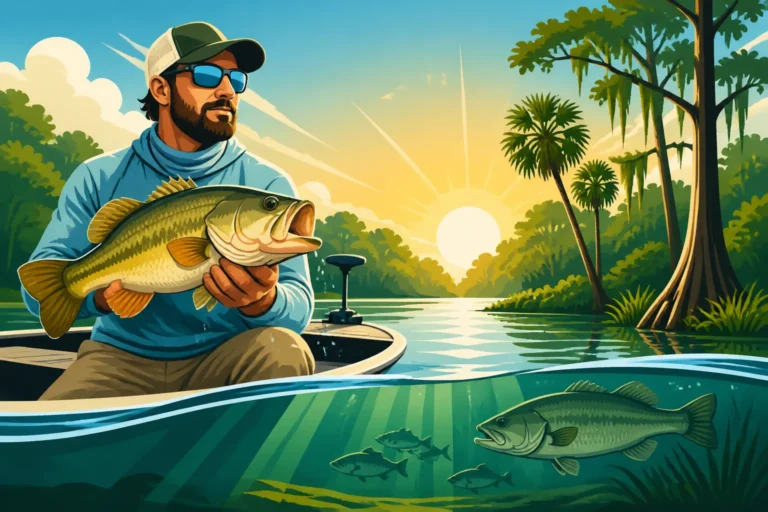
When it comes to baits and lures, the Indian Prairie Canal offers a smorgasbord of options that consistently produce results. For the trophy Florida Largemouth Bass Fishing Guide, nothing beats a live wild shiner. Fished under a float or free-lined near cover, these frisky baits are irresistible. If you prefer artificials, soft plastics like Texas-rigged worms or Senkos in natural colors (green pumpkin, junebug) are highly effective when pitched into vegetation or around structure. Spinnerbaits and chatterbaits also work well, especially when covering water along the canal banks. For Florida Crappie Fishing Guide (locally known as speckled perch), small jigs tipped with minnows or soft plastic crappie jigs (chartreuse, white, or black-and-chartreuse) are deadly. Drifting these under a cork or vertically jigging them in deeper holes often yields a cooler full of slabs. And for the ever-present Florida Bluegill and Bream Fishing Guide, a simple worm or cricket under a small bobber is the ticket. Don't overlook small artificial jigs for panfish either; they can be incredibly effective when worked slowly. Checking out what local bait shops have in stock can often give you a clue about what's biting. For additional artificial options, consider exploring the Best Lures for Florida Bass Fishing to expand your tackle box.
Effective Strategies for Canal Fishing
Fishing the Indian Prairie Canal successfully requires a strategic approach. One of the most effective strategies is targeting the edges of the canal and any visible structure. Cast your baits or lures as close to the shoreline vegetation, fallen trees, or dock pilings as possible, as these are prime ambush points for bass and other predators. Varying your retrieve speed is crucial; sometimes a slow, deliberate presentation is key, while other times a faster, more erratic retrieve can trigger a strike. If you're in a boat, slow-trolling with electric motors along the deeper channels, especially for crappie, can be incredibly productive. Pay close attention to current seams and areas where the water changes depth, as fish often congregate in these zones. During cooler months, fish will often move into the deeper, more stable waters of the canal, so don't be afraid to try vertical jigging. Consider hiring a local guide through platforms like FishingBooker, as their intimate knowledge of the canal's nuances can significantly shorten your learning curve and boost your success. They know precisely where the fish are hiding based on current conditions and can offer invaluable advice on best bait for bass fishing in Florida that's currently hot.
Target Species and Seasonal Considerations
The Indian Prairie Canal is a year-round fishing destination, but knowing what species are most active and when can significantly improve your chances of a successful outing. Each season brings its own rhythms and opportunities, making every trip a unique adventure.
What You Can Expect to Catch
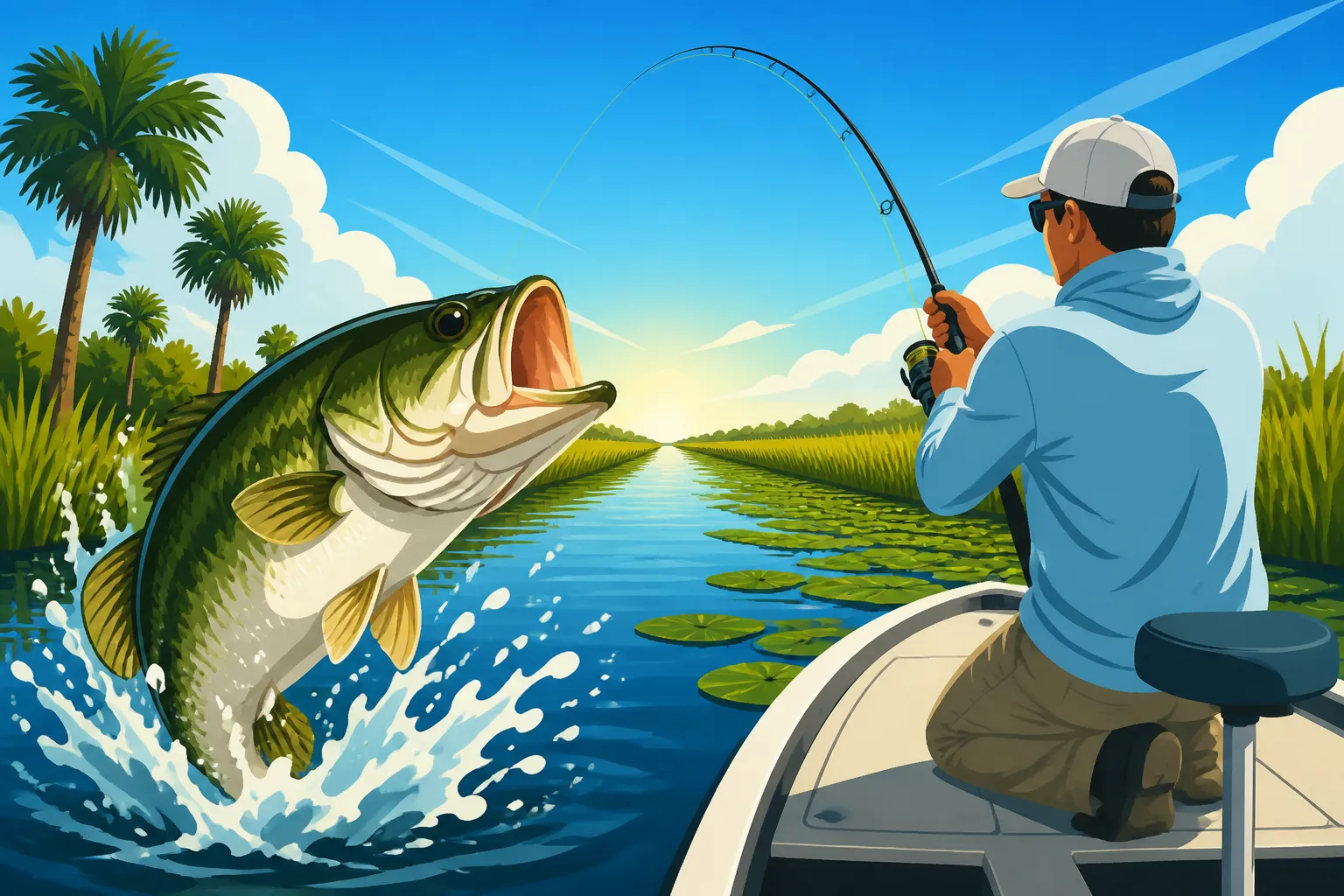
The Indian Prairie Canal is most famous for its incredible largemouth bass fishing. Anglers regularly pull out impressive bass, with 5 to 8-pounders being common and double-digit monsters always a possibility. These bass thrive in the canal's rich environment, growing fat on shiners and bluegill. Beyond bass, crappie (speckled perch) fishing can be phenomenal, especially during the cooler months. Schools of crappie move into the canal, providing fast action for anglers using small jigs and minnows. You'll also find a healthy population of various panfish, including bluegill, redear sunfish (shellcrackers), and warmouth, which are perfect for a relaxing day of fishing and excellent table fare. Channel catfish and bullhead catfish are also present, often found in deeper holes and offering a strong fight. While not as prominent as on the main lake, you might occasionally encounter other species migrating through.
Best Times to Visit for Optimal Success
While the Indian Prairie Canal offers fishing opportunities throughout the year, certain seasons stand out for specific species. Spring (March to May) is arguably the prime time for trophy largemouth bass, as they move into shallower areas for their spawning season. During this period, they are aggressive and more easily caught. The cooler months of late fall and winter (November to February) are fantastic for crappie, as they school up in the deeper parts of the canal, making them easier to locate. This is when local anglers descend upon the canal, sometimes "spider rigging" multiple rods to maximize their catch. Summer fishing (June to August) can still be productive for bass and panfish, but it's best to go during the early morning or late evening hours to avoid the heat and take advantage of their more active feeding times. Always check the weather forecast and water conditions, as they can significantly impact fish behavior. For a broader understanding of fishing opportunities, consult a Lake Okeechobee Fishing Guide which often includes details about its major canals. The canal offers a consistent bite even when the open lake is challenging, solidifying its reputation as a reliable spot for anglers year-round.
Essential Tips for a Successful Indian Prairie Canal Trip
A little preparation goes a long way when fishing any new spot, and the Indian Prairie Canal is no exception. Knowing the ins and outs before you launch can save you time, frustration, and ensure a much more enjoyable and productive day on the water.
Navigation and Safety on the Water
While the Indian Prairie Canal is generally straightforward to navigate, it's still part of the greater Lake Okeechobee system, and understanding a few key points can enhance your safety and success. Always keep an eye on water levels, especially if you're venturing further inland, as some sections can become shallower. The canal has marked channels, but it's wise to use a GPS-enabled fish finder or navigation app on your phone, like the Florida GoOutdoors app, to identify potential hazards like submerged stumps or rocks. Be mindful of other boaters, particularly during peak seasons when crappie fishing is hot. Speed limits are often enforced in canals, so operate your vessel responsibly. Always ensure you have all required safety gear aboard, including life jackets, a throw cushion, and signaling devices. Knowing Where to Launch a Boat on Lake Okeechobee near the canal is your first step; many of these ramps are well-maintained and offer ample parking.
Local Knowledge and Resources
Tapping into local knowledge is a golden rule for fishing anywhere, and the Indian Prairie Canal truly benefits from it. Local bait and tackle shops in Lakeport, like Roland Martin’s Marina & Resort in Clewiston or Garrard's Bait & Tackle, are invaluable resources. The folks working there live and breathe Lake Okeechobee fishing and can provide up-to-the-minute reports on what's biting, what baits are working, and any current challenges like water levels or algae blooms. Don't be shy; strike up a conversation! Furthermore, consider hiring a professional fishing guide, especially if it's your first time or you're looking to quickly learn the canal's intricacies. Services like FishingBooker make it easy to find experienced local guides who specialize in the Indian Prairie Canal. They not only put you on fish but also teach you specific techniques and offer insights into the ecosystem. This can be a fantastic way to maximize your time on the water and develop your skills. Learning How to Choose a Florida Fishing Guide can ensure you find the perfect match for your trip.
Rules, Regulations, and Conservation
Fishing in Florida, even in a canal, comes with rules designed to protect our precious natural resources for future generations. Understanding and adhering to these regulations isn't just about avoiding fines; it's about being a responsible angler and contributing to the health of the fishery.
Licensing Requirements and Bag Limits
Before you even think about casting a line in the Indian Prairie Canal, you'll need to make sure you have the proper fishing license. For freshwater fishing in Florida, residents and non-residents alike typically need a valid Florida Freshwater Fishing License Rules unless they fall under specific exemptions. There are also age requirements; for example, generally, anglers under 16 don't need a license, but it's always best to check the latest rules. You can find detailed information on the Florida Fish and Wildlife Conservation Commission (FWC) website or through their GoOutdoors Florida app. Additionally, each species has specific bag and size limits. For largemouth bass, there's a daily bag limit, and often specific slot limits to protect breeder fish. Crappie also have a generous daily bag limit, while panfish like bluegill have even higher limits. Always refer to the most current Florida Fishing Regulations and Bag Limits before your trip. Violating these rules can lead to significant fines and even loss of fishing privileges. Remember that getting a license is a simple process, and the fees contribute directly to conservation efforts.
Practicing Responsible Angling
Beyond just following the letter of the law, practicing responsible angling is vital to maintaining the health of the Indian Prairie Canal. This includes careful handling of fish you intend to release, minimizing their time out of water, and using appropriate tools like lip grippers. If you're planning to keep fish for dinner, only take what you need and what is legally allowed within the bag limits. Avoid littering at all costs; pack out everything you pack in, and perhaps even a little extra. Respect private property along the canal banks and be courteous to other anglers and boaters. If you notice signs of environmental distress, such as fish kills or unusual water conditions, report them to the FWC. By choosing to fish sustainably and responsibly, we ensure that the Indian Prairie Canal remains a fantastic fishing destination for years to come. Many experienced guides on FishingBooker also emphasize sustainable practices, teaching clients how to handle fish properly for release. Understanding Florida Fishing License Age Requirements is also part of being a well-informed and responsible angler.
Understanding Fishing Opportunities in Indian Prairie Canal
| Target Species | Preferred Baits/Lures | Best Seasons | Key Features |
|---|---|---|---|
| Largemouth Bass | Live shiners, soft plastics, spinnerbaits | Spring (spawn), year-round with effort | Structure-oriented, ambush predators, good size potential |
| Black Crappie | Small jigs, minnows | Winter (schooling), cooler months | Deeper holes, schooling behavior, excellent table fare |
| Bluegill/Sunfish | Worms, crickets, small jigs | Warmer months, year-round | Abundant, easy to catch, great for kids, near vegetation |
| Catfish (Channel) | Cut bait, worms, stink bait | Warmer nights, year-round | Bottom dwellers, strong fighters, often in deeper bends |
This table provides a quick overview, but conditions can change. Always check current local reports for the latest information on what’s biting. For general guidance on the best times, our guide on the Best Time of Year to Fish in Florida offers broader insights.
Disclaimer
Please remember that fishing conditions, regulations, and local access points can change. Always check the most current Florida Fish and Wildlife Conservation Commission (FWC) regulations before heading out. Safety on the water is paramount; wear life jackets, be aware of weather conditions, and inform someone of your float plan. This guide is for informational purposes only and should not be considered a substitute for official FWC guidelines or professional advice.