Florida Flounder Fishing Guide
There’s a unique thrill that comes with targeting flounder in Florida. These flat, camouflaged masters of the seafloor are notoriously tricky to spot, earning them a reputation as an elusive and rewarding catch. Many anglers get frustrated trying to pinpoint where these bottom-dwellers hide or what bait will entice a strike. This comprehensive guide is designed to cut through that confusion, giving you the insider tips and detailed strategies you need to consistently find and catch Florida flounder, turning those frustrating days into triumphant ones.
Understanding Florida Flounder Species and Habitat
Florida’s waters are home to a couple of flounder species, and knowing the difference, along with their preferred hideouts, is key to boosting your success. They might look similar at first glance, but understanding their subtle distinctions can help you tailor your approach and increase your chances of a rewarding day on the water.
Southern Flounder vs. Gulf Flounder: Key Differences
While both Southern and Gulf flounder share the classic flatfish appearance – eyes on one side of their head, blending perfectly with the bottom – there are some notable characteristics that set them apart. The most common species you'll encounter in Florida are the Southern Flounder, Paralichthys lethostigma, and the Gulf Flounder, Paralichthys albigutta. Identifying them accurately can sometimes be a fun challenge for experienced anglers.
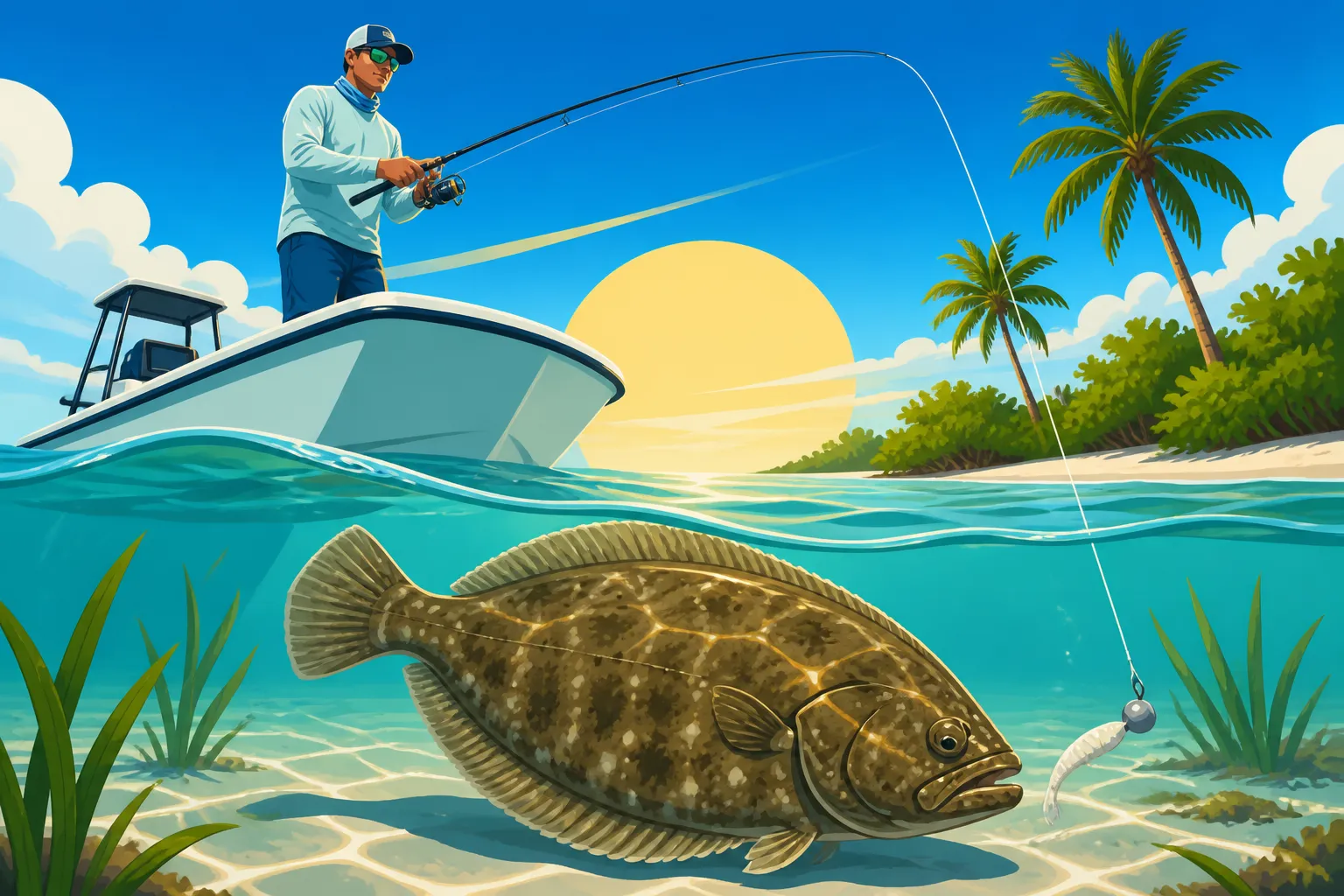
Southern Flounder tend to be larger on average, with a broader body and often a darker, more uniform coloration, allowing them to disappear against muddy or silty bottoms. They have a more streamlined appearance without distinct spots. Gulf Flounder, on the other hand, are typically smaller and have a more defined pattern of three prominent, ocellated (ringed) spots arranged in a triangle on their upper side. These spots are usually dark brown or black, often with a lighter halo, and are their most distinguishing feature. This spotting helps them blend into shell hash, sandy bottoms, and seagrass. Both species are typically "left-eyed," meaning their eyes migrate to the left side of their head as they mature, but don't be surprised to occasionally find a "right-eyed" variant – nature loves to throw us a curveball!
Understanding these visual cues is not just for bragging rights or identification; it can subtly inform where you might expect to find them. If you’re fishing a murky, soft-bottomed estuary, you might be more inclined to encounter a Southern Flounder. If you’re working clearer, sandy flats with patchy grass, the Gulf Flounder is a more likely resident. Knowing your target can help you narrow down your search and make your fishing more efficient.
Where Flounder Hide: Preferred Habitats
Flounder are ambush predators, and their entire existence revolves around camouflage and patience. This means they are masters of hiding, blending seamlessly into the substrate as they wait for unsuspecting prey to swim by. Their preferred habitats are typically characterized by some form of structure or transition where they can conceal themselves effectively.
You’ll often find flounder tucked along sandy edges where seagrass beds meet open sand, or where oyster bars provide an irregular bottom contour. They love to burrow into the sand or mud, leaving only their eyes exposed, ready to spring into action. Look for them around docks, pilings, rock jetties, and bridge abutments, especially where there's a current that brings food to them. These structures create eddies and ambush points. In deeper waters, flounder will congregate around artificial reefs, wrecks, and ledges, often favoring the sandy patches adjacent to these structures. River mouths, creek outflows, and tidal flats are also prime locations, particularly during outgoing tides when baitfish are flushed out. The key is to think about places where current concentrates bait and where a flat fish can effectively hide and wait.
Their choice of habitat also shifts slightly with the seasons and water temperatures. In cooler months, they might move into deeper channels or near inlets where water temperatures are more stable. During warmer periods, they’ll often be found in shallower bays and flats, especially during high tide when they can access areas that are otherwise too dry. Knowing these general patterns, and then fine-tuning your search based on specific conditions, is how you become a successful flounder angler in Florida. It's truly a game of hide and seek, but with the right knowledge, you'll be doing most of the seeking!
Essential Gear for Florida Flounder Fishing
When it comes to flounder fishing, having the right gear isn't about having the fanciest equipment, but rather selecting tools that are appropriate for their stealthy nature and bottom-dwelling habits. Many anglers might try to use their all-purpose setup, but a few specific choices can make a world of difference in your flounder catch rates. You'll find a good selection of specialized gear for flounder fishing, including many of the recommended rods, reels, and terminal tackle, available through retailers like Amazon.
Rod and Reel Setups for Flounder
A balanced rod and reel setup is crucial for feeling the subtle bite of a flounder and effectively setting the hook. Flounder often "mouth" the bait gently before committing, so sensitivity is paramount. For most inshore and nearshore flounder fishing, a medium-light to medium power spinning rod, about 6 to 7 feet in length, with a fast action tip is ideal. This combination provides enough backbone to handle a decent-sized flounder while offering the sensitivity to detect those delicate taps. The fast action tip means the rod bends mostly at the top, which allows for quick and precise hook sets.
Pair this with a spinning reel in the 2500 to 3000 size range. This size reel offers a good balance of line capacity, drag power, and comfortable retrieve for the typical Florida flounder. Spool your reel with 10 to 15-pound braided line. Braid is incredibly sensitive, which is a huge advantage for feeling those subtle bites on the bottom, and its lack of stretch ensures solid hook sets even in deeper water or with longer casts. Attach a 2 to 3-foot leader of 15 to 20-pound fluorocarbon line. Fluorocarbon is nearly invisible underwater, which is a big plus for wary flounder, and it offers excellent abrasion resistance against shell beds and other bottom structures where flounder lurk. For a more comprehensive guide on setting up your gear, check out Best Rod and Reel Setup for Florida Inshore Fishing.
Baits and Lures That Flounder Can't Resist
Flounder are opportunistic predators, and while they aren't overly picky, some baits and lures consistently outperform others. The key is to present something that mimics their natural prey and stays close to the bottom where they live. Live bait is often king when targeting flounder. Small live minnows, mud minnows (killifish), finger mullet, and especially live shrimp are incredibly effective. A live shrimp rigged on a jig head or a Carolina rig, slowly dragged across the bottom, is almost irresistible to a hungry flounder. Small crabs also make excellent flounder bait, particularly fiddler crabs. For tips on sourcing bait, consider How to Catch Shrimp for Bait in Florida.
When live bait isn't available or you prefer to use artificials, bucktail jigs are hands-down one of the best choices for flounder. White, chartreuse, and pink are popular colors. Tip your bucktail with a piece of cut bait (like squid or a strip of mullet) or a soft plastic grub for added scent and appeal. Soft plastic baits, such as Gulp! shrimp, paddle tails, or curly-tail grubs, rigged on a lead head jig, can also be highly effective. The key with artificials is to work them slowly along the bottom, mimicking a wounded baitfish or shrimp. Don't be afraid to experiment with different colors and sizes until you find what the flounder are keying in on that particular day. Remember, flounder rarely chase bait; they ambush it, so a slow, methodical presentation is crucial.
Terminal Tackle for Stealth and Success
The right terminal tackle helps present your bait naturally and withstand the grind of fishing on the bottom. For live bait, the Carolina rig is a classic and highly effective choice. It consists of an egg sinker (1/2 to 1 ounce, depending on current and depth) threaded onto your main line, followed by a small barrel swivel, and then a 12-to-18-inch fluorocarbon leader tied to a hook. The free-sliding sinker allows the flounder to pick up the bait without feeling immediate resistance, which can prevent them from dropping it.
Hook choice is important too. A 1/0 or 2/0 Kahle hook or a circle hook of similar size works well for live bait, especially when paired with mud minnows or finger mullet. Circle hooks are excellent for promoting proper hook sets in the corner of the fish's mouth, making for easier release if you're practicing catch and release. For jigging with live shrimp or artificials, a lead head jig in sizes from 1/4 ounce to 1/2 ounce is perfect. Ensure the jig head has a sturdy, sharp hook. The weight you choose should be just heavy enough to maintain bottom contact without snagging excessively or being swept away by the current. Always keep a good supply of extra jigs, hooks, swivels, and leader material on hand, as fishing the bottom inevitably leads to snags and lost tackle. A small tackle box from an online retailer like Amazon can help you keep everything organized.
| Species | Key Identification | Typical Habitat | Average Size | Fishing Strategy Nuance |
|---|---|---|---|---|
| Southern Flounder | Darker, broader body, often uniform color, no distinct spots. | Muddy bottoms, silty estuaries, river mouths, deeper channels. | Larger (18-24+ inches) | Slow, methodical drifts over soft bottoms. |
| Gulf Flounder | Three distinct, dark ocellated (ringed) spots in a triangle pattern. | Sandy flats, shell hash, seagrass edges, clear nearshore waters. | Smaller (12-18 inches) | Targeting patchy bottoms, structure. |
Top Techniques for Catching Flounder in Florida
Flounder fishing isn't about casting and reeling; it's an art of presentation, patience, and knowing how to effectively work the bottom. Because these fish lie flat and are masters of disguise, your techniques need to coax them out of their hiding spots and get a meal directly in front of their faces.
Jigging and Drifting for Flounder
Jigging and drifting are two of the most productive methods for covering ground and presenting bait or lures to flounder. When jigging, whether from a boat, kayak, or even a pier, the goal is to make your offering hop, skip, and bounce along the bottom, mimicking a wounded or fleeing baitfish. Cast your jig out, let it sink to the bottom, and then use a series of short lifts of the rod tip (6-12 inches) followed by a pause, allowing the jig to fall back to the bottom. Most strikes will occur as the jig descends or when it's resting on the bottom. Pay close attention to your line; a sudden slackening, a slight twitch, or an unexpected weight can all indicate a flounder bite. Don’t set the hook immediately; give the flounder a moment to fully engulf the bait before a firm, sweeping hookset.
Drifting is particularly effective from a boat or kayak, allowing you to cover larger areas of flat bottom where flounder might be scattered. Position your boat upstream or upcurrent from your target area and let the current or wind slowly carry you across. Use a Carolina rig with live bait or a jig with a soft plastic, making sure your weight is just heavy enough to maintain bottom contact. As you drift, keep your line taut and your bait bouncing or dragging along the bottom. The movement of the boat creates a natural presentation, covering potential flounder lies that might be missed with static casting. This method is excellent for exploring expansive flats or large channels. You're basically dragging a dinner plate across their living room floor!
Pier and Shoreline Flounder Strategies
You don't always need a boat to find good flounder fishing; piers and shorelines offer fantastic opportunities, especially in Florida where access is abundant. When fishing from a pier, focus on areas around pilings, barnacle-encrusted structures, and the edges of any sandbars or channels visible from above. Flounder will often congregate near these structures, using them for ambush points. A Carolina rig or a heavy jig is your best bet here. Cast out and slowly retrieve, allowing your bait to drag along the bottom. Pay particular attention to the drop-offs and ledges that often exist near piers, as these are prime flounder real estate. Sometimes, just casting straight out from the pier and slowly retrieving can be effective if there's a good sandy bottom with scattered grass.
For shoreline fishing, think about similar principles. Target areas where there’s a transition in the bottom, such as where a sandy beach meets a rocky point, or where a tidal creek empties into a larger bay. Inlets and passes are phenomenal shore fishing spots for flounder, especially during outgoing tides. Walk the shoreline and make short casts, fan-casting to cover the area in front of you. A slow, bumping retrieve of a jig or a Carolina rig with live bait is key. The beauty of shoreline fishing is its simplicity and accessibility. Remember to check local regulations, as some areas may have specific rules for Florida Shoreline Fishing License Explained or other restrictions. Sometimes the best spots are just a short walk away.
Gigging for Flounder: A Nighttime Adventure
Flounder gigging is a unique and exciting way to target these flatfish, particularly popular in Florida's shallow waters. It's a nighttime activity that requires patience, a keen eye, and the right equipment. The basic idea is to wade or slowly glide across shallow flats at night, using a powerful light source to spot flounder camouflaged on the bottom, and then gig them with a specialized multi-pronged spear. This method can be incredibly productive and offers a completely different experience from rod and reel fishing.
You'll need a good waterproof light – headlamps are popular as they keep your hands free, but powerful handheld spotlights also work. The best lights penetrate the water effectively, allowing you to see through the glare. A flat-bottomed boat or kayak can be used for gigging from the vessel, but many prefer to wade in knee-to-waist deep water. Focus on clear, calm nights when you can see the bottom clearly. Look for the distinct outline of a flounder – often a slightly raised mound, or the tell-tale shape of its body in the sand, sometimes with just its eyes visible. Move slowly and deliberately, scanning the bottom ahead of you. Once you spot one, approach cautiously, aim for the body (not the head or tail, to ensure a solid strike), and jab firmly. This method has its own set of rules and requires a specific license depending on how you're doing it, so definitely check Do You Need a License to Gig Flounder in Florida? before heading out! It's an unforgettable experience for sure.
Flounder Fishing Seasons, Tides, and Regulations in Florida
To truly master flounder fishing in Florida, it's not enough to just know where they hide or what bait they like. You also need to understand the rhythm of their lives, from seasonal movements to the daily influence of tides, and, of course, the regulations that protect this valuable resource. Fishing smart also means fishing legally and responsibly.
Best Time of Year and Day to Target Flounder
Flounder can be caught year-round in Florida, but certain times of the year offer peak opportunities. Generally, the cooler months, from late fall through spring, are considered prime time for flounder fishing. During these periods, flounder tend to migrate from shallow, inshore waters to deeper channels, passes, and nearshore wrecks and reefs as water temperatures drop. This concentration makes them easier to target. They also become more active feeders as they bulk up for spawning. The fall "flounder run" is particularly famous, as many fish move towards inlets and passes before heading offshore to spawn. This is when some of the largest flounder are often caught.
As for the best time of day, flounder are opportunistic feeders, but they tend to be most active during periods of moving water. This usually coincides with tidal changes. The hour or two before and after a high or low tide, when the current is strongest, often provides the most productive fishing. During slack tide, when the water movement is minimal, their feeding activity typically slows down. Many anglers also find success fishing for flounder during low light conditions, such as dawn and dusk, or even at night, especially when gigging. To help you plan your trips, you can explore guides like Best Time of Year to Fish in Florida and understand How to Read a Tide Chart for Fishing to pinpoint the ideal windows.
Understanding Florida Flounder Regulations and Limits
Navigating fishing regulations can sometimes feel like a puzzle, but it's absolutely essential for sustainable fishing and avoiding hefty fines. Florida has specific rules for flounder that all anglers must abide by. These regulations cover minimum size limits, daily bag limits, and sometimes even seasonal closures to protect spawning fish. The specific numbers can change, so it's always critical to check the latest rules before you head out. These details are typically managed by the Florida Fish and Wildlife Conservation Commission (FWC).
Generally, for flounder, there will be a minimum length that a fish must meet before you can legally keep it. There's also a daily bag limit, which dictates how many flounder you can take home in a 24-hour period. These regulations are in place to ensure a healthy fish population for future generations. If you're unsure about the current rules, a quick check of the FWC website or a conversation with a local tackle shop can clear things up. Always be aware of the Minimum Size for Keeping a Flounder in Florida and the Florida Bag Limit for Flounder. Remember, if you plan to fish, you'll need a valid Florida Fishing License Guide, and specifically a Florida Saltwater Fishing License Rules if you're targeting flounder in coastal waters.
Weather and Water Conditions for Productive Flounder Fishing
Just like with any other fish, weather and water conditions play a significant role in flounder behavior and your success. Ideal conditions for flounder fishing typically involve calm to moderate seas, especially if you're fishing from a boat. Clear water is often preferred, as it allows you to better spot flounder if you’re gigging or sight-fishing, and it also means flounder rely less on their camouflage. However, sometimes slightly stained or turbid water can also be productive, as it may make flounder feel more secure and less wary.
Water temperature is another critical factor. Flounder are ectothermic, meaning their body temperature, and thus their activity level, is influenced by the surrounding water. They prefer moderate temperatures. Extreme cold or heat can cause them to become lethargic and less likely to bite. Following a significant cold front, flounder might move to deeper, more stable waters. Strong winds can make fishing challenging, not only for boat control but also because they can stir up the bottom and create turbid conditions that reduce visibility. Post-frontal conditions with clear skies and high pressure can often make fishing tough, as fish tend to be less active. Paying attention to these environmental cues will help you decide when and where to focus your efforts. A good rule of thumb is that if the conditions are comfortable for you, they're probably good for the fish too! For a more general overview of regulations, see Florida Fishing Regulations and Bag Limits.
Handling and Preparing Your Flounder Catch
Catching a flounder is one thing; properly handling it and preparing it for the table is another. Whether you plan to release your catch or turn it into a delicious meal, responsible practices ensure both the well-being of the fish and the quality of your dinner.
Responsible Catch and Release for Flounder
Even if you're keeping some fish for dinner, practicing responsible catch and release for others is vital for maintaining healthy fish populations. Flounder, with their flat bodies and delicate fins, require careful handling. If you're planning to release a flounder, try to minimize the time it spends out of the water. Handle the fish with wet hands to protect its slime coat, which is crucial for its immune system. Avoid letting it flop around on a dry, hot surface.
When unhooking, use a dehooking tool if the hook is deep, or long-nosed pliers for easily accessible hooks. If the fish is gut-hooked and you can't remove the hook quickly without causing further damage, it's often best to cut the line as close to the hook as possible. Circle hooks are particularly good for catch and release because they tend to hook the fish in the corner of the mouth, making removal much easier. Once unhooked, gently place the flounder back in the water, supporting its belly until it swims away on its own. For a more general approach to ethical fishing, consider similar practices highlighted in discussions around specific species like snook.
Cleaning and Filleting Flounder Like a Pro
Flounder are prized for their delicate, flaky white meat, but getting to that delicious fillet requires a bit of technique. Filleting a flounder is different from round fish, given their unique flat shape. You'll need a sharp, flexible fillet knife and a clean workspace.
Start by laying the flounder flat on its darker, eyed side. Make an incision down the middle of its back, from just behind the head all the way to the tail, following the backbone. Then, starting at the head end, insert your knife flat against the backbone and carefully slice horizontally, working your way towards the outer edge of the fish. Use long, smooth strokes, keeping the knife blade as flat as possible against the bones to maximize your meat yield. Once you reach the fins, you can cut through the skin to remove the first fillet. Repeat this process for the other three fillets: there are two fillets on the top side and two on the bottom side of the fish. Once you have the fillets, you can skin them by laying the fillet skin-side down, making a small cut at the tail end to get a grip on the skin, and then running your knife between the skin and the meat. It takes a little practice, but once you get the hang of it, it's quite simple. While this guide focuses on flounder, many of the principles for filleting are universal; you might find How to Fillet a Snapper to be a helpful visual aid for similar knife techniques.
Delicious Ways to Cook Your Florida Flounder
Once you have those beautiful, clean flounder fillets, the culinary possibilities are endless! Flounder's mild flavor and flaky texture make it incredibly versatile. One of the most popular and simplest ways to prepare flounder is to pan-fry it. Lightly dredge the fillets in seasoned flour or cornmeal, then pan-fry in butter or olive oil until golden brown and cooked through. A squeeze of fresh lemon juice is all it needs.
Another fantastic option is to bake or broil the fillets. Lay them on a baking sheet, drizzle with olive oil, sprinkle with your favorite herbs (dill, parsley, and chives work wonderfully), and bake at 375°F (190°C) for 10-15 minutes, or until the fish flakes easily with a fork. You can also stuff larger flounder fillets with a crab meat stuffing and bake them for an impressive dish. For a lighter, healthier option, grilling or steaming flounder is excellent. Its delicate nature means it cooks quickly, so be careful not to overcook it, as it can dry out. Regardless of your chosen method, fresh Florida flounder is a treat that makes all the effort of catching it worthwhile!
Disclaimer
This article is for general informational purposes only and does not constitute professional advice. Laws, prices and regulations vary by location and change over time. Consult a qualified professional for guidance on your specific situation.