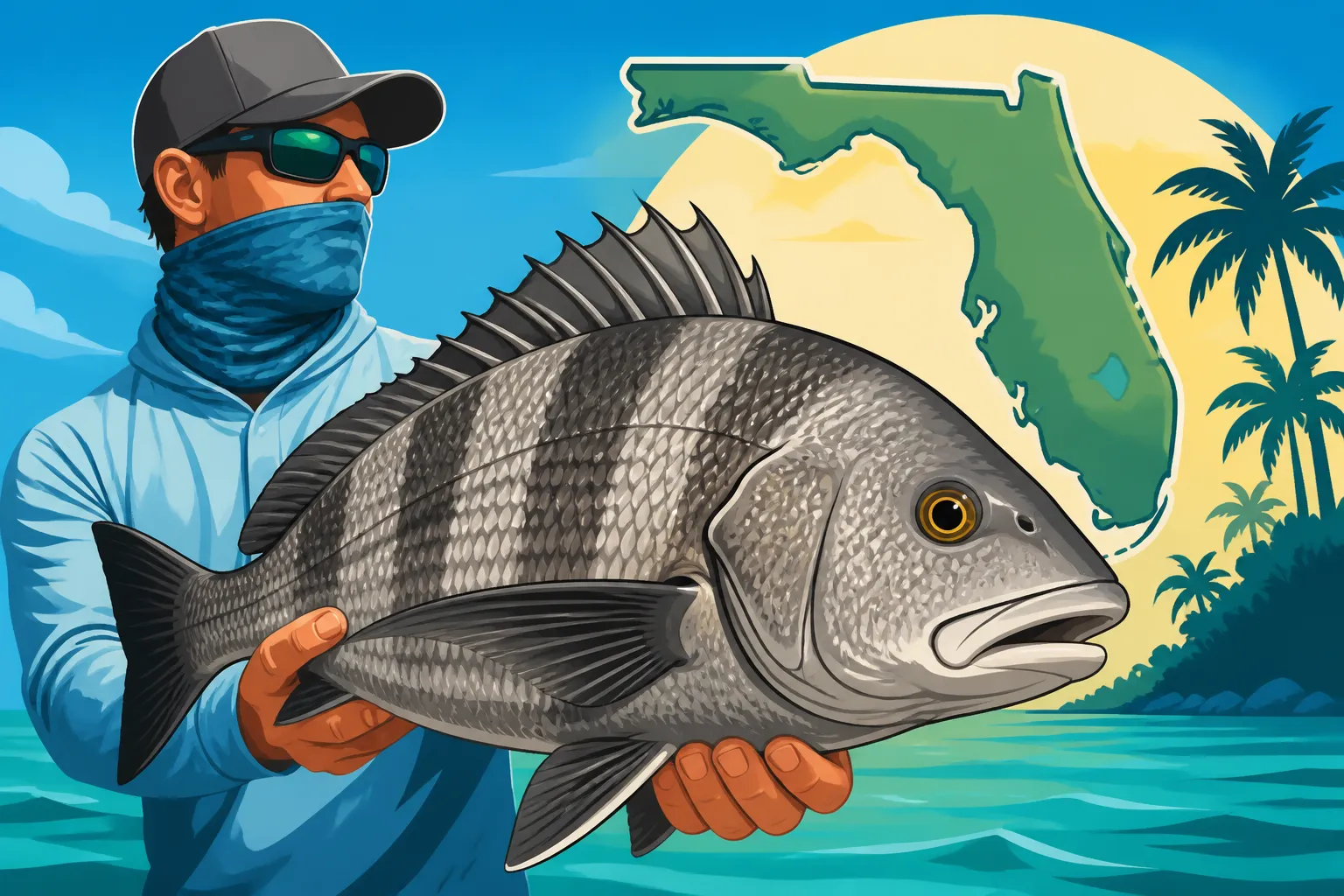
Florida Black Drum Fishing Guide
There’s something truly special about chasing Florida’s inshore species, but if you’re only focused on snook and redfish, you might be overlooking one of the most intriguing and accessible game fish around: the black drum. These robust bottom-dwellers often get a bad rap or are simply misunderstood, leading many anglers to miss out on the thrill of a powerful fight and a surprisingly tasty meal. This guide is here to unravel the mysteries of black drum fishing, from identifying them to mastering the techniques that will have you reeling them in like a pro, ensuring you don't miss out on this fantastic fishing opportunity.
Understanding the Florida Black Drum: A Coastal Gem
The black drum ( Pogonias cromis) is a truly unique inhabitant of Florida's coastal waters. Often mistaken for its flashier cousin, the red drum, the black drum possesses its own distinct charm and offers an exciting challenge for anglers of all skill levels. From their tell-tale drumming sound to their bottom-feeding habits, understanding these characteristics is the first step to successful black drum fishing.
What Makes Black Drum Unique?
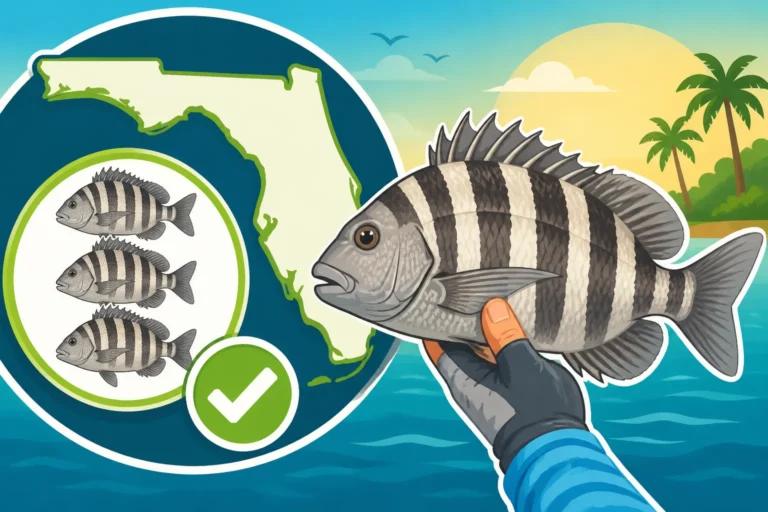
Black drum are characterized by their high, rounded backs and distinctive chin barbels, which are small, whisker-like protrusions used to feel and taste food along the seafloor. Their coloration can vary, but typically ranges from a silvery-gray to a darker, almost bronze hue, often with several dark vertical bars that fade as the fish grows older. Younger drum are often mistaken for sheepshead due to their pronounced stripes. These fish are also famous for the drumming sound they produce, especially during spawning, which is made by vibrating muscles against their swim bladder. It's a low, resonant hum you can sometimes even hear through the hull of a boat!
Beyond their physical traits, black drum are incredibly resilient and widely distributed throughout Florida's diverse estuarine and coastal environments. They are strong fighters, often described as a "bulldog" pull, digging deep and using their broad bodies to resist being reeled in. While some anglers dismiss them as "trash fish" due to their prevalence and occasional worminess (more on that later), many dedicated drum fishermen appreciate their dogged fight and the challenge of consistently finding and catching them. They truly are an underrated species, providing consistent action when other game fish might be playing hard to get.
Where to Find Black Drum in Florida
Black drum are incredibly adaptable and can be found in nearly every type of estuarine and coastal habitat across Florida. They thrive in brackish and saltwater environments, from the panhandle down to the Florida Keys and up the Atlantic coast. You’ll frequently find them in bays, sounds, lagoons, and estuaries, particularly around areas with muddy or sandy bottoms where their preferred forage, like crabs and shellfish, thrives. This means places like Tampa Bay, Charlotte Harbor, the Indian River Lagoon, and the vast expanses of the Panhandle bays are prime real estate for black drum.
Specific structures are magnets for black drum. Think about bridge pilings, jetties, oyster bars, rockpiles, docks, and even deep channels or sloughs. These areas provide both shelter and a buffet of their favorite meals. They are often found in deeper cuts or troughs adjacent to flats, especially during cooler months, or cruising slowly in schools across shallow flats during warmer periods. You might even stumble upon large schools of bull drum, the really big ones, holding around deeper navigation markers or offshore wrecks. Their wide distribution means that no matter where you are in Florida, there's a good chance black drum are within casting distance. Best Fishing Spots in Florida can give you a broad idea, but for drum, focus on those inshore, structured, murky-bottom areas.
Black Drum vs. Redfish: Key Differences
It's a common mistake, especially for new anglers, to confuse black drum with redfish (red drum). While they are related and share some characteristics, there are crucial differences that help distinguish them and inform your fishing strategy. The most obvious visual cue for a black drum is the presence of several chin barbels – those little whiskers on their lower jaw. Redfish do not have these. Black drum also tend to have a higher, more rounded back profile, and their tail is typically more square or truncated, whereas redfish have a more streamlined body and a distinctly forked or crescent-shaped tail. While younger black drum can have vertical stripes, redfish almost always have one or more distinct black spots on their tail or upper body.
Beyond appearance, their feeding habits differ significantly. Redfish are often more aggressive predators, actively chasing down baitfish and shrimp. Black drum, on the other hand, are primarily bottom feeders. They use their barbels to sift through mud and sand, rooting out crabs, shrimp, mollusks, and worms. This difference dictates bait and technique: while a redfish might strike a topwater lure, a black drum almost always requires bait presented on the bottom. Understanding these distinctions is key not just for identification, but for setting up your tackle and approach for success, whether you're targeting Florida Redfish Fishing Guide or the drum.
Essential Gear for Targeting Black Drum
Having the right equipment can make all the difference when targeting black drum. These fish are robust, often found in challenging environments, and put up a formidable fight. Using gear that's too light can lead to broken lines and lost fish, while gear that's too heavy might diminish the sport. Let's break down the ideal setup.
Rods, Reels, and Line Selection
For most inshore black drum fishing, a medium-heavy to heavy spinning rod is a solid choice. You’re looking for something with enough backbone to handle a powerful fish that often digs into the current or structure, but still sensitive enough to feel subtle bites. A rod in the 7 to 7.5-foot range with a fast action tip and a strong butt section is ideal. This length provides good casting distance and leverage when fighting a fish around obstacles. You can find excellent options on Amazon that fit this description perfectly.
Pair this with a robust spinning reel in the 4000 to 6000 size class. A quality reel with a smooth, reliable drag system is crucial, as black drum will test it. You'll want to load your reel with 20 to 40-pound braided line. Braid offers superior sensitivity, allowing you to feel those delicate bottom bites, and its lack of stretch provides immediate hook sets. It also has a smaller diameter for its strength, which helps with casting distance and cutting through the water. However, braid can be more prone to abrasion around sharp structures, so a monofilament or fluorocarbon leader is essential. A 30 to 50-pound fluorocarbon leader, about 2-3 feet long, will provide the necessary abrasion resistance and invisibility underwater. Best Rod and Reel Setup for Florida Inshore Fishing will offer more general tips, but for drum, lean slightly heavier on the line.
Terminal Tackle for Success
When it comes to terminal tackle for black drum, simplicity often reigns supreme. The classic "knocker rig" or a simple fish-finder rig are your best bets, designed to keep your bait on the bottom where drum feed.
- Hooks: Circle hooks are highly recommended, both for the health of the fish and for ease of hooking. Black drum have crushing plates in their mouths designed for cracking shells, not sharp teeth for slicing, so a circle hook will almost always lodge perfectly in the corner of their mouth, minimizing gut hooks. Sizes from 3/0 to 6/0 are typically appropriate, depending on your bait size. For larger crabs, you might even go up to an 8/0.
- Weights: You'll need enough weight to hold your bait on the bottom, especially in current. Egg sinkers or pyramid sinkers are common choices, ranging from ½ ounce up to 3 ounces or more. The exact weight will depend heavily on the strength of the current and the depth you're fishing. For a knocker rig, the egg sinker slides directly on your main line, above your leader and hook. For a fish-finder rig, the weight slides on the main line and is then stopped by a swivel, with your leader and hook tied to the other end of the swivel.
- Swivels and Leader: A strong barrel swivel or a high-quality snap swivel can be used to connect your braided mainline to your fluorocarbon leader. This prevents line twist and provides a solid connection. As mentioned, a 30 to 50-pound fluorocarbon leader, 2-3 feet long, is crucial for stealth and abrasion resistance against oyster shells, barnacles, and bridge pilings.
Carrying a variety of hook and sinker sizes in your tackle box is a smart move, allowing you to adapt to different conditions and bait choices on the fly. You can stock up on these essentials quickly and conveniently on Amazon.
Recommended Baits
Black drum are not picky eaters, but they definitely have their preferences, and those preferences are almost entirely focused on bottom-dwelling invertebrates. Forget fancy lures; when it comes to black drum, fresh, natural bait is king.
- Blue Crab: If there's one bait that stands above the rest for big black drum, it's blue crab. They absolutely adore them. You can use a whole small blue crab, or cut a larger one into halves or quarters. Remove the top shell and crack the claws to release more scent. This bait is especially effective for larger "bull" drum.
- Shrimp: Fresh dead shrimp, or even live shrimp if you can get them, are incredibly effective. Peel a few sections of the shell off to expose more meat and scent. Shrimp are irresistible to drum of all sizes and are a readily available bait. Make sure to hook them securely to withstand strong casts and the drum's crushing bite. How to Catch Shrimp for Bait in Florida might be helpful if you want to gather your own!
- Clams and Oysters: These mollusks are natural foods for black drum, and their scent trail can be very attractive. Shuck them and use the entire soft body, hooking it carefully. The challenge here is keeping them on the hook, as they are soft. Using a small piece of elastic bait thread can help secure them.
- Cut Bait: While not always the top choice, a chunk of fresh cut mullet, ladyfish, or even crab legs can sometimes entice a bite, especially if other options aren't available. Ensure the cut bait is fresh and smelly.
The key to success with any of these baits is freshness. Black drum have an excellent sense of smell and taste, and they will almost always gravitate towards the freshest offering. When fishing for black drum, always remember to bring plenty of bait, as they can sometimes be aggressive eaters, or you might find yourself battling other species. Best Live Bait for Florida Inshore Fishing will cover some general options, but for drum, focus heavily on the crustacean and mollusk options.
Proven Techniques for Catching Black Drum
Black drum are fascinating because they can be caught using a variety of techniques, depending on their mood and the environment. While they are primarily bottom feeders, sometimes a subtle change in approach can unlock a truly productive day. Mastering these methods will significantly increase your chances of success.
Bottom Fishing Strategies
Bottom fishing is, without a doubt, the most consistent and effective way to catch black drum. Since they use their barbels to scour the seafloor for food, presenting your bait directly on the bottom is crucial.
- Anchoring: This is a fantastic strategy when you've located a promising structure, like a bridge piling, a prominent oyster bar, or a deep channel. Anchor your boat upstream or upcurrent from the spot you want to fish, allowing your bait to drift naturally into the feeding zone. Once anchored, cast your baits out and let them settle to the bottom. It's often beneficial to have multiple lines out at different distances and depths to cover more area. Be patient; drum aren't always quick to bite, sometimes just mouthing the bait before committing. When you feel a bite, let the fish take the bait for a second or two before reeling in any slack and letting that circle hook do its job.
- Drift Fishing: In larger areas without distinct structure, or when trying to locate schools of fish, drift fishing can be very effective. Allow your boat to drift with the wind or current, dragging your bottom rigs behind you. This allows you to cover a wide swath of territory, presenting your bait to any drum you might drift over. Pay close attention to your rod tip for any bumps, taps, or sudden bends – these are all indicators of a drum investigating or taking your bait. Once you get a bite or catch a fish, mark the spot on your GPS or mentally note the surroundings, then consider anchoring up to thoroughly work that productive zone.
- Structure Fishing: Black drum absolutely love structure. Bridge pilings, docks, rock piles, and jetties all provide excellent habitat and food sources. When fishing these areas, cast your bait as close to the structure as possible without getting snagged. The drum will often hug these structures for protection and feeding opportunities. Be prepared for a tough fight, as these fish will try to dive back into the pilings or rocks, attempting to break you off. You might need to apply heavy pressure and be assertive to turn their heads. This is where a strong rod and reliable drag system really earn their keep.
Always remember to use enough weight to keep your bait firmly on the bottom, otherwise, it will just float around, away from the drum's feeding zone.
Sight Fishing for Schooling Drum
While black drum are primarily bottom feeders, there are exciting opportunities for sight fishing, especially during cooler months when large schools of "bull" drum gather in shallow water. This is an incredible experience, often compared to sight fishing for redfish or permit.
- Shallow Flats: Keep a keen eye out for large, dark shapes moving slowly across shallow grass flats or sandy bottoms. These are often massive schools of black drum, sometimes numbering in the hundreds. Look for "mud clouds" where they've been rooting for food, or even tails sticking out of the water as they feed. Once you spot them, approach cautiously, either poling your boat silently or wading. Cast your bait (often a cracked blue crab or a large piece of shrimp) ahead of the school, allowing it to sink to the bottom directly in their path. The challenge is getting their attention without spooking the entire school.
- Bridge Pilings: Sometimes, especially during strong tidal flows, you might see individual large black drum or small groups holding tight to bridge pilings or channel markers in clear water. They might not be actively tailing, but their dark forms will be visible just beneath the surface or deeper down. This requires precise casting and a stealthy approach. Again, fresh cut crab or shrimp dropped directly on their noses often does the trick.
- Subtle Approaches: Sight fishing for black drum is less about speed and flash, and more about subtlety and presentation. Use longer leaders to keep your weight away from the bait, and try to make soft, accurate casts that don't splash loudly and send the fish fleeing. Often, a gentle presentation that allows the bait to slowly waft down to the bottom is more effective than a hard splash. Patience is vital, as a spooked school might take a while to settle down again.
This method offers a different kind of thrill compared to blind bottom fishing, demanding keen observation skills and precise casting.
Adapting to Tides and Conditions
Understanding how tides and weather conditions influence black drum behavior is a game-changer. These factors dictate where the fish will be, how actively they'll feed, and what presentation might be most effective.
- Incoming vs. Outgoing Tide: Both incoming and outgoing tides can be productive, but for different reasons. An incoming tide often pushes bait and nutrients into estuaries, encouraging fish to move into shallower areas to feed. Look for drum moving onto oyster bars or flats with the rising water. An outgoing tide, on the other hand, can concentrate bait in deeper channels and troughs as water recedes, making these areas prime ambush points. Drum might stack up at the mouths of creeks or cuts as the tide drains. The strongest parts of the tide (mid-incoming and mid-outgoing) are often the most productive, as the moving water triggers feeding. Best Tides for Inshore Fishing in Florida offers great general advice here.
- Calm vs. Windy Conditions: Calm conditions are fantastic for sight fishing, allowing you to spot schools of drum more easily. However, overly calm conditions can sometimes make fish more skittish. A light chop or ripple on the water's surface can actually be beneficial, as it breaks up the surface, making it harder for fish to see you, and can even stimulate feeding. Windy conditions, while challenging for boat control, can be excellent for bottom fishing, as the increased current often stirs up the bottom, dislodging food. Just remember to use heavier weights to keep your bait in place.
- Water Temperature and Clarity: Black drum are relatively tolerant of varying water temperatures, but they can become sluggish in very cold water. They generally prefer warmer temperatures, which increase their metabolism and activity. Water clarity also plays a role. While they can feed in murky water using their barbels, clearer water allows for more sight fishing opportunities. After heavy rains, runoff can reduce salinity and cloud the water, sometimes pushing drum into saltier, clearer areas.
Always check a local tide chart and weather forecast before heading out. Being prepared for the conditions will allow you to adapt your approach and maximize your chances of a successful day on the water.
Florida Black Drum Regulations and Conservation
As with all fishing in Florida, understanding and adhering to regulations is not just about avoiding fines; it's about ensuring the health and sustainability of our precious fisheries for generations to come. Black drum are no exception, and knowing the rules for this species is paramount.
Size and Bag Limits
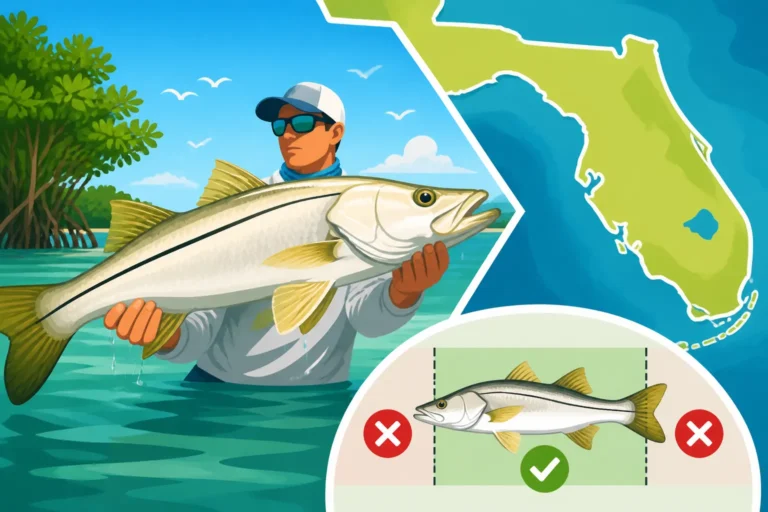
Florida's regulations for black drum are designed to protect their spawning stock while allowing recreational anglers to enjoy a harvest. Generally, there's a slot limit in place, meaning you can only keep fish that fall within a specific length range. Typically, this slot protects both juvenile fish, allowing them to grow, and large "breeder" fish, which are vital for reproduction. There will also be a daily bag limit, restricting the number of fish an individual angler can keep per day.
For example, a common regulation might be a 14-inch minimum and a 24-inch maximum, with a daily bag limit of 5 fish per person, and often, only one of those five can exceed the slot limit (e.g., only one fish over 24 inches). However, these regulations can and do change, and sometimes vary slightly by region (Gulf vs. Atlantic). It is absolutely critical to consult the Florida Fish and Wildlife Conservation Commission (FWC) website or their current regulations pamphlet before every fishing trip. This is not optional. A quick search for "Florida FWC black drum regulations" will give you the most up-to-date information. Always have a measuring device readily available and use it. Florida Fishing Regulations and Bag Limits provides a broader overview of state rules, but double-check the specifics for black drum. What Happens If You Keep an Undersized Fish in Florida? is something you definitely want to avoid!
Responsible Catch and Release Practices
While black drum are often kept for the table, many anglers practice catch and release, especially for the larger "bull" drum, which are primarily breeders and can be quite old. Practicing responsible catch and release helps ensure these magnificent fish continue to thrive.
- Minimize Fight Time: While a long fight is thrilling, it's exhausting for the fish. Use appropriate tackle to bring the fish in efficiently.
- Handling with Care: Avoid touching the fish's eyes or gills. If possible, keep the fish in the water while you remove the hook. If you must remove it from the water, support its body horizontally with both hands, one under the head and one under the tail, to avoid damaging its internal organs. Avoid dragging it on rough surfaces.
- Hook Removal: Use de-hooking tools, such as long-nose pliers or specialized de-hookers, to quickly and cleanly remove the hook. Circle hooks make this much easier as they rarely get deep-hooked.
- Revive the Fish: If the fish seems sluggish, hold it gently in the water, facing into a mild current, and move it back and forth to help water flow over its gills until it regains strength and swims away on its own. Never just toss a tired fish back into the water.
By following these simple steps, you significantly increase the chances of a released fish surviving and contributing to future generations of black drum.
The Importance of Conservation
Black drum play an integral role in Florida's estuarine ecosystems. As bottom feeders, they help to process detritus and control populations of shellfish, contributing to the overall health of bays and estuaries. Their populations are generally healthy, thanks in part to prudent management, but they are still susceptible to environmental changes, habitat loss, and overfishing if not managed correctly.
The money generated from Florida Fishing License Guide and Florida Saltwater Fishing License Rules plays a crucial role in funding conservation efforts. These funds support research, habitat restoration, and enforcement of regulations, all of which benefit species like the black drum. As anglers, we are stewards of these natural resources. By understanding and respecting size and bag limits, practicing ethical catch and release, and supporting conservation initiatives, we ensure that the joy of targeting black drum remains a vibrant part of the Florida fishing experience for years to come. Your conscious choices on the water directly impact the future of this species and the health of Florida's diverse aquatic environments.
Best Times and Locations for Black Drum Fishing
Timing and location are everything in fishing, and black drum are no different. While they can be found year-round in Florida, certain seasons and specific types of spots will dramatically increase your chances of a successful outing. Understanding these patterns and reading the water will turn an ordinary trip into an extraordinary one.
Seasonal Patterns and Prime Months
Black drum are available throughout Florida waters year-round, but their activity levels and concentrations tend to fluctuate with the seasons.
- Winter (December – February): This is often a prime time for targeting large "bull" drum. As water temperatures drop, these big fish tend to congregate in deeper channels, holes, and around bridge pilings where the water is more stable. They also move into shallow, dark-bottomed flats where the sun can warm the water, often seen in large, easily spooked schools. Look for them tailing or pushing wakes as they root for food. This can be a fantastic time for sight fishing if you're patient and stealthy.
- Spring (March – May): Spring is a fantastic period as water temperatures rise, invigorating the drum. They become very active, feeding heavily and often moving into shallower waters more consistently. This is also a major spawning season for black drum, leading to large aggregations of fish. They can be found around oyster bars, jetties, and inshore structures. This is a very reliable time for consistent action. Florida Fishing Seasons Explained will cover general seasonal changes, but for drum, spring is often a peak.
- Summer (June – August): During the hotter summer months, black drum might move into slightly deeper, cooler waters during the heat of the day, seeking refuge in channels, under docks, or around bridges. Early mornings and late evenings can still be productive in shallower areas. They remain active, but the bite might slow during the midday sun. Night fishing around well-lit bridges and docks can be incredibly effective in summer, as drum are drawn to the lights and the bait that congregates there.
- Fall (September – November): As temperatures begin to cool, black drum become very active again, similar to spring. They are often found gorging themselves in preparation for winter. This can be a great time to find schools of younger "slot" fish in bays and estuaries, and the larger fish will begin to congregate in their wintering grounds.
Ultimately, the "best" time can depend on what size drum you're after – big bull drum in winter, or consistent slot fish in spring and fall.
Top Florida Black Drum Hotspots
Black drum are incredibly widespread, but some areas in Florida are consistently more productive than others due to their habitat characteristics.
- Tampa Bay: This massive estuary offers extensive shallow flats, numerous oyster bars, and plenty of bridge systems (like the Skyway Bridge complex) that hold large numbers of black drum. The muddy bottoms are perfect for their feeding habits.
- Charlotte Harbor: Similar to Tampa Bay, Charlotte Harbor boasts vast expanses of brackish water, numerous creeks, and expansive flats ideal for drum. Look for them around the many oyster reefs and mangrove shorelines.
- Indian River Lagoon: Stretching along Florida's east coast, the Indian River Lagoon system is renowned for its diverse fishery, and black drum are a significant component. Its numerous seagrass beds and oyster reefs provide ample forage and cover.
- Panhandle Bays (e.g., Apalachicola Bay, St. Andrew Bay): These northern Florida bays offer rich, productive waters with strong tidal flows, deep channels, and plenty of structure. The cooler winters here often concentrate the larger drum.
- Florida Keys: While famous for its clear waters and glamorous offshore species, the Keys also hold plenty of black drum, particularly around the deeper channels, bridge pilings (like the Seven Mile Bridge), and the edges of muddy flats in the backcountry.
Beyond these major regions, remember to look for types of spots: deep channels in estuaries, bridge pilings, jetties, natural and artificial reefs, and oyster bars are almost universally productive throughout the state. Best Shore Fishing Spots in Florida and Best Pier Fishing Spots in Florida might also highlight areas known to hold drum.
Reading the Water: Signs of Black Drum
Catching black drum often involves more than just blind casting; it requires keen observation and understanding the subtle clues they leave behind.
- Mud Clouds: As black drum root around on the bottom with their barbels, they stir up sediment, creating tell-tale "mud clouds" or plumes in the water. If you see these, especially on a calm day in shallow water, you've likely found a feeding drum or a school of them. Cast your bait just beyond the cloud and let it sink into the disturbed area.
- Tailing: Similar to redfish, black drum will often "tail" when feeding in very shallow water. Their tails will break the surface of the water as their heads are down, digging for food in the mud or sand. This is a classic sign of actively feeding fish and a prime opportunity for sight casting.
- Pushed Water/Wakes: In extremely shallow conditions, large schools of black drum can push significant wakes as they move. These can look like mini-boat wakes or even small ripples on a flat calm surface. They are often slower and less erratic than a fleeing baitfish school.
- Subtle Bumps and Nudges: When bottom fishing, don't expect a violent strike every time. Black drum often pick up bait very gently, sometimes just nudging it or "testing" it. You might feel a series of light taps or a sudden, subtle increase in pressure on your line. Sometimes, it feels like your weight is just dragging over something. These subtle indications require your full attention. If you feel anything unusual, get ready for the hook set!
By combining knowledge of seasonal patterns, productive locations, and the ability to read these signs, you'll significantly improve your black drum fishing success rate.
Preparing and Enjoying Your Black Drum Catch
So you've reeled in some beautiful black drum – congratulations! Now comes the next exciting part: preparing your catch for the dinner table. While some anglers are hesitant due to concerns about taste or worms, with proper handling and preparation, black drum can be a delicious meal.
Cleaning and Filleting Black Drum
Cleaning a black drum is fairly straightforward, but there are a few considerations, especially with larger fish.
- Bleed Immediately: If you plan to eat the fish, bleeding it immediately after catching (by cutting the gills) and placing it on ice will significantly improve the meat quality. It helps drain blood from the flesh, resulting in a cleaner, milder flavor.
- Scale or Skin: Black drum have thick, tough scales. For smaller fish, you can scale them. However, for larger drum, it's often easier and quicker to skin them. To skin, make a cut behind the gill plate down to the backbone, then run your knife along the top and bottom of the fish towards the tail. Use pliers to grab the skin at the head end and pull it towards the tail, peeling it off.
- Filleting: Fillet a black drum much like you would a snapper or other similar fish. Make a cut behind the gill plate, down to the backbone, and turn your knife 90 degrees, running it along the backbone towards the tail. Flip the fillet over and remove the rib cage bones.
- Pin Bones: Black drum, especially larger ones, have a line of pin bones running down the center of the fillet. You can remove these by cutting a "V" shape around them or using a pair of clean pliers. Removing them before cooking makes for a much more pleasant eating experience. For smaller drum, sometimes they're fine to cook and pick around. How to Fillet a Snapper might offer some visual guidance that can be adapted for drum.
Don't be intimidated by their size or scales; with a sharp knife and a bit of practice, you'll be filleting black drum like a pro in no time.
Culinary Tips for Black Drum
The taste of black drum is often compared to snapper or redfish – it has a firm, white, flaky meat with a mild, slightly sweet flavor. The key distinction lies in the age and size of the fish.
- Younger Fish (Slot Size): Black drum within the legal slot limit (typically 14-24 inches) are generally considered the best for eating. Their flesh is consistently firm, white, and has the most delicate flavor. These smaller fish are fantastic pan-fried, baked, grilled, or even blackened. Their mild flavor makes them very versatile, taking well to a variety of seasonings and preparations. You can even use them in fish tacos or ceviche.
- Older Fish (Large "Bull" Drum): While still edible, the meat from very large black drum (the "bulls" over the slot limit) can sometimes be coarser, darker, and have a stronger, more "fishy" flavor. They are also much more prone to having parasites (worms), which we'll discuss next. If you do keep a large one (within regulations), it's often best for preparations where the fish is broken down, such as fish chowder, stew, or smoked. Many anglers prefer to catch and release these larger, older fish.
No matter the size, ensure the fish is fresh and properly bled and iced from the moment it's caught for the best culinary experience. A simple seasoning of salt, pepper, garlic powder, and a squeeze of lemon is often all you need to highlight their natural deliciousness.
Dealing with Worms
One of the biggest hesitations anglers have about eating black drum is the presence of internal parasites, commonly known as worms. It’s a reality of many bottom-feeding fish, and black drum are particularly prone to them, especially the larger, older individuals. It's important to understand a few things:
- It's Normal: These parasites are incredibly common, completely natural, and harmless to humans when the fish is properly cooked. They are typically marine nematodes or trematodes.
- Visual Inspection: When filleting, you might see small, coiled worms, often off-white or yellowish, embedded in the flesh. Don't panic!
- Removal: Simply cut them out with the tip of your knife. The surrounding flesh is perfectly fine. The more you fillet drum, the quicker you'll get at spotting and removing them.
- Cooking Kills Them: Any parasites that you might miss (which is rare if you're diligent) will be killed by the cooking process. Freezing the fillets for a few days can also kill them.
- Size Matters: As mentioned, smaller, slot-sized black drum are far less likely to have significant worm issues. The very large "bull" drum, due to their age and diet, are almost guaranteed to have them, which is another reason many anglers prefer to release these old breeders.
So, don't let the potential for worms deter you from trying black drum. It's a minor inconvenience easily addressed with proper cleaning, and the delicious reward is well worth it. Many an angler has been pleasantly surprised by how good a properly cleaned and cooked black drum can be!
Disclaimer
This article is for general informational purposes only and does not constitute professional advice. Laws, prices and regulations vary by location and change over time. Consult a qualified professional for guidance on your specific situation.